Quick Facts
- Heart Rate Sensing: Integrated infrared sensors pulse 256 times per second, providing medical-grade biometric data directly to Apple Health and Fitness.
- Battery Revolution: Individual earbud life has jumped to 8 hours with ANC enabled (a 33% increase), though the total case capacity has retreated to 24 hours.
- Durability: Both the buds and the charging case now carry a full IP57 rating, making them significantly more resistant to dust and immersion than the Pro 2.
- Acoustic Seal: A new foam-infused silicone tip design (available in 5 sizes) offers a superior seal but has sparked debate regarding long-term comfort.
- Noise Cancellation: Apple’s H3 chip delivers ANC that is 2x more effective than the AirPods Pro 2 and 4x more powerful than the 2019 original.
The "honeymoon phase" of tech reviews is a dangerous period. In the first 72 hours, everything feels revolutionary. The plastic is shiny, the battery is pristine, and the marketing claims are still ringing in your ears. But as a travel critic who spends half his life in pressurized cabins and transit lounges, I know that the real truth about a product only emerges after the 90-day mark.
Three months into daily life with the AirPods Pro 3, the initial hype has settled into a more nuanced reality. While these remain the definitive choice for the Apple ecosystem, the transition from the Pro 2 isn't as straightforward as a spec sheet might suggest. This is a story of trade-offs: biometric gains versus case capacity, and improved acoustics versus a controversial new fit.
Design and Comfort: The Foam Tip Controversy
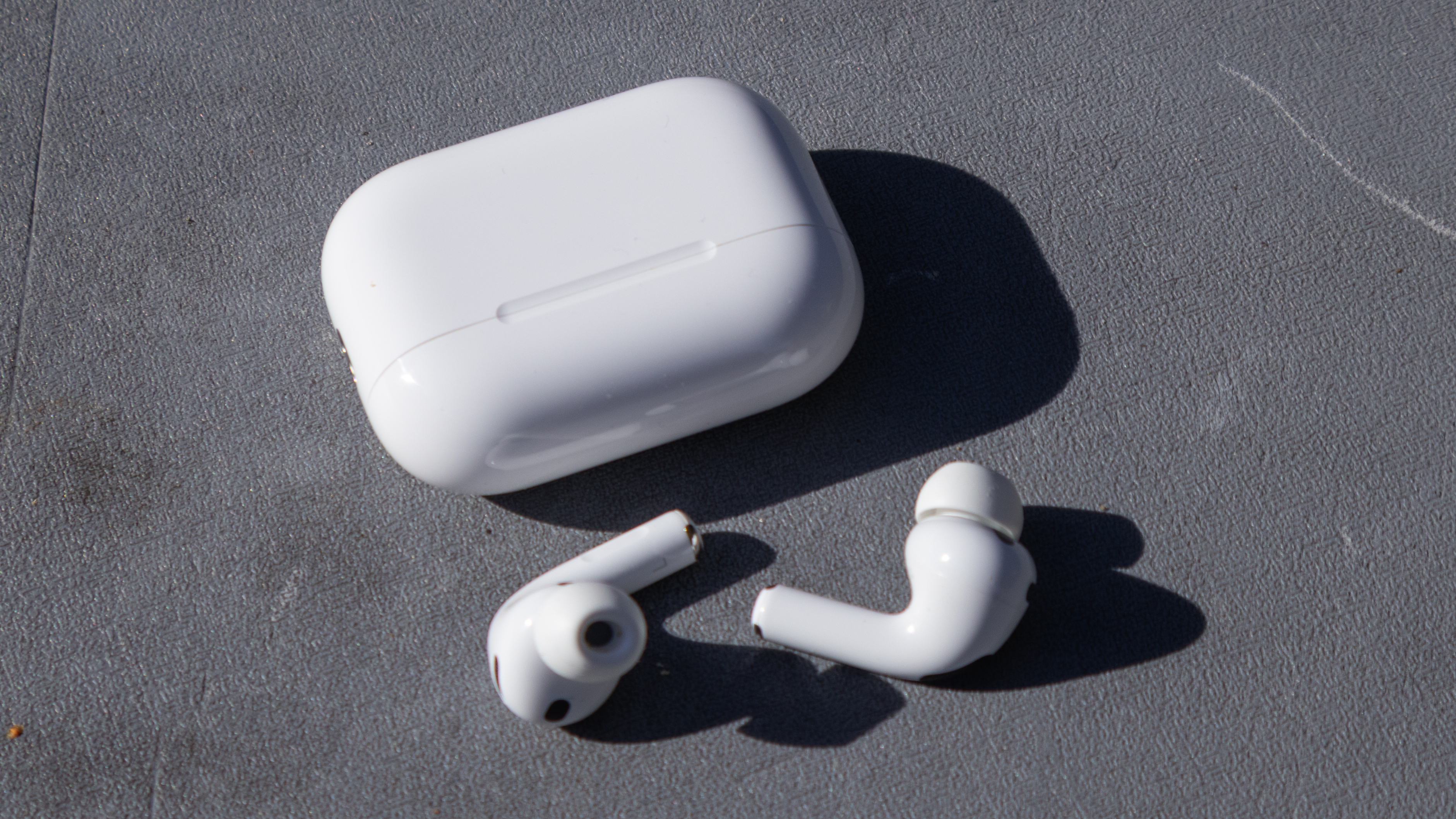
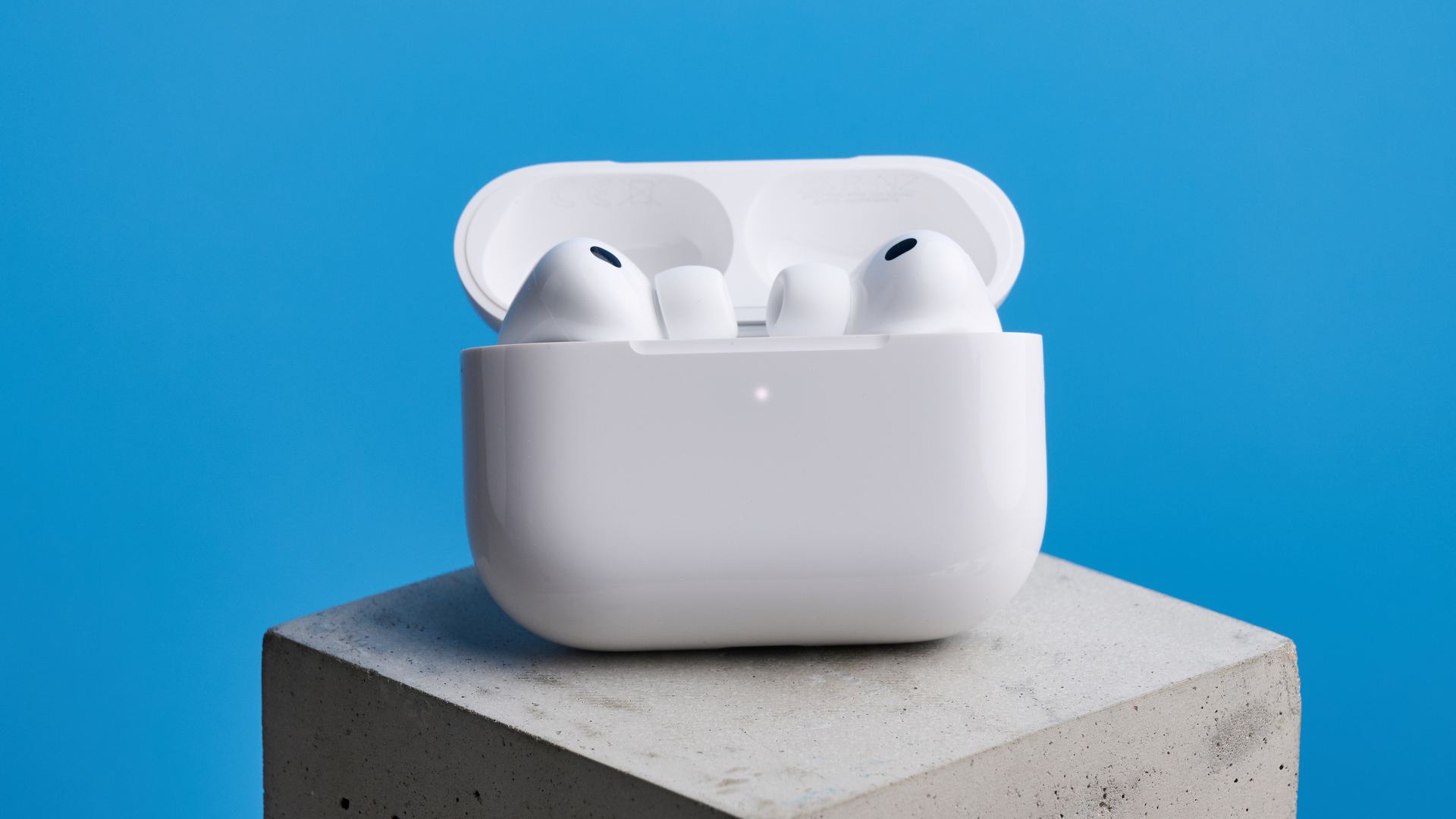
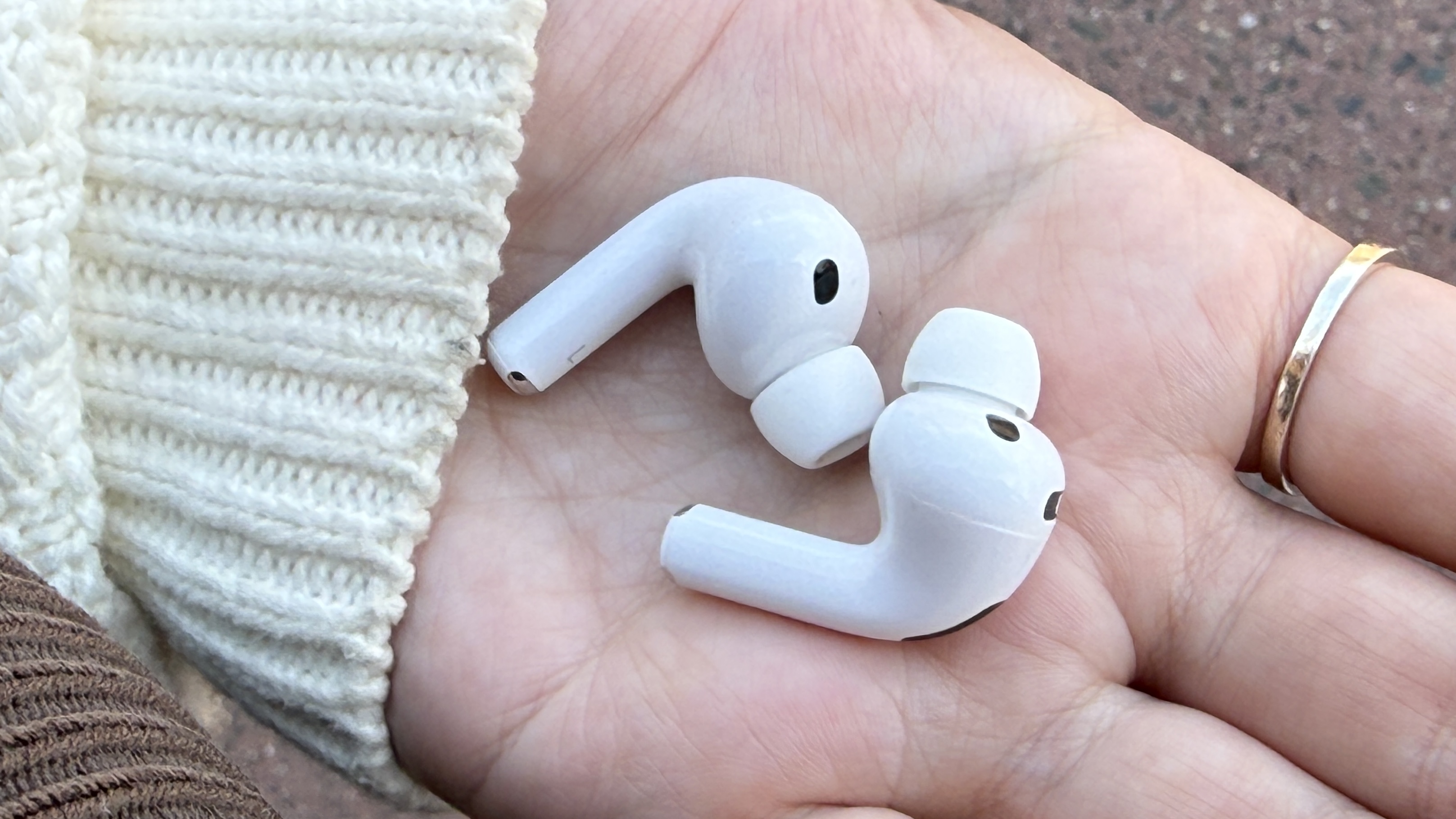
At first glance, the AirPods Pro 3 appears nearly identical to its predecessor. However, the internal geometry has undergone a subtle but significant "refining." The stems remain, much to the chagrin of those hoping for a "bud-only" design, but the real change lies at the tip of the spear—the ear tips themselves.
Apple has moved to a "foam-infused" silicone hybrid. The goal was to combine the durability of silicone with the superior acoustic seal of memory foam. In my testing across three months of long-haul flights, the seal is undeniably better. It blocks more passive noise before the ANC even kicks in. However, this has led to what some early adopters are calling "Bloodgate"—reports of increased ear canal pressure and, in some cases, mild irritation due to the denser material.
To mitigate this, Apple now includes five tip sizes (ranging from XXS to XL). Finding the right fit is no longer optional; it’s a requirement for the new sensors to function.
Pro Tip: The Manual Seal Check While the software "Ear Tip Fit Test" is helpful, I recommend a manual check. If you can hear your own footsteps echoing loudly in your head while walking ("occlusion effect"), you may need to downsize. The new foam tips require about 10 seconds to "settle" and expand to your ear shape—don't judge the fit the moment you put them in.
Audio Performance: More Bass, More Detail
The AirPods Pro 3 utilizes a new 10.7mm low-distortion driver. For the average listener, this translates to what audiophiles call a "Happy-Face" sound profile: punchy, authoritative bass and crisp, sparkling highs.
When listening to high-bitrate tracks on Apple Music, the separation is noticeably wider than the Pro 2. In "Hotel California" (Live on MTV, 1994), the distinct placement of the acoustic guitars feels three-dimensional. The mids, however, feel slightly recessed. While vocals remain clear, they lack the "warmth" found in dedicated over-ear monitors like the Max.
The real hero here is the Adaptive EQ. The H3 chip analyzes the sound inside your ear 200 times per second and adjusts the frequencies in real-time. This is particularly effective for travelers; whether you are in a quiet hotel room or a noisy subway, the tonal balance remains remarkably consistent.
ANC and Transparency: The New Gold Standard
If you are an AirPods Pro 2 user, you might wonder if "2x more effective ANC" is just marketing speak. In my 90-day deep dive, I can confirm the difference is tangible, though mostly in the mid-frequency range.
While the Pro 2 was excellent at neutralizing low-frequency airplane hum, it struggled with the unpredictable "clacking" of a mechanical keyboard or the shrill cries of a baby in row 14. The Pro 3 handles these high-frequency spikes with much more grace.
The Transparency Mode also sees a significant upgrade via "Voice Isolation." When walking through a busy terminal like Heathrow, the Pro 3 can effectively "lift" the voice of the person you are talking to while suppressing the chaotic background roar. It feels less like a hearing aid and more like natural hearing.
Pro Tip: Accessibility EQ For those who find the default ANC too "pressurized," head to Settings > Accessibility > Audio/Visual > Headphone Accommodations. Here, you can tune the Transparency mode to favor "Brightness," which can make ambient voices sound even clearer without increasing overall volume.
The Fitness Game Changer: Heart Rate Sensing
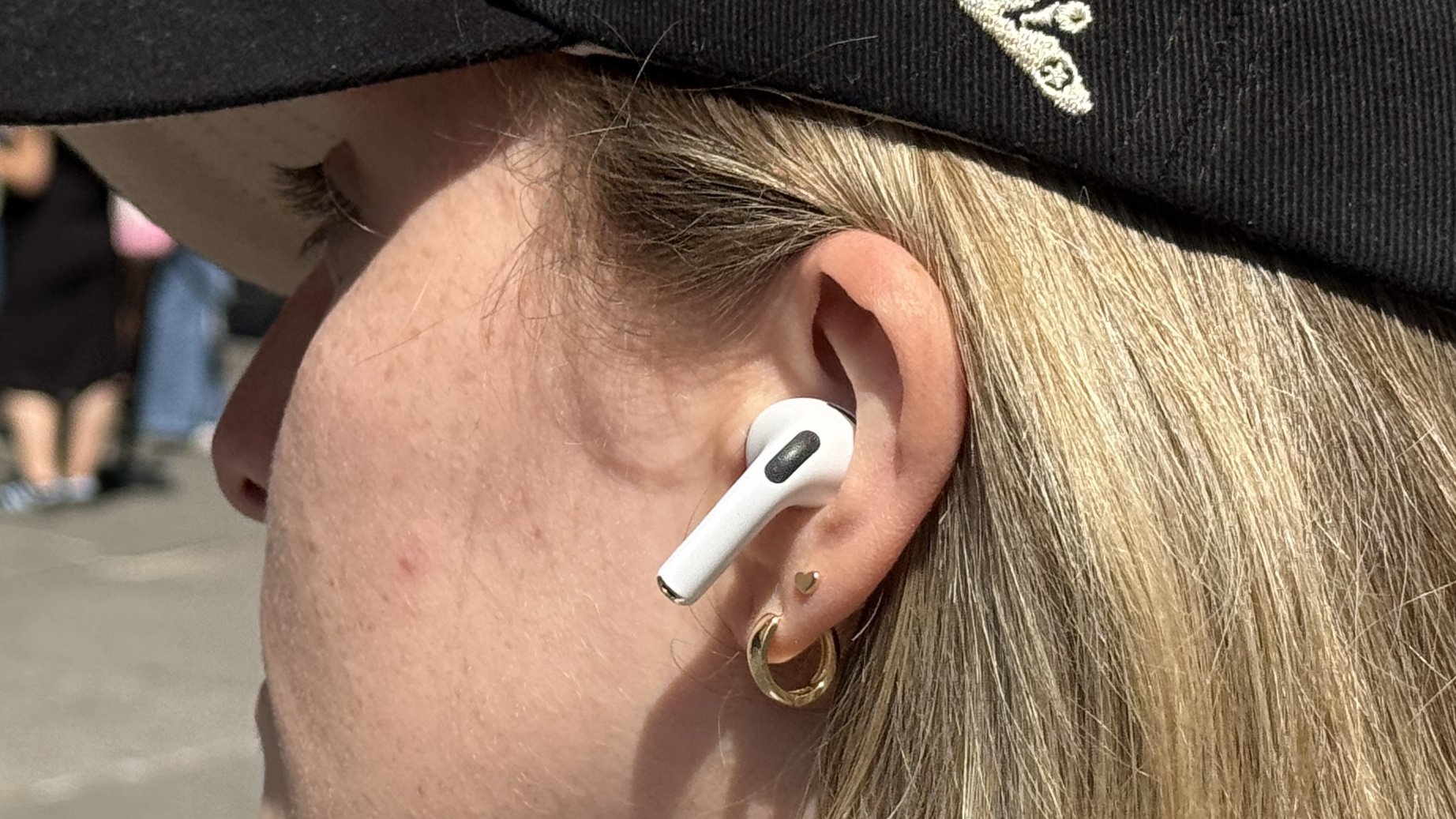
This is the primary reason to upgrade. For the first time, Apple has integrated medical-grade biometric sensors into the earbud. The heart rate monitor pulses infrared light 256 times per second into the ear canal—a location that is actually more stable for heart rate tracking than the wrist during high-intensity movement.
During my morning runs through Central Park, the data parity between the AirPods Pro 3 and my Apple Watch Ultra 2 was near-perfect. More importantly, for users who don't want to wear a watch while sleeping or during certain sports, the Pro 3 offers a seamless way to track recovery and exertion.
The integration with the Apple Fitness app is flawless. You get real-time heart rate zones announced in your ear, allowing you to stay in "Zone 2" without constantly checking your wrist. It essentially turns your earbuds into a high-precision fitness tracker.
Battery Life and Charging: The '24-Hour' Catch
Apple has performed a bit of "battery gymnastics" with the Pro 3. The earbuds themselves are more efficient, now offering 8 hours of listening time with ANC enabled (up from 6 hours on the Pro 2). If you switch to Transparency mode, you can squeeze out nearly 10 hours. This is a massive win for trans-Atlantic flights; you can actually make it from NYC to London on a single charge.
However, the "catch" is the case. To keep the charging case compact while accommodating the new U2 chip and faster charging internals, Apple has reduced the total battery capacity. Total listening time (buds + case) has dropped from 30 hours to 24 hours.
For the traveler, this means you’ll be reaching for your USB-C cable more often. The good news? Five minutes in the case gives you a full hour of playback. The addition of the Optimized Charge Limit (which stops the case at 80% based on your daily routine) also ensures the long-term health of the lithium-ion cells.
Intelligence and Connectivity: U2 and Live Translation
The inclusion of the U2 Ultra Wideband chip makes "Precision Finding" significantly more accurate. If you’ve ever lost your case in the depths of a hotel sofa, you’ll appreciate the 1.5x range increase. You can now track your case down to the centimeter using an iPhone 15 or 17.
One feature that has surprised me during my travels in Tokyo is the Live Translation integration. By leveraging the H3 chip and a connected iPhone, the AirPods Pro 3 can provide near-instant translation of 9+ languages directly into your ear. It’s not quite "Star Trek Universal Translator" yet—there is a slight lag—but for checking into a hotel or ordering at a restaurant, it is a genuine utility that adds value to the $249 price tag.
| Feature | AirPods Pro 2 (USB-C) | AirPods Pro 3 |
|---|---|---|
| Chipset | H2 | H3 |
| ANC Performance | 1x (Baseline) | 2x Better |
| Earbud Battery (ANC) | 6 Hours | 8 Hours |
| Total Battery (Case) | 30 Hours | 24 Hours |
| Sensors | Skin-detect, Motion | Heart Rate, Infrared (256Hz) |
| Durability | IP54 | IP57 (Dust & Immersion) |
| Connectivity | U1 Chip | U2 Chip (Precision Finding) |
Final Verdict: Is the Upgrade Truly Worth It?
After three months of rigorous testing, the answer depends entirely on your current hardware.
Who should upgrade? If you are still using the original 2019 AirPods Pro or any standard non-Pro AirPods, the jump to the Pro 3 is monumental. The 4x improvement in ANC and the addition of health tracking make it a logical investment. Similarly, if you are a fitness enthusiast who relies on heart rate data, the Pro 3 is currently peerless in the "hearable" category.
Who should wait? If you recently purchased the AirPods Pro 2 (USB-C version), the decision is harder. You already have excellent ANC and the convenience of USB-C. Unless you specifically need the heart rate sensor or the extra 2 hours of per-charge battery life for long flights, the Pro 2 remains a stellar performer in 2025.
The AirPods Pro 3 isn't a radical reinvention of what a headphone should look like. Instead, it is the transformation of the earbud into a sophisticated health and travel tool. It’s more durable, more intelligent, and more capable of protecting your peace in a noisy world. For $249, it remains the gold standard of the category.
Check Current Price on Apple.com →
FAQ
Q: Will the heart rate sensor work with third-party apps like Strava? A: Yes. The AirPods Pro 3 shares heart rate data through the Apple Health Kit, meaning any app that currently reads data from an Apple Watch can also pull data from your AirPods.
Q: Are the new foam tips replaceable with standard Pro 2 silicone tips? A: Physically, yes, they use the same click-on mechanism. However, using older tips will likely disable the heart rate sensor and significantly degrade the ANC performance, as the H3 chip is tuned for the specific density of the new foam-infused tips.
Q: How does the IP57 rating affect cleaning? A: The "7" in IP57 means the buds can technically be submerged in up to 1 meter of water for 30 minutes. While I don't recommend swimming in them, it makes cleaning them under a gentle tap much safer than previous generations.
Looking for more travel tech insights? Subscribe to my newsletter for deep dives into the gear that actually survives the road.