As the automotive landscape shifts toward increasing automation and hands-free integration, the legal boundaries of what a driver can and cannot do behind the wheel are tightening. For 2024, one of the most frequently misunderstood areas of traffic law involves the use of headphones and earbuds. Whether you are a frequent road-tripper or a daily commuter, navigating the patchwork of state-level regulations is essential to avoid both hefty fines and compromised safety.
Quick Answer: Is it Illegal to Wear Headphones While Driving?
Strict Bans: In 2024, wearing headphones or earbuds in both ears is strictly prohibited in California, Maryland, and Minnesota. Washington maintains the nation's strictest law, banning any headset or earphone use in even one ear if it is connected to an electronic device.
Partial Bans (One-Ear Rule): States such as New York, Florida, Illinois, and Ohio generally permit the use of a single earbud for communication or navigation, provided the other ear remains open to monitor the environment.
The Risk: Currently, 16% of U.S. states have active legislation targeting headphone use. Beyond the fines, research suggests that dual-earbud use can cause "inattention blindness," causing drivers to fail to process up to 50% of external road hazards.
The Quick Verdict on Headphones and Driving
The legality of wearing headphones while driving is not governed by a federal mandate, but rather by a complex web of state statutes. As of early 2024, the trend among state legislatures is moving toward stricter enforcement. This shift is driven by a surge in distracted driving incidents and the increasing efficacy of noise-canceling technology, which, while impressive for air travel, is fundamentally dangerous on the highway.
While many drivers assume that as long as they are "hands-free," they are compliant, the law often distinguishes between manual distraction (holding a phone) and auditory distraction (blocking ambient sound). Even in states without specific headphone bans, officers can—and frequently do—issue citations for "Distracted Driving" or "Unsafe Operation" if they believe your headset prevented you from hearing an emergency siren or a warning honk.
States with Strict Prohibitions (No Earbuds Allowed)
For those traveling through the West Coast or the Mid-Atlantic, the laws are particularly uncompromising. Understanding the specific codes can save you a significant roadside headache.
Washington’s Zero-Tolerance Policy Washington state currently holds the most aggressive stance in the country. Under RCW 46.37.480, it is illegal to operate a motor vehicle while wearing any headset or earphones connected to any electronic device. Unlike other states, Washington does not provide a broad "one-ear" exception for music or podcasts; the law is designed to ensure the driver has full auditory access to their surroundings.
California Vehicle Code 27400 In California, the law is explicit: "A person operating a motor vehicle or bicycle may not wear a headset covering, or earplugs resting in, both ears." This applies to everything from high-end noise-canceling over-ear headphones to the smallest wireless earbuds. California’s logic is rooted in "situational awareness"—the necessity of hearing the high-pitched frequencies of emergency vehicles or the rumble of a nearby heavy truck.
Maryland and Minnesota Both states have implemented bans that focus on dual-ear coverage. In Maryland, the law prohibits the use of "earplugs, headsets, or earphones attached to a radio, portable audio device, or other entertainment device" in both ears. Minnesota follows a similar path, emphasizing that blocking both ears significantly impairs the driver’s ability to respond to external stimuli.
The 'One Earbud' Rule: Where is Partial Use Legal?
The most common middle ground in U.S. traffic law is the "single-ear" exception. This allows drivers to utilize modern technology for essential tasks like GPS turn-by-turn directions or hands-free calling without completely isolating themselves from the road environment.
In New York, Florida, Illinois, and Ohio, the general rule is that one ear must remain completely unobstructed. However, the nuances matter:
- Florida: You are permitted to wear a single earbud, but primarily for communication purposes. If a law enforcement officer determines you are distracted by high-volume music in that one ear, you can still be cited.
- Georgia and Colorado: These states allow single-ear device use specifically for "communication" (calls). Using a single earbud solely to listen to a movie or a high-intensity podcast may still fall under broader distracted driving definitions.
Beyond the legal specifics, many safety experts argue that even a single earbud can be distracting. The brain's ability to multitask is a myth; instead, the brain "toggles" focus. When you are deeply engaged in a phone conversation, your "cognitive load" increases, leading to a narrower field of vision—a phenomenon known as tunnel vision.
Comprehensive State-by-State Guide 2024
To help you plan your next multi-state journey, the following table summarizes the legal status of headphone use across key jurisdictions.
| State | Law Status | Notable Exceptions |
|---|---|---|
| California | Banned (Both Ears) | Hearing aids; Authorized emergency personnel. |
| Washington | Strict Ban | Built-in hands-free systems only. |
| Florida | Partial (One Ear OK) | Legal only for communication/navigation. |
| New York | Partial (One Ear OK) | Prohibited if both ears are covered. |
| Maryland | Banned (Both Ears) | Protective headgear for motorcycles. |
| Minnesota | Banned (Both Ears) | Use of a single earbud for cellular use. |
| Ohio | Partial (One Ear OK) | Law focuses on "headsets" covering both ears. |
| Illinois | Partial (One Ear OK) | Single-sided headsets are permissible. |
| Texas | No Specific Law | Can be cited under "Distracted Driving." |
| Arizona | No Specific Law | Local ordinances may vary; exercise caution. |
Note: States listed with "No Specific Law" do not have a dedicated statute for headphones, but drivers are still subject to general safety and distracted driving regulations.
The Hidden Risks: Inattention Blindness and Distracted Driving
From a critical perspective, the legalities are only half the story. The data surrounding auditory distraction is sobering. Research on inattention blindness suggests that drivers using dual earbuds may fail to mentally process up to 50% of external road hazards, even if those hazards are directly within their field of vision.
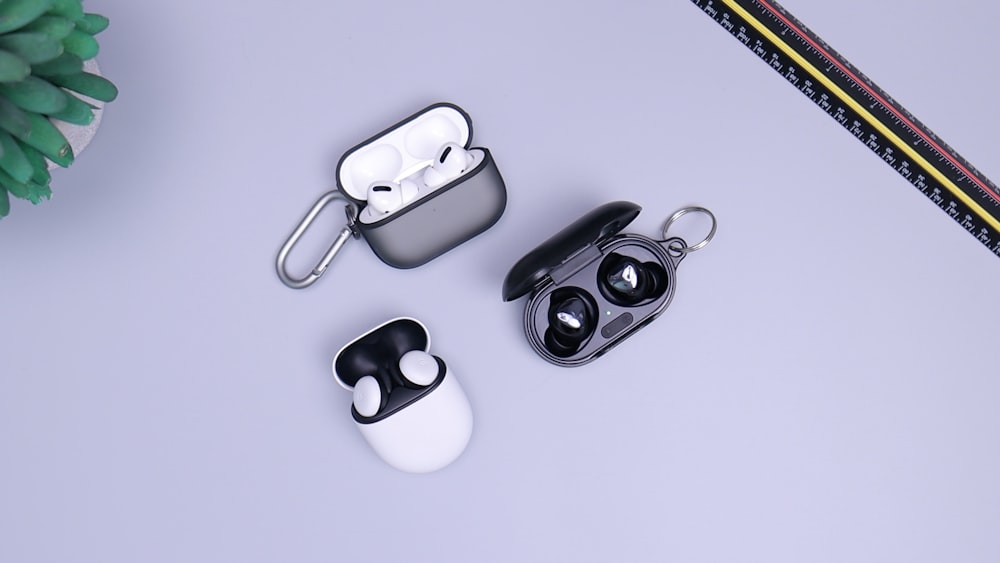
The primary culprit in 2024 is the rise of Active Noise Canceling (ANC) technology. Devices like the AirPods Pro or Bose QuietComfort are designed specifically to phase out external noise. In a car, those "noises" include:
- The sirens of an approaching ambulance.
- The screech of tires from a car braking ahead.
- The "rumble strips" on the edge of a highway intended to alert drowsy drivers.
- Auditory cues from the vehicle's engine or tires that indicate a mechanical failure.
When you engage ANC, you are essentially deleting a critical sensory input required for safe navigation. This is why legal penalties for accidents involving headphone use are often much more severe than a standard speeding ticket.

Penalties and Legal Consequences
Violating these laws is rarely a minor "slap on the wrist." Depending on the jurisdiction, the consequences can be tiered:
- Initial Fines: In Maryland, a first-time offense typically starts at $100. In California, once you include administrative fees and court costs, a single citation for VC 27400 can easily reach $175–$200.
- Insurance Impact: Most insurance carriers view headphone violations as a form of distracted driving. This can lead to a "point" on your driving record, which may trigger a premium increase for three to five years.
- Contributory Negligence: This is the most significant financial risk. If you are involved in an accident—even if the other driver hit you—the fact that you were wearing headphones can be used against you in court. Under the principle of "comparative" or "contributory" negligence, a jury may find you 20% or 30% at fault because your hearing was impaired, significantly reducing any settlement you might receive for injuries or property damage.
Safer Alternatives for 2024
As a critic who evaluates travel safety and efficiency, my recommendation is to move away from wearable audio entirely when operating a vehicle. The technology built into modern cars is far superior for maintaining situational awareness.
- Apple CarPlay and Android Auto: These interfaces are designed to be used via voice and the car’s internal speakers. They allow you to hear navigation prompts while keeping your ears open to the world outside.
- Bluetooth Speakerphones: If your car is an older model, a simple Bluetooth clip-on speaker for the visor is a legal and safe alternative to earbuds.
- The "Pull Over" Rule: If you are expecting a complex or emotionally charged phone call, the best travel practice is to pull over. Cognitive distraction—being so engrossed in a conversation that you lose track of your speed or lane position—is just as dangerous as physical distraction.
FAQ
Q: Is it legal to use headphones on a bicycle? A: In many states, including California, the laws for bicycles mirror the laws for motor vehicles. Wearing headphones in both ears while cycling is illegal and highly dangerous, as cyclists rely even more heavily on auditory cues to detect approaching traffic.
Q: Do these laws apply to passengers? A: No. These laws specifically target the operator of the vehicle. Passengers are free to use headphones or earbuds as they wish, as their auditory awareness does not impact the safe operation of the vehicle.
Q: Can I use headphones if I’m using them as a hearing aid? A: Most states provide explicit exemptions for hearing aids or other medical devices designed to correct or improve hearing. However, standard consumer electronics (like AirPods) do not generally qualify for this exemption unless they are specifically prescribed and configured as medical-grade hearing assistance.
Stay Informed and Stay Safe The laws of the road are constantly evolving. Before you embark on your next cross-country trip, ensure your vehicle’s audio setup is compliant with the states on your itinerary. Safe driving is about more than just what you see; it’s about what you hear.