In the world of high-end consumer technology, console generations typically adhere to a strict seven-year rhythm. However, as we approach the midpoint of the current decade, the cadence is shifting. For those of us who track the hardware silicon roadmap as closely as airline fleet upgrades, the chatter surrounding "Project Amethyst"—the internal codename for the PlayStation 6—suggests more than just a seasonal refresh. Sony is reportedly preparing for a leap that moves beyond raw polygons into the realm of generative environments and neural processing.
While the PlayStation 5 Pro has only recently begun to stretch its legs, the strategic horizon is already fixed on 2027. This isn’t merely about faster loading times; it is about a fundamental restructuring of how a console "thinks."
The PS6 Release Window and Pricing Rumors
According to supply chain insiders and leaked internal documents, the PlayStation 6 is currently slated for a production start in mid-2027. For the retail consumer, this points to a launch window between November 2027 and March 2028. This timeline aligns with Sony’s historical preference for holiday launches while allowing for the maturity of 2nm and 3nm processor nodes.
The question of "at what cost?" is particularly poignant following the $699 price point of the PS5 Pro. Market analysts suggest Sony is targeting a two-tier entry strategy:
- The Base PS6: A digital-centric model aimed at the $499-$549 range to maintain market share.
- The Enthusiast Tier: A fully-specced version, likely featuring the rumored detachable disc drive, priced closer to $699, leveraging the high-speed storage and maximum AI compute.
There are also whispers of a "Lite" model or a cloud-hybrid entry point, though Sony remains cautious about alienating users with poor internet infrastructure. The goal is clear: provide a premium experience that justifies the hardware investment in an era where cloud gaming continues to loom.
Hardware Evolution: AMD UDNA Architecture and GDDR7
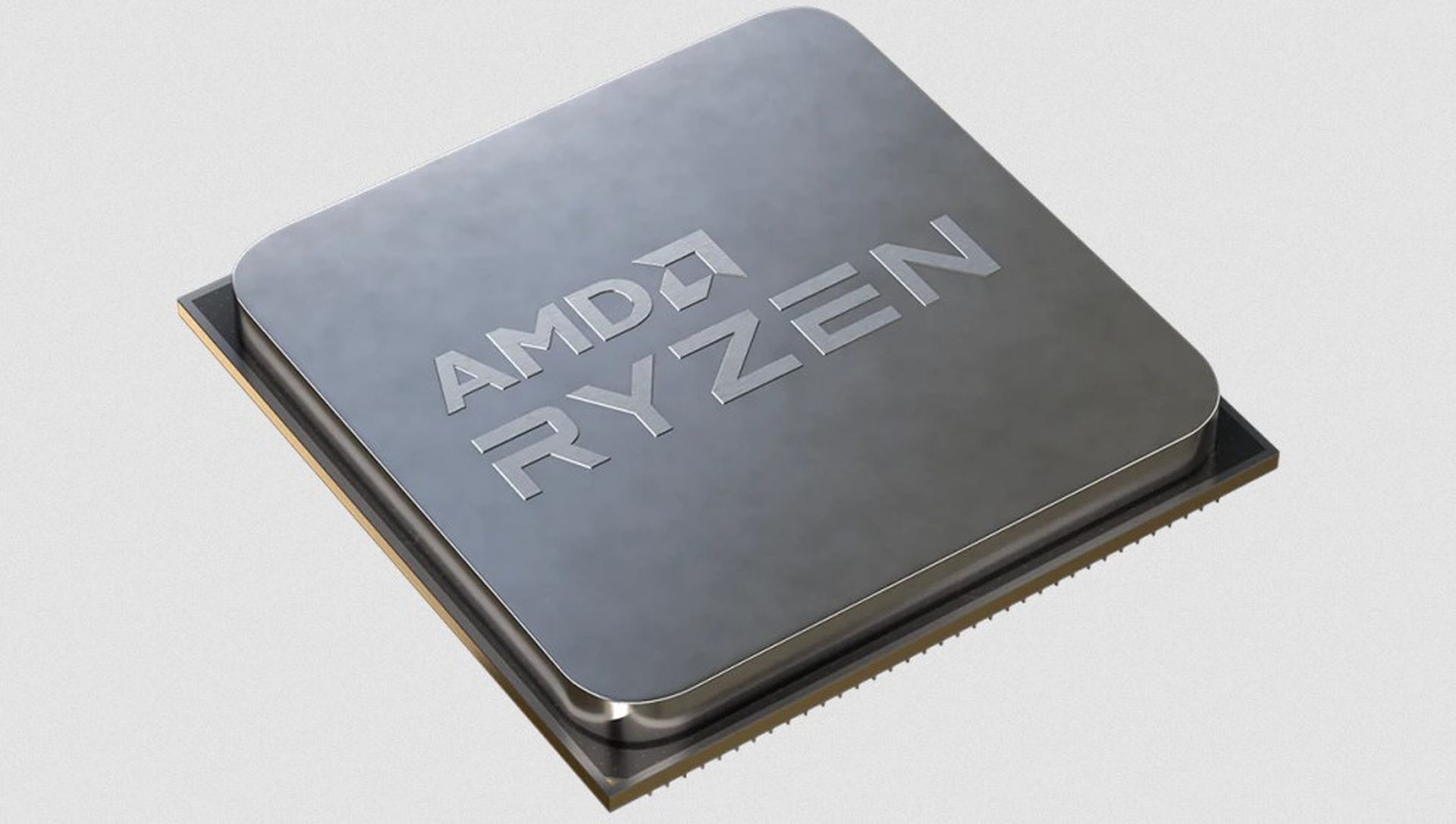
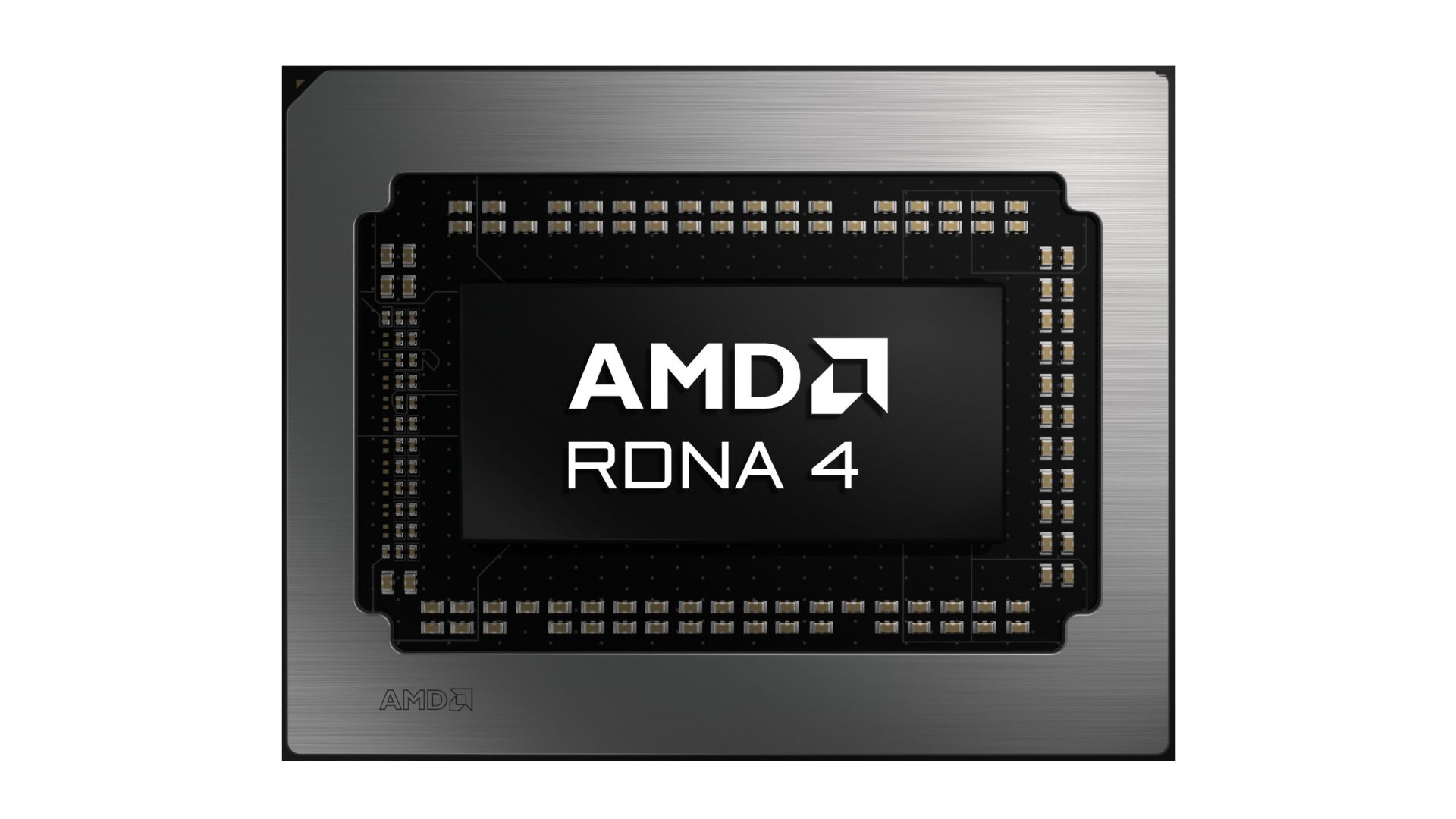
The heart of the PS6 lies in a renewed partnership with AMD. Unlike previous generations that used iterative RDNA architectures, the PS6 is rumored to be the flagship vessel for AMD’s UDNA architecture. This unified approach merges the strengths of gaming GPUs with the compute-heavy requirements of artificial intelligence.
One of the most significant upgrades is the transition to GDDR7 memory. Leak reports indicate the PS6 may feature 40 GB of GDDR7 memory, which is roughly 2.5 times the capacity of the standard PS5. More importantly, this memory provides the massive throughput required for 8K buffers and real-time AI assets.
Key Performance Comparison
Feature PlayStation 5 PlayStation 6 (Projected) Improvement Factor Memory Capacity 16 GB GDDR6 40 GB GDDR7 2.5x Increase Storage Bandwidth 5.5 GB/s (Raw) 30 GB/s (Raw) 5.4x Increase GPU Architecture RDNA 2 UDNA (Custom RDNA 5/6) Next-Gen Leap CPU Architecture Zen 2 Zen 5/Zen 6 3 Generation Jump
The jump in storage bandwidth is perhaps the most tangible "quality of life" upgrade. The PS6 is projected to offer up to a 5.4x increase in storage bandwidth, moving from the PS5's 5.5 GB/s to a rumored 30 GB/s. This effectively eliminates "loading" as a concept, allowing for seamless travel across massive, high-fidelity open worlds without the need for masked transitions like narrow crevices or long elevator rides.
Project Amethyst: Neural Arrays and Radiance Cores
If the PS4 was the "Social" console and the PS5 was the "Speed" console, the PS6 is positioning itself as the "Intelligent" console. This shift is centered around Neural Arrays.
What are PS6 Neural Arrays? They are dedicated AI hardware components integrated into the custom silicon. Unlike traditional compute units, these arrays are designed specifically for machine learning tasks. Their primary functions include:
- Dynamic NPC Behavior: Moving away from scripted loops toward NPCs that can react to player voice, history, and context in real-time.
- Real-Time World Generation: "Filling in" textures and environmental details on the fly, allowing for infinite variation in game worlds without increasing the install size.
- AI-Powered Ray Tracing: Using neural reconstruction to denoise lighting effects, allowing for "Radiance Cores" to achieve RTX 5090-level path tracing performance within a console’s power envelope.
The inclusion of Radiance Cores represents Sony’s move to solve the ray-tracing performance tax. By offloading the complex light-bounce calculations to dedicated hardware that works in tandem with the Neural Arrays, the PS6 can theoretically run fully path-traced games at high frame rates—a feat currently reserved for $2,000 PC rigs.
Performance Benchmarks: 4K/120fps and 8K Capabilities
For the average user, the most visible metric of success is the resolution-to-framerate ratio. In the current generation, players often have to choose between "Fidelity Mode" (30fps) and "Performance Mode" (60fps). The PS6 aims to render this choice obsolete.
The internal target for PS6 hardware specs is 4K at 120fps as the standard baseline, not a compromise. This is made possible through the evolution of PlayStation Spectral Super Resolution (PSSR). By using AI to upscale images from a lower internal resolution, the console can maintain extreme fluidness without sacrificing the "crispness" of the image.
Furthermore, 8K/60fps capability is being touted for next-gen displays. While 8K remains a niche market in 2024, Sony’s history of future-proofing (and their position as a TV manufacturer) makes 8K support a strategic necessity for a console expected to live until 2035.
Technical Insight: The combination of Universal Compression and GDDR7 means that even at 8K, the system can swap assets in and out of memory fast enough to prevent stuttering. This "Zero-Latency" architecture is the holy grail of "Project Amethyst."

The Ecosystem: Backward Compatibility and Handheld Rumors
Sony understands that a console is only as strong as its library. For the PS6, backward compatibility is not just a feature; it is a retention strategy. The UDNA architecture is reportedly being designed with "silicon-level" legacy support for PS4 and PS5 titles. This ensures that your digital library travels with you, likely with "PS6 Enhanced" patches that utilize the Neural Arrays to upscale older textures automatically.
Then there is "Project Canis." Rumors of a new dedicated handheld have gained momentum. Unlike the PlayStation Portal, which is a streaming-only device, Project Canis is whispered to be a companion handheld that shares the same architecture as the PS6, allowing for native play of "scaled-down" versions of next-gen titles—essentially Sony’s answer to the Steam Deck and the inevitable "Switch 2."
Finally, Sony is expected to lean further into the detachable disc drive strategy. By making the disc drive an optional peripheral, Sony reduces the shipping weight and manufacturing complexity of the main unit, allowing them to keep the base price more competitive in a volatile global economy.

FAQ: Your PS6 Questions Answered
Q: When will the PlayStation 6 be released? A: While Sony has not officially announced a date, industry leaks and historical cycles suggest a release window between late 2027 and early 2028. Production is expected to ramp up in the summer of 2027.
Q: Will the PS6 play PS5 games? A: Yes. Reports indicate that full backward compatibility for PS5 (and likely PS4) is a core pillar of the PS6's development, ensuring your current library remains playable on the new hardware.
Q: How much will the PS6 cost? A: Estimates suggest a starting price of $499 to $599 for a digital model, while a premium version with higher storage or included accessories could reach $699, mirroring the PS5 Pro's pricing structure.
Q: What is the biggest difference between PS5 and PS6? A: The most significant change is the move toward AI-driven hardware. The inclusion of "Neural Arrays" will allow for games that aren't just prettier, but smarter—featuring more realistic characters and worlds that generate themselves in real-time.
Conclusion
The PlayStation 6 represents a pivot point for the industry. We are moving away from the era of "more polygons" and into the era of "smarter pixels." With a 30 GB/s storage ceiling and dedicated AI silicon, Sony isn't just building a faster box; they are building a platform capable of handling the next decade of generative software.
For the enthusiast, the wait until 2027 will be defined by how well the current PS5 Pro bridges the gap. But if "Project Amethyst" delivers on even half of its hardware promises, the next generation will be less about playing a game and more about inhabiting a living, reacting digital world.