For decades, the concept of a "bunker" evoked images of cramped, damp concrete rooms filled with canned beans and shortwave radios—a relic of Cold War-era paranoia. Today, however, that narrative has undergone a radical transformation. In the high-net-worth real estate market, survivalism has been rebranded as "apocalypse insurance," and the shelters themselves have evolved into subterranean estates that rival the penthouses of Manhattan or the villas of Saint-Tropez.
Since 2020, the demand for luxury survival pods has surged by 200% among tech executives and global investors, transforming a niche industry into a high-stakes engineering frontier. What defines a luxury survival pod today? It is no longer just about survival; it is about the seamless integration of military-grade protection—featuring AR500 steel walls and Swiss-made NBC (Nuclear, Biological, Chemical) air filtration—with AI-driven climate control and five-star aesthetics. From entry-level suburban panic rooms starting at $10,000 to bespoke underground compounds exceeding $10 million, the market for peace of mind is reaching new heights by going deeper underground.
The New Apocalypse Insurance: Why Bunkers Went Platinum
The shift from "prepper" to "protector" is largely driven by a desire for a controlled environment in an increasingly volatile world. Tech billionaires and high-net-worth individuals are no longer looking for a hole in the ground; they are looking for a secondary residence that offers total autonomy. This "apocalypse insurance" is designed to mitigate risks ranging from climate instability and global pandemics to social unrest.
Modern survival pods have moved beyond mere utility to become status symbols. Just as one might invest in a private jet for mobility or a yacht for leisure, the luxury bunker is an investment in security. This trend has seen survival pod installations and high-end bunker projects expand to over 30 countries globally, with clusters appearing in geologically stable regions like New Zealand, the central United States, and the Swiss Alps. The goal is "off-grid luxury"—a self-sustaining ecosystem where the resident can live for months, or even years, without ever surfacing.
The Engineering of Invisibility: Core Technical Specifications
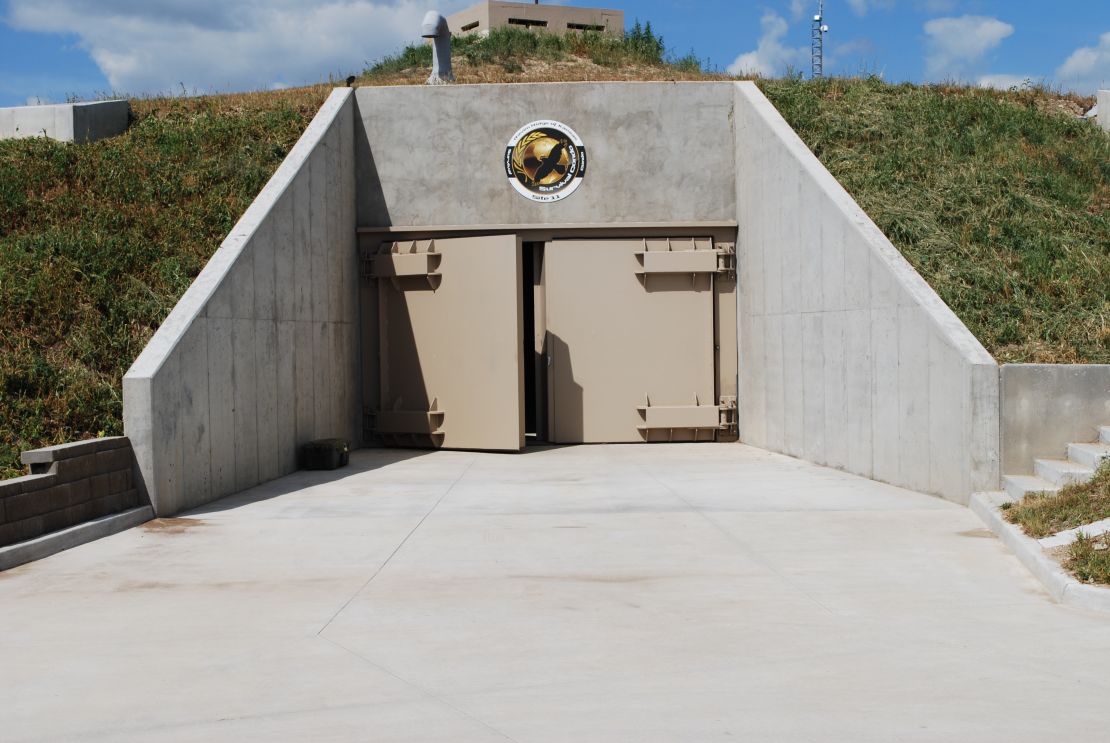
The primary difference between a DIY shelter and a professional luxury survival pod lies in the engineering. High-end bunkers utilize AR500 bulletproof steel, a material typically reserved for military vehicles and high-security government facilities. These shells are often reinforced with 8-inch thick concrete walls and designed to withstand tectonic shifts and significant blast pressures.
One of the most critical components is the air filtration system. Luxury pods almost exclusively utilize Swiss-made NBC filtration systems, capable of scrubbing the air of radioactive fallout, biological agents, and chemical toxins. These systems operate with a positive pressure seal, ensuring that contaminated outside air cannot leak into the living quarters.
Pro Tip: Maintenance Schedules Even the most advanced NBC filters have a shelf life. For optimal safety, HEPA and carbon filters should be inspected annually and typically replaced every 5 to 10 years, depending on the environment's humidity levels.
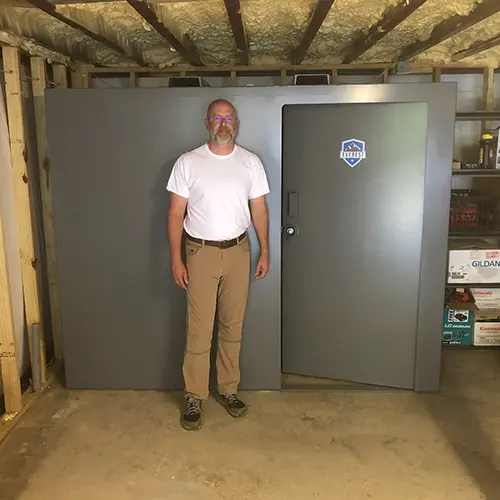
For those seeking the pinnacle of structural integrity, the Atlas Survival Shelters Platinum Series has become an industry benchmark. These units often feature 161-foot protective domes and gas-tight hatches that utilize double-redundant locking mechanisms. The engineering goal is "invisibility"—not just from the surface, but from the elements themselves.
Explore Atlas Platinum Series →
Smart Home Integration: The AI-Driven Subterranean Life
Living underground poses a unique psychological challenge: the loss of the natural day-night cycle. To combat this, luxury pods integrate sophisticated AI-driven lighting and climate systems. These "Smart Bunkers" utilize LED panels that simulate natural circadian rhythms, gradually changing hue and intensity from a soft morning glow to a cool midday blue, and finally a warm evening amber.
The automation extends to every facet of the pod:
- Perimeter Defense: AI-enhanced external cameras with thermal imaging and motion sensors provide a 360-degree view of the surface, accessible via tablet.
- Resource Monitoring: Real-time tracking of water filtration levels, battery bank reserves (often Tesla Powerwalls or similar lithium-ion systems), and oxygen levels.
- Communication: Integrated satellite links and hardened Wi-Fi arrays ensure that while you are physically isolated, you remain digitally connected to global news feeds and private networks.
The surge in sales is largely credited to this tech integration. Modern buyers are accustomed to "smart" living, and they expect their survival pods to be as intuitive as their primary residences.
Beyond Survival: The Five-Star Underground Lifestyle
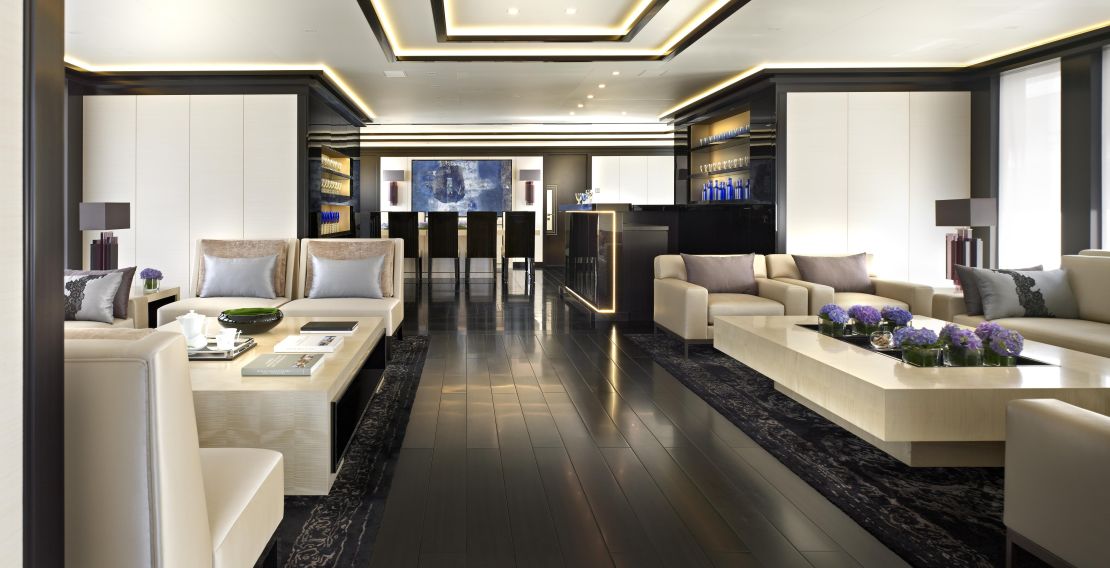
Once the technical "must-haves" are secured, the focus shifts to "want-haves." The interior of a $100,000+ pod looks nothing like a bunker. We are seeing a move toward high-end materials: polished granite countertops, stainless steel appliances, and bespoke cabinetry.
The most ambitious projects, such as Vivos Europa One in Germany or the Oppidum estates in the Czech Republic, offer amenities that rival five-star resorts. These include:
- Private Theaters: 4K laser projectors with soundproofing that doubles as acoustic insulation for the entire pod.
- Hydroponic Gardens: Automated vertical farming systems that provide fresh greens and fruits, doubling as a natural oxygen scrub.
- Wellness Suites: Compact gyms, saunas, and even "simulated view" windows that display high-definition footage of Alpine meadows or tropical beaches.
The use of modular units allows owners to expand their subterranean estates over time, adding "guest pods" or "hobby pods" (such as wine cellars or gun ranges) as their needs evolve.
View Vivos Global Shelter Networks →
The Cost of Peace of Mind: Tiers of the Bunker Market
The price of a survival pod is dictated by its depth, its "hardness" (blast resistance), and its life-support duration. While a simple backyard "panic room" might cost $10,000, a true luxury pod capable of supporting a family for six months starts closer to the $100,000 mark.
Below is a comparison of standard vs. luxury survival pod specifications:
| Feature | Standard Survival Pod | Luxury Smart Pod |
|---|---|---|
| Material | Corrugated Steel / Concrete | AR500 Bulletproof Steel / Reinforced Composites |
| Air Filtration | Basic HEPA Filter | Swiss NBC (Nuclear, Bio, Chem) System |
| Power Source | External Generator | Redundant Solar + Lithium Battery + Diesel Backup |
| Water Supply | Manual Pump / Storage Tank | Multi-stage UV & RO Filtration + Deep Well |
| Interior | Functional / Minimalist | Bespoke / High-end Finishes (Granite/LED) |
| Security | Manual Locks | AI-Integrated Biometrics & Perimeter Thermal |
| Cost Range | $20,000 – $60,000 | $100,000 – $10,000,000+ |
As projects expand to over 30 countries, the market has bifurcated. There is the "accessible luxury" segment—pre-fabricated modular pods that can be shipped and buried in a weekend—and the "bespoke compound" segment, which involves multi-year excavation and architectural design.
The Future of Subterranean Living
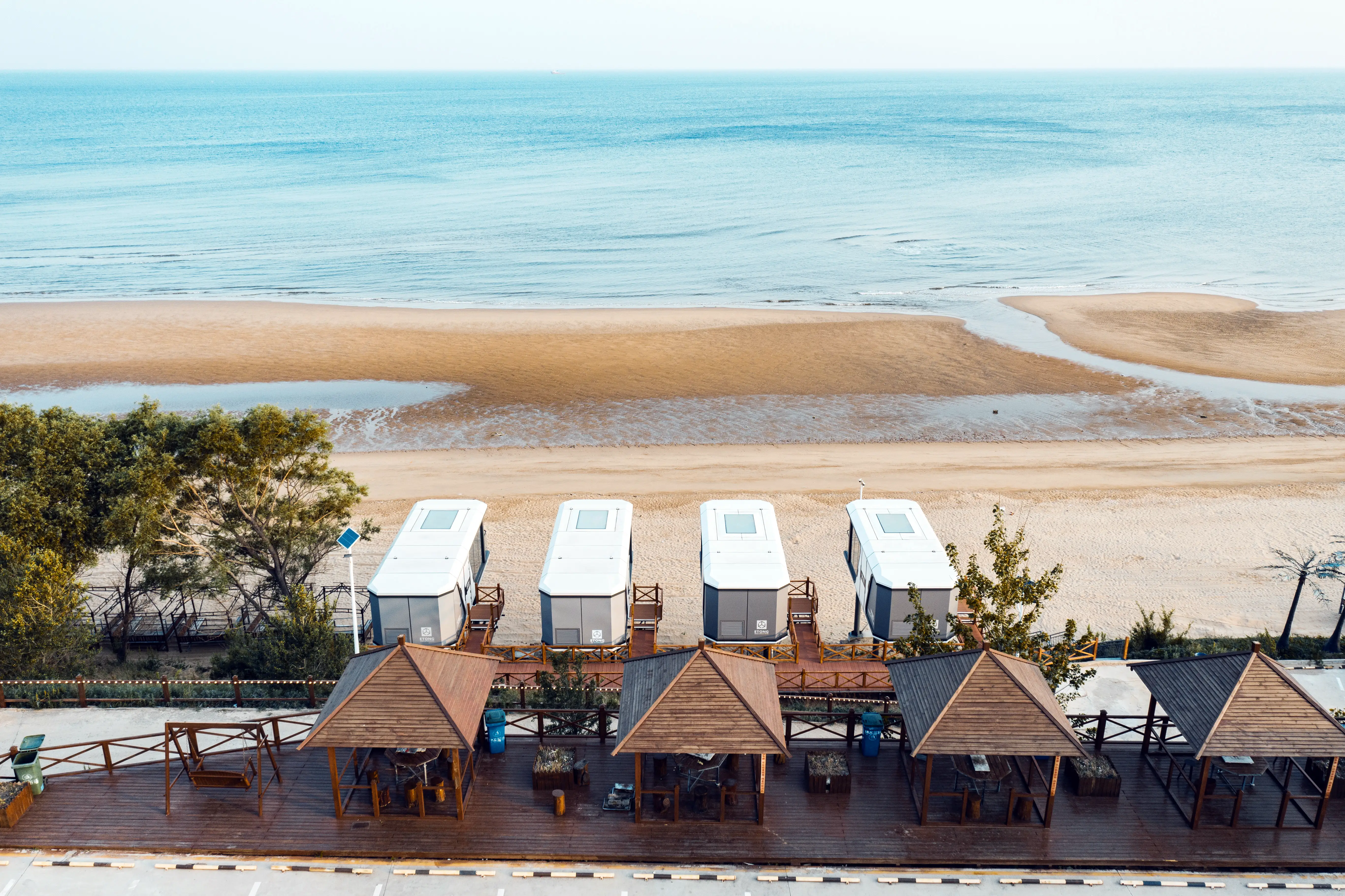
Looking toward 2026, the industry is moving toward even greater sustainability and "above-ground integration." We are seeing the rise of "green" bunkers that utilize geothermal heating and smart EV-tent air systems that can filter air for an entire garage of electric vehicles.
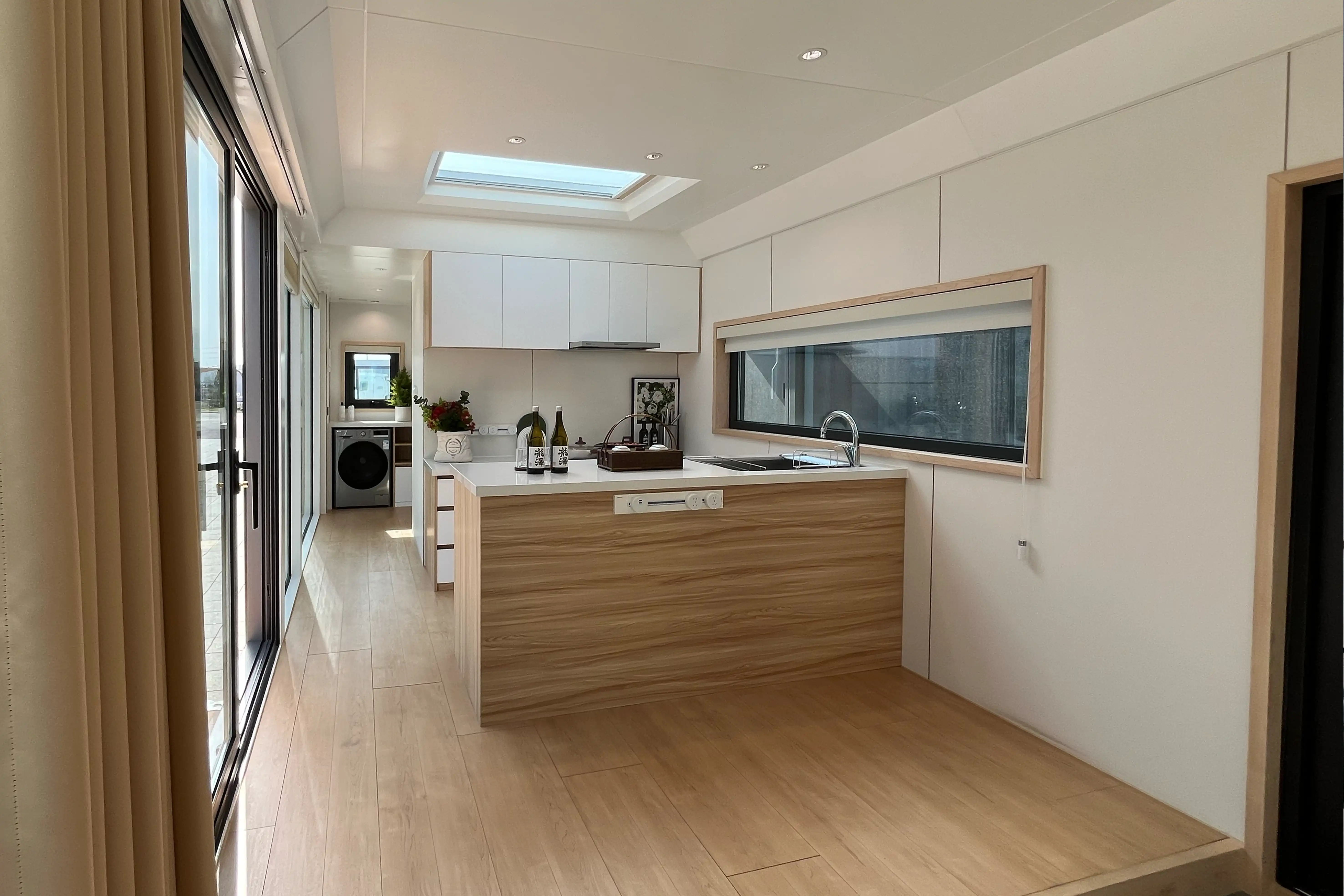
The prediction among industry analysts is a normalization of these structures. Much like a home security system or an insurance policy, a disaster shelter is becoming a standard line item in high-end suburban real estate developments. The next generation of survival housing includes modular units designed specifically for seismic activity and extreme weather resilience, allowing them to function as both a daily-use guest house and a crisis-time sanctuary.
FAQ
Q: Can a luxury survival pod really protect against a nuclear event? A: Yes, provided it is rated for "Nuclear" protection. This requires a specific depth (usually at least 10–20 feet of earth cover), a Swiss NBC filtration system to handle radioactive dust, and a blast-valve system to prevent the pressure wave from entering the ventilation pipes.
Q: How long can you stay underground in a luxury pod? A: Most high-end units are designed for a minimum of 3 to 6 months of total autonomy. However, pods equipped with hydroponic gardens and deep-well water access can theoretically sustain life for a year or more, provided power systems (solar/battery) remain functional.
Q: Is it possible to retrofit a regular basement into a smart survival pod? A: While you can add NBC filtration and AR500 steel plating to a basement, it is rarely as effective as a purpose-built subterranean shell. Basements are prone to flooding and structural collapse if the house above is destroyed. A true survival pod is a standalone "vessel" buried deep in the earth.
Are you ready to secure your future? Whether you are looking for a compact modular retreat or a grand subterranean estate, the world of luxury survival is evolving. Contact a specialist today to discuss your site’s geological viability and custom tech specs.