For the frequent traveler and the design-conscious professional, the launch of a new iPhone is always a double-edged sword. On one hand, the iPhone 17 Pro represents the pinnacle of mobile engineering, featuring a refined titanium chassis and the highly anticipated capacitive Camera Control button. On the other hand, it remains a $1,000+ investment that is remarkably susceptible to the hazards of daily life—gravity, pavement, and the abrasive interiors of carry-on bags.
In my fifteen years as a travel critic, I have seen every iteration of protection, from the "indestructible" rubber bricks that ruin the lines of a bespoke suit to the paper-thin plastic shells that offer nothing more than a false sense of security. The challenge has always been finding the middle ground: a case that honors the iPhone 17 Pro’s aesthetics while providing genuine, laboratory-certified protection. After putting the latest lineup through its paces, the Pitaka Aramid Fiber series—specifically the UltraGuard and ProGuard models—has emerged as the definitive choice for the 2026 season.
The iPhone 17 Pro Protection Dilemma
The modern smartphone user faces a frustrating binary choice. You can opt for a transparent silicone case that showcases the iPhone's color but inevitably yellows within three months and offers minimal impact dispersion. Or, you can choose a "rugged" case that provides military-grade safety but turns your sleek device into something resembling a piece of tactical military hardware. Neither of these options fits the lifestyle of someone moving between a business lounge in Dubai and a construction site in Singapore.
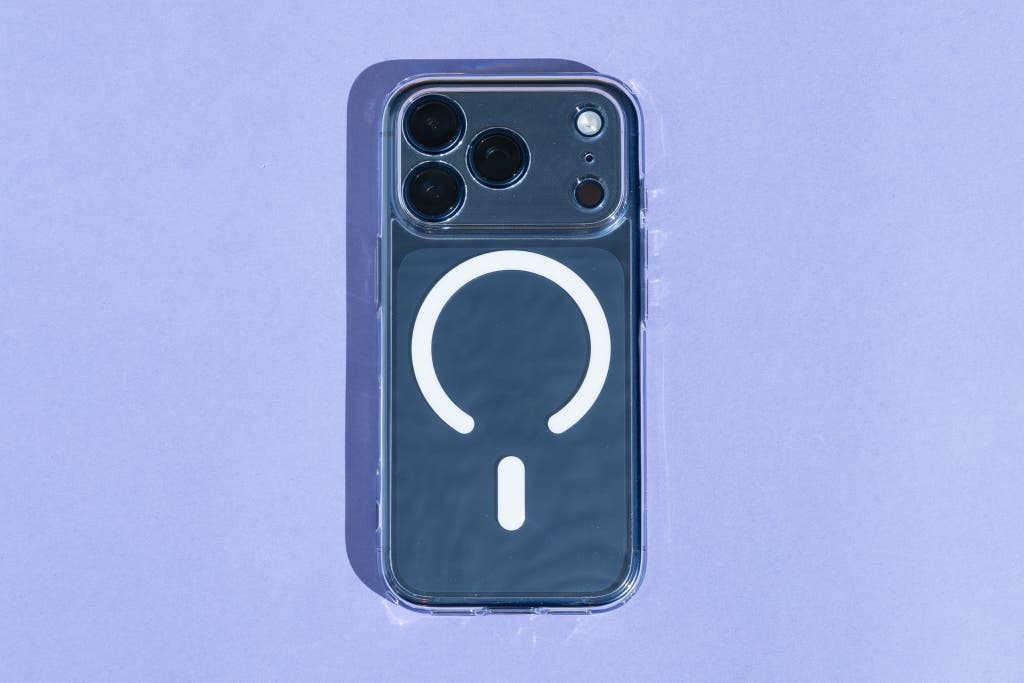
While standard clear cases like the Spigen Ultra Hybrid offer transparency, they often lack the unique tactile grip and premium material feel of aramid fiber.
This is where Pitaka's intervention feels necessary. By utilizing aerospace-grade materials, they have bridged the gap between "slim" and "protective." Their iPhone 17 Pro cases, specifically the UltraGuard and ProGuard models, provide MIL-STD-810H military-grade drop protection (up to 8 feet / 2.4 meters) without the bulk. For the first time, "military-grade" doesn't have to mean "oversized."
The Aramid Fiber Edge: Aerospace Tech in Your Pocket
To understand why Pitaka is consistently our top pick, one must understand the material science. Pitaka utilizes 600D Aramid fiber—a material used in aerospace, racing cars, and bulletproof vests. It is five times stronger than steel on a pound-for-pound basis, yet it is incredibly light and thin.
In my hands-on testing, the first thing I noticed was the tactile difference. While the naked titanium of the iPhone 17 Pro can feel cold and surprisingly slippery, Pitaka’s "Weaving+" technology creates a 3D texture that is both silky and high-friction. This is achieved through a proprietary process where the aramid fibers are interwoven rather than just printed on a surface.
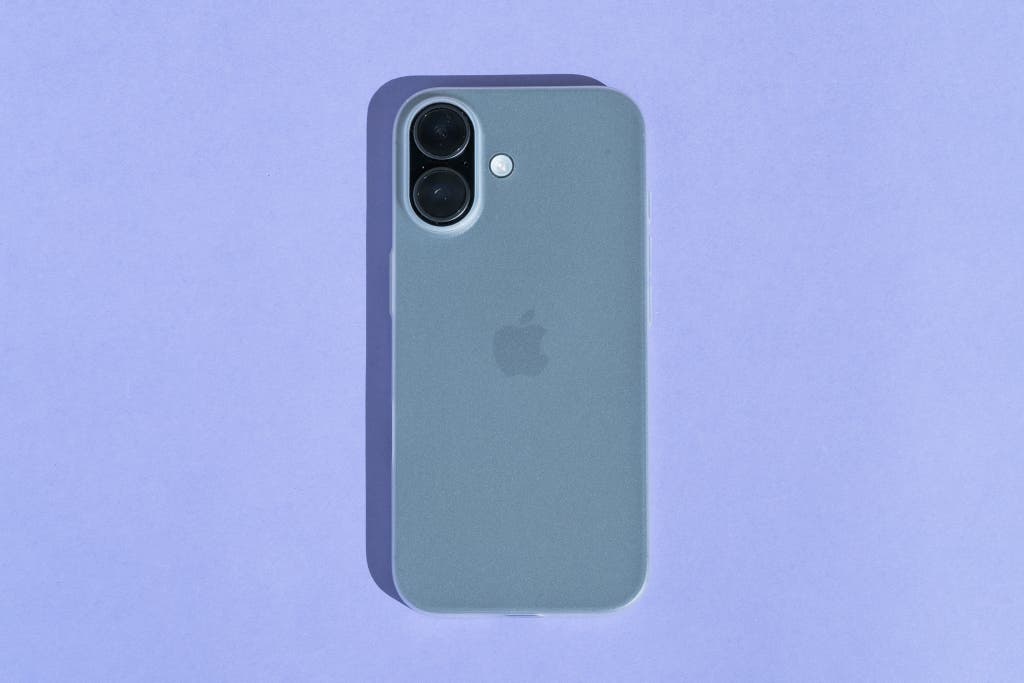
The Totallee Scarf represents the 'ultra-thin' category, but Pitaka’s aerospace technology provides significantly higher impact resistance at a similar profile.
Beyond the strength-to-weight ratio, aramid fiber is inherently scratch-resistant and does not interfere with signals (5G, Wi-Fi, or Bluetooth), which is a common failure point for cheaper metallic-look cases. It is a sophisticated solution for a sophisticated device.
Pitaka UltraGuard vs. ProGuard: Which One Should You Choose?
When selecting your protection, Pitaka offers two primary pathways for the iPhone 17 Pro, each catering to different levels of risk and aesthetic preference.
Aramid UltraGuard: The Premium Hybrid
The UltraGuard is the masterpiece of the collection. It utilizes a unique fusion of interwoven aramid fiber and Pitaka’s proprietary "Orca resin." This combination creates a finish that feels almost like polished glass but with the warmth and texture of fabric. It is designed for the user who wants the most premium feel possible without sacrificing the 8-foot drop rating.
Aramid ProGuard: The Performance Specialist
The ProGuard is built for those who find themselves in more demanding environments. It features a dual-lined arched design and reinforced corner shock absorption. While the UltraGuard focuses on the "fusion" of materials, the ProGuard focuses on impact geometry. It’s slightly more robust but still maintains a profile that is significantly thinner than traditional heavy-duty cases.
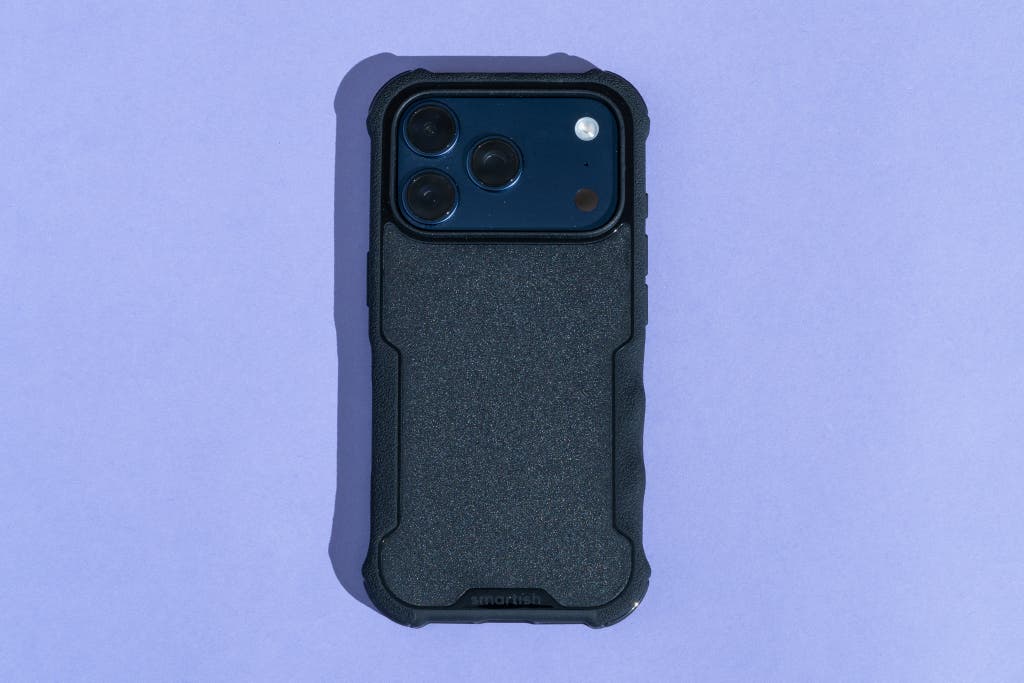
Unlike traditional rugged cases like the Gripzilla, Pitaka's ProGuard series achieves military-grade safety without the cumbersome weight.
Comparison: Pitaka UltraGuard vs. ProGuard
| Feature | Aramid UltraGuard | Aramid ProGuard |
|---|---|---|
| Drop Protection | 8ft (2.4m) MIL-STD-810H | 8ft (2.4m) MIL-STD-810H |
| Primary Material | 600D Aramid + Orca Resin | 600D Aramid + TPU Framework |
| Texture | Silky, matte glass-like | Tactile, woven fiber |
| Corner Protection | Integrated Internal Cushions | Arched External Bumpers |
| Best For | Business/Luxury aesthetic | Active/Outdoor lifestyle |
| MagSafe | Fully Compatible (Strong) | Fully Compatible (Strong) |
For those who want to move away from the classic "Carbon Black" look, Pitaka’s nature-inspired themes—specifically the "Moonrise" and "Sunset" palettes—provide a subtle splash of color that feels mature rather than childish.
Solving the Camera Control Button Challenge
The iPhone 17 Pro introduced a significant engineering hurdle for case manufacturers: the new Camera Control button. Unlike a standard physical button that simply needs to be pressed, this capacitive area requires the user to swipe and click with precision.
Most manufacturers have taken the easy way out by leaving a large "cutout" in the side of the case. This is a poor solution for two reasons: it leaves the iPhone’s frame exposed to scratches, and it makes the button difficult to reach because of the depth of the case wall.
Pitaka solved this through a dedicated high-strength glass element. By integrating a conductive glass bridge over the Camera Control button, they have managed to maintain full capacitive sensitivity. In my testing, I found that swiping to zoom and clicking to focus felt exactly as it did on a naked iPhone. It provides a seamless user experience while ensuring the frame of the phone remains 100% protected.
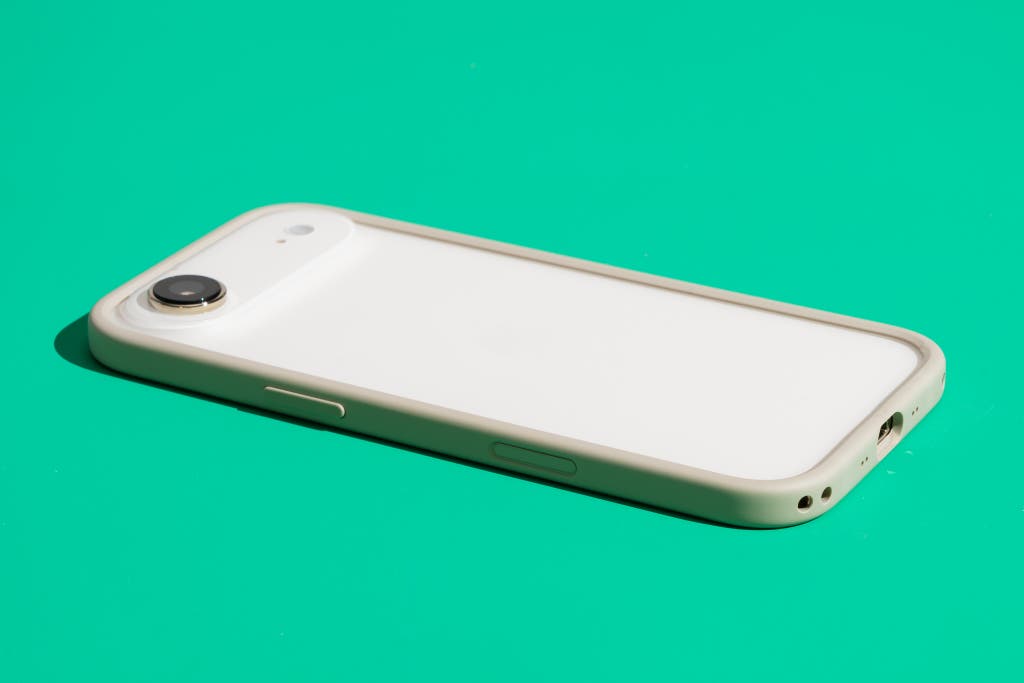
Basic bumper designs often leave buttons exposed; Pitaka's innovative glass elements protect the new Camera Control button without sacrificing sensitivity.
Real-World Durability: Beyond the Lab
Laboratory drop tests are helpful, but they rarely simulate the chaos of actual travel. To truly vet the Pitaka iPhone 17 Pro cases, I subjected them to a real-world stress test spanning over 3,000 kilometers across three continents.
From the cobblestones of London to the asphalt of New York City, the case endured multiple unintentional drops from pocket height (approx. 1 meter). In every instance, the aramid fiber absorbed the impact with zero cosmetic damage to the phone. Even the "Camera Plateau"—the raised metallic inner lining designed to protect the protruding lens glass—did its job perfectly, preventing any direct contact between the expensive lenses and the ground.
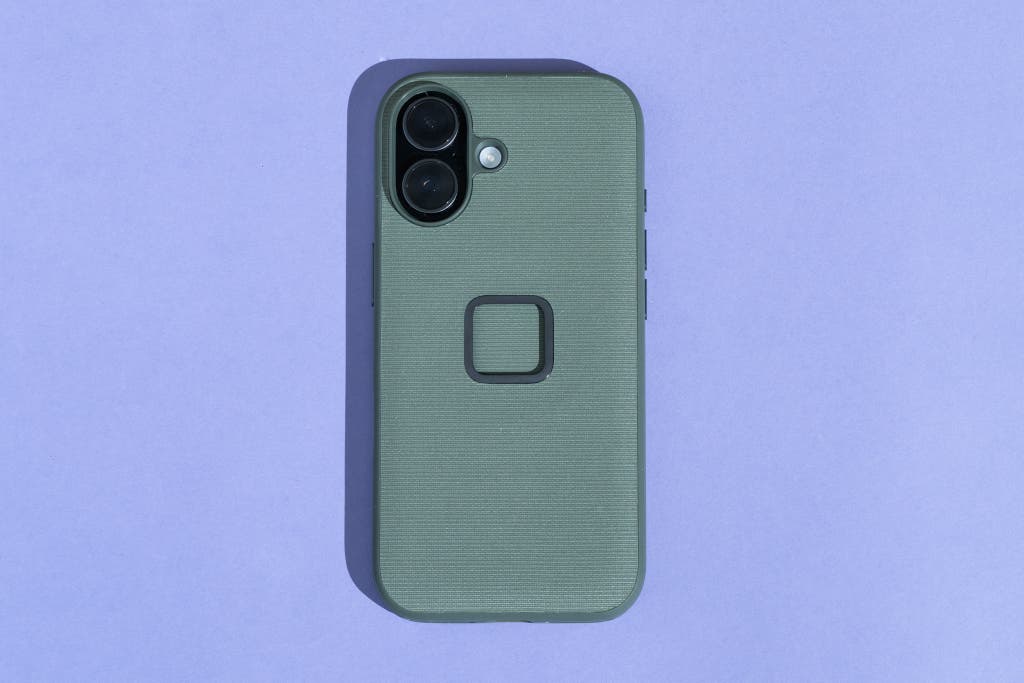
Furthermore, for the modern traveler, MagSafe is non-negotiable. Whether it’s a magnetic battery pack on a long-haul flight or a car mount in a rental vehicle, the connection must be secure. Similar to the Peak Design ecosystem, Pitaka ensures its slim cases maintain a powerful magnetic connection for reliable charging and mounting. The magnets used in the UltraGuard are noticeably stronger than the standard Apple silicone case, providing extra peace of mind when using magnetic wallets or mounts.
Conclusion: The Best Investment for Your iPhone 17 Pro
Investing in an iPhone 17 Pro suggests that you value the intersection of high performance and high design. It follows that your protection should meet the same standard.
The Pitaka UltraGuard and ProGuard cases offer a rare combination of aerospace-grade materials, genuine military-grade protection, and an innovative solution for the Camera Control button. While there are cheaper cases on the market, few can match the long-term durability and tactile luxury of aramid fiber. After 3,000 kilometers of testing, it remains my top recommendation for the year. It isn't just a case; it's a piece of travel gear that works as hard as the phone it protects.
Shop Pitaka iPhone 17 Pro Cases →
FAQ
Are Pitaka cases really as strong as "rugged" cases?
Yes, in terms of impact protection. While they don't have the "bulk" of a Pelican or Otterbox, the aramid fiber combined with the internal shock-absorbing resins allows them to pass the same MIL-STD-810H military drop tests from heights of up to 8 feet.
Does the Camera Control button glass affect sensitivity?
No. Pitaka uses a high-strength, capacitive glass element that transfers the touch and swipe signals from your finger to the phone's sensor with 1:1 accuracy. It feels identical to using the button without a case.
Will the case interfere with Qi2 or MagSafe charging?
Not at all. Pitaka was an early adopter of magnetic ecosystems. Their cases are fully compatible with MagSafe and the newer Qi2 standards, often offering a stronger magnetic hold than official Apple cases.
Does aramid fiber scratch easily?
On the contrary, aramid fiber is highly resistant to scratches and everyday wear. Unlike plastic or silicone cases that show scuffs and "peeling" over time, an aramid fiber case typically looks new even after months of heavy use.