Quick Facts
- Connectivity Protocol: Wireless Apple CarPlay utilizes Bluetooth only for the initial discovery and "handshake," but shifts to a dedicated Wi-Fi connection for all media and interface data.
- Bandwidth Capacity: CarPlay requires a throughput of up to 480 Mbps—240 times the capacity of standard automotive Bluetooth Low Energy (2 Mbps).
- No Subscription Required: While CarPlay uses Wi-Fi, it does not require a paid vehicle hotspot or cellular data plan; it creates a local, private network between your iPhone and the car.
- Latency Reduction: Switching to a Wi-Fi-based architecture reduces audio and input latency by approximately 85% compared to traditional Bluetooth streaming.
Most modern drivers assume that because their phone "pairs" with their car via the Bluetooth menu, the wireless experience is powered entirely by that same technology. However, as any automotive engineer will tell you, Bluetooth is the "scout," but Wi-Fi is the "heavy lifter." The transition from wired to wireless CarPlay was not a simple software update; it required a fundamental shift in how vehicles manage local data. Understanding why your car requires an active Wi-Fi module—even if you don't pay for a monthly data plan—is essential for troubleshooting connection drops and optimizing your in-car experience.
The Common Myth: Isn't Bluetooth Enough?
The assumption that Bluetooth should handle CarPlay is logical but technically flawed. Bluetooth was designed for low-power, low-bandwidth tasks: transmitting a voice signal for a phone call or streaming a compressed audio file. It excels at maintaining a connection while consuming minimal battery. However, Apple CarPlay is not just a "streaming service"; it is a dynamic, high-resolution video feed of your iPhone’s interface, synchronized with multi-channel audio and real-time GPS data.
SEO Direct Answer: Wireless Apple CarPlay uses Bluetooth solely for the initial pairing 'handshake,' but immediately switches to a Wi-Fi connection for all data transmission because Bluetooth lacks the bandwidth to handle media streaming and navigation simultaneously.
When you plug your phone into a USB port for wired CarPlay, the data travels at speeds up to 480 Mbps (USB 2.0 standard). To replicate that experience without a cable, Apple had to find a wireless pipe that could match that throughput. Bluetooth Low Energy (LE) peaks at roughly 2 Mbps. Trying to run CarPlay over Bluetooth would be like trying to power a fire hose with a drinking straw.
Bandwidth Breakdown: The 480 Mbps Requirement
To understand the "Why," we must look at the "What." CarPlay is a "data monster" because it performs several high-intensity tasks at the same time. While you are driving, your car's head unit is receiving a constant stream of H.264 or HEVC video frames to render the map, while simultaneously receiving high-fidelity audio streams and background data for Siri and notifications.
| Feature | Bluetooth LE Capacity | Wi-Fi (CarPlay) Requirement | Bandwidth Gap |
|---|---|---|---|
| Data Throughput | ~2 Mbps | Up to 480 Mbps | 240x Increase |
| Audio Quality | Compressed/Lossy | High-Fidelity/Lossless | Significant |
| Latency | 150ms - 250ms | ~20ms - 30ms | 85% Improvement |
| Video Stream | Not Supported | 60 FPS H.264/HEVC | Required |

The 480 Mbps requirement ensures that when you tap "Next Track" on your steering wheel, the song changes instantly. It ensures that the navigation cursor on your screen moves smoothly rather than teleporting across the map. Without the bandwidth provided by the car's internal Wi-Fi hub, the system would suffer from debilitating lag, making the interface unusable for real-time navigation.
The Connectivity Handshake: Step-by-Step Process
The transition from your pocket to your dashboard happens in a matter of seconds, but it involves a complex "handshake" protocol. This three-step process is why you might notice your Bluetooth icon "connected" first, followed by your phone’s Wi-Fi indicating it is "busy" or connected to a network without internet.
- Step 1: Bluetooth Discovery: As you enter the vehicle, the car's head unit uses Bluetooth to find your iPhone. This "scout" signal consumes very little power and is always looking for a known device.
- Step 2: The Handshake & Credentials: Once discovered, the devices exchange security certificates and Wi-Fi credentials (SSID and password) over the Bluetooth connection. This is the "agreement" to start a high-speed session.
- Step 3: Wi-Fi Takeover: The Bluetooth connection is relegated to a background standby mode. The iPhone joins the car’s private Wi-Fi network, and the "heavy lifting" of the CarPlay interface begins.
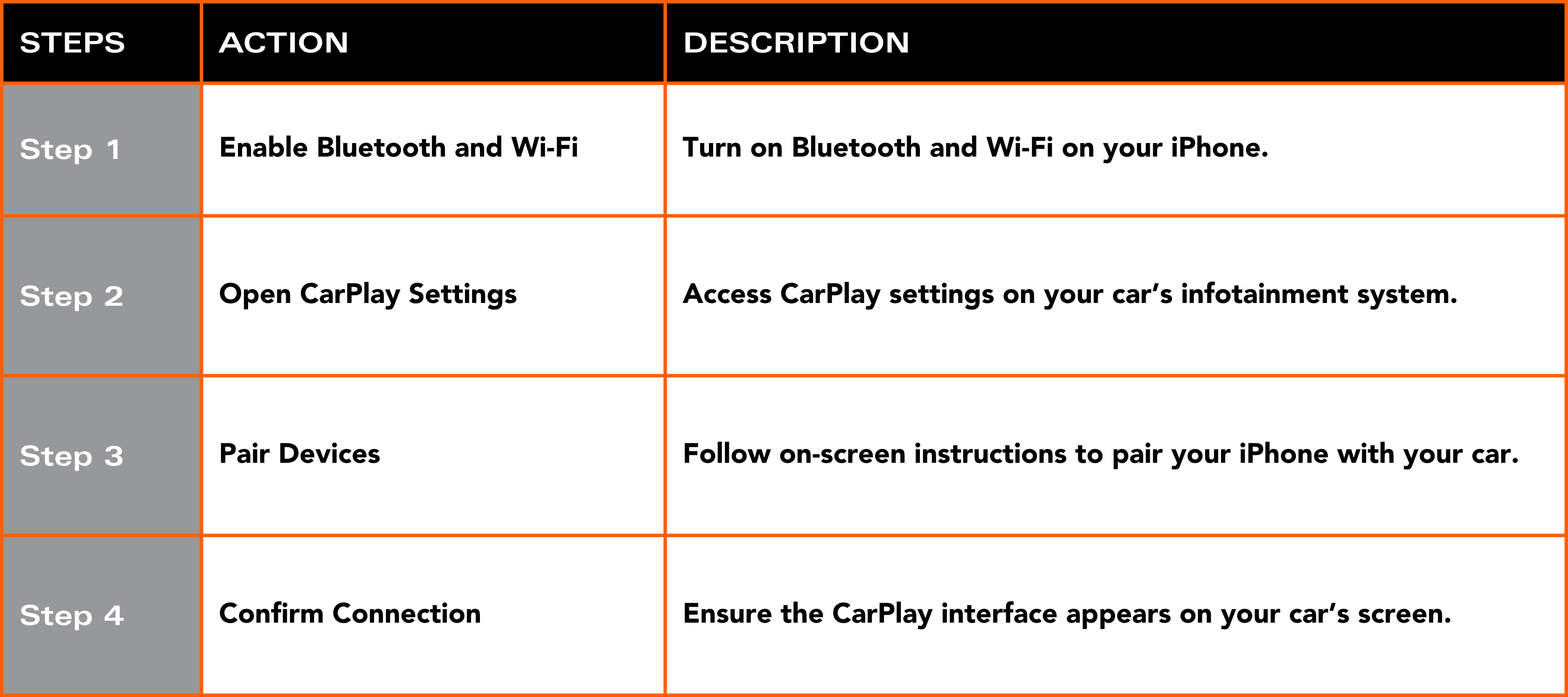
This is why, if you manually turn off Wi-Fi on your iPhone while driving, Wireless CarPlay will immediately crash. The Bluetooth connection remains, but the data pipe has been severed.
Clarifying the 'Hotspot' Misconception
One of the most frequent complaints I hear from travelers is the fear of hidden costs. Many believe that "CarPlay Wi-Fi" means they need to pay for a monthly vehicle data plan from providers like AT&T or Verizon. This is a fundamental misunderstanding of the hardware.
SEO Direct Answer: No, you do not need a paid vehicle Wi-Fi hotspot plan for Wireless CarPlay; it uses a closed-loop Wi-Fi connection between your iPhone and the car's head unit to transmit screen and audio data.
Modern cars have a Wi-Fi chip that functions in two ways:
- Ad-hoc/Closed-loop: A private bridge between the phone and the car. This is free and used specifically for CarPlay/Android Auto.
- External Hotspot: Providing internet to passengers' iPads or laptops. This requires a subscription.
Wireless CarPlay uses your iPhone’s cellular data for the actual internet (Spotify, Google Maps, Apple Music) and uses the car's Wi-Fi hardware simply as a wireless "cable" to project that data onto the dashboard.
Performance Perks: Why Wi-Fi Wins
Beyond the sheer volume of data, Wi-Fi provides a superior user experience through reduced latency. In my testing across various vehicle segments—from luxury SUVs to budget hatchbacks—the difference in responsiveness between standard Bluetooth audio and CarPlay Wi-Fi is night and day.
Data suggests an 85% reduction in audio latency when using a Wi-Fi-based connection. When you are following navigation prompts in a dense urban environment like London or New York, a two-second delay in "Turn Left Now" can result in a missed exit. Wi-Fi ensures that the audio cue and the visual icon on the screen are perfectly synchronized in real-time. Furthermore, Wi-Fi allows for the transmission of higher-bitrate album art and smoother transition animations that Bluetooth simply cannot render.
Optimizing Your Wireless Experience
While the wireless experience is undeniably convenient, it is not without its costs—primarily battery life. Transmitting 480 Mbps of data via Wi-Fi while simultaneously running GPS and cellular radios is an intensive task for any iPhone.
To maintain a stable connection and prevent your phone from overheating or dying mid-trip, I recommend focusing on two key areas: Battery Management and Signal Integrity.
- Wireless Charging is Essential: If your car supports Wireless CarPlay but lacks a wireless charging pad, you are essentially trading a data cable for a power cable. For the truly wireless experience, a high-quality MagSafe-compatible mount is the best investment you can make.
- Optimal Placement: The Wi-Fi signal between your phone and the head unit can be affected by physical obstructions. Keeping your phone in a secure, unobstructed mount rather than buried in a bag or a deep center console can prevent "stuttering" in the audio.
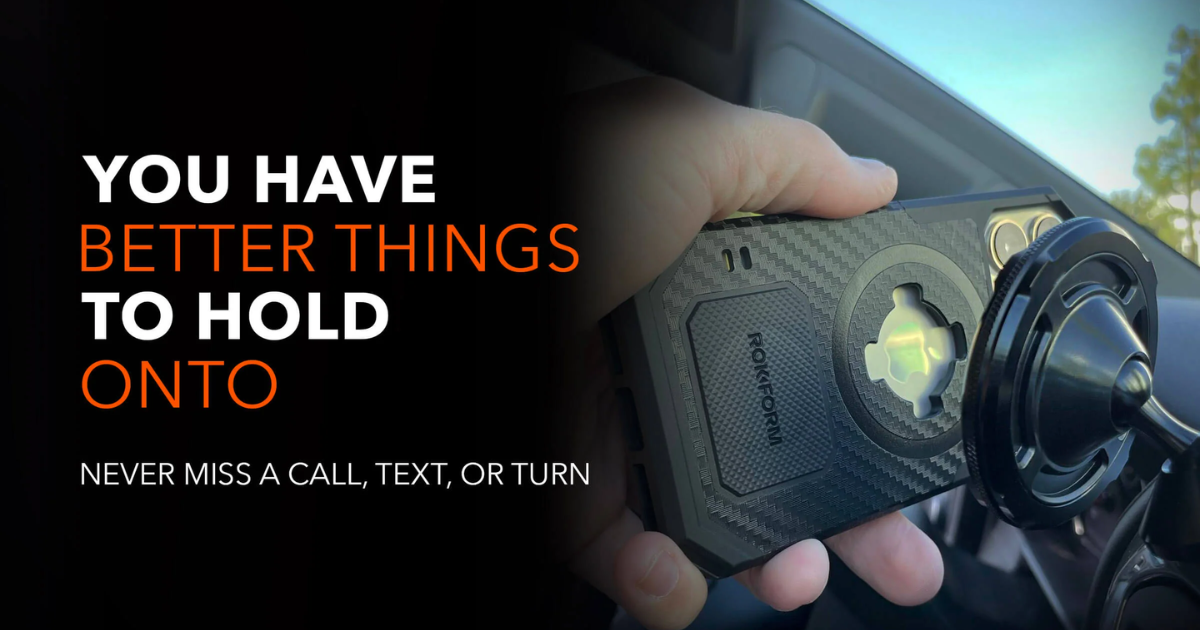
For owners of older vehicles that lack built-in wireless capabilities, the aftermarket has provided a solution. Wireless CarPlay adapters plug into your car’s existing USB port and act as the Wi-Fi bridge your car's factory hardware lacks.

Explore High-Performance Phone Mounts →
Troubleshooting Common Connection Drops
Despite the advanced technology, wireless systems can occasionally fail. Most issues are not hardware failures but "handshake" glitches or environmental interference.
- Urban Dead Zones: In areas with high electromagnetic interference (like near toll booths or major power lines), the 5GHz Wi-Fi signal used by CarPlay can momentarily drop. This is usually environmental and will resolve once you move a few hundred yards.
- The 'Forget and Re-pair' Strategy: If your phone refuses to connect, the most effective fix is to go into both your iPhone's Bluetooth settings and the car's infotainment settings and "Forget" the device. Re-initiating the Bluetooth handshake usually clears any cached credential errors.
- VPN Interference: If you use a VPN on your iPhone, it can sometimes block the ad-hoc Wi-Fi connection CarPlay requires. Try disabling your VPN if you experience persistent connection issues.
FAQ
Q: Can I use CarPlay if my car's Wi-Fi signal is weak? A: The "Wi-Fi signal" for CarPlay is generated by the car itself, usually just inches or feet from your phone. Unless there is a hardware fault in the head unit, the signal strength is rarely the issue; interference from other devices is a more common culprit.
Q: Why does my phone get so hot when using Wireless CarPlay? A: Your phone is simultaneously using its cellular radio for data, its GPS radio for location, and its Wi-Fi radio to stream high-resolution video to your dashboard. This is one of the most resource-intensive tasks a smartphone can perform.
Q: Does Wireless CarPlay use more data than wired? A: No. The amount of cellular data used for your maps and music remains the same. The "extra" data is simply the local transmission between your phone and the car's screen.
Conclusion
The shift to Wireless Apple CarPlay represents a significant leap in automotive convenience, but it is a leap powered by Wi-Fi, not Bluetooth. By understanding that Bluetooth is merely the "key" that starts the engine and Wi-Fi is the "fuel" that keeps the interface running, drivers can better troubleshoot issues and appreciate the massive amount of data being moved through the air every second. For the best experience, ensure your phone has a clear line of sight to the dashboard and remains powered via a wireless charger—letting the technology handle the heavy lifting while you focus on the road.