For more than five decades, the Toyota Corolla has been the silent engine of global mobility. With over 50 million units sold across 12 generations, it has historically prioritized utility over emotion and reliability over rhythm. However, the unveiling of the latest concept at the Japan Mobility Show 2025 signals a seismic shift in Toyota’s engineering philosophy. Moving away from the "appliance" reputation that has long defined the nameplate, the next-generation Corolla appears to be the most aggressive manifestation yet of Chairman Akio Toyoda’s "no more boring cars" directive. As a travel critic who has navigated thousands of miles in rental Corollas from Reykjavik to Cape Town, I view this evolution not just as a facelift, but as a fundamental redesign of the world's most successful compact car.
The Design Evolution: From Concept to Reality
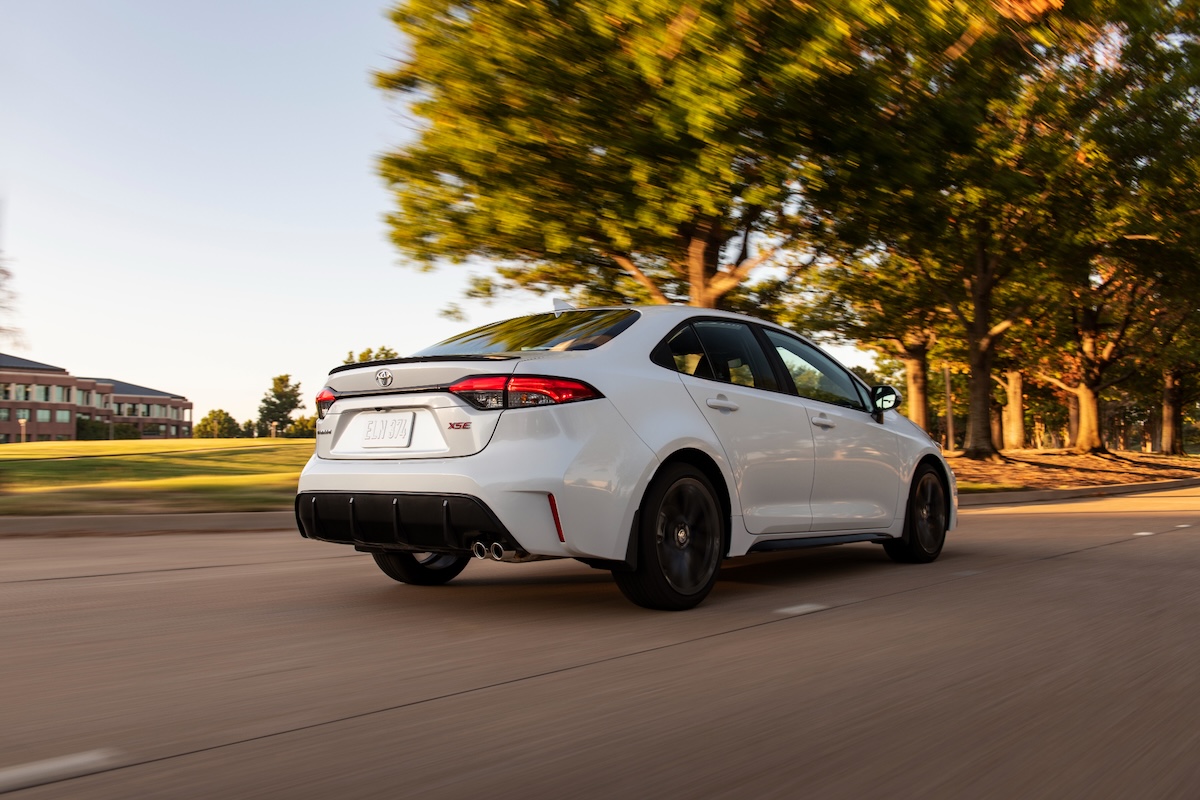
The visual language of the new Corolla concept is a radical departure from the soft, rounded edges of the current 12th-generation model. The front fascia adopts the "hammerhead" styling recently introduced on the Prius and the Crown, characterized by sharp, C-shaped LED headlamps and a slim upper grille that emphasizes the vehicle's width. The fenders are notably more flared, suggesting a wider track that should theoretically improve high-speed stability and cornering—a welcome change for those of us who find the current model slightly disconnected on winding coastal roads.
One of the most striking features of the concept is the use of pixelated light bars at the rear, a design cue that lends the car a futuristic, digital-first aesthetic. This isn't just for show; the aerodynamics of the new silhouette are designed to reduce drag significantly. By lowering the hood line—a feat made possible by the downsized engine—Toyota engineers have achieved a more wedge-like profile that cuts through the air with greater efficiency.
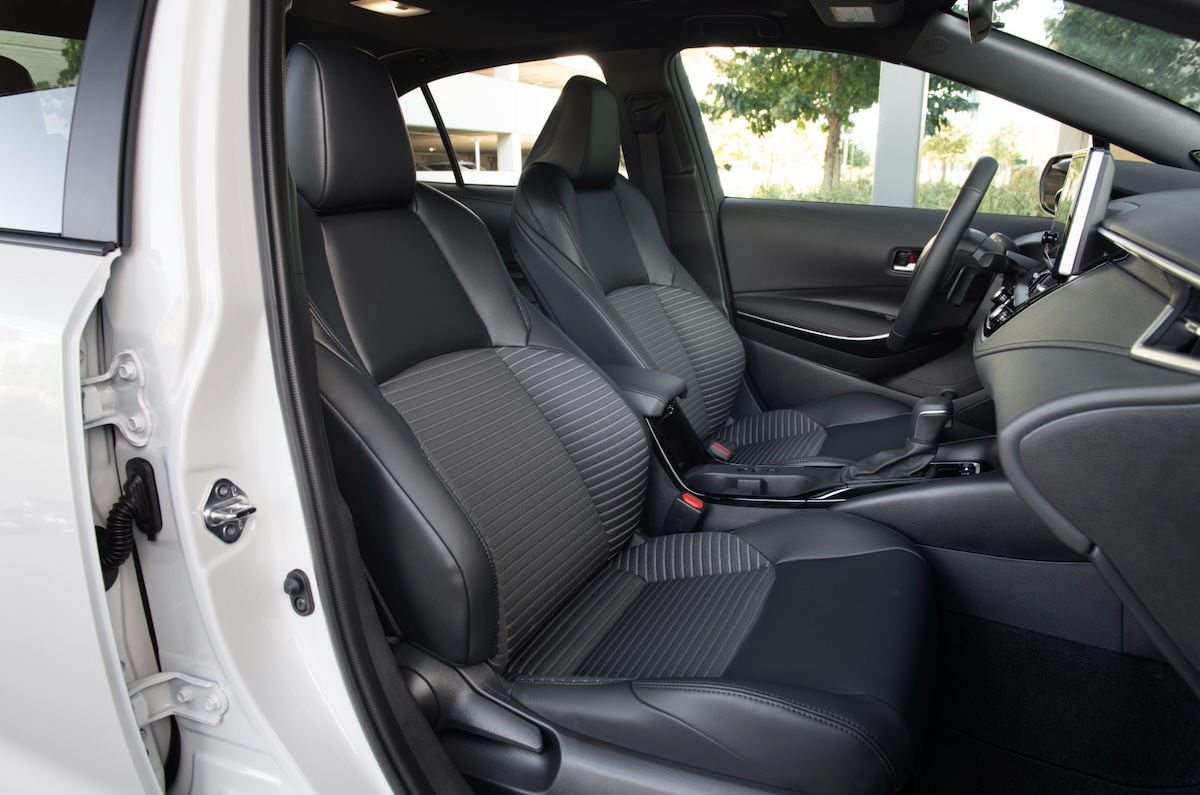
Inside, the philosophy shifts toward "spatial optimization." By leveraging a more compact powertrain, Toyota has managed to maximize the cabin's volume without increasing the car's exterior footprint. The dashboard is lower and more horizontal, which, combined with an expansive windshield, offers panoramic visibility. The interior materials have transitioned from standard plastics to earth-tone fabrics and recycled composites that maintain a premium, tactile feel while adhering to modern sustainability standards.
Next-Gen Power: The Compact 1.5L Hybrid
The most significant updates reside beneath the sheet metal. For years, the automotive industry has debated whether the future is purely electric or a hybrid bridge. Toyota’s answer with the 2026 Corolla is "powertrain agnostic." The new chassis is designed to support battery electric (BEV), plug-in hybrid (PHEV), traditional hybrid (HEV), and internal combustion engine (ICE) configurations. This flexibility allows Toyota to deploy the Corolla in markets with varying levels of charging infrastructure.
At the heart of the 2026 model is a revolutionary 1.5-liter inline-four hybrid engine. While downsizing often raises concerns regarding performance, the technical data suggests otherwise:
- Power Output: The next-generation compact powertrain outputs 134 horsepower in its base hybrid configuration, providing a peppier response than the current entry-level units.
- Fuel Efficiency: This new engine architecture achieves a 10% to 20% improvement in fuel economy compared to current Toyota powerplants of the same displacement.
- Thermal Efficiency: By optimizing the stroke and combustion cycle, the 1.5L engine operates at higher thermal efficiency, reducing carbon emissions without sacrificing the range that long-distance travelers require.
This powertrain isn't just about the numbers; it’s about packaging. The engine is shorter and smaller, which reduces the engine bay footprint. This allows for the aforementioned lower hood line and provides more "crush space," which improves pedestrian safety and front-impact ratings.
2026 Toyota Corolla Production Specs & Trims
While the concept car showcases the extreme possibilities, the production version expected in 2026 will likely be organized into three familiar trim levels: the LE (Value), SE (Sport), and XSE (Premium). Each trim will see a significant uplift in standard technology, addressing one of the few persistent criticisms of the current Corolla: its aging infotainment suite.
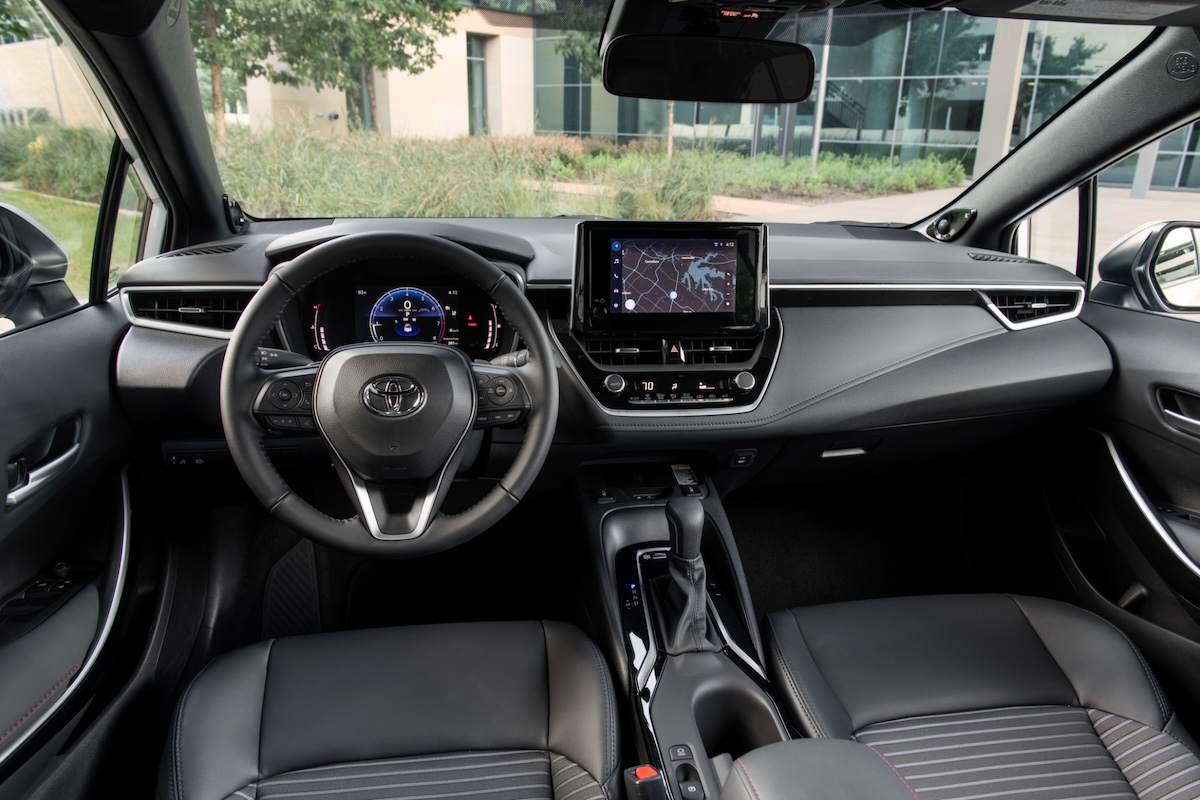
The 2026 Corolla will feature a new digital cockpit design. For the LE and SE trims, a 7-inch digital gauge cluster will be standard, providing clear telemetry and safety alerts. The XSE will receive a fully immersive 12.3-inch digital display that can be customized to show navigation, media, or hybrid energy flow.
In terms of the central interface, the car will move to Toyota’s latest Audio Multimedia system. The standard screen will be an 8-inch unit, but higher trims or optional packages will offer a 12.3-inch infotainment display with significantly improved resolution and touch response. Connectivity is bolstered by standard wireless Apple CarPlay and Android Auto across the entire lineup, alongside a dedicated Wi-Fi Hotspot capability—a must-have for modern travel.
Performance Comparison: Corolla vs. The Competition
To understand where the 2026 Corolla sits in the current landscape, we must compare it against its traditional rivals. While the Corolla concept focuses on efficiency through downsizing, competitors like the Honda Civic and Subaru Impreza are taking slightly different approaches to the compact segment.
| Feature | 2026 Toyota Corolla (Est.) | 2026 Honda Civic | 2025 Subaru Impreza |
|---|---|---|---|
| Engine | 1.5L Hybrid / ICE | 2.0L / Hybrid | 2.0L Boxer |
| Horsepower | 134 - 169 hp | 150 - 200 hp | 152 hp |
| Fuel Economy (Combined) | 50+ MPG (Hybrid) | 49 MPG (Hybrid) | 30 MPG |
| Standard Screen | 8.0-inch | 7.0-inch | 7.0-inch |
| Drive Type | FWD / AWD (Electronic) | FWD | AWD (Symmetrical) |
The Corolla’s primary advantage remains its hybrid efficiency. While the Civic Hybrid is a formidable competitor with slightly higher horsepower, Toyota’s new 1.5L engine is expected to reclaim the crown for pure fuel economy, likely exceeding 50 MPG in combined city/highway driving. For travelers who frequently rent cars for long road trips, the Corolla’s range—potentially exceeding 600 miles on a single tank—remains its "killer app."
Safety First: Toyota Safety Sense 3.0
Toyota has always treated safety as a non-negotiable standard rather than an optional luxury. The 2026 Corolla will be equipped with Toyota Safety Sense (TSS) 3.0. This suite uses a combination of camera and radar sensors with enhanced detection ranges to mitigate accidents before they happen.
Standard features across all trims will include:
- Pre-Collision System with Pedestrian Detection: Now enhanced to detect motorcyclists and bicyclists in low-light conditions.
- Lane Tracing Assist: Provides steering inputs to help keep the vehicle centered in its lane when the Dynamic Radar Cruise Control is active.
- Proactive Driving Assist: A newer feature that provides gentle braking or steering to help the driver maintain distance between a preceding vehicle or a curve in the road.
- Blind Spot Monitor and Rear Cross-Traffic Alert: Historically reserved for higher trims, these are expected to become standard or highly accessible across the 2026 range.
Frequently Asked Questions (FAQ)
What is the expected release date for the 2026 Toyota Corolla? While Toyota has not officially confirmed a date, industry analysts expect the production version of the new Corolla to debut in late 2025, with units hitting North American and European showrooms in the first quarter of 2026.
Will there be an all-electric Corolla? The "powertrain agnostic" platform is designed to support a battery-electric version. However, Toyota is likely to lead with Hybrid and Plug-in Hybrid models first, with a full BEV version potentially following as a mid-cycle update or a regional-specific release.
How much will the 2026 Toyota Corolla cost? Given the technological and mechanical upgrades, a slight price increase is expected. Estimated starting prices for the LE trim are likely to begin around $23,500, with the fully-loaded XSE Hybrid approaching the $30,000 mark.
Conclusion: The New Standard for Global Travel
As a travel critic, I evaluate vehicles based on their ability to fade into the background when you're focusing on the destination, yet perform flawlessly when the road demands it. The 2026 Toyota Corolla, based on the Japan Mobility Show reveal, appears to be evolving from a "safe choice" into a "desirable choice."
The combination of a 134 hp output from a highly efficient 1.5L engine, a 20% improvement in fuel economy, and a design that finally captures the imagination makes the next-gen Corolla a formidable contender for the best compact car of the decade. For those looking for a reliable, tech-forward, and exceptionally efficient travel companion, the wait for 2026 will be well worth it.