Quick Facts
- Starting Price: $599 for the 17e compared to $799 for the standard 17
- Display Technology: 6.1-inch 60Hz OLED with a Notch (17e) vs 6.3-inch 120Hz ProMotion with Dynamic Island (17)
- Processor: Both feature the A19 Bionic chip, though the 17e uses a version with fewer GPU cores
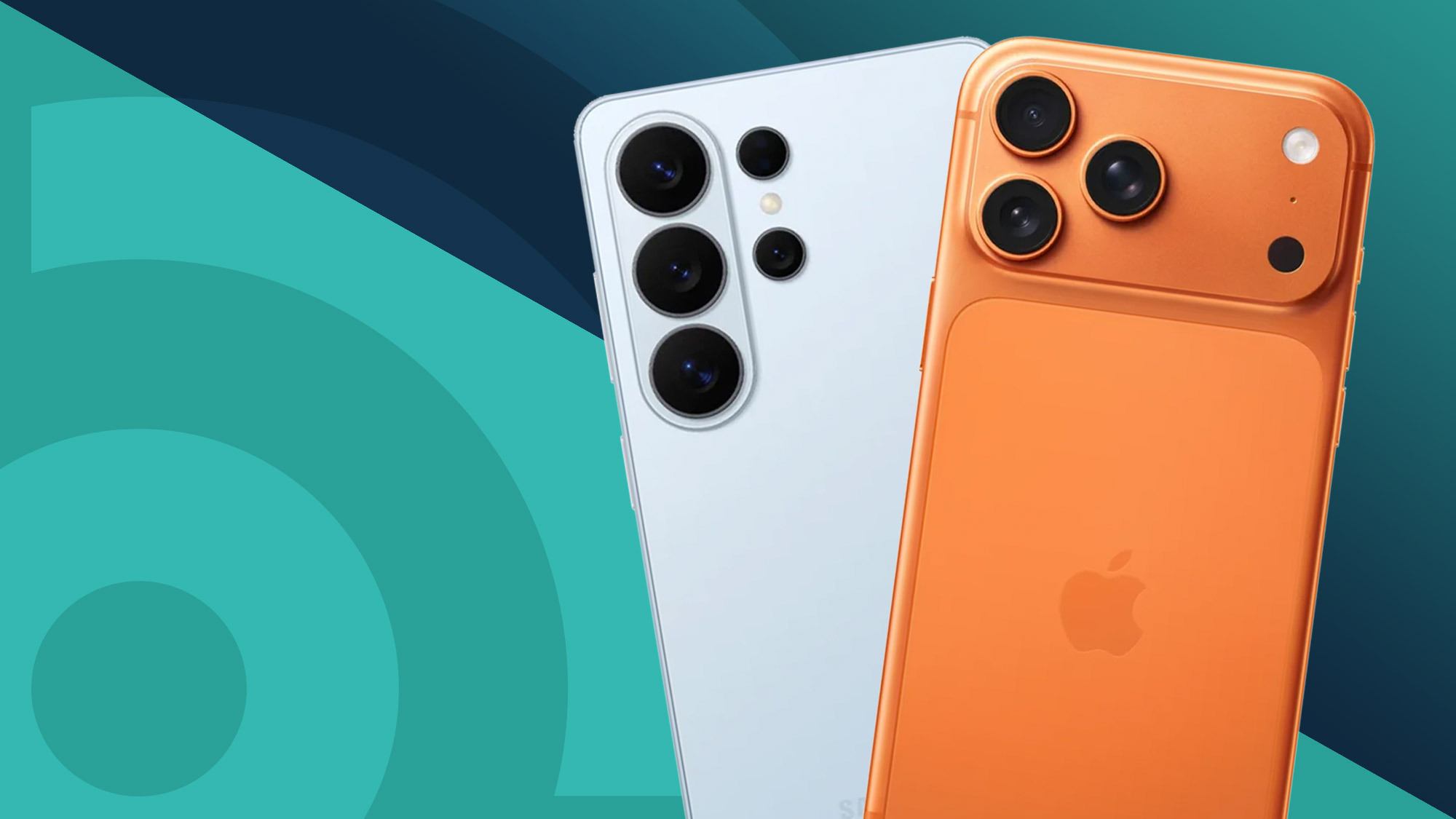
- Camera System: Single 48MP Fusion lens (17e) vs Dual-lens system with Camera Control (17)
- Battery & Charging: 26 hours video playback with 15W charging (17e) vs 30 hours with 25W charging (17)
- Storage: Both models debut with a generous 256GB base storage capacity
- The Verdict: The iPhone 17e is a powerhouse for value-conscious consumers who prioritize modern AI features over screen fluidity and zoom versatility.
The choice between the iphone 17e vs 17 comes down to a simple $200 question: how much do you value the screen? While both feature the A19 chip and Apple Intelligence, the 'e' series marks a return to the budget-friendly notch. In this guide, we compare the budget iphone 17e vs 17 to determine if the standard model's 120Hz display and dual-camera system are worth the premium price tag.
When Apple introduced the SE line, it created a gateway. Historically, the iPhone SE (2022) debuted at $429, which was roughly 45% cheaper than the flagship at the time. The new 17e follows this strategy, though at a slightly higher entry point of $599. Interestingly, data shows that 68% of budget model owners eventually upgrade to a flagship, proving that these entry-level devices are a critical hook for the ecosystem. By repurposing older hardware components like the traditional notch and established assembly lines, Apple can pass those savings to you.
Design and Display: Notch vs. Dynamic Island
When comparing the iphone 17e size vs 17, the first thing you’ll notice is the footprint. The 17e sticks to a classic 6.1-inch form factor, whereas the standard iPhone 17 pushes boundaries with a 6.3-inch panel. However, the size difference is eclipsed by the screen technology itself.
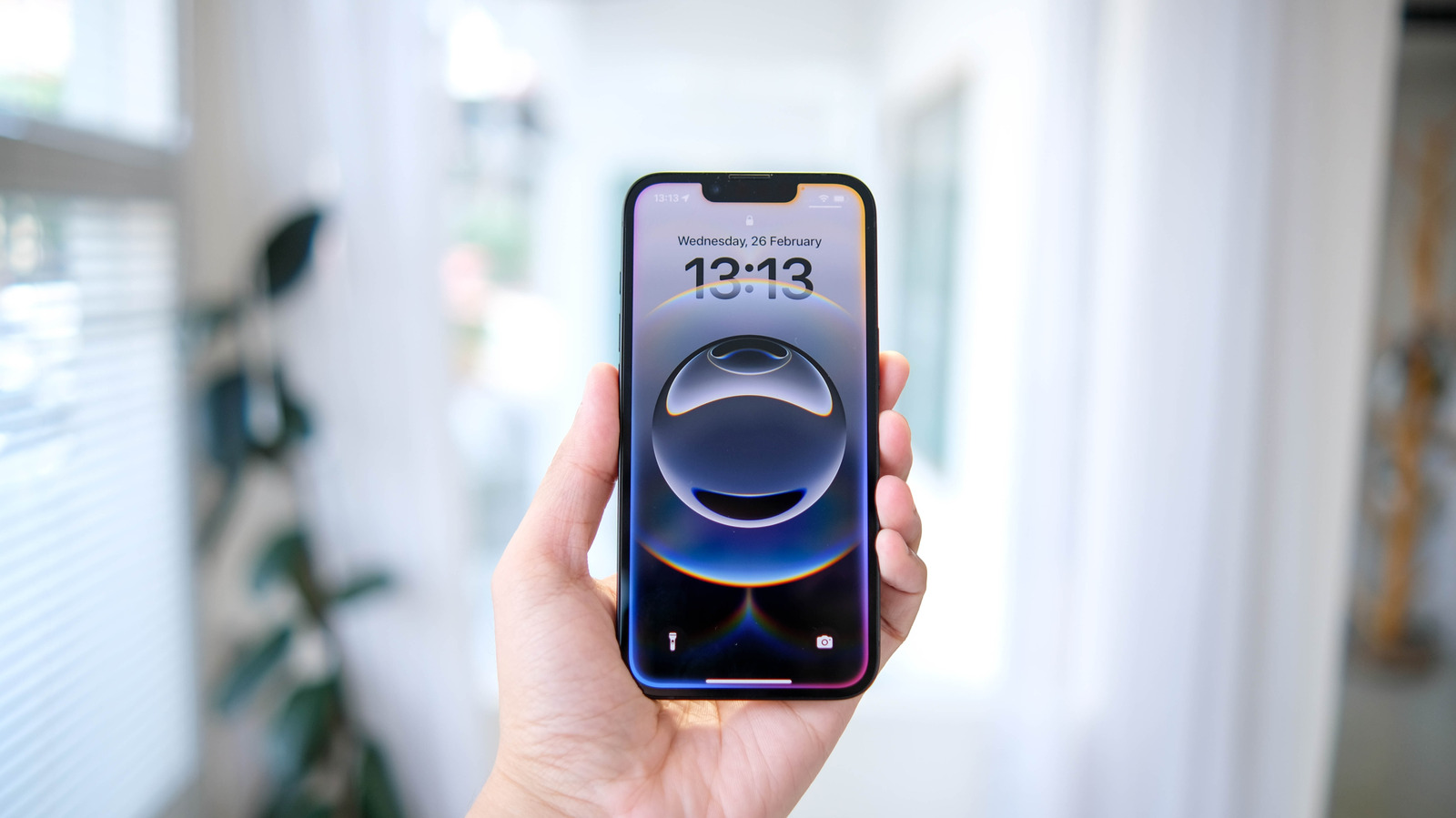
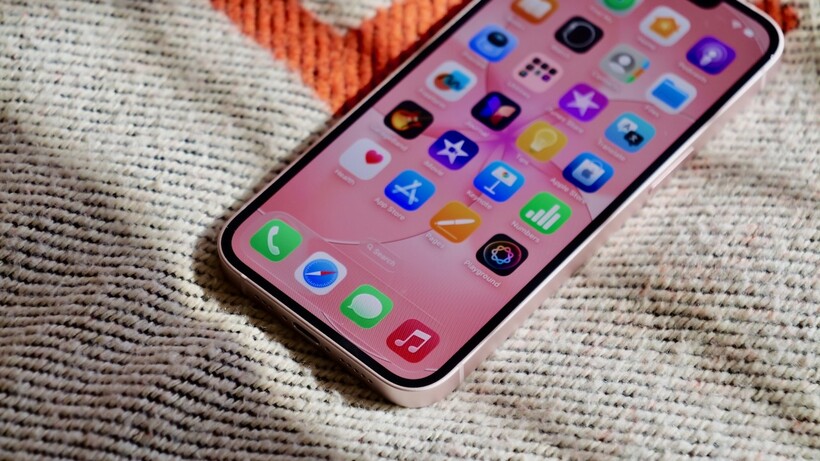
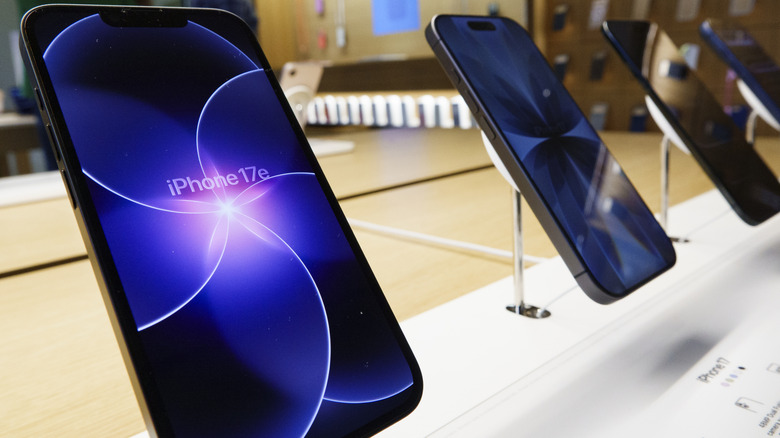
The iPhone 17e marks the return of the Display notch. While the rest of the lineup has moved to the Dynamic Island, the 'e' model retains the top-center cutout to house its sensors. Under the glass, you are getting a Super Retina XDR OLED, but it is capped at a 60Hz refresh rate. If you are coming from an older device, this will feel familiar. But if you have ever used a modern iPad or a recent Pro phone, you will miss the fluid scrolling that comes with ProMotion technology.

In contrast, the iPhone 17 offers the full 120Hz experience, making animations, gaming, and even basic scrolling feel significantly more responsive. It also gets much brighter, peaking at 3000 nits for outdoor visibility, while the 17e is likely to hover around the 800 to 1200 nit range for typical usage. For users who spend hours reading articles or playing fast-paced games, the 120Hz screen on the 17 is a luxury that quickly becomes a necessity.
Winner: iPhone 17 (The ProMotion display and Dynamic Island provide a much more modern and fluid interface.)
Performance Parity: The A19 Bionic Chip
Apple has made a strategic move with its silicon. In the iphone 17e vs 17 battle, performance is surprisingly close because both devices utilize the A19 Bionic chip. This is a massive win for budget buyers. It means the 17e isn't just a "cheaper" phone; it’s a modern computer that will receive software updates for the next six to seven years.
There is a subtle catch, though. To maintain the iphone 17 vs 17e price gap, Apple likely employs "binning" for the processors. The version in the 17e features fewer GPU cores compared to the standard model. In daily apps like Instagram, Safari, or Mail, you won't notice a difference. However, during heavy iphone 17e gaming performance vs iphone 17 testing, the standard model will maintain higher frame rates and better thermal management during extended sessions of Genshin Impact or Resident Evil.
Crucially, both phones offer full Apple Intelligence functionality. Whether you want the system-wide writing tools, the revamped Siri, or the generative Image Playground, both the 17e and the 17 are fully equipped. This makes the 17e the most affordable way to get a dedicated AI device in your pocket.
Winner: Tie (While the 17 has more GPU cores, the 17e offers incredible value by including the flagship A19 chip and full AI support.)
Camera Comparison: Single-Lens vs. Dual System
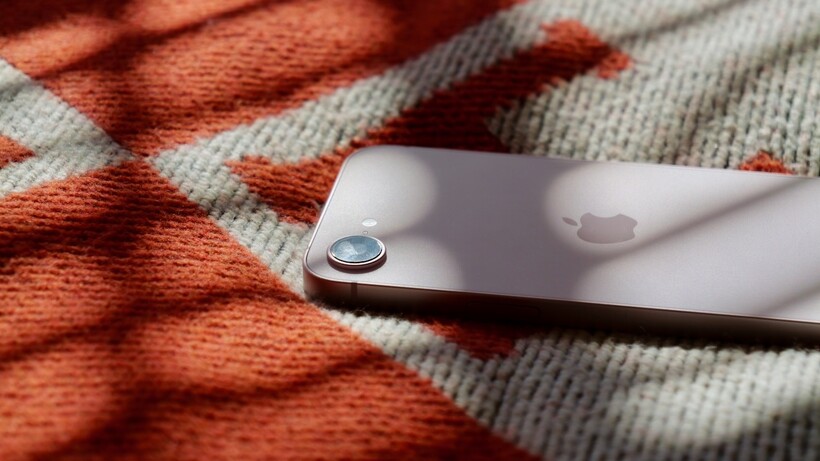
This is where the compromise becomes most physical. The iPhone 17e relies on a single-lens camera system. It utilizes a high-quality 48MP Fusion lens that takes excellent "point-and-shoot" photos in daylight and has impressive Night Mode capabilities. Because it has such a high megapixel count, it can provide a virtual "2x optical quality" crop, effectively giving you two focal lengths from one sensor.
However, when you look at the iphone 17 vs 17e camera comparison, the standard model clearly wins on versatility. The iPhone 17 adds a dedicated Ultra Wide lens, perfect for architecture, landscapes, and tight indoor shots. Furthermore, the iPhone 17 introduces the new Camera Control button—a tactile, capacitive slider on the side of the frame that lets you adjust zoom, exposure, and depth of field with a swipe. The 17e does include the Action Button, which you can map to the camera, but it lacks the advanced sliding interface of its more expensive sibling.
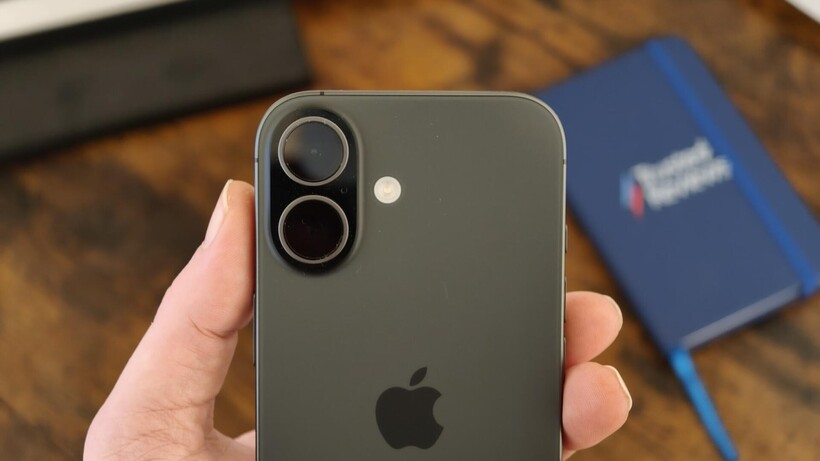
For a regular user who just snaps photos of coffee and family, the 17e is more than enough. But for anyone who views their phone as their primary creative tool, the missing Ultra Wide lens and the absence of the Camera Control button on the 17e might feel restrictive.
Winner: iPhone 17 (The dual-lens system and the intuitive Camera Control button make it a vastly superior tool for photography enthusiasts.)
Battery Life and Connectivity Gaps
Utility is often found in the things we don't see, like Wi-Fi protocols and charging speeds. In the realm of iphone 17e battery life vs iphone 17, the standard model holds a slight lead. Thanks to the 6.3-inch chassis, Apple can fit a slightly larger internal cell, resulting in about 30 hours of video playback compared to the 26 hours on the 17e.
Charging also sees a divide. The iPhone 17 supports the latest 25W MagSafe 2 standard, allowing for much faster top-ups. The 17e is capped at the older 15W MagSafe speed. If you charge your phone overnight, this won't matter. If you're someone who needs a 20-minute boost before heading out for the evening, the iPhone 17's speed is a notable advantage.
Connectivity is another area of future-proofing. The iPhone 17 supports Wi-Fi 7, which offers lower latency and higher throughput in crowded environments. The 17e sticks to Wi-Fi 6. While Wi-Fi 7 routers aren't standard in most homes yet, the iPhone 17 is better prepared for the next five years of networking technology.
Winner: iPhone 17 (Faster charging and Wi-Fi 7 support make the standard model the clear choice for power users.)
Should You Buy the iPhone 17e or an iPhone 16?
Many shoppers will walk into a store and wonder if they should grab the new $599 budget model or look for a discounted iPhone 16. In the iphone 17e vs 16 debate, the 17e actually has several advantages.
The iPhone 16 uses the A18 chip, which, while powerful, is a generation behind the A19 found in the 17e. This means the 17e will likely receive one additional year of iOS updates. More importantly, the 17e is built from the ground up for the most advanced version of Apple Intelligence, whereas the base iPhone 16 was the very first entry-level flagship to support it. If you want the most longevity for your dollar, the 17e is actually the smarter purchase than a back-inventory iPhone 16, even if the 16 has a dual-camera system.
Winner: iPhone 17e (For the price, the newer processor and longer support window outweigh the 16's second camera lens.)
Verdict: Is the iPhone 17e Worth It?
Ultimately, is iphone 17e worth it for regular users? The answer is a resounding yes, provided you understand what you are sacrificing. You are essentially trading the "feel" of the phone—the 120Hz screen fluidity and the tactile Camera Control—for a $200 discount.
Who should buy the iPhone 17e?
- Value-conscious consumers: If you want the latest AI features and a fast processor but don't care about the Dynamic Island or having two cameras.
- The "Update-Only" Crowd: If you currently use an iPhone 11 or 12 and just want a modern, fast phone that will last five years without breaking the bank.
- Parents: It is the perfect entry-level flagship for students who need a reliable device for school and communication.
Who should buy the iPhone 17 or 17 Pro?
- Content Creators: The dual-lens system and the Camera Control button are vital for social media and video work.
- Tech Enthusiasts: If you have experienced a 120Hz screen, the 60Hz panel on the 17e will feel like a step backward despite the powerful chip.
- Gamers: The extra GPU cores and larger screen make the standard 17 or even the iphone 17e vs 17 pro choice much more attractive for performance-sensitive tasks.
The iPhone 17e is a strategic masterpiece by Apple. It provides just enough of the "new stuff" (A19 chip, Apple Intelligence) to feel modern, while keeping the price low by using legacy designs. It is the best budget iPhone we have seen in years, and for most people, that $200 saving is better spent on a pair of AirPods or a year of iCloud storage.
FAQ
Why is the iPhone 17e cheaper?
The iPhone 17e achieves its lower price point by utilizing a 60Hz display with a traditional notch instead of the more expensive 120Hz ProMotion screen with a Dynamic Island. Additionally, Apple saves on manufacturing costs by using a single-lens camera system and repurposing older chassis designs, allowing them to offer the device for $599.
Is the iPhone 17e smaller?
Yes, the iPhone 17e is slightly smaller than the standard iPhone 17. The 17e features a 6.1-inch display, which has been a classic size for Apple's entry models, whereas the iPhone 17 has grown to a 6.3-inch display to accommodate a larger battery and more advanced screen technology.
What does the e stand for in iPhone 17e?
While Apple has not officially defined the letter, industry analysts suggest the e stands for essential or entry-level. It signals that the device focuses on the core features required for a modern smartphone experience—like the A19 chip and AI capabilities—without the premium "Pro" or "Air" level hardware flourishes.
Is it better to get the iPhone 17 or 17e?
It depends on your priorities. It is better to get the iPhone 17 if you value screen smoothness, want an ultra-wide camera, and desire faster charging speeds. However, the iPhone 17e is better if you want flagship performance and access to Apple Intelligence for the lowest possible price.
Should I buy an iPhone 17e or an iPhone 16?
In most cases, the iPhone 17e is the better buy because it features the A19 chip, which is newer and more powerful than the A18 in the iPhone 16. This ensures longer software support and better overall performance for AI tasks, even though the iPhone 16 has an extra camera lens.