Quick Facts
- Top Manufacturer Pick: AppleCare One for households, providing coverage for up to three devices for approximately $400 over two years.
- Best for Flagships: Samsung Care+ for the Galaxy S26 Ultra due to its 0 dollar screen repair deductible and rapid shipping.
- Best Third-Party: Akko is the leading choice for pre-owned or refurbished devices that no longer qualify for original manufacturer plans.
- The Repair Reality: Samsung repairs in 2026 cost about 60% higher than the $75 average for comparable AppleCare+ repairs, making insurance more critical for Galaxy users.
- The Coverage Edge: Samsung Care+ with Theft and Loss now allows up to three replacements per year, exceeding the two-incident annual limit set by AppleCare+.
- Global Access: Apple remains the gold standard for global roaming support, offering consistent service across international borders without complex verification.
In 2026, the best phone protection plan depends on your loyalty: AppleCare One leads for multi-device households, while Samsung Care+ provides superior 48-hour replacement speed for flagship users. Choosing between these two giants requires looking beyond the monthly fee to understand how repair turnaround time and global roaming support affect your daily life.
| Feature | AppleCare One (3-Device) | Samsung Care+ (Premium) | AKKO (Single Device) |
|---|---|---|---|
| Monthly Cost | ~$18.00 (split) | ~$13.00 - $16.00 | ~$7.00 - $12.00 |
| Screen Deductible | $29 | $0 | $75 - $99 |
| Replacement Speed | Same-day (Store) | 48-hour (Mail) | 3-5 Business Days |
| Theft/Loss Coverage | Included | Included | Optional |
The Insurance Verdict: Is It Worth the Cost in 2026?
As a mobile editor, I am often asked if these plans are just expensive peace of mind or a genuine financial necessity. In 2026, we follow the 1,000 dollar rule: if your smartphone cost more than 1,000 dollars and your emergency liquid assets are under 1,500 dollars, a protection plan is no longer optional. The best cell phone protection plan acts as a buffer against the rising costs of specialized components.
When you evaluate a plan, look at the total price of incident. This is the sum of your monthly premiums plus the deductible for a single repair. For a typical flagship, out-of-pocket costs for a screen replacement without insurance can exceed 350 dollars. Compare this to the cost of a protection plan, and the math usually favors the insurance backing provided by official programs. While basic mechanical failures are covered by your initial one-year warranty, ADH coverage—accidental damage from handling—is what saves your wallet when a phone hits the pavement.

Standard cell phone protection plans today have evolved. Most now include unlimited accidental damage coverage for hardware defects and general mishaps. However, not all plans are created equal when it comes to the logistical side of claims. The best phone protection plan should offer a balance of price and speed that matches how much you rely on your device for work and communication.
AppleCare+ vs. Samsung Care+: The 2026 Showdown
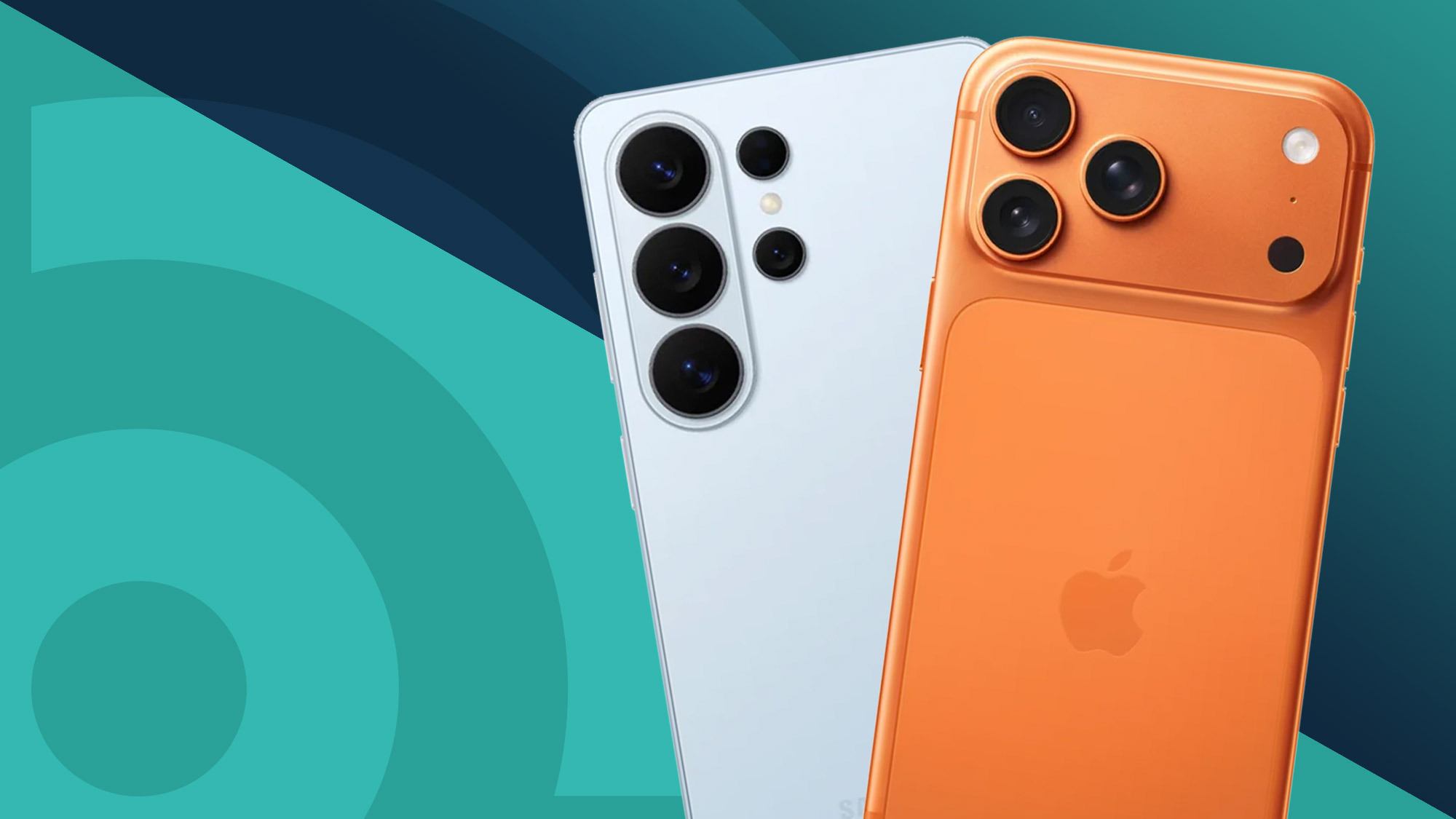
The battle for the best phone protection plan in 2026 has shifted from simple repairs to comprehensive service ecosystems. The iphone 17 vs samsung galaxy s26 warranty comparison reveals two very different philosophies. Apple has introduced AppleCare One, a tiered bundle that covers up to three household devices. This makes it the premier choice for families or power users who carry an iPhone, iPad, and Apple Watch.
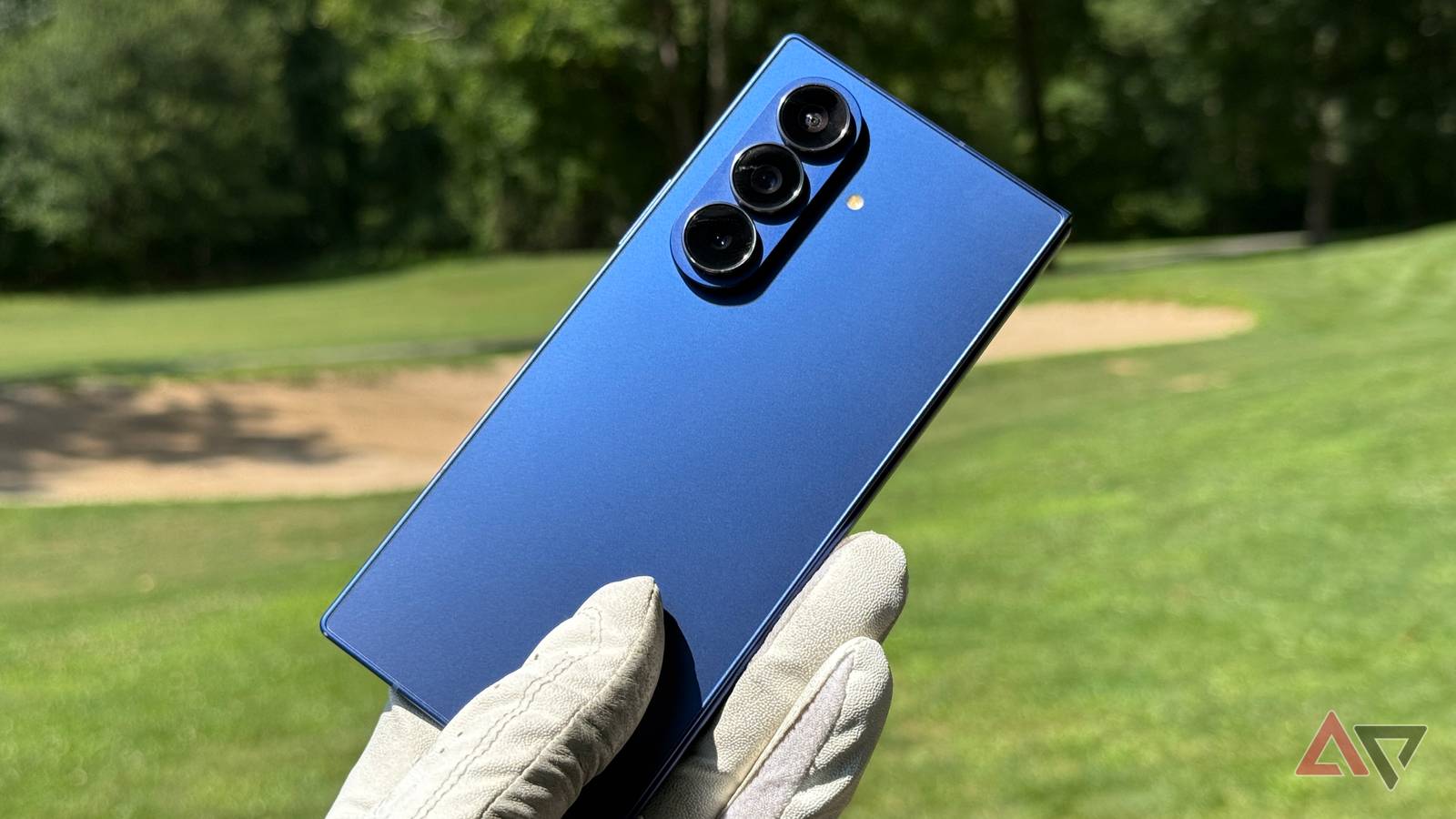
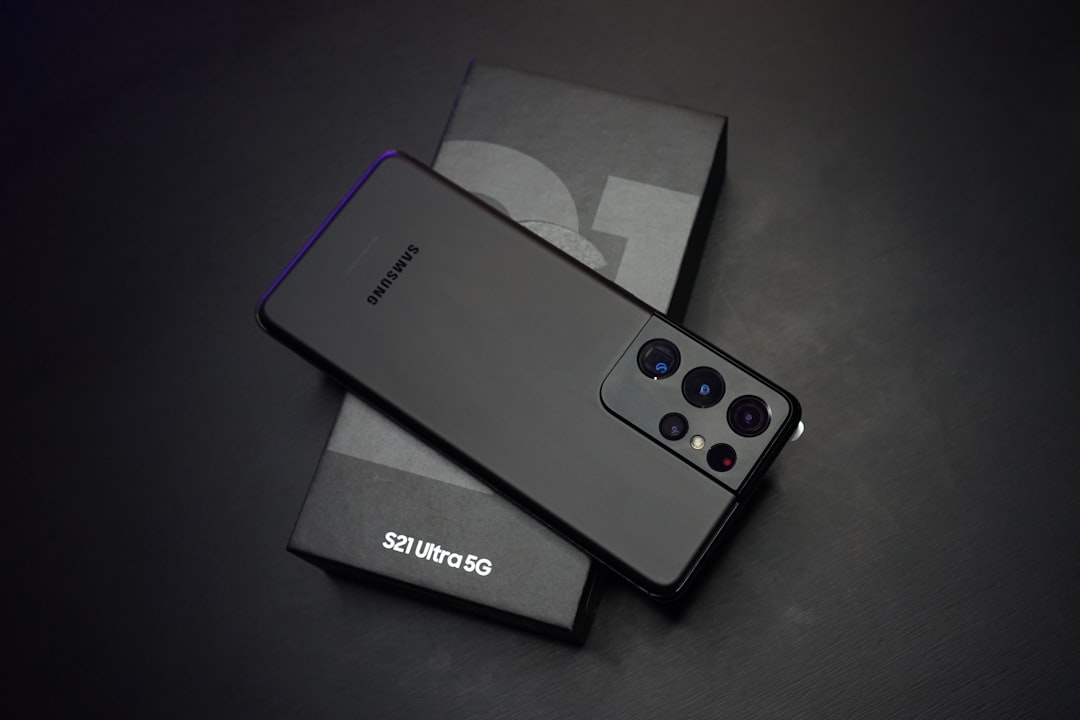
Samsung, meanwhile, has doubled down on its service model for the Galaxy S26 series. The most notable change is the deductible structure. For 2026 flagship models, the Samsung premium plan offers a $0 deductible for cracked screen and back glass repairs at authorized service centers. This gives them a slight edge over Apple, which maintains a fixed 29 dollar service fee for screen damage.
However, Apple still dominates in global roaming support. If you are a frequent traveler, Apple’s ability to service a device in Tokyo, London, or New York with the same level of OEM coverage is unmatched. Samsung’s international repairs are often hampered by regional receipt restrictions and stringent verification requirements. For those seeking smartphone insurance for international travel, the AppleCare One plan is the safest bet to avoid being stranded with a broken device abroad.
Samsung counters this with sheer volume and speed for domestic users. Their 2026 policy allows for up to three theft or loss replacements annually. If you value a high-frequency safety net, this smartphone extended warranty comparison clearly favors the Galaxy ecosystem. Samsung also guarantees a 48-hour replacement turnaround time for lost devices, often shipping a certified replacement before you even miss your old one.
Best Third-Party Phone Insurance: Why Consider Alternatives?
Manufacturer warranties aren't for everyone. If you are carrying a device that you bought second-hand, you may find yourself locked out of official OEM plans. This is where the best third party phone insurance providers like AKKO and Worth Ave Group step in. These independent insurance providers specialize in household coverage, often allowing you to protect multiple electronics—including laptops and cameras—under a single monthly subscription.
One of the biggest draws of these third party phone insurance vs manufacturer warranty comparisons is the price. Monthly fees for third-party plans usually range between 7 and 12 dollars, which can be significantly cheaper than premium manufacturer tiers. They are particularly effective for protecting pre-owned devices that have already passed their initial 60-day enrollment window.
- AKKO: Best for students and families, offering a flat rate for one phone and multiple personal items.
- Worth Ave Group: Best for refurbished hardware, with flexible deductibles and widespread repair shop compatibility.
- Upsie: Known for a user-friendly app interface and transparent claim tracking.
The trade-off for these lower premiums is often a higher deductible for screen repairs compared to the zero-dollar or 29-dollar fees from Samsung and Apple. Furthermore, specialized component failure might require you to send the device to a central depot rather than visiting a local mall, potentially increasing your total repair turnaround time.
For those looking for the best phone insurance for theft and loss outside of the big two, independent plans offer a reliable safety net. Just be sure to read the fine print regarding cosmetic damage versus functional failure, as many third-party providers will not approve a claim for simple scratches.
Enrollment Friction and The Fine Print
Signing up for a plan is not always as easy as clicking a button. In 2026, the enrollment windows remain strict to prevent insurance fraud. Most carriers require you to sign up within 30 days of purchase, while manufacturers like Apple and Samsung generally offer a 60-day window. If you miss this window, Apple requires a remote diagnostic or a physical store inspection, whereas Samsung utilizes a late online verification process involving photos of the device's screen.
You must also understand the refurbished reality. When you file a claim for a total loss, you are rarely receiving a brand-new device in a sealed box. Instead, you receive a certified refurbished unit. While these are tested to meet original standards, it is a point of confusion for many consumers. In 2026, high-tier plans have improved this by offering expedited device replacement that guarantees "like-new" cosmetic condition.

The Traveler’s Checklist for Phone Protection
- Verify Global Coverage: Confirm if your plan allows for repairs at international authorized service providers.
- Check Resident Requirements: Ensure your plan doesn't require you to be in your home country to start a claim.
- Backup Before Boarding: Always have a cloud backup, as replacements abroad will be wiped clean.
- Keep Digital Receipts: Store a PDF of your insurance contract on a secondary device or cloud drive.
- Local Repair Availability: Identify if your destination has an official store (like an Apple Store) or just authorized third parties.
Exclusions are another area where readers get caught off guard. Even the most robust best cell phone protection plan will typically exclude cosmetic scratches that do not affect the device's function. Software bugs and operating system issues are also generally excluded, as these fall under the standard limited hardware warranty rather than accidental damage insurance.
FAQ
Is it worth getting a protection plan on a phone?
Yes, if your device costs over 1,000 dollars or has a foldable screen. The cost of a single out-of-warranty screen repair for a modern flagship often exceeds two years' worth of insurance premiums. If you frequently travel or have a history of accidental drops, the plan pays for itself after just one incident.
Which cell phone insurance is best?
The answer depends on your device and lifestyle. For iPhone users with multiple Apple products, AppleCare One offers the best integrated value and global support. For Samsung flagship owners who want the lowest possible repair cost, Samsung Care+ is the winner due to its 0 dollar screen deductible. For budget-conscious users with older or refurbished phones, AKKO provides the most flexible coverage.
What is better, AppleCare or Verizon insurance?
For most users, AppleCare is superior because it uses genuine Apple parts and certified technicians, and involves less paperwork for simple repairs. Verizon’s insurance (often through Asurion) can be more expensive monthly, but it occasionally covers more types of devices and offers different theft protection perks. However, for the best repair quality, the manufacturer plan is usually the better choice.
Which is better, AppleCare or T-mobile Protection Plan?
AppleCare is typically better for those who want direct access to the Apple Store and lower deductibles for screen repairs. T-Mobile’s Protection 360 includes AppleCare+ for eligible iPhones but adds its own perks like JUMP! upgrades. If you don't care about early upgrades, getting AppleCare+ directly from Apple is often simpler and slightly cheaper over the long term.