Quick Facts
- Primary Sensor Gold Standard: The 1-inch sensor found in flagship models like the Huawei Pura 80 Ultra significantly outperforms higher megapixel counts in low light due to larger physical pixels.
- Market Shift: By the middle of the decade, triple-camera setups dominated the smartphone market with a 45% share, as manufacturers favored high-quality versatile lenses over gimmick-heavy quad-camera designs.
- Resolution Milestone: The average primary camera resolution of smartphones reached 54 megapixels in 2024, a massive 100% increase from the 27-megapixel average just four years prior.
- Consumer Priorities: Approximately 86% of smartphone consumers now identify camera quality as their decisive purchasing factor, outranking even battery life or processing speed.
- AI Integration: The Google Pixel 10 Pro XL utilizes the Tensor G5 chip to set a new benchmark for computational photography, focusing on semantic segmentation and real-time HDR.
- Specialized Hardware: Periscope zoom technology has successfully trickled down to the mid-range segment, offering professional-grade reach in the $400-$600 price bracket for the first time.
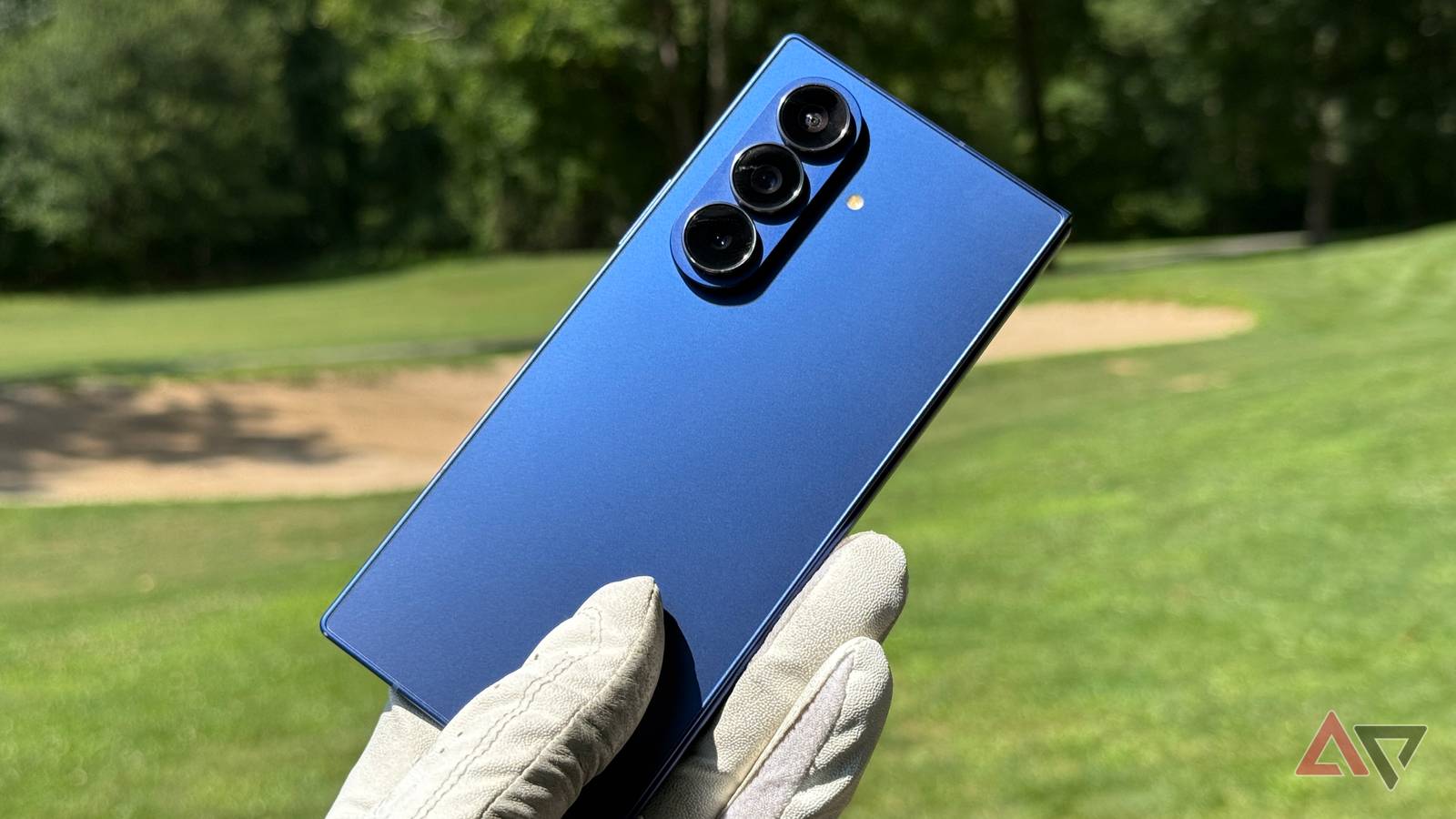
More lenses do not automatically guarantee higher image quality; instead, they provide specialized versatility. Each lens in a modern camera cluster serves a specific role, such as capturing expansive landscapes with an ultrawide lens, using periscope technology for optical zoom, or handling close-up macro shots. Superior photo quality in the best smartphone camera 2026 is driven by large sensor sizes, wide apertures for light intake, and sophisticated computational photography rather than lens count alone.
The Lens Count Myth: Why Quantity Isn't Quality
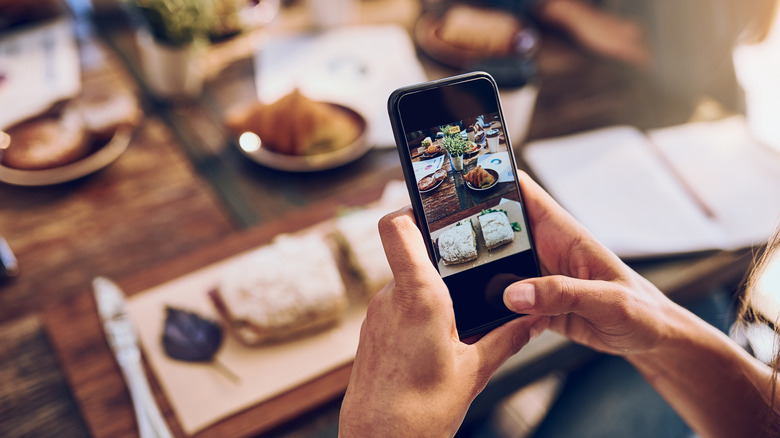
For years, the smartphone industry engaged in a "numbers game" that misled many consumers. If two lenses were good, four must be better, right? Not necessarily. As an editor who has dissected hundreds of camera modules, I’ve seen how manufacturers often padded their spec sheets with what we call filler lenses. These are typically low-resolution 2MP depth or macro sensors that contribute very little to the actual image quality but allow a brand to market a quad-camera system.
In the current landscape, we are seeing a refreshing shift toward quality over quantity. The decline of quad-camera setups from their peak of 32% in 2020 reflects a growing consumer awareness. We now understand that a triple-lens system with high-quality optics is infinitely superior to a five-lens system comprised of mediocre glass. When asking does more cameras mean better quality phone, the answer depends entirely on the glass and the silicon behind it.
The modern photographer should look for specialized versatility. Instead of asking for more lenses, ask what those lenses do. A flagship today typically offers a high-resolution wide main lens, an ultrawide lens for architecture and landscapes, and a dedicated telephoto lens for portraits. This smartphone camera lens types explained 2026 guide emphasizes that a well-tuned triple-lens array covers nearly every creative scenario without the bulk of unnecessary hardware.
Hardware Essentials: Sensors, Aperture, and Glass
While software gets all the headlines, the physics of photography cannot be cheated. The image sensor size remains the single most important factor for image quality. A larger sensor has more surface area to collect photons, which directly translates to better dynamic range and lower noise in dim environments. The 1-inch sensor has become the hallmark of the best smartphone camera 2026 contenders, providing a level of natural bokeh and light sensitivity that software can only approximate.
Aperture f-stop ratings are equally critical. A lower f-number—such as f/1.4 compared to f/1.8—means the lens opens wider. This is vital for low-light performance. Furthermore, we are seeing the rise of glass-plastic hybrid lenses. By incorporating elements of actual glass into the lens stack, manufacturers have improved light transmission to over 92%, reducing the flare and ghosting that plagued older plastic optics.
Pro Tip: Don't be fooled by high megapixel counts alone. A 200MP sensor with tiny individual pixels often produces more noise than a 50MP sensor with large pixels. Look for pixel binning technology, which combines groups of pixels to simulate a larger sensor surface.
Comparison: Sensor Size vs. Resolution
| Feature | Large Sensor (1-inch) | High Resolution (100MP+) |
|---|---|---|
| Low Light Performance | Exceptional; captures more natural light | Average; relies heavily on AI to denoise |
| Depth of Field | Natural optical blur (bokeh) | Mostly software-generated |
| Storage Impact | Moderate files | Massive files unless binned |
| Best Use Case | Professional portraits, night scenes | Landscape crops, large-scale prints |

When searching for the best smartphone for macro photography 2026, look for phones that use their ultrawide lens with autofocus to double as a macro tool. This is far more effective than a dedicated 2MP macro lens. Similarly, the best optical zoom camera phones 2026 now utilize periscope zoom technology, which folds the optics horizontally inside the phone body, allowing for 5x or even 10x magnification without a massive protruding lens.
AI and Computational Photography: The 2026 Edge
In 2026, the battle for the best smartphone camera 2026 isn't just fought with glass; it is fought with math. Every time you press the shutter, the image signal processor (ISP) performs billions of operations in milliseconds. This is computational photography—the art of using software to overcome the physical limitations of small mobile lenses.
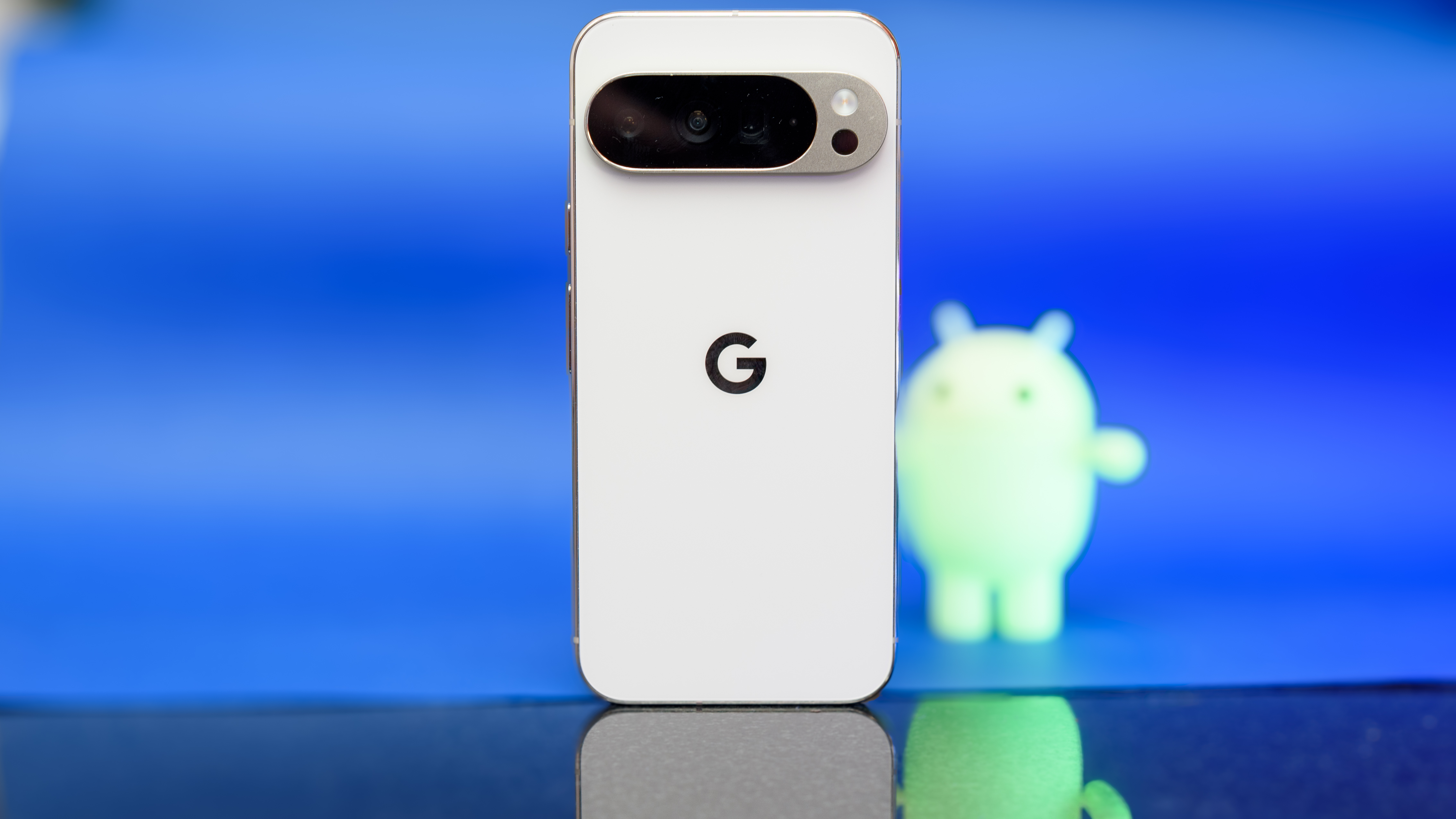
The Google Pixel 10 Pro XL is the current poster child for this approach. Its Tensor G5 chip handles complex tasks like semantic segmentation, where the phone identifies different parts of the image—sky, skin, fabric, foliage—and processes them individually. This ensures that a sunset is vibrant without making the person in the foreground look orange.
Advanced AI features now include sophisticated portrait mode bokeh that recognizes individual strands of hair, a task that was nearly impossible just a few years ago. Furthermore, mobile videography has benefited from this processing power, with real-time HDR video and high-quality stabilization becoming standard. For the modern creator, the ability to record 8K video with active object tracking is as important as the still photo quality.
2026 World Best Camera Phone List: Top Performers
Choosing the right device requires matching the hardware to your specific needs. Here is our world best camera phone list for 2026, categorized by user persona.
1. The Professional Enthusiast: Huawei Pura 80 Ultra
The Pura 80 Ultra remains the king of hardware. With its massive 1-inch main sensor and a variable aperture that physically opens and closes, it provides a level of control that mirrors a traditional camera. It is the top 10 best camera phone in the world leader for those who want the best raw image quality.
2. The Mobile Cinematographer: iPhone 17 Pro Max
Apple continues to dominate in video. The iPhone 17 Pro Max offers the most consistent color science and the lowest shutter lag in the industry. Its ability to shoot in Log formats makes it a favorite for those who want to color-grade their footage in post-production.
3. The AI Visionary: Google Pixel 10 Pro XL
For those who want the phone to do the heavy lifting, the Pixel is unmatched. Its AI editing tools, like Magic Editor and Best Take, allow you to manipulate photos after they are taken with startling accuracy.
4. The Zoom Specialist: Samsung Galaxy S25 Ultra
Samsung remains the champion of reach. The S25 Ultra’s dual-telephoto system provides incredible clarity at 10x and 30x magnification, making it the best choice for sports or wildlife photography.
5. The Refined Artist: Oppo Find X9 Pro
Oppo has focused on color accuracy and skin tones, partnering with legendary camera brands to tune their image signal processor. Their low-light performance is particularly impressive, rivaling the Huawei in pure night-time clarity.
6. The Value King: Best Budget Camera Phone 2026
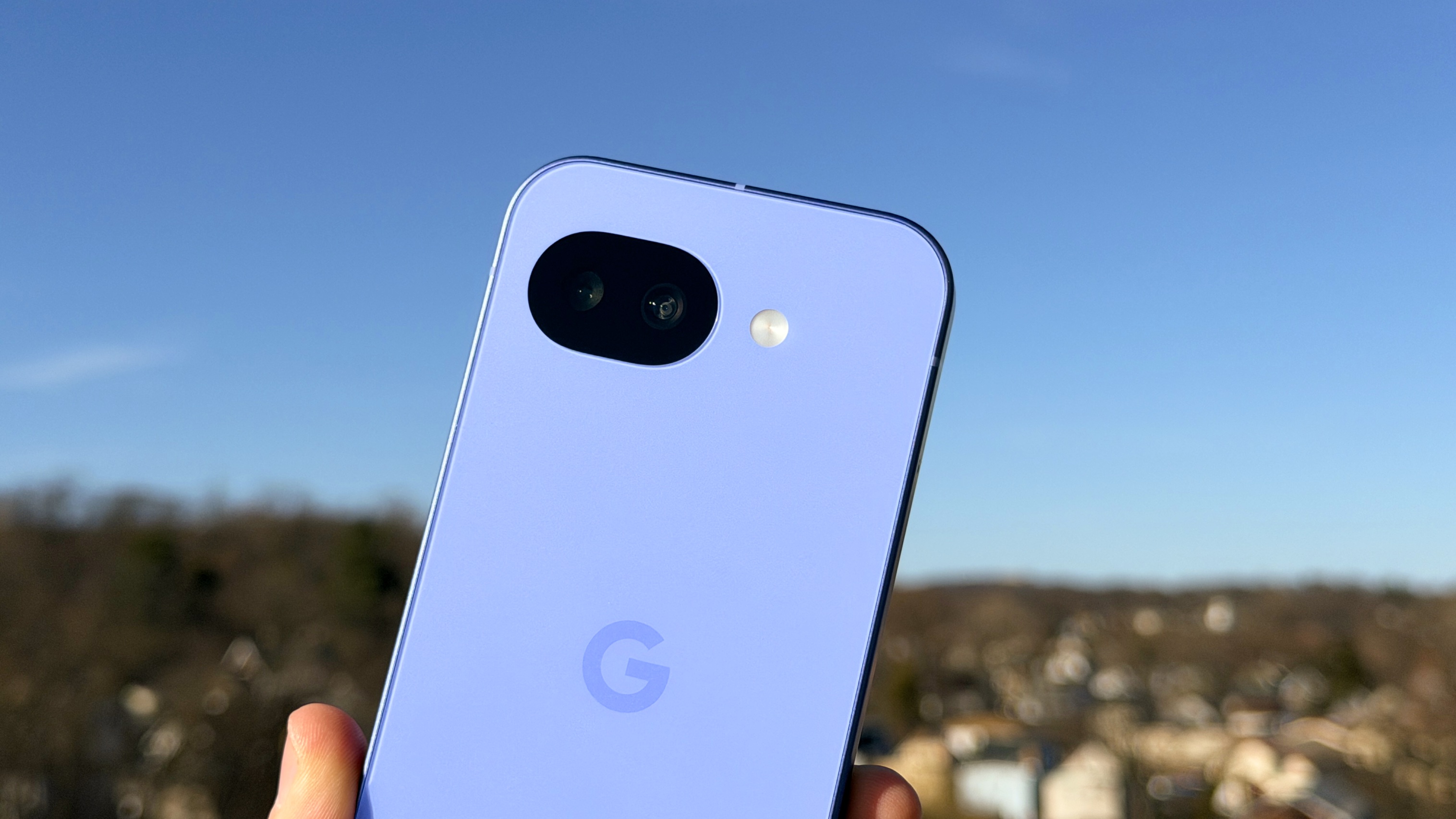
If you are looking for the best camera smartphone 2026 budget option, the Google Pixel 10a and the Samsung Galaxy A56 are the standout choices. They inherit the core computational power of their flagship siblings but in a more affordable plastic chassis.
Technical Buying Checklist: What to Look For
Before you tap "buy" on a new device, run through this checklist to ensure you are getting a flagship hardware comparison that actually translates to better photos.
- Check the Primary Sensor Size: Aim for at least a 1/1.3-inch sensor for high-end performance; a 1-inch sensor is the gold standard.
- Verify Optical Image Stabilization (OIS): Do not buy a phone for photography without OIS on the main lens. It is essential for sharp night photos and steady video.
- Look at the f-stop: A main lens with f/1.6 or f/1.4 will significantly outperform an f/1.9 lens in dark environments.
- Storage Needs: High-resolution sensors and 4K/8K video consume space rapidly. Ensure the phone has at least 256GB of storage or a very fast cloud backup system.
- Test the Shutter Lag: In-store, fire off five photos in quick succession. If the phone pauses or stutters, it will fail you when trying to capture a moving pet or child.
FAQ
Which phone has the best camera quality in 2026?
The Huawei Pura 80 Ultra is currently widely regarded as having the best overall camera quality due to its massive 1-inch image sensor size and variable aperture optics. However, for users who prioritize video, the iPhone 17 Pro Max remains the industry leader, while the Google Pixel 10 Pro XL is the top choice for those who prefer AI-driven computational photography.
Is a higher megapixel count better for 2026 smartphones?
Not necessarily. While a higher megapixel count can provide more detail for large prints, it often results in smaller individual pixels that perform poorly in low light. A 50-megapixel sensor with a larger physical size is generally superior to a 200-megapixel sensor with a smaller physical footprint. Modern phones use pixel binning technology to balance these two needs.
What is the best phone for night photography in 2026?
The Oppo Find X9 Pro and the Huawei Pura 80 Ultra are the top contenders for night photography. Their success comes from combining large sensors and wide aperture f-stop ratings with advanced stack-exposure software that blends multiple frames to reduce noise without losing detail in the shadows.
Can I record professional video on a 2026 smartphone?
Yes, high-end smartphones like the iPhone 17 Pro Max are now capable of professional-grade mobile videography. Features such as 10-bit HDR recording, ProRes support, and advanced optical image stabilization allow these devices to be used for commercial production and high-quality social media content creation.
Choosing a new camera phone in 2026 is no longer about counting the circles on the back of the device. It is about understanding the synergy between light-gathering hardware and the AI chips that interpret that light. Whether you are a pro looking for raw control or a parent wanting the perfect portrait of a child, focusing on sensor size and processing power will always lead you to a better shot than counting lenses.