Quick Facts
- Project: Netflix's reality competition series titled Wonka’s Golden Ticket, which premiered in September 2026.
- Technology Partner: The production utilized ElevenLabs Professional Voice Cloning (PVC) to recreate the voice profile.
- Authorization: The recreation was fully authorized by the performer's estate, specifically through Karen B. Wilder.
- Legal Framework: The project adhered to the standards set by California AB 1836 regarding digital replicas of deceased performers.
- Technical Benchmark: The synthetic voice achieved a Mean Opinion Score (MOS) of 4.1 out of 5 for realism and emotional accuracy.
- Market Context: The global artificial intelligence voice cloning market is on a steep trajectory, expected to reach USD 13.34 billion by 2032.
AI voice cloning for posthumous use relies heavily on private agreements between estates and technology firms like ElevenLabs. While legally permissible under estate-granted publicity rights, these projects often trigger significant public debate regarding the preservation of a performer's authentic legacy versus commercial exploitation, a concept sometimes referred to as digital necromancy.
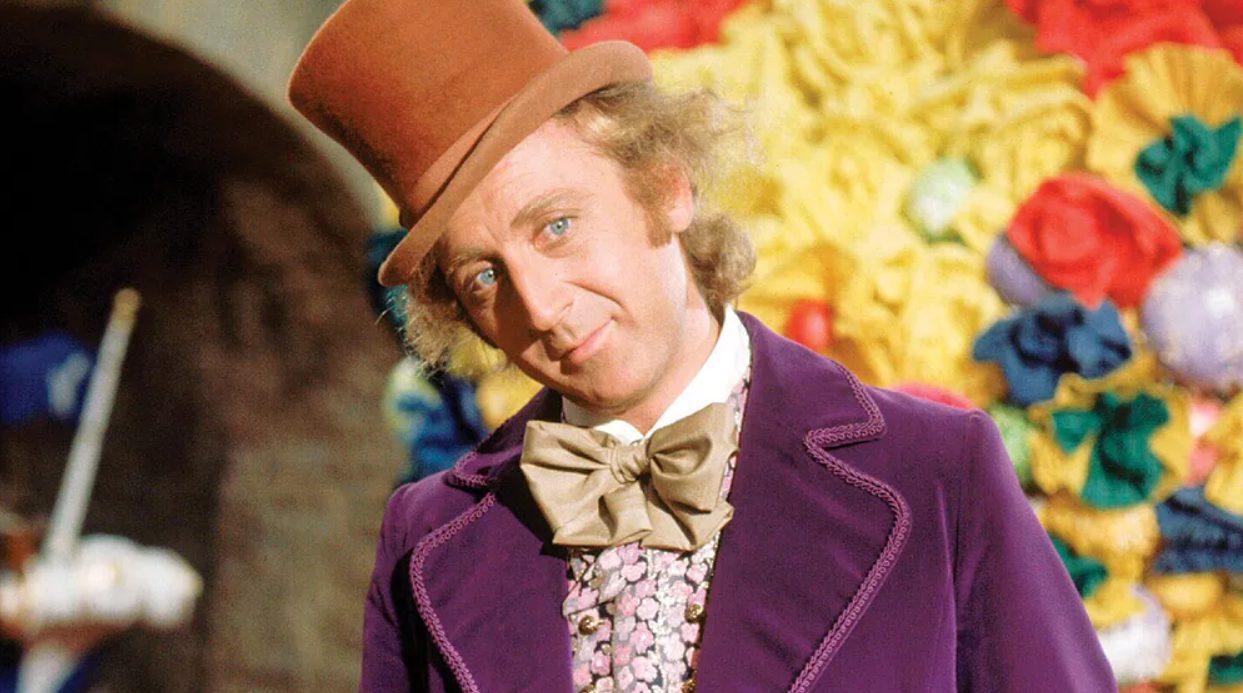
The Netflix Case: Recreating Gene Wilder with ElevenLabs
The use of an ai voice cloning Gene Wilder voice in Netflix's 2026 series Wonka’s Golden Ticket has reignited the global debate over ai voice cloning and digital necromancy. The show, which challenges contestants to design candy-themed wonders, opted to use an artificial version of the late actor to provide narration and flavor to the experience. This was not a decision made in a vacuum; researchers and producers worked closely with ElevenLabs to ensure the output met specific professional synthetic voice standards.
Unlike generic text to speech systems, this project required high-fidelity voice reconstruction. To achieve this level of accuracy, the technical team needed a minimum of 30 minutes of high-quality sample audio from Wilder’s past performances. By feeding this data into a neural speech synthesis model, ElevenLabs was able to capture the specific micro-inflections and the whimsical, occasionally breathy prosody that made Wilder a global icon.
The involvement of the estate was a critical pillar for the production. According to reports, Netflix used AI technology from ElevenLabs after receiving explicit authorization from the performer's estate. This move taps into a deep sense of cultural nostalgia, bringing a beloved figure back to the screen to guide a new generation of viewers. However, even with the blessing of heirs, the use of ai voice cloning software to re-animate the dead remains one of the most contentious issues in modern entertainment. As creators look for the best ai voice cloning software to enhance their productions, they must balance the technical possibilities with the ethical weight of bringing back a voice that can no longer speak for itself.
Professional Synthetic Voice Standards vs. Consumer Tools
For the average viewer, the term ai voice cloning text to speech might suggest the robotic tones of a decade ago. However, the industry has branched into two distinct tiers: Instant Voice Cloning (IVC) and Professional Voice Cloning (PVC). While many platforms offer free ai voice cloning for hobbyists, the results often lack the depth required for a major streaming production.
Professional synthetic voice standards are measured using the Mean Opinion Score (MOS), a ranking from 1 to 5 that evaluates how natural a voice sounds to human listeners. While entry-level ai voice cloning software might score in the 2.5 to 3.0 range, high-end commercial models often exceed 4.0. This difference is largely due to the underlying neural architecture. Professional systems do not just map words to sounds; they simulate the way a specific human throat and mouth would move to create those sounds.
| Feature | Instant Voice Cloning (IVC) | Professional Voice Cloning (PVC) |
|---|---|---|
| Data Requirement | 1-5 minutes of audio | 30+ minutes of studio-grade audio |
| Accuracy Score | Generally lower MOS (2.5-3.5) | High MOS (4.0+) |
| Training Time | Seconds or minutes | Hours to days of GPU processing |
| Emotional Range | Flat or limited modulation | Full dynamic emotional range |
| Use Case | Content creators, memes | Film, TV, high-end narration |
For those looking for the best ai voice cloning software, the choice often depends on whether they need a sovereignty-first model or a cloud-based solution. While ElevenLabs represents the pinnacle of cloud-based synthesis, many professional studios are moving toward local GPU processing to ensure privacy and data security. The shift toward these high-end tools is reflected in the market growth, as the artificial intelligence voice cloning market continues its rapid 27.8% annual expansion.
Digital Necromancy: The Ethics of Post-Mortem Publicity Rights
The term digital necromancy has emerged to describe the practice of using ai voice cloning permissions for estates to revive deceased celebrities. The Gene Wilder case is part of a growing trend that includes other high-profile voice reconstructions. For many fans, the idea of a computer-generated voice-over narration replacing the human soul behind the performance feels like a violation of the actor's memory. For others, it is a way to celebrate legacy through modern technology.
Legal frameworks are finally beginning to catch up with the speed of neural speech synthesis. In 2024, California enacted AB 1836, legislation that specifically prohibits the creation or use of a digital replica of a deceased performer without prior consent from their estate. This law clarifies celebrity likeness rights in the digital age, ensuring that posthumous performances are not exploited by third parties without oversight.
However, intellectual property law still struggles with the concept of "voice as biometric data." In the European Union, the AI Act has begun to address these concerns, but in the United States, the burden still rests primarily on post-mortem publicity rights.
| Performer | Project / Context | Authorization Method |
|---|---|---|
| Gene Wilder | Wonka’s Golden Ticket (2026) | Full Estate Consent (ElevenLabs) |
| James Earl Jones | Darth Vader (Respeecher) | Signed over rights before death |
| Michael Parkinson | AI Podcast Host (2024) | Authorized by heirs |
| Robin Williams | Various Deepfakes | Estate has strict limits on use |
The precedent set by James Earl Jones is unique, as he signed over his legendary voice to be cloned by Respeecher for future Star Wars installments while he was still alive. This contrasts with cases where estates must make the choice long after the performer has passed. In the Wilder case, the use of estate-authorized deepfakes was seen as a way to maintain the specific brand of the Wonka franchise, even if it pushed the boundaries of what many find culturally acceptable.
Risks for Creators: Data Ownership and The TOS Trap
While the Gene Wilder case highlights the corporate side of ai voice cloning, there are significant lessons for the average user. Many people searching for free ai voice cloning tools do not realize that by uploading their voice data, they may be signing away their rights. Recent updates to the Terms of Service (TOS) in many ai voice cloning software platforms include clauses that grant the company perpetual rights to use the uploaded audio for further training.
This has shifted the focus of ai voice cloning for content creators toward sovereign or local models. If you are a creator, using a third-party service to clone your own voice might seem convenient, but it carries a long-term risk to your intellectual property law protections. If a platform owns the neural weights of your voice, they could potentially license it to others without your direct involvement in the future.
Furthermore, there is the risk of the "TOS Trap," where companies change their usage agreements mid-stream. To mitigate these risks, professional voice-over narration specialists are increasingly demanding contracts that specify that their voice data cannot be used for training purposes without additional royalties. The best ai voice cloning software in the upcoming years will likely be the ones that offer "zero-knowledge" privacy, where the company never sees or stores the original training audio.
The future of entertainment will undoubtedly feature more instances of digital rebirth. Whether we see this as a heartwarming tribute or an uncanny valley exploitation depends on how transparently studios handle these projects. The Gene Wilder case proves that if the technology is high-quality and the legal ducks are in a row, studios will continue to push the envelope of what is possible with a human voice and a neural network.
FAQ
Can AI clone someone's voice?
Yes, modern systems use neural networks to analyze the unique speech patterns, pitch, and timbre of a human voice. High-fidelity models can create a synthetic copy that is virtually indistinguishable from the original given enough high-quality training data.
Is voice cloning illegal?
Voice cloning is not inherently illegal, but the unauthorized use of someone's voice for commercial purposes can violate publicity rights and intellectual property laws. New laws like California AB 1836 specifically require estate consent for cloning deceased performers.
Which AI voice clone is the best?
ElevenLabs is currently considered the industry leader for cloud-based synthesis due to its high Mean Opinion Score (MOS) and ease of use. However, specialized firms like Respeecher are preferred for high-end film and television projects that require deep emotional nuance.
Can someone clone my voice with AI?
Technically, yes. With as little as a few seconds of audio, some basic tools can create a passable imitation. This is why it is crucial to protect your audio data and be cautious about where you upload your voice recordings.
Can you get sued for using AI voice?
Yes, you can face legal action if you use a cloned voice to imply an endorsement that doesn't exist, or if you use a celebrity's likeness without permission from their estate. This falls under the jurisdiction of personality rights and trademark infringement in many regions.