5 Best Android Alternatives to the iPhone 17: Which One Should You Buy in 2026?
While the technology world predictably pauses each September to acknowledge the arrival of a new iPhone, the landscape in 2026 has shifted more dramatically than in previous cycles. The iPhone 17 remains a formidable device, particularly with its refined "Apple Intelligence" ecosystem, yet a cold analysis of hardware specifications reveals a widening gap between Cupertino's base models and the Android flagship vanguard. As a critic who has monitored the smartphone trajectory for over a decade, I find the 2026 Android lineup particularly compelling. It isn't just about "openness" anymore; it is about objective superiority in charging speeds, battery density, and the hardware required to run sophisticated on-device AI.
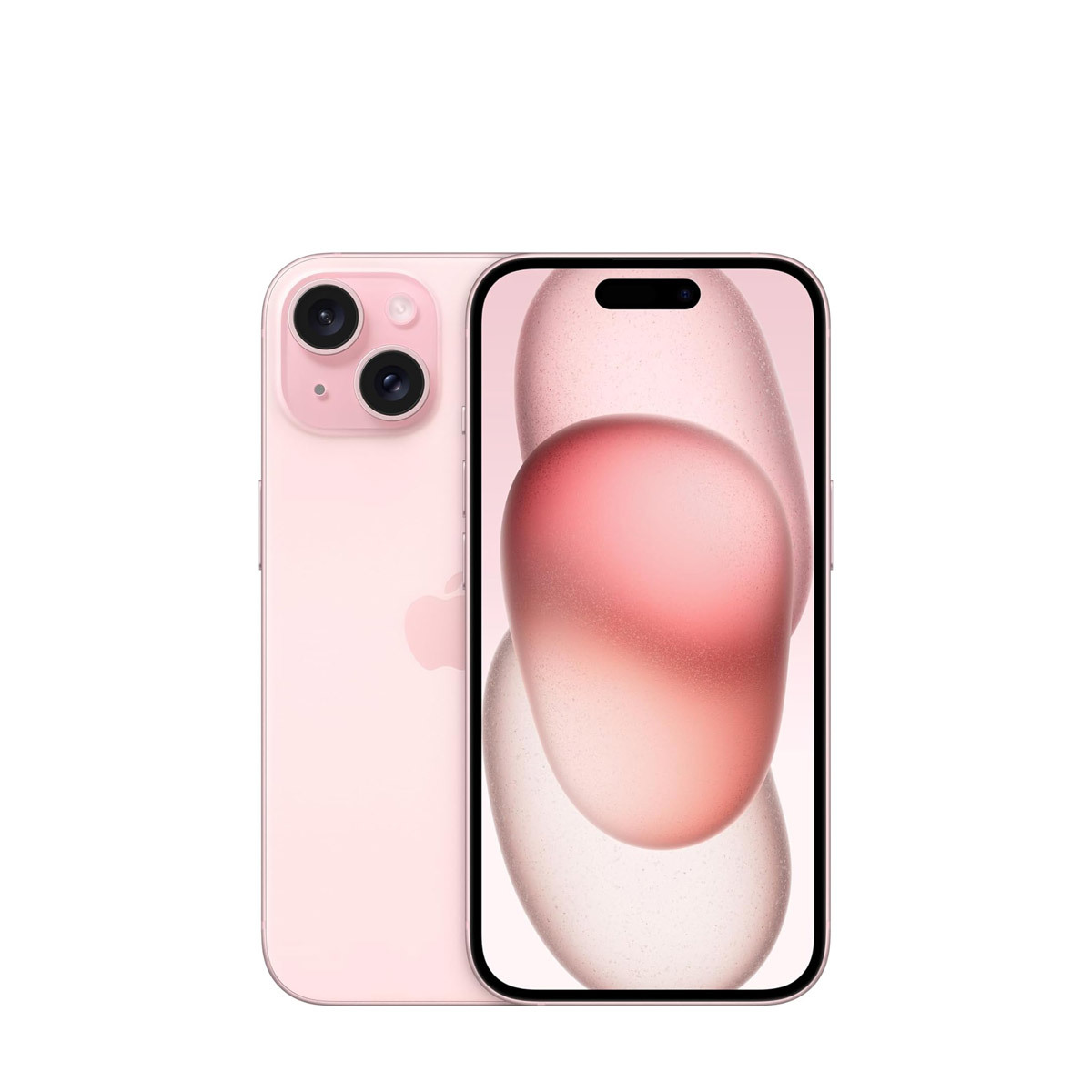
Whether you are a photography professional seeking optical reach that the standard iPhone cannot provide, or a power user who finds the iPhone’s 8GB of RAM insufficient for the next generation of multitasking, the alternatives have never been more distinct. This year, the conversation isn't about whether to switch, but rather which Android ecosystem best addresses the specific limitations of the Apple experience.
1. Samsung Galaxy S25 Ultra: The Photography Professional's Choice
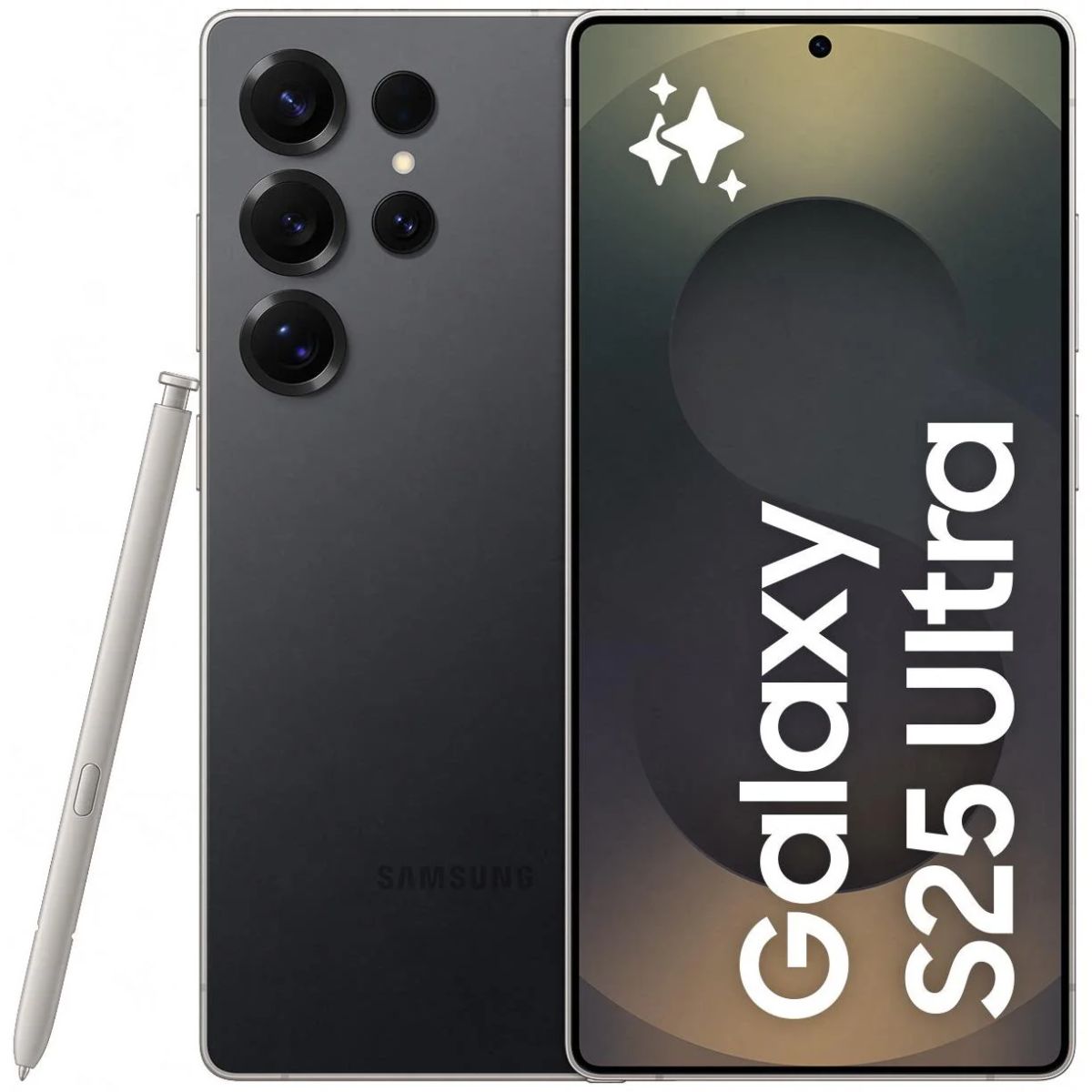
For the professional whose daily workflow depends on optical flexibility, the iPhone 17 vs Galaxy S25 Ultra debate often ends at the lens. The best Android alternative for photography is the Samsung Galaxy S25 Ultra, featuring a 200MP main sensor and 100x Space Zoom, which significantly outperforms the base iPhone 17's dual-camera setup. While Apple has made strides in computational photography, the physics of a 200MP sensor allow for a level of detail and cropping capability that a 48MP sensor simply cannot replicate.
Quick Specs:
- Processor: Snapdragon 8 Elite
- Memory: 12GB LPDDR5X RAM
- Display: 6.9-inch Dynamic AMOLED 2X, 2600 nits peak brightness
- Camera System: 200MP Main, 50MP Periscope (5x), 10MP Telephoto (3x), 50MP Ultra-wide
- Battery: 5,000mAh with 45W wired charging
The S25 Ultra is more than a camera; it is a productivity hub. The integrated S Pen continues to be a unique selling point for those who sign documents on the go or require precision for photo editing. Furthermore, Samsung’s commitment to 7 years of OS updates ensures that your investment remains relevant through the end of the decade. The anti-reflective coating on the 6.9-inch display is another subtle but vital upgrade, making the device significantly more legible in direct sunlight compared to the iPhone 17.
Buy This If...
- You require professional-grade zoom for travel or event photography.
- The S Pen is essential for your digital signature or creative workflow.
- You prioritize the largest, brightest display currently available in a slab-style phone.
Explore the Galaxy S25 Ultra →
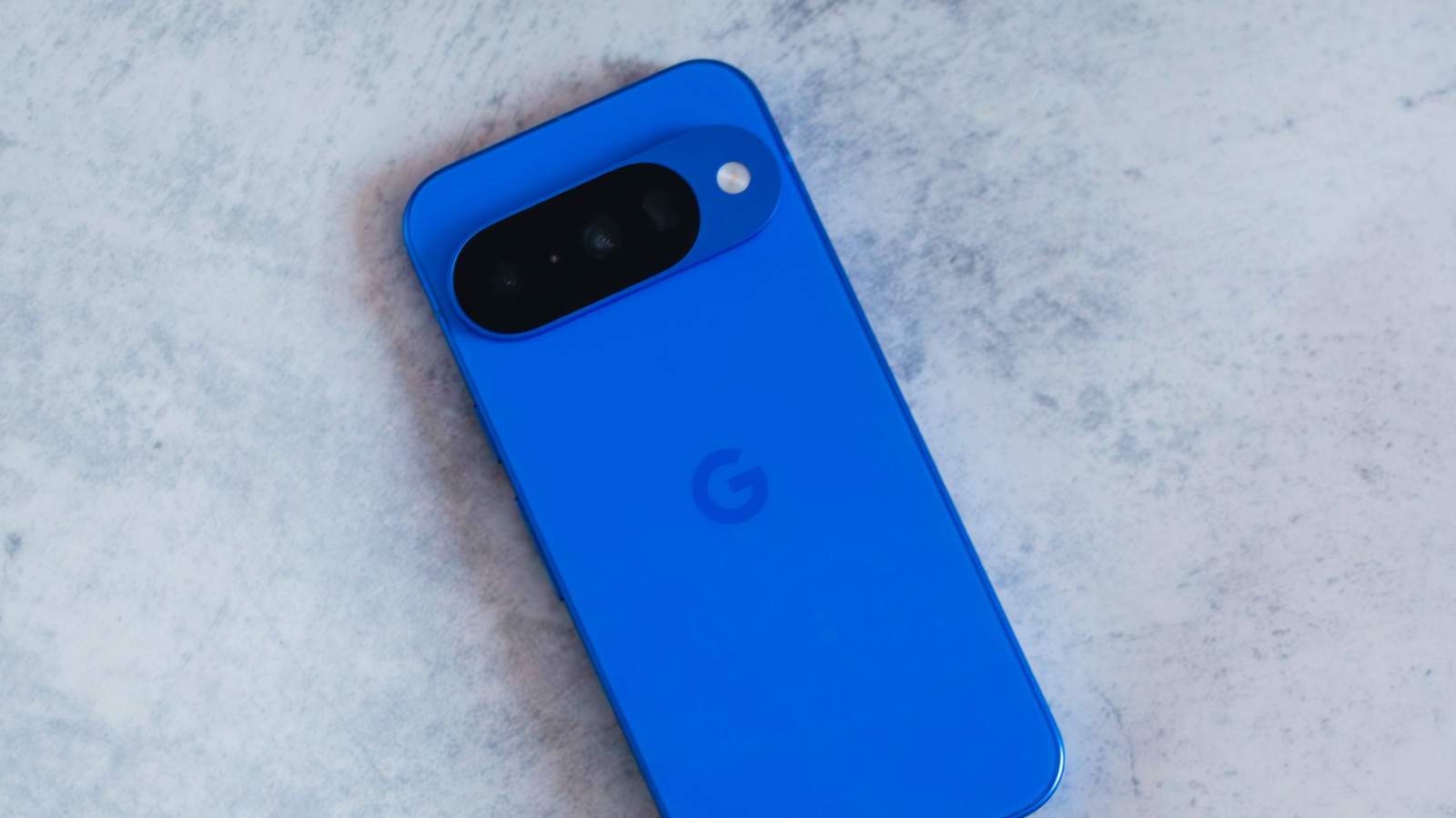
2. Google Pixel 10 Pro XL: The Ultimate AI Personal Assistant
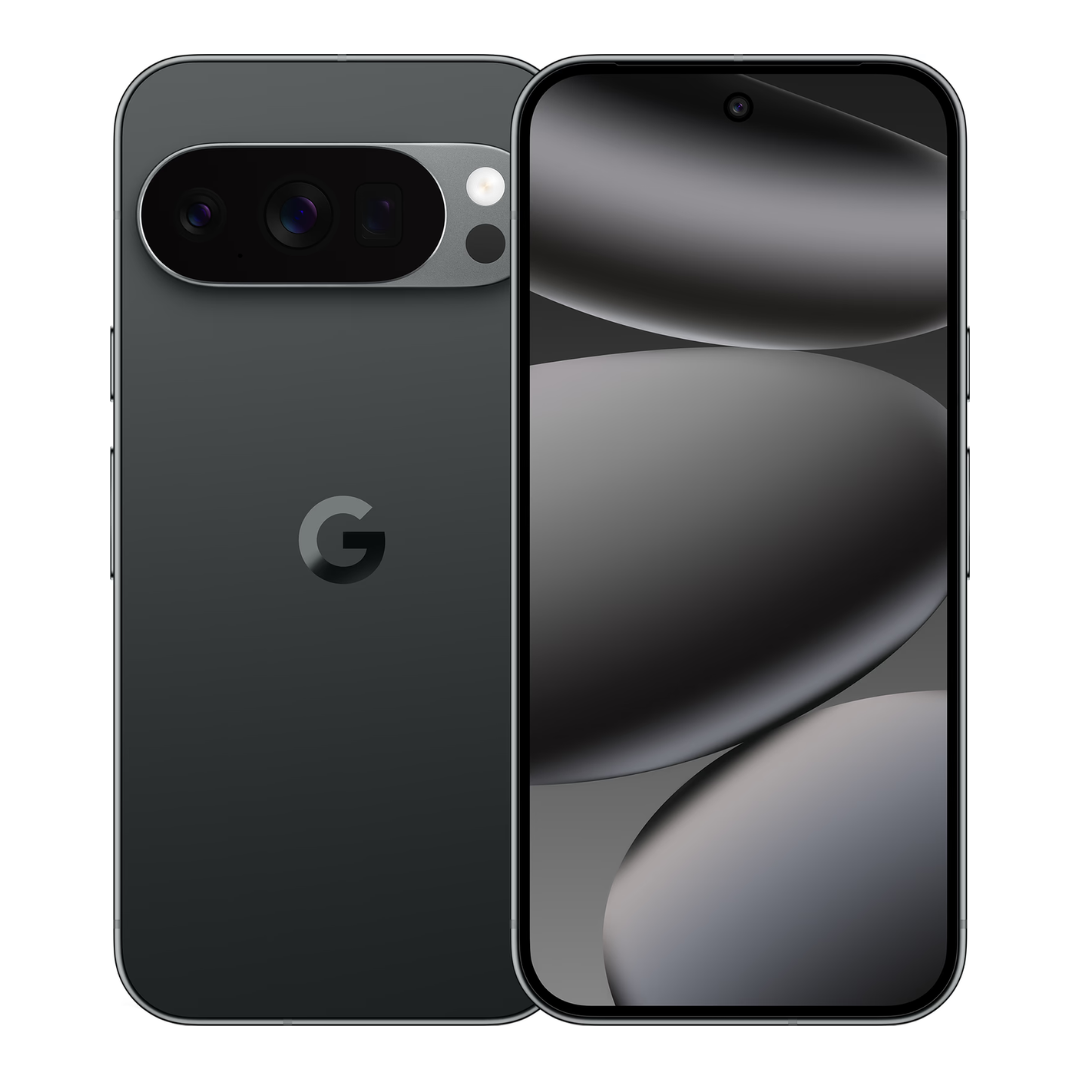
If the iPhone 17 represents the "walled garden" approach to AI, the Pixel 10 Pro XL represents the "unbound assistant." For power users, the Google Pixel 10 Pro XL offers 16GB of RAM—double the iPhone 17's 8GB—providing a more robust foundation for advanced AI multitasking and snappier performance. This isn't just a vanity metric; on-device Large Language Models (LLMs) are incredibly memory-intensive. By doubling the RAM, Google ensures that its Tensor G5 chip can handle complex queries, real-time video processing, and background AI tasks without the aggressive app-closing common in iOS.
The hardware advantage extends to the front of the device as well. The Pixel 10 Pro XL's 42MP selfie camera offers a 133% higher resolution than the iPhone 17’s 18MP front-facing sensor. This data-driven disparity is felt most keenly in low-light video calls and high-detail social media content.
Quick Specs:
- Processor: Google Tensor G5 (Built on TSMC process)
- Memory: 16GB RAM
- Display: 6.8-inch LTPO OLED, 1-120Hz
- Key AI Features: Magic Cue, Real-time Voice Translate, Gemini Ultra integration
- Battery: 5,100mAh with Qi2.2 magnetic charging
Google’s "Magic Cue" feature, which anticipates user needs based on calendar entries and location context, feels a generation ahead of Apple’s current predictive text. For those who value the smartest possible software in their pocket, the Pixel 10 Pro XL vs iPhone 17 comparison highlights a clear winner in proactive utility.
Buy This If...
- You want the most advanced on-device AI capabilities on the market.
- Selfie quality and front-facing video are high priorities.
- You prefer a "clean" Android experience with immediate software updates.
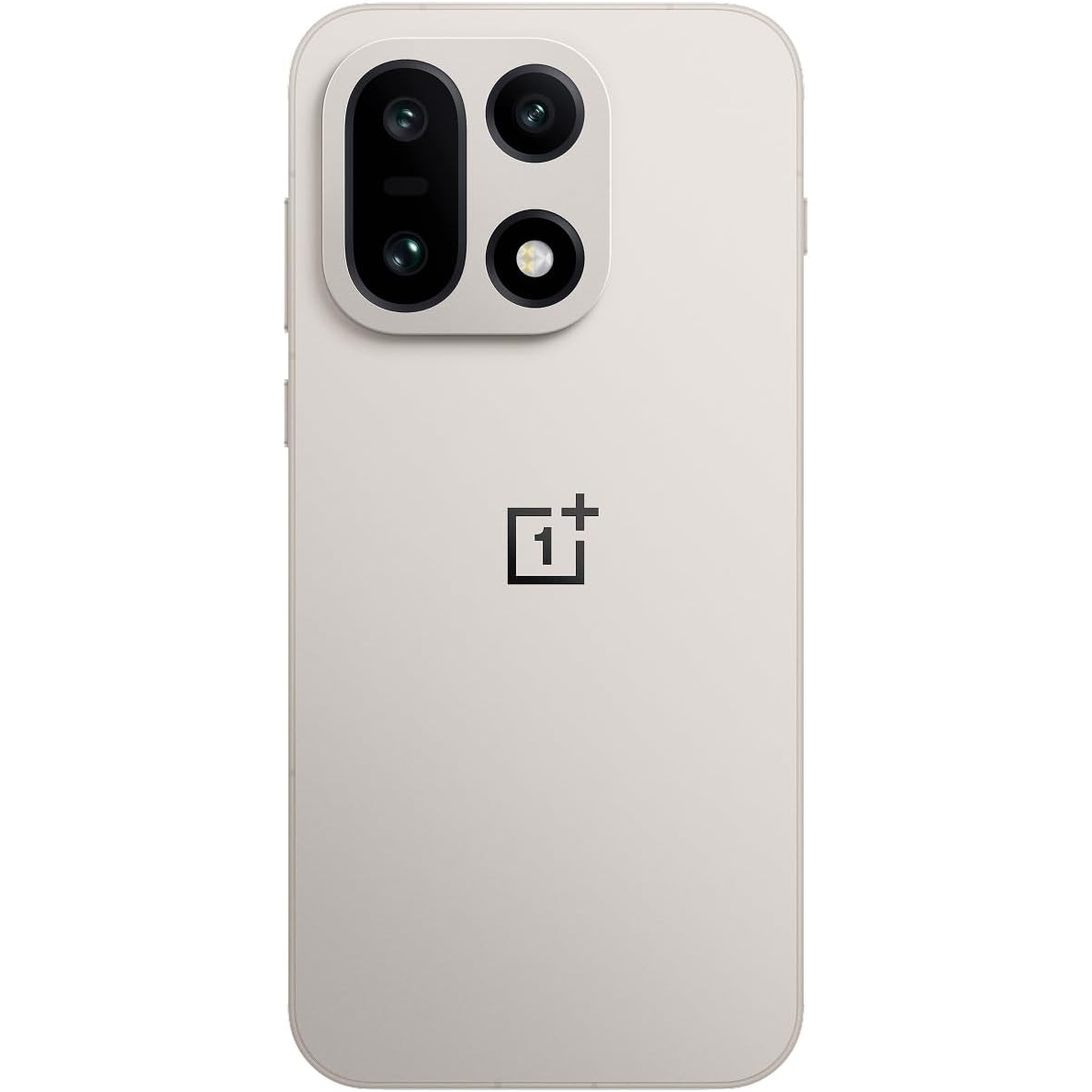
3. OnePlus 13: The Speed and Endurance King
For many travelers and commuters, the most frustrating aspect of the iPhone experience is the charging speed. The OnePlus 13 is the leading alternative for charging speed, utilizing 100W fast charging to reach a full battery in 36 minutes, nearly three times faster than the iPhone 17's charging capabilities. In an age where we are constantly moving between airports and meetings, the ability to gain a full day's charge in the time it takes to drink a cup of coffee is a game-changer.
The endurance metrics are equally impressive. The OnePlus 13 features a 6,000mAh battery, providing approximately 40% more raw capacity compared to the standard competitive flagship average in 2026. This makes it one of the few Android phones with better battery than iPhone, especially when subjected to heavy 5G usage.
Quick Specs:
- Processor: Snapdragon 8 Elite
- Battery: 6,000mAh Silicon-Carbon High Density
- Charging: 100W Wired / 50W Wireless
- Durability: IP69 rating (High-pressure water resistance)
- Display: 2K BOE X2 "Oriental" Screen
Beyond raw power, the OnePlus 13 features an IP69 rating, offering protection against high-pressure water jets and steam—a step above the iPhone 17's IP68 rating. This makes it a superior companion for those who find themselves in extreme environments, from tropical humidity to industrial settings.
Buy This If...
- "Battery anxiety" is your primary pain point with modern smartphones.
- You need a phone that can charge from 0 to 100% in under 40 minutes.
- You want flagship performance at a slightly more aggressive price point.
4. Motorola Razr Ultra (2026): The Innovation in Your Pocket
While the standard iPhone remains a static slab, the Motorola Razr Ultra represents the most mature evolution of the foldable form factor. The 2026 model features a 4.0-inch pOLED cover display that allows users to operate almost any app without ever unfolding the device. This "external first" philosophy is a direct response to the "digital detox" movement, allowing users to check messages or navigate via GPS on a smaller screen that discourages mindless scrolling.
Quick Specs:
- Main Display: 6.9-inch Foldable pOLED, 165Hz
- Cover Display: 4.0-inch pOLED, 144Hz
- Hinge: Titanium-reinforced, zero-gap
- Charging: 68W TurboPower
- Battery: 4,700mAh
The Razr Ultra isn't just a gimmick; its titanium-reinforced hinge has been tested for over 600,000 folds, ensuring longevity that rivals traditional designs. For the user who wants a large-screen experience that fits comfortably into a small pocket or evening bag, the Razr offers a level of physical innovation that the iPhone 17 simply cannot match.
Buy This If...
- You are tired of the "giant slab" form factor.
- You want a secondary, fully functional external display for quick tasks.
- You value a phone that doubles as its own tripod for group photos or vlogging.
5. Nothing Phone (3): The Minimalist's Flagship
The Nothing Phone (3) is designed for the user who wants to escape the notification chaos of the modern smartphone. Its unique Glyph Interface—a series of LED strips on the rear—provides visual cues for timers, volume, and essential notifications, allowing you to keep your phone face-down and remain present.
Despite its minimalist branding, the hardware is remarkably robust. It features a 5,150mAh silicon-carbon battery and a triple 50MP camera system, including a periscope telephoto lens—a feature glaringly absent from the base iPhone 17.
Quick Specs:
- OS: Nothing OS 3.0 (Zero bloatware)
- Camera: Triple 50MP (Main, Ultra-wide, 3x Telephoto)
- Battery: 5,150mAh
- Selfie Camera: 50MP High-Resolution
- Design: Transparent glass with recycled aluminum frame
The Nothing Phone (3) is the aesthetic choice for the design-conscious user. It offers a "distraction-free" software environment that rivals Apple's simplicity but provides the hardware flexibility (like the 50MP selfie camera) that tech enthusiasts crave.
Buy This If...
- You want a phone that looks and feels unlike anything else on the market.
- You prefer a clean software experience with zero pre-installed "bloatware."
- You want premium features like a periscope lens at a mid-range price.
Comparison Table: Android Flagships vs. iPhone 17
To assist in your final decision-making process, I have compiled the essential data points below. This comparison highlights the specific hardware advantages found in the Android ecosystem for 2026.
| Feature | iPhone 17 (Base) | Galaxy S25 Ultra | Pixel 10 Pro XL | OnePlus 13 | Nothing Phone (3) |
|---|---|---|---|---|---|
| RAM | 8GB | 12GB | 16GB | 12GB/16GB | 12GB |
| Main Camera | 48MP Dual | 200MP Quad | 50MP Triple | 50MP Triple | 50MP Triple |
| Selfie Camera | 18MP | 12MP (Dual Pixel) | 42MP | 32MP | 50MP |
| Battery Size | ~3,300mAh* | 5,000mAh | 5,100mAh | 6,000mAh | 5,150mAh |
| Charging Speed | ~27W | 45W | 45W | 100W | 65W |
| Key Advantage | Ecosystem | Optics/Zoom | On-device AI | Charging/Battery | Design/Simplicity |
*Estimated based on historical capacity; Apple does not officially disclose mAh.
FAQ
Q: Will moving from iPhone to Android affect my photo quality in social media apps? A: In 2026, the gap has largely closed. Both Samsung and Google have worked directly with Instagram and TikTok to ensure that their native camera processing—including HDR and night mode—is utilized within the apps, meaning the "Android camera tax" is effectively a thing of the past.
Q: Can I still use my MagSafe accessories if I switch? A: Yes. The new Qi2.2 standard used in the Pixel 10 Pro XL and the OnePlus 13 (via specific cases) is fully compatible with magnetic chargers and mounts, allowing for a seamless transition for your existing accessories.
Q: Which Android phone has the best resale value? A: Historically, the Samsung Galaxy S Ultra series retains the highest value among Android devices, though Google’s 7-year update commitment for the Pixel series has significantly improved its long-term market value.
Final Verdict
The iPhone 17 is a safe, reliable, and highly polished choice. However, as the data shows, it is no longer the "best" in several key categories. If your priority is photography, the Samsung Galaxy S25 Ultra is the objective winner. If you are a power user looking toward an AI-driven future, the Pixel 10 Pro XL provides the necessary memory overhead. For those who simply want a phone that lasts two days and charges in minutes, the OnePlus 13 is unbeatable.
In 2026, loyalty to a single brand should never come at the cost of utility. Review your daily usage patterns and choose the hardware that actually meets your needs, rather than the one that simply fits your current ecosystem.