Quick Facts
- The Durability Gap: According to a 2024 YouGov survey, 56% of smartphone owners who avoid foldables cite screen damage and overall durability as their primary concern.
- Longevity Reality: While slab phones often last five years, many foldable devices are reported to offer stable performance for only two to three years before mechanical wear necessitates major intervention.
- Maintenance Costs: Out-of-warranty hinge repairs are significant, typically ranging between $300 and $600 depending on the complexity of the internal display assembly.
- Battery Trade-offs: The "sandwich" engineering required for folding form factors limits battery capacity, leading to shorter endurance compared to traditional flagships.
- Hinge Vulnerability: Dust and grit remain the "kryptonite" of foldable devices, as even small particles can compromise the internal brushes and gears over time.
- Resale Value: Due to rapid hardware aging and high repair risks, foldables tend to depreciate significantly faster than their rigid counterparts.
The primary disadvantages of foldable phones include hinge durability issues, subpar battery life, and noticeable screen creases. Owners often report that hinges can loosen over time or become damaged by dust and grit. Additionally, the thin design required for the folding form factor limits battery capacity, while the large internal displays consume power more quickly than traditional flagship smartphones.
The Durability Paradox: Hinges and Creases
For the last five years, I’ve tracked the evolution of the foldable market from the original Galaxy Fold to the sleek silhouettes of today. While the engineering has improved, the fundamental material science remains the biggest hurdle for potential buyers. Foldable screens are prone to specific issues because they use flexible materials like ultra-thin glass and plastic, which are softer and more fragile than standard glass. Common problems include screen protector bubbling, delamination at the fold, and high susceptibility to scratches.
Over time, the repeated mechanical stress of folding can cause the factory-applied protective layers to deform or peel, potentially leading to display failure. This is often where the honeymoon period ends for many users. You notice a tiny bubble at the top or bottom of the crease, and within weeks, it has spread across the entire fold. This isn't just an aesthetic annoyance; it’s a precursor to screen delamination where the flexible OLED actually starts to separate from its substrate.
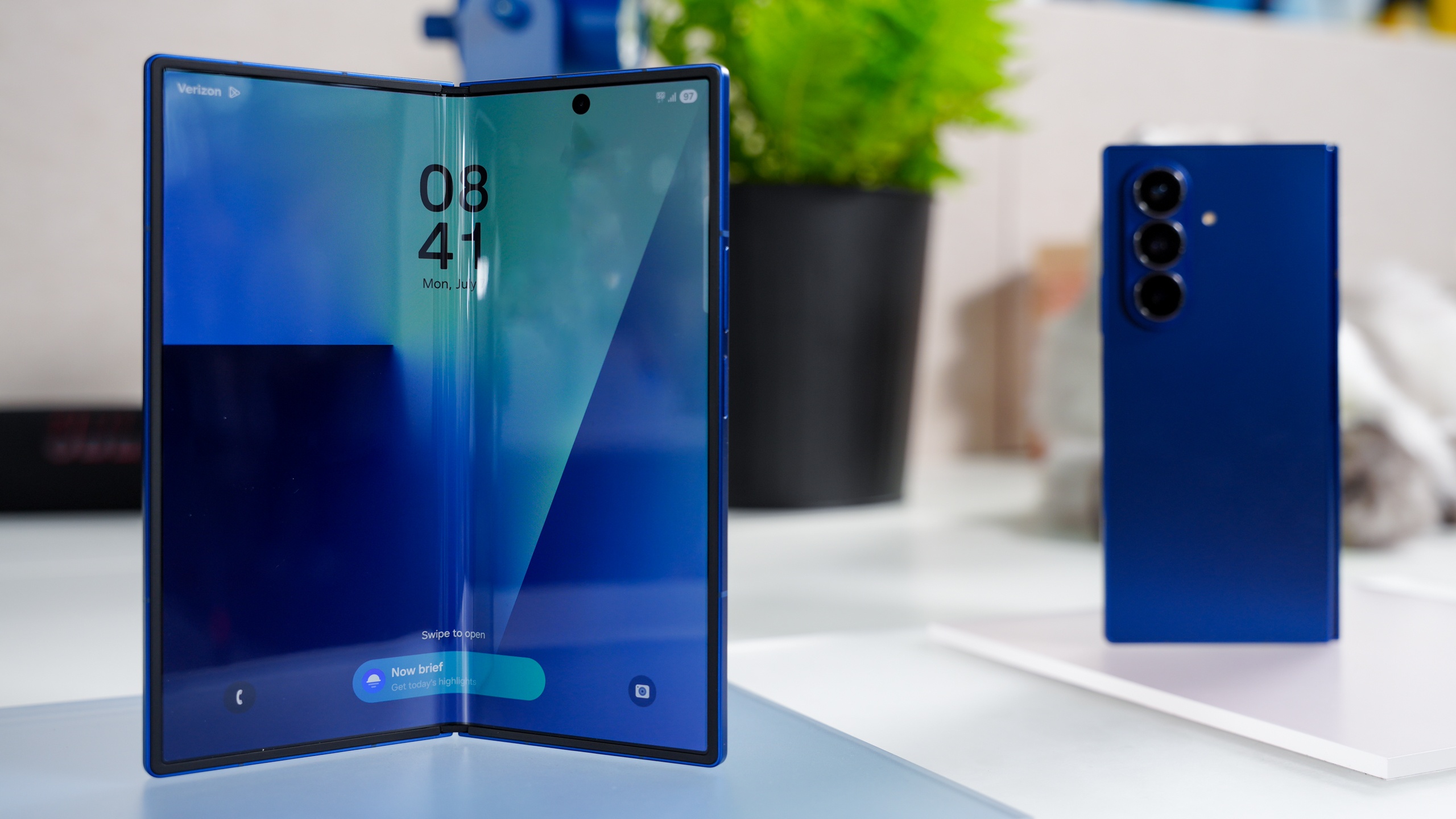
When we talk about hinge durability, we aren't just talking about the metal parts snapping. We are talking about the internal "brushes" used to sweep out dust. If you live in a particularly dusty environment or take your device to the beach, that grit can bypass the protection. This leads to the dreaded "crunchy" sound when opening the phone. For owners of the latest hardware, samsung z fold 6 inner screen issues often revolve around these minute particles creating pressure points under the flexible panel, resulting in dead pixels that "bleed" over time.
While manufacturers have tried to minimize the screen crease, it remains a permanent fixture of this technology. Under certain lighting conditions, foldable phone screen crease visibility problems can be distracting, especially when scrolling through white-background apps like Gmail or Kindle. This is a trade-off early adopters must accept: you get a larger screen, but it will never be as perfectly flat or durable as the glass on a standard smartphone.
The Hardware/Software Gap: Battery and UI Friction
Innovation often comes with a performance tax. One of the most common foldable phone problems is the disparity between what the marketing suggests—a "tablet in your pocket"—and what the battery can actually sustain. Because the phone has to fold successfully, every millimeter of device thickness is scrutinized. This forces manufacturers to use two smaller batteries connected together, which is inherently less efficient than one large, dense battery found in a traditional slab.
When you factor in the massive, high-refresh-rate internal display, you find that foldable phone battery life comparison tests usually show foldables falling short of the top-tier flagships. If you are a heavy user who spends four to five hours on the large screen, you will likely be reaching for a charger by 4 PM. There is also the issue of thermal throttling. Because the components are packed so tightly, heat dissipation is difficult. After about 40 seconds of intensive use in direct sunlight, the screen brightness often drops significantly to protect the flexible OLED from overheating.
| Feature | Traditional Flagship | Foldable Flagship |
|---|---|---|
| Screen Material | Gorilla Glass Victus 2 | Ultra-Thin Glass / Polyimide |
| Average Lifespan | 4 - 6 Years | 2 - 3 Years |
| Internal Hinge | N/A | Mechanical (Gears/Springs) |
| Water Resistance | IP68 (Common) | IPX8 (No Dust Protection) |
| Basic Screen Repair | $150 - $250 | $450 - $600 |
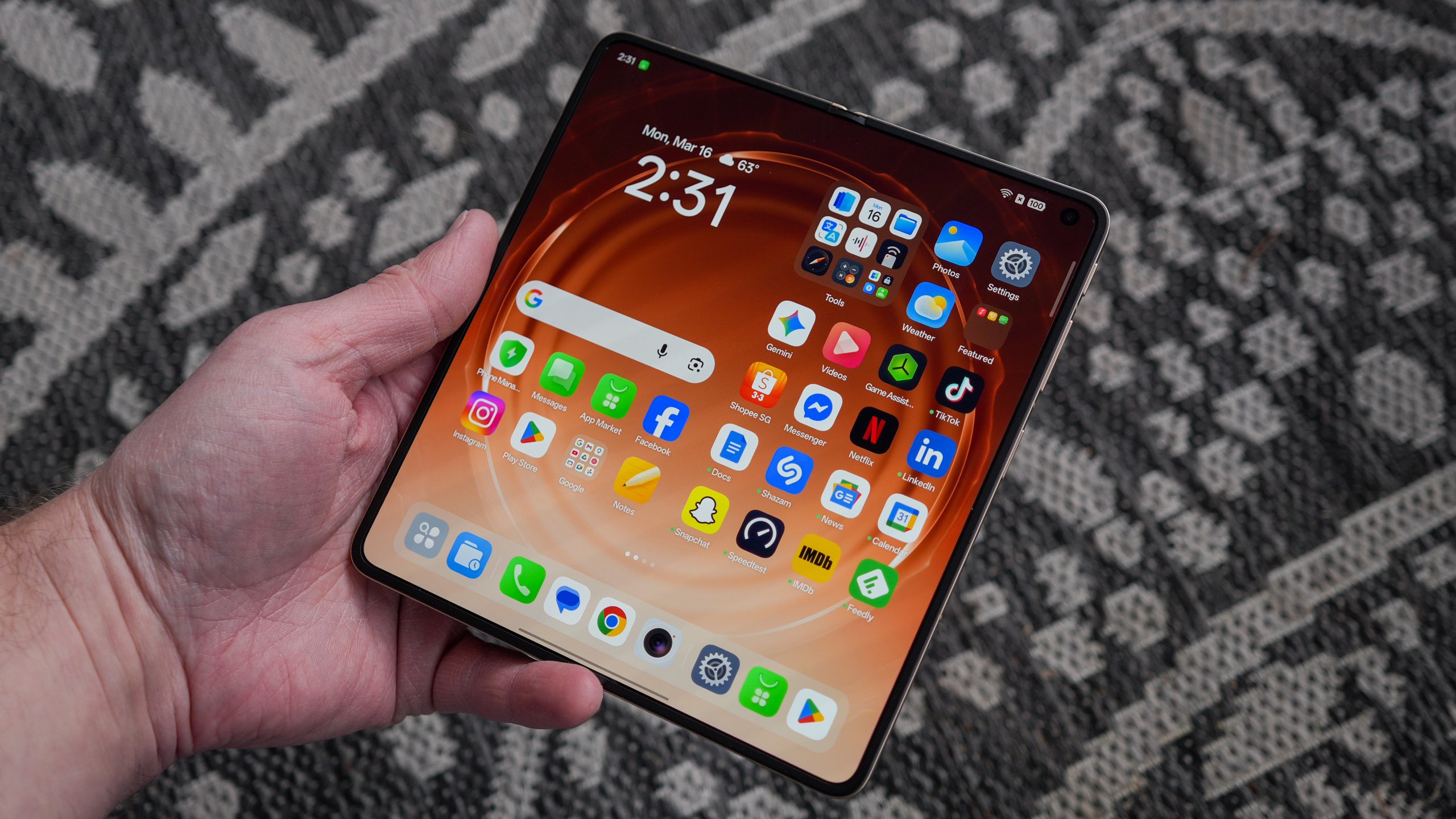
Software remains another friction point. Despite years of refinement, UI optimization is still hit-or-miss. Many apps struggle with the irregular aspect ratios of large internal screens, leading to UI optimization issues. You might open an app only to find it letterboxed with huge black bars on the sides, or worse, UI elements that are stretched and unclickable. This foldable phone app aspect ratio compatibility problem means you aren't always getting the "plus-sized" experience you paid for.
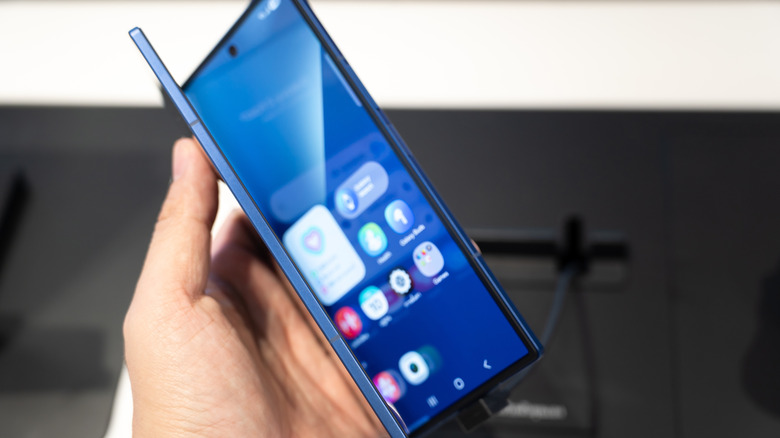
Furthermore, the sensitive nature of the folding mechanism means repair costs are often much higher than traditional phones. When an app crashes, it's a nuisance; when the display fails due to a software-driven thermal spike or a mechanical glitch, it's a financial burden.
The Hidden Costs of Ownership: Repairs and Insurance
I always tell my readers: if you can't afford the insurance, you can't afford the foldable. The disadvantages of foldable phone ownership extend far beyond the initial $1,800 price tag. Because these devices are essentially two phones connected by a complex mechanical bridge, the failure rate is statistically higher.
Repair costs for foldable smartphone hinges are among the most expensive maintenance items. If you drop a regular phone, you might crack the glass. If you drop a foldable on its hinge, you risk knocking the entire internal display out of alignment. Ownership longevity is often cut short by these "hidden" costs. Many users report that their life expectancy of foldable phone screen technology was shorter than anticipated, with issues appearing just outside the standard one-year warranty.
Common reasons to regret buying a foldable phone often center on the stress of daily use. Owners find themselves "babying" the device—avoiding using it near water despite the IPX8 rating, or constantly checking the crease for new micro-cracks. This psychological burden of owning a fragile device detracts from the smartphone innovation that makes these phones so exciting in the first place.
Second-Hand Buyer’s Guide: Avoiding 'Hidden' Fatigue
If you are looking at a used device, perhaps a bargain on a previous generation, you need to be extremely vigilant. Many samsung fold screen issues are cumulative. A device might look perfect on the outside, but the internal flexible ribbon cables that pass through the hinge can suffer from physical wear.
One specific problem I’ve seen is samsung z fold 4 inner screen issues after update which sometimes coincide with the physical age of the device. As the hinge loosens, it can exert uneven pressure on the display connector. If you are inspecting a used unit, try the "auditory check." Open and close it slowly in a quiet room. Any clicking, popping, or grinding is an immediate red flag.
For Samsung owners, there is a helpful "cheat code" to check hardware health. You can open the phone app and dial #0#. This opens a diagnostic menu that allows you to test the touch sensors across the entire surface of the flexible OLED. Look for "dead zones" along the crease. If the touch response is intermittent at the fold, the display is likely on its way out.
FAQ
What are the downsides of foldable phones?
The most significant downsides include higher susceptibility to screen damage, a shorter overall lifespan compared to traditional phones, and significantly higher repair costs. Users also frequently cite subpar battery life and app compatibility issues with the unique screen aspect ratios as major daily frustrations.
What is the lifespan of a foldable phone?
While traditional smartphones are typically expected to last four to five years, many foldable devices are reported to offer stable performance for only two to three years. The life expectancy of foldable phone screen components is limited by the mechanical stress of thousands of folds and the gradual degradation of the flexible plastic layers.
What are the common issues with Samsung Z Fold?
Commonly reported samsung foldable phone problems include the factory screen protector peeling or bubbling at the crease, "crunchy" hinges caused by dust ingress, and inner screen failures where black lines or dead pixels appear along the folding axis. Some users also experience hinge misalignment that prevents the device from opening fully flat.
Is a foldable phone reliable?
Reliability depends heavily on how the device is handled. While foldables have become much more robust since their inception, they remain more fragile than standard glass slab phones. They are reliable enough for careful users who prioritize a large screen, but they are not recommended for environments where dust, sand, or heavy physical impact are likely.
Final Verdict: Innovation vs. Reliability
So, is a foldable phone worth it? As someone who appreciates smartphone innovation, I love the utility of having a mini-tablet in my pocket. However, as a pro-consumer advocate, I cannot ignore the data. The 56% concern rate regarding durability is justified.
If you are the type of user who upgrades every two years and carries premium insurance like Samsung Care+, the foldable experience is unparalleled for productivity. However, if you expect your phone to last four or five years with minimal maintenance, you are likely to find the experience frustrating. We are still in the "early adopter" phase where the material science hasn't quite caught up to the ambition of the design. My advice? If the $600 repair bill scares you, stick with a high-quality slab for now and wait for the 2027 generation refinements.