In the shifting landscape of premium smartphones, the "flagship killer" moniker has often been used loosely. However, with the release of the OnePlus 13R, the industry is seeing a calculated return to form. Positioned as the more pragmatic sibling to the ultra-premium OnePlus 13, the 13R is a high-performance device powered by the Snapdragon 8 Gen 3 chipset. It features a stunning 6.78-inch 120Hz LTPO AMOLED display and a 50MP triple-camera system, meticulously engineered for those who prioritize raw power and longevity over niche "Pro" luxuries.
The Verdict: The OnePlus 13R offers roughly 90% of the flagship experience for nearly 60% of the price. While it trades the latest Snapdragon 8 Gen 4 and wireless charging for a more conservative price point, its class-leading 6,000mAh battery and industrial-grade display make it the most logical choice for power users who value utility over status symbols.
Design and Build: Flat, Modern, and Premium
The most immediate departure from the standard OnePlus 13 is the 13R’s move toward a completely flat 6.78-inch display. From a usability standpoint, this is a welcome shift. Curved screens, while aesthetically pleasing, often suffer from accidental edge touches and increased fragility. The 13R utilizes an aluminum frame paired with Gorilla Glass 7i, providing a structural rigidity that feels premium without the excessive weight of titanium.
There is, however, a strategic compromise in durability ratings. While the flagship OnePlus 13 boasts an IP69 rating—capable of withstanding high-pressure water jets—the OnePlus 13R settles for IP65. This means the device is fully dust-proof and can handle rain or accidental splashes, but it should not be submerged in deep water. For the average urban traveler or commuter, this distinction is negligible, though it remains a data point for the adventurous buyer. Thankfully, the signature Alert Slider remains on the left edge, a tactile relic that continues to be one of the best functional designs in mobile history.
Display: Peak Brightness for Half the Price
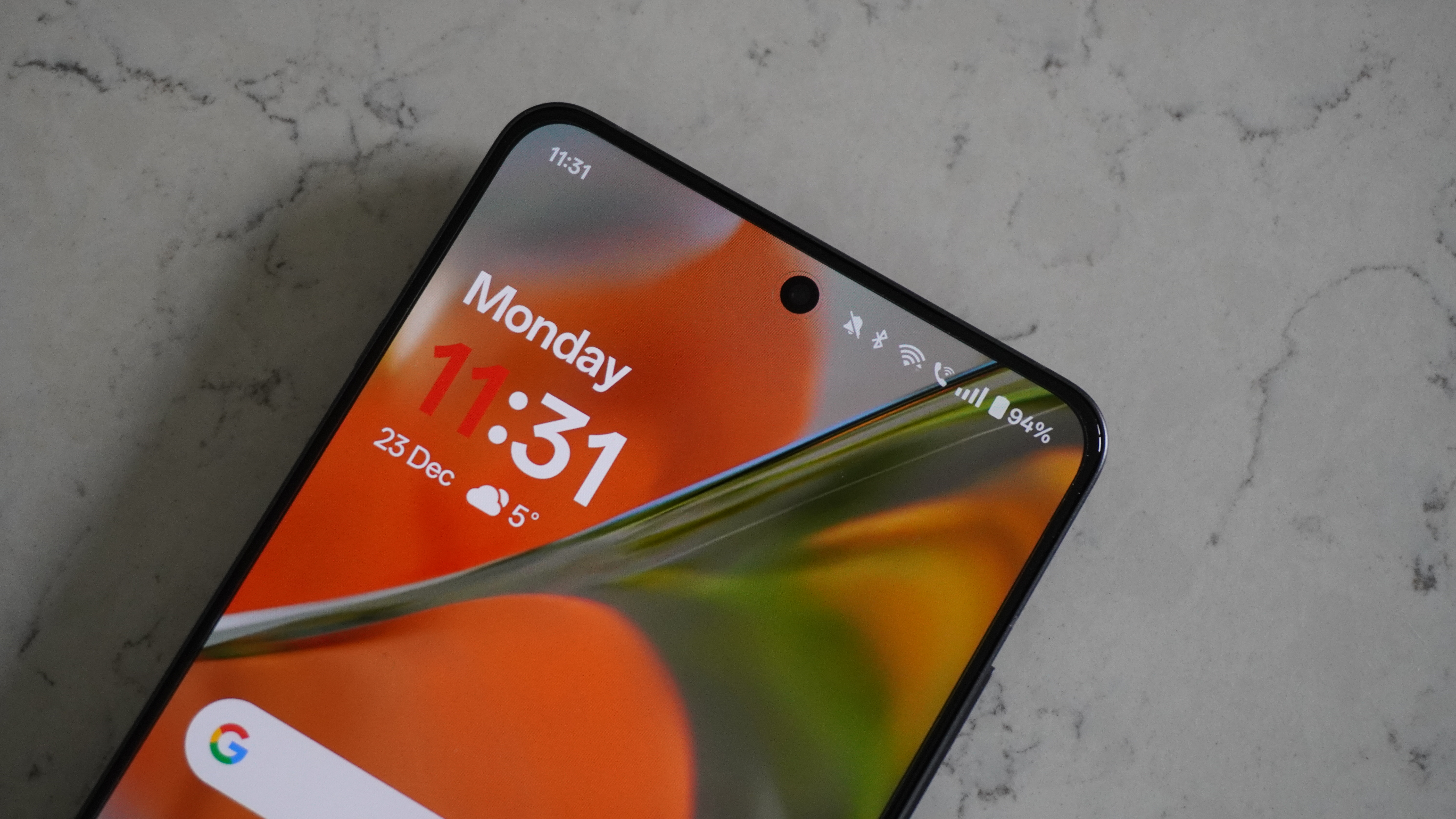
One might expect the display to be the first area where a "value" flagship cuts corners, but the OnePlus 13R defies that logic. It achieves a peak brightness of 4,500 nits, matching the display performance of the high-end OnePlus 13 flagship. In practical terms, this ensures the screen remains perfectly legible under the harsh glare of high-altitude sun or direct tropical light—a benchmark most mid-range competitors fail to meet.
The 13R employs LTPO 4.1 technology, allowing the refresh rate to scale dynamically from 1Hz to 120Hz. This intelligence is crucial for battery conservation, as it drops the energy draw when you are viewing static content and ramps up for fluid gaming.
Key Display Specifications:
- Resolution: 2,780 x 1,264 (1.5K), offering a sharp 450 PPI density.
- Technology: ProXDR with 10-bit color depth and 100% DCI-P3 coverage.
- Protection: Integrated eye-care features to reduce blue light during late-night usage.
Performance: Is the Snapdragon 8 Gen 3 Still Fast Enough?
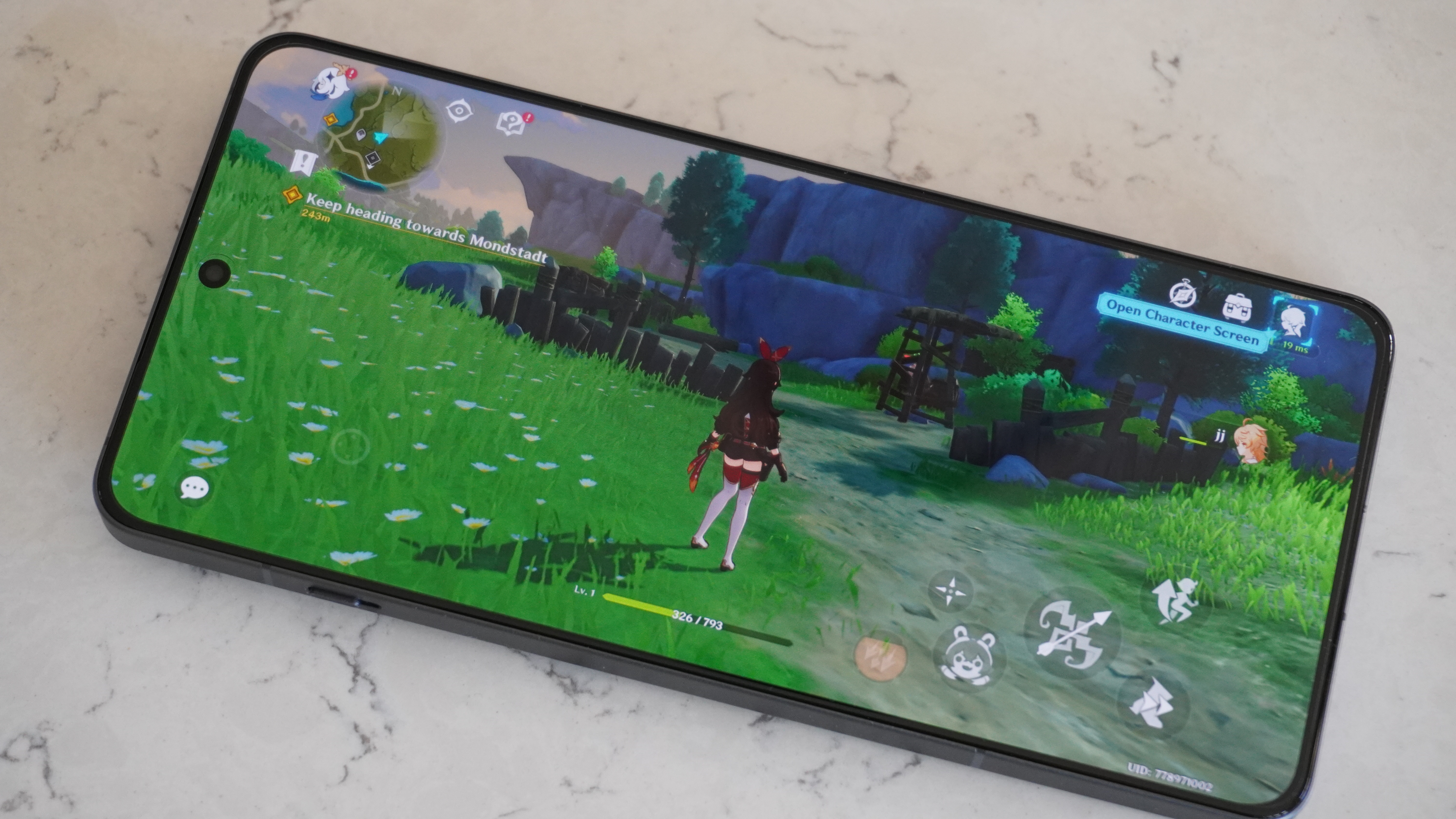
The OnePlus 13R is powered by the Snapdragon 8 Gen 3. While this is technically "last year's" flagship chip following the debut of the Gen 4 (Snapdragon 8 Elite), the performance gap for 95% of users is non-existent. The Gen 3 remains a performance beast, outclassing nearly every dedicated mid-range processor on the market. When paired with 12GB of LPDDR5X RAM and 256GB of UFS 4.0 storage, the 13R handles multi-tasking and high-fidelity gaming with ease.
In our analysis, the Snapdragon 8 Gen 3 provides a more stable thermal profile than many first-generation "Elite" chips, meaning the 13R can maintain high frame rates in games like Genshin Impact or PUBG Mobile without aggressive throttling. For the pragmatist, choosing a refined, top-tier chip from the previous cycle is often smarter than paying a premium for the newest silicon that offers diminishing returns in daily tasks.
Battery and Charging: The True 'Pro' Feature
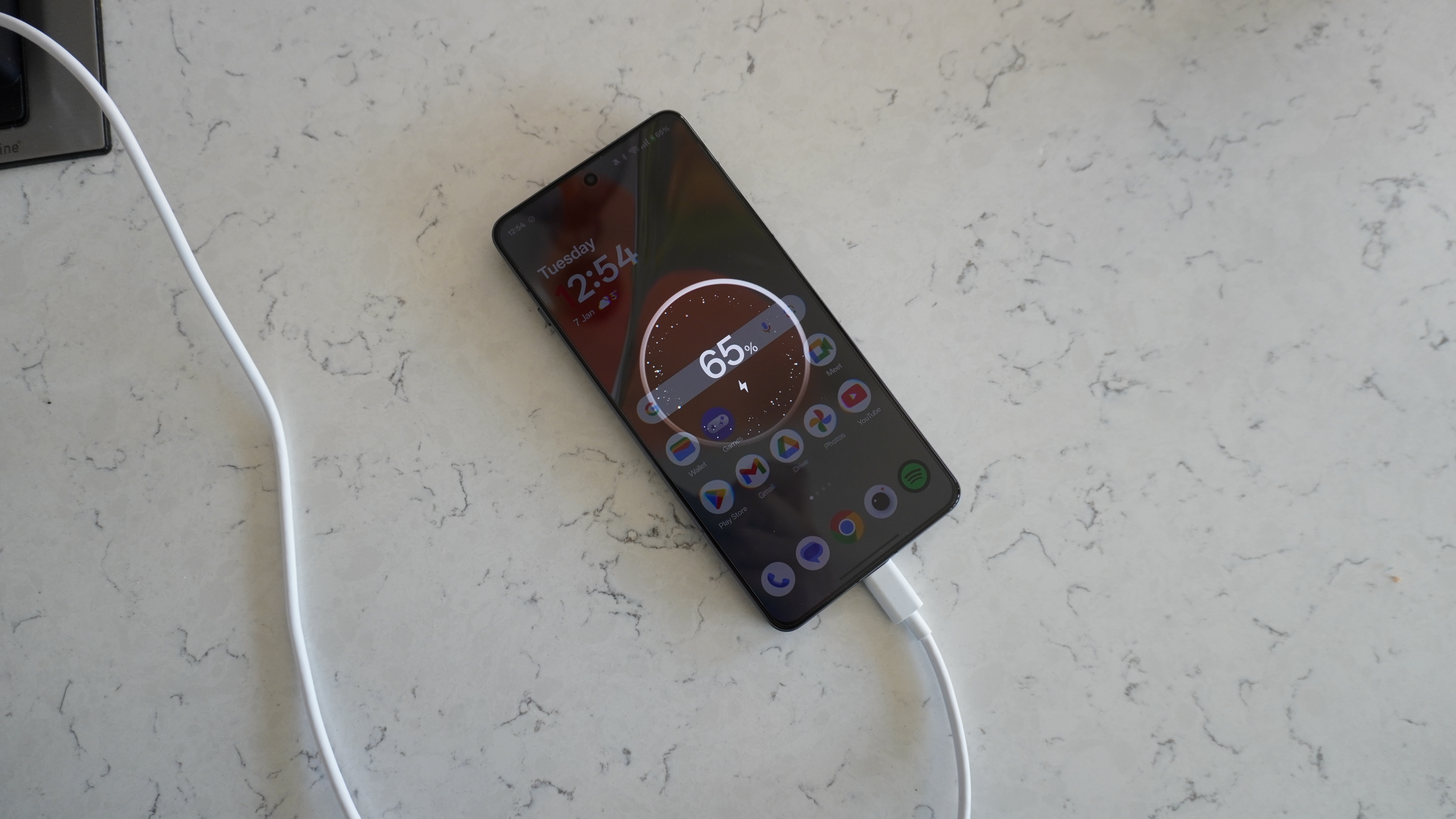
If there is one area where the OnePlus 13R actually outperforms its more expensive peers, it is endurance. The device is equipped with a massive 6,000mAh battery. To put that in perspective, this capacity is approximately 20% larger than the standard 5,000mAh batteries found in the Samsung Galaxy S24 Ultra or the Google Pixel 9 Pro XL.
This translates to genuine two-day battery life for light users. For heavy gamers or those who spend their days navigating foreign cities via GPS, the 13R easily provides a full day of heavy usage with a comfortable 20-30% buffer at bedtime.
Charging Dynamics:
- 80W Wired Charging: The device can go from 0% to 100% in approximately 52-57 minutes.
- The Trade-off: To maintain the lower price point, OnePlus has omitted wireless charging.
- Efficiency: The included GaN charger in the box (in most regions) ensures you aren't paying extra for the fastest speeds.
Camera System: Reliability Over Hype
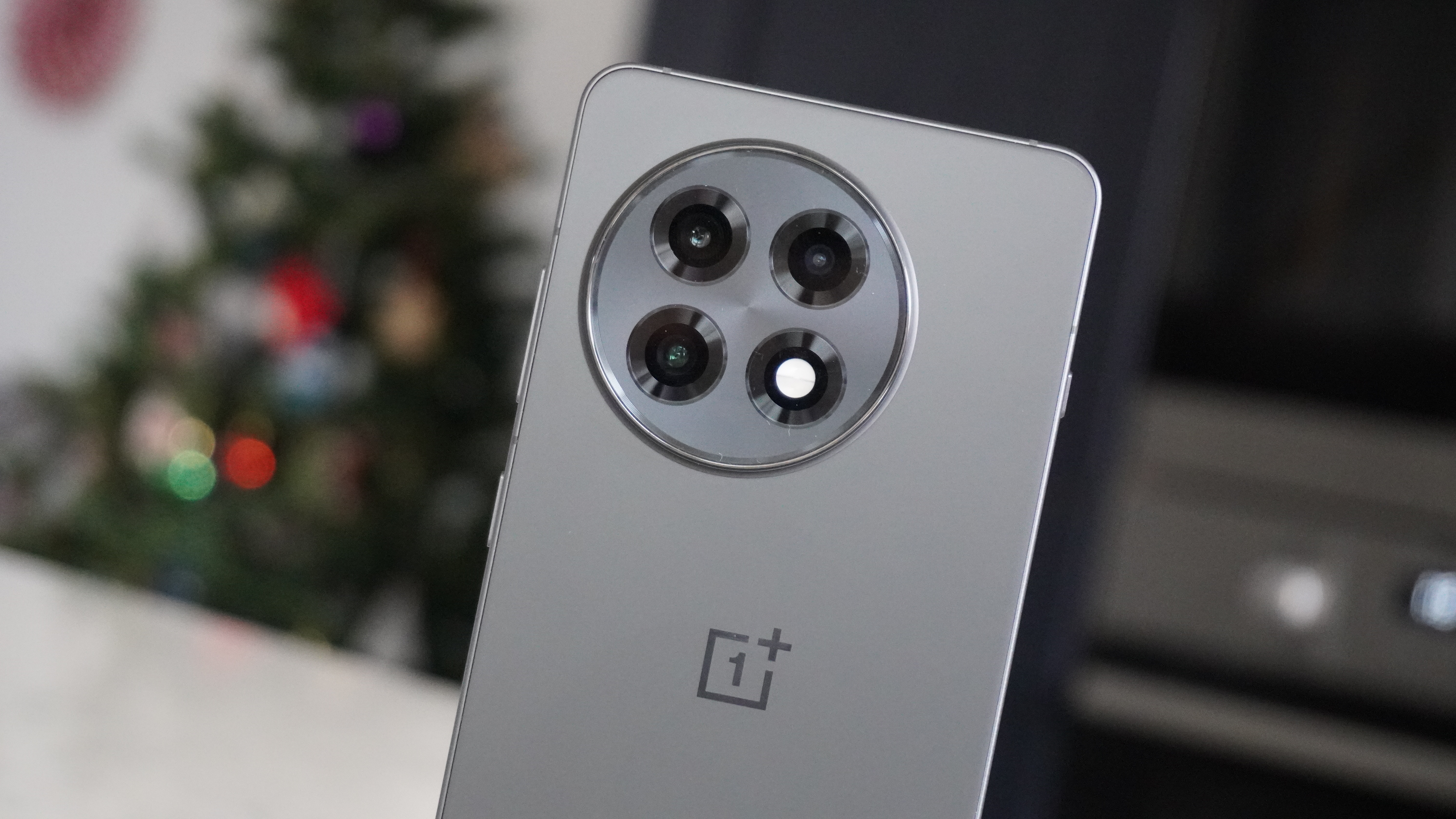
The camera configuration on the OnePlus 13R is designed for reliability rather than professional cinematography. The primary sensor is a 50MP Sony LYT-700 with Optical Image Stabilization (OIS). In well-lit environments, it produces images with excellent dynamic range and natural color science.
The supporting cast includes a 50MP Telephoto lens (2x optical zoom) and an 8MP Ultra-wide lens. While the ultra-wide is somewhat pedestrian for a flagship-tier device, the main sensor and telephoto lens are bolstered by OnePlus's new AI suite.
- AI Detail Boost: Intelligently upscales cropped images to maintain sharpness.
- AI Unblur: Fixes motion blur in candid shots of pets or children.
- AI Reflection Eraser: A godsend for travelers taking photos through museum glass or airplane windows.
OnePlus 13R vs. OnePlus 13: Which Should You Choose?
Deciding between the two models comes down to identifying which "Pro" features you actually use. If you are not a professional mobile photographer and you don't own a wireless charging pad, the 13R is arguably the better value.
| Feature | OnePlus 13R | OnePlus 13 |
|---|---|---|
| Processor | Snapdragon 8 Gen 3 | Snapdragon 8 Elite (Gen 4) |
| Battery | 6,000mAh | 5,400mAh - 6,000mAh (Region dependent) |
| Charging | 80W Wired | 100W Wired / 50W Wireless |
| IP Rating | IP65 (Splash proof) | IP69 (Full submersion) |
| Display | 1.5K Flat | 2K Slightly Curved |
| Main Camera | Sony LYT-700 (50MP) | Sony LYT-808 (50MP) |
The $300+ price gap is significant. For the price of one OnePlus 13, you could almost buy a 13R and a round-trip ticket to a European capital.
Software and Longevity
The OnePlus 13R ships with OxygenOS 15, based on Android 15. The software experience has been refined to emphasize "Parallel Processing," which makes animations feel instantaneous. Furthermore, OnePlus has committed to an industry-leading update policy for the 13R: 4 years of major Android OS updates and 6 years of security patches. This ensures the device remains relevant and secure well into 2030, a critical factor for those who view a smartphone as a long-term investment.
Final Verdict: Who is the OnePlus 13R For?
The OnePlus 13R is a masterclass in compromise. By stripping away the "nice-to-haves" like wireless charging and extreme water submersion ratings, OnePlus has delivered a device that focuses on the core pillars of the mobile experience: display quality, processing speed, and extreme battery life.
Buy the OnePlus 13R if:
- You are a mobile gamer who needs sustained performance and a flat screen.
- You travel frequently and require a battery that can survive a 14-hour flight and transit.
- You want flagship-level software support without the $1,000 price tag.
Skip the OnePlus 13R if:
- You rely heavily on wireless charging ecosystems.
- You require the absolute best telephoto zoom for professional photography.
- You need the highest possible IP rating for extreme environments.
Check OnePlus 13R Availability →
FAQ
Does the OnePlus 13R support expandable storage? No, the OnePlus 13R does not feature a microSD card slot. However, it comes with a generous 256GB of high-speed UFS 4.0 storage as standard.
How does the IP65 rating compare to the IP69 on the OnePlus 13? IP65 means the phone is protected against dust and low-pressure water jets (like rain or a spill). IP69 is a much higher standard that protects against high-pressure, high-temperature water jets and prolonged submersion. For daily use, IP65 is sufficient, but don't take the 13R swimming.
Can I use my old OnePlus charger for 80W speeds? To achieve the full 80W charging speed, you must use the official OnePlus SuperVOOC cable and power adapter. Using a standard USB-C Power Delivery (PD) charger will result in slower, though still respectable, charging speeds.