As the dust settles on the major tech reveals of early 2026, the landscape of the premium smartphone market has never been more clearly bifurcated. For the seasoned traveler, the professional on the move, or the digital creative, the choice of a primary device is more than a matter of brand loyalty; it is a decision about which ecosystem best complements a high-performance lifestyle.
Entering 2026, we find ourselves at a fascinating crossroads. The Samsung Galaxy S25 Ultra and the Google Pixel 10 Pro represent two divergent philosophies of what a flagship should be. Samsung continues to double down on raw hardware dominance and "everything-but-the-kitchen-sink" utility. Meanwhile, Google has finally matured its hardware-software integration to a point where the Pixel is no longer just the "smartest" phone, but a genuine contender for the title of the most refined.
After weeks of hands-on testing and data analysis, the distinction is clear: the Samsung Galaxy S25 Ultra is the definitive choice for power users, gamers, and digital artists who require unrelenting performance. Conversely, the Google Pixel 10 Pro is the superior tool for those who prioritize the most intuitive AI features, world-class selfie capabilities, and a cleaner, more streamlined user interface.
The Verdict: Which Flagship Reigns Supreme?
If you are looking for a quick decision, the choice hinges on your specific priorities. The Samsung Galaxy S25 Ultra remains the gold standard for "hardware horsepower," as evidenced by its superior ranking in the latest Consumer Reports, which cites its durability and battery longevity as best-in-class. However, the Google Pixel 10 Pro has narrowed the gap significantly, offering a more accessible entry price and a sophisticated AI suite that feels more "human" than Samsung’s feature-heavy Galaxy AI.
| Feature | Samsung Galaxy S25 Ultra | Google Pixel 10 Pro |
|---|---|---|
| Display | 6.9-inch Dynamic AMOLED (2,600 nits) | 6.3-inch Actua OLED (3,300 nits) |
| Processor | Snapdragon 8 Elite for Galaxy | Google Tensor G5 |
| RAM | 12GB | 16GB |
| Rear Camera | 200MP Main / 50MP + 10MP Tele / 12MP UW | 50MP Main / 48MP Tele / 48MP UW |
| Starting Price | $1,049 | $849 |
| Key Advantage | S Pen & Zoom Versatility | AI Integration & Selfie Quality |
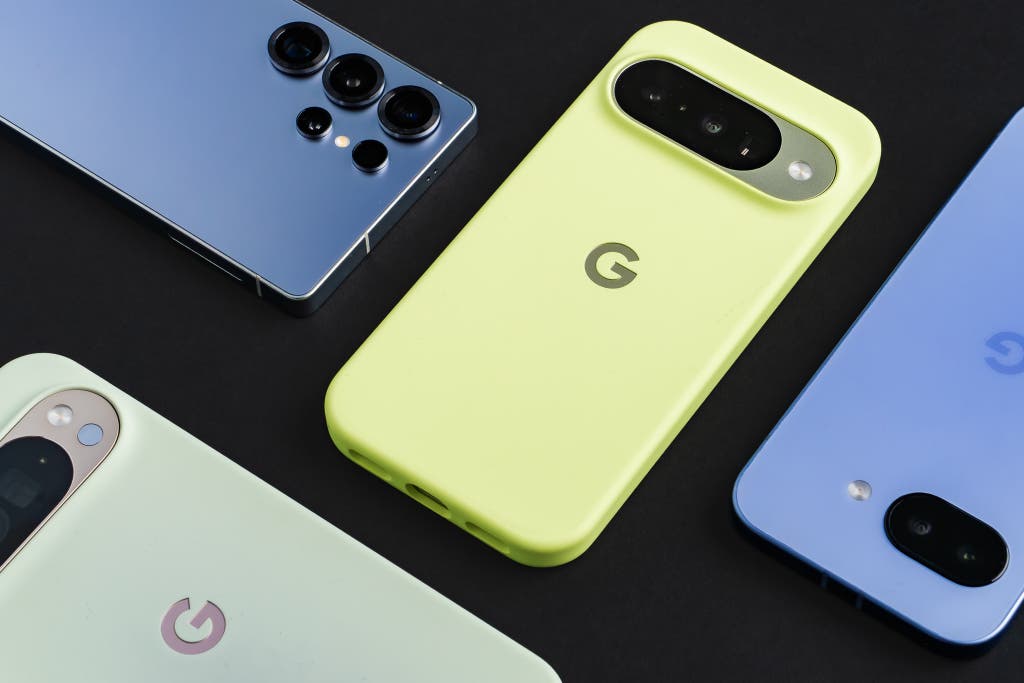
Design and Display: Brighter vs. Bigger
In 2026, the battle for your pocket space is defined by two different approaches to ergonomics. The Google Pixel 10 Pro has embraced a "compact pro" philosophy. Its 6.3-inch Actua OLED display is a marvel of modern engineering, pushing peak brightness to a staggering 3,300 nits. This makes the Pixel exceptionally legible even under the harsh glare of a Mediterranean sun or the high-altitude light of a ski resort.
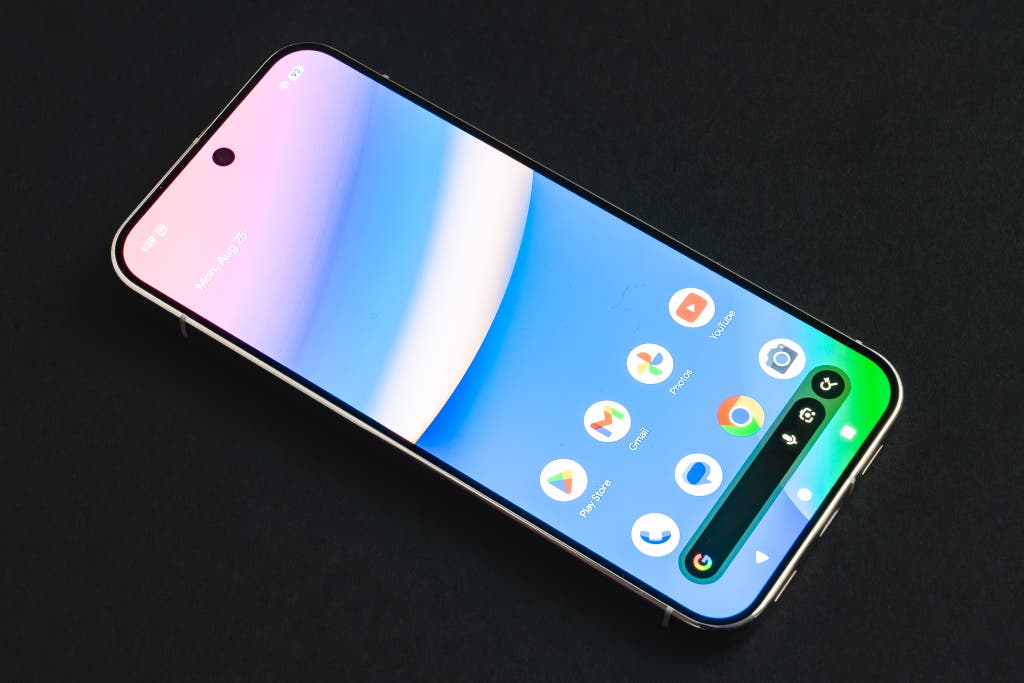
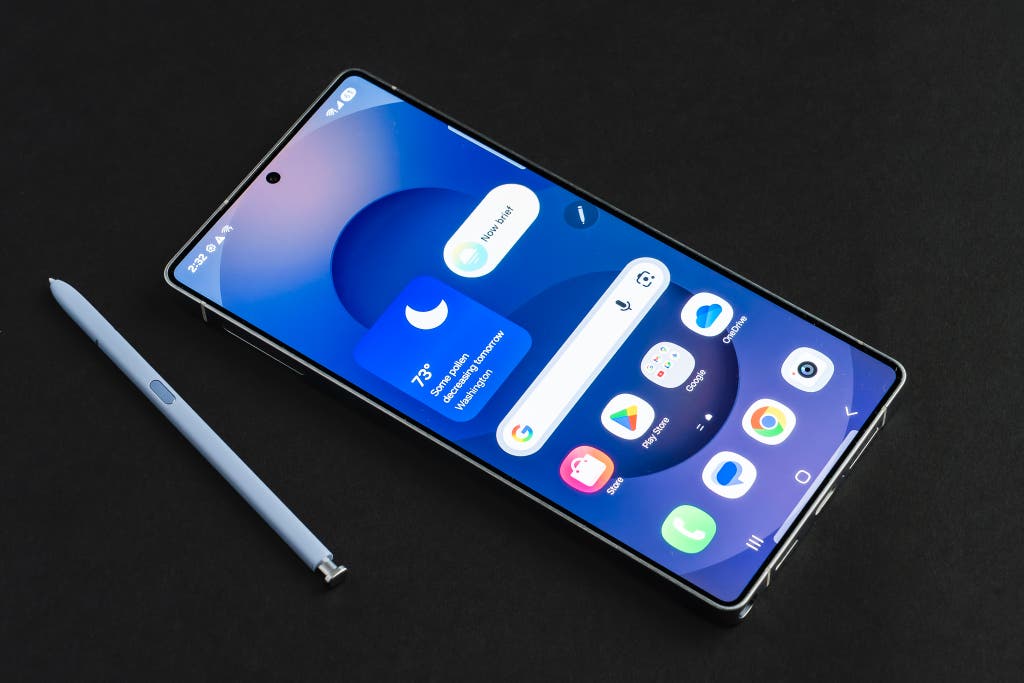
The Samsung Galaxy S25 Ultra, on the other hand, is a behemoth designed for maximum immersion. Its 6.9-inch display is framed in a refined titanium chassis that feels remarkably light for its size, but there is no denying its presence in the hand. Samsung has also included an advanced anti-reflective coating that, while not as bright as the Pixel on paper (peaking at 2,600 nits), offers superior contrast and visibility in variable lighting conditions.
Design Highlights:
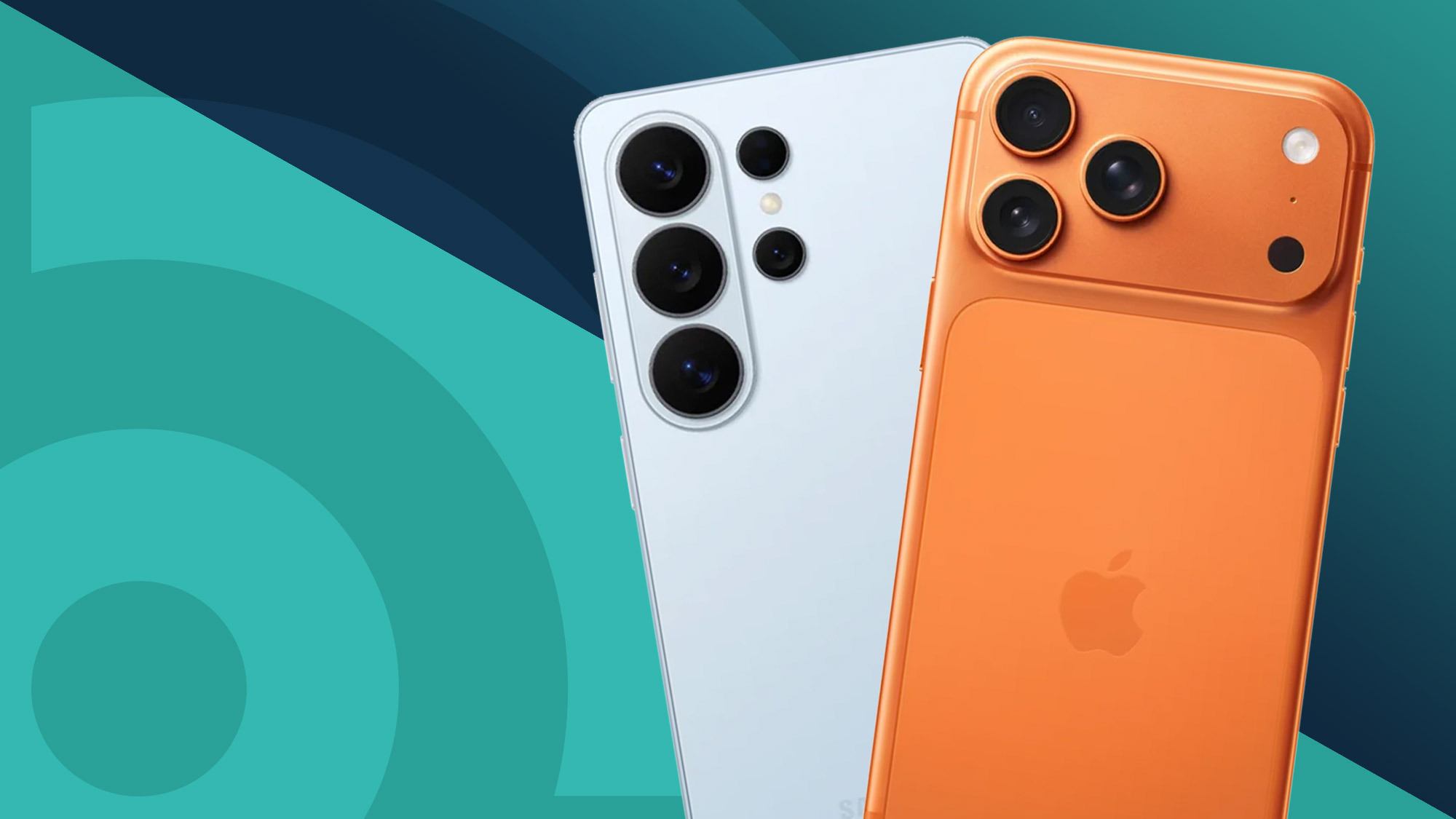
- Samsung S25 Ultra: Features a sharper, more rectangular silhouette that accommodates the integrated S Pen. Its titanium build offers a rugged, premium feel that suggests it can survive the rigors of frequent travel.
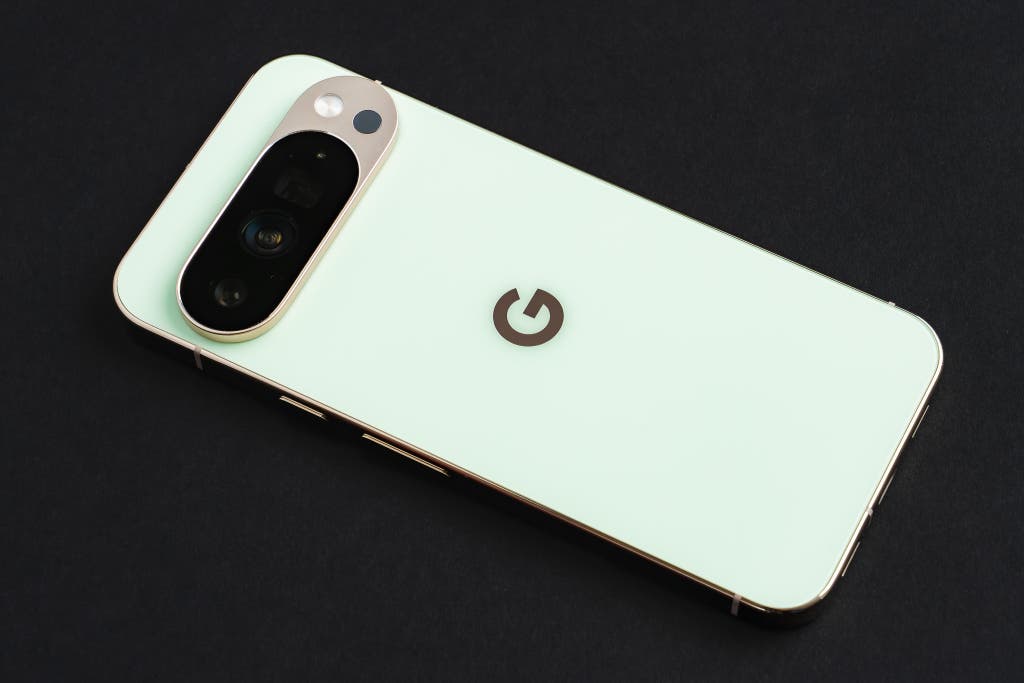
- Google Pixel 10 Pro: Offers a more rounded, comfortable grip. The signature camera bar has been further refined, giving it a distinct aesthetic that stands out in a sea of generic slabs.
Performance: Raw Horsepower vs. Optimized Intelligence
Under the hood, we see the most significant divergence in engineering philosophy. The Samsung Galaxy S25 Ultra utilizes the Snapdragon 8 Elite, a chipset designed for blistering speeds and sustained high performance. Whether you are editing 8K video on the fly or playing the latest AAA mobile games, the S25 Ultra simply does not throttle. It is built for longevity, ensuring that the device will remain snappy five or six years down the line.
Google’s Tensor G5 chip in the Pixel 10 Pro takes a different path. It doesn't aim to win raw benchmark wars against Qualcomm. Instead, it is highly optimized for on-device AI processing. Interestingly, the Google Pixel 10 Pro offers 16GB of RAM, which is 33% more than the 12GB found in the Samsung Galaxy S25 Ultra. This extra memory is crucial for Google’s aggressive AI roadmap, allowing the phone to run complex Large Language Models (LLMs) locally without relying on the cloud.
Expert Insight: While the S25 Ultra wins in raw gaming performance, the Pixel 10 Pro’s 16GB of RAM provides a smoother experience when multitasking between AI-heavy apps like real-time voice translation and generative image editing.
Camera Shootout: Versatility vs. Selfies
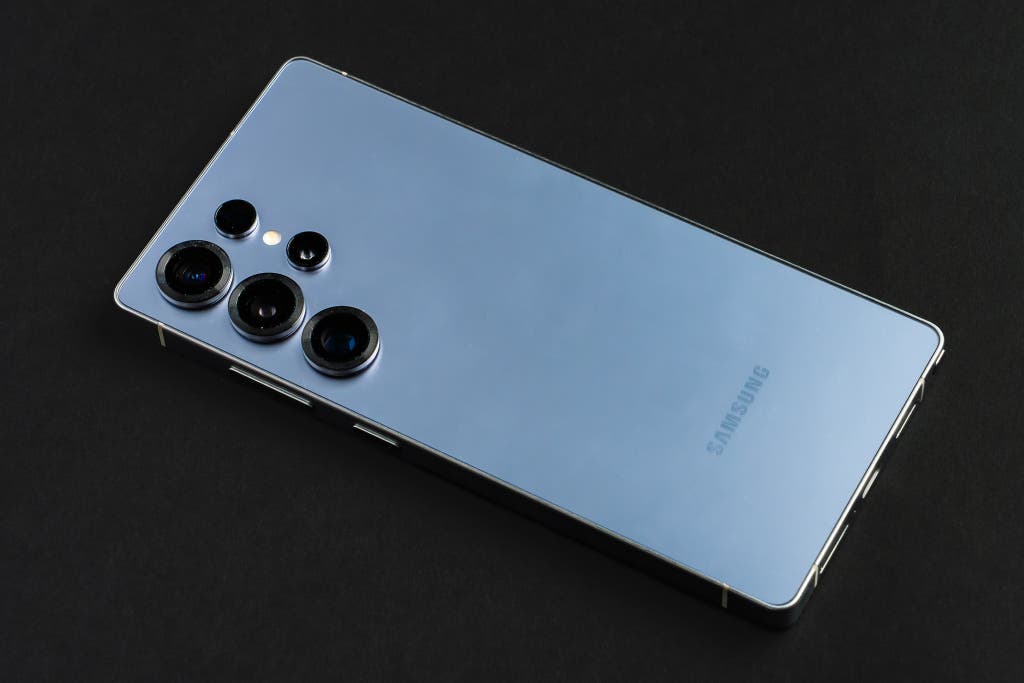
For many, the camera is the deciding factor. Samsung’s quad-lens system is a masterclass in versatility. The 200MP main sensor captures an incredible amount of detail, but it is the telephoto capability that remains the industry leader. If you are a traveler who frequently finds yourself capturing distant architectural details or wildlife, the S25 Ultra’s optical zoom remains unmatched in 2026.
However, the Google Pixel 10 Pro is arguably the better "point-and-shoot" camera for the average user. Google’s computational photography continues to lead the way in skin tone accuracy and HDR processing. Furthermore, the Pixel 10 Pro is the definitive winner for selfie quality. Its front-facing camera, paired with the Tensor G5’s image signal processing, produces portraits that look professional rather than processed.
Camera Comparison:
- Samsung S25 Ultra Pros: Unbeatable zoom (up to 100x Space Zoom), 8K/60fps video recording, and specialized "Director’s View" for creators.
- Google Pixel 10 Pro Pros: Best-in-class low-light performance (Night Sight), superior Magic Eraser/Editor features, and the most natural-looking portraits in mobile photography.
Battery, Charging, and AI Features
Battery life is the unsung hero of the travel experience. According to the latest retail and lab data from Consumer Reports, the Samsung Galaxy S25 Ultra holds a slight edge in total screen-on time, often lasting well into a second day of moderate use. Samsung’s 45W wired charging is respectable, but it still lacks the convenience of what Google has introduced this year.
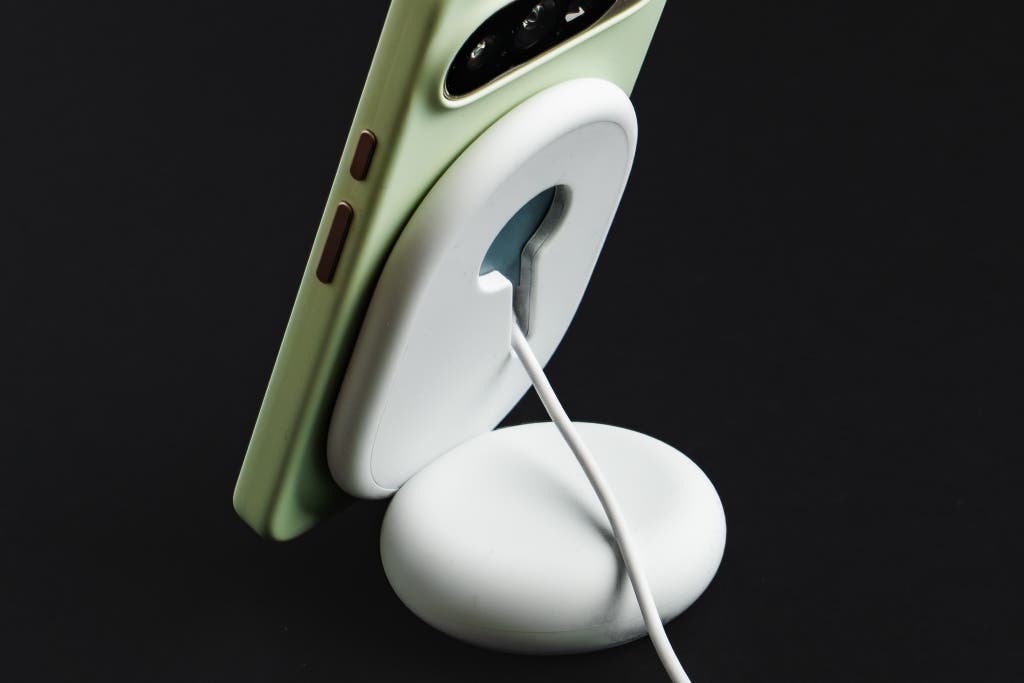
The Pixel 10 Pro introduces Pixelsnap magnetic charging, a standard that simplifies the charging ecosystem and allows for a new range of magnetic accessories. In terms of software, Google Gemini is deeply woven into the Pixel experience. Features like "Magic Cue" (which predicts your next needed action) and real-time "Voice Translate" make the Pixel an indispensable companion for international travel.
Samsung’s Galaxy AI is equally ambitious but focuses more on productivity. The integration with the S Pen allows for features like "Circle to Search" and "Note Assist" that transform the phone into a pocket-sized workstation.
Price and Value: The $200 Gap
Perhaps the most compelling argument for the Google Pixel 10 Pro is the price. At $849, it provides a significantly more budget-friendly entry point into the flagship world than the $1,049 Samsung Galaxy S25 Ultra.
While $200 might seem like a small difference at the high end, it is a significant margin when you consider that both phones offer 7 years of guaranteed software and security updates. With the Pixel, you are getting nearly identical "flagship feel" and superior AI software for substantially less money. Samsung justifies its premium through the inclusion of the S Pen, a more complex camera array, and the raw power of the Snapdragon 8 Elite.
Conclusion: Which Should You Buy?
Choosing between these two titans of 2026 comes down to your personal "User Persona":
Choose the Samsung Galaxy S25 Ultra if:
- You are a power user who treats your phone as a primary computing device.
- You are a digital artist or note-taker who will utilize the S Pen.
- You need the best zoom camera on the market for travel photography.
- You prioritize the highest possible raw performance for gaming.
View Samsung S25 Ultra Deals →
Choose the Google Pixel 10 Pro if:
- You want the cleanest, most intuitive Android experience available.
- You value AI features that assist with daily tasks and travel (translation, scheduling).
- You are a social media enthusiast who wants the best selfie and portrait quality.
- You want a high-end flagship experience at a more competitive price point.
FAQ
1. Is the Samsung Galaxy S25 Ultra worth the extra $200? For most users, the Pixel 10 Pro offers better value. However, if you require the S Pen for work or the 100x zoom for specific photography needs, the S25 Ultra's hardware justifies the premium.
2. Which phone has the better screen for outdoor use? While the Pixel 10 Pro has a higher peak brightness (3,300 nits), Samsung’s anti-reflective coating is remarkably effective at reducing glare. In direct sunlight, both are excellent, but the Pixel is technically brighter.
3. Does the 16GB of RAM in the Pixel make it faster than the Samsung? Not necessarily. The Samsung’s Snapdragon 8 Elite is faster for processing raw data (like gaming). The Pixel’s 16GB of RAM is primarily used to keep AI features running smoothly in the background without closing other apps.
4. How long will these phones stay relevant? Both Samsung and Google have committed to 7 years of software and security updates, meaning both devices will be supported until 2033.