The 2025 smartphone landscape represents a fundamental shift in consumer electronics. For years, the Android market was characterized by a "spec race"—higher megapixels, faster clock speeds, and more RAM. However, as we enter 2025, the narrative has pivoted toward two distinct pillars: artificial intelligence and hardware longevity. Following the latest Consumer Reports data and laboratory testing, it is clear that the industry has finally addressed the most significant consumer pain point: the upgrade cycle.
Samsung and Google have standardized a 7-year software update policy for their 2025 flagships. This move has effectively increased the average device lifecycle by 40% compared to the previous 5-year support cycles common just two years ago. For the discerning buyer, this means a $1,200 investment now carries the same annual cost-utility ratio as a mid-range phone from 2020.
Whether you are a frequent traveler requiring global connectivity and elite photography or a professional seeking a productivity powerhouse, the 2025 lineup offers more variety than ever. This guide filters the noise, focusing on objective performance metrics and long-term value.
Quick Picks: Best Android Phones at a Glance
| Model | Best For | Key Feature | Price |
|---|---|---|---|
| Samsung Galaxy S25 Ultra | Premium/Productivity | S Pen & 200MP Quad-Camera | $1,299 |
| Google Pixel 10 Pro | AI & User Experience | Gemini On-Device AI | $999 |
| Google Pixel 9a | Budget-Conscious | 7-Year Update Policy | $499 |
| OnePlus 15 | Battery & Performance | 7,300mAh Battery | $799 |
The Best Overall Premium Android: Samsung Galaxy S25 Ultra
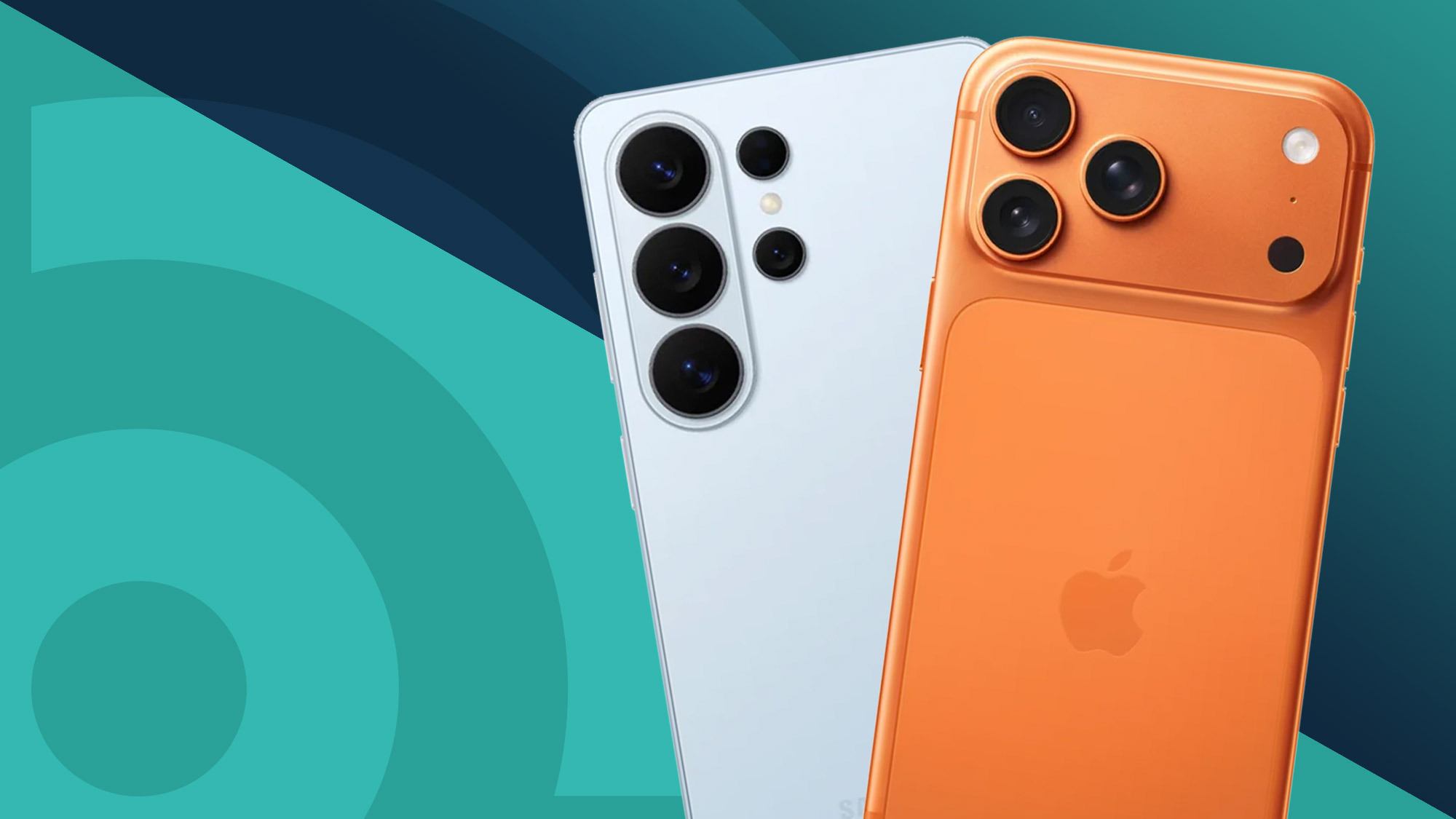
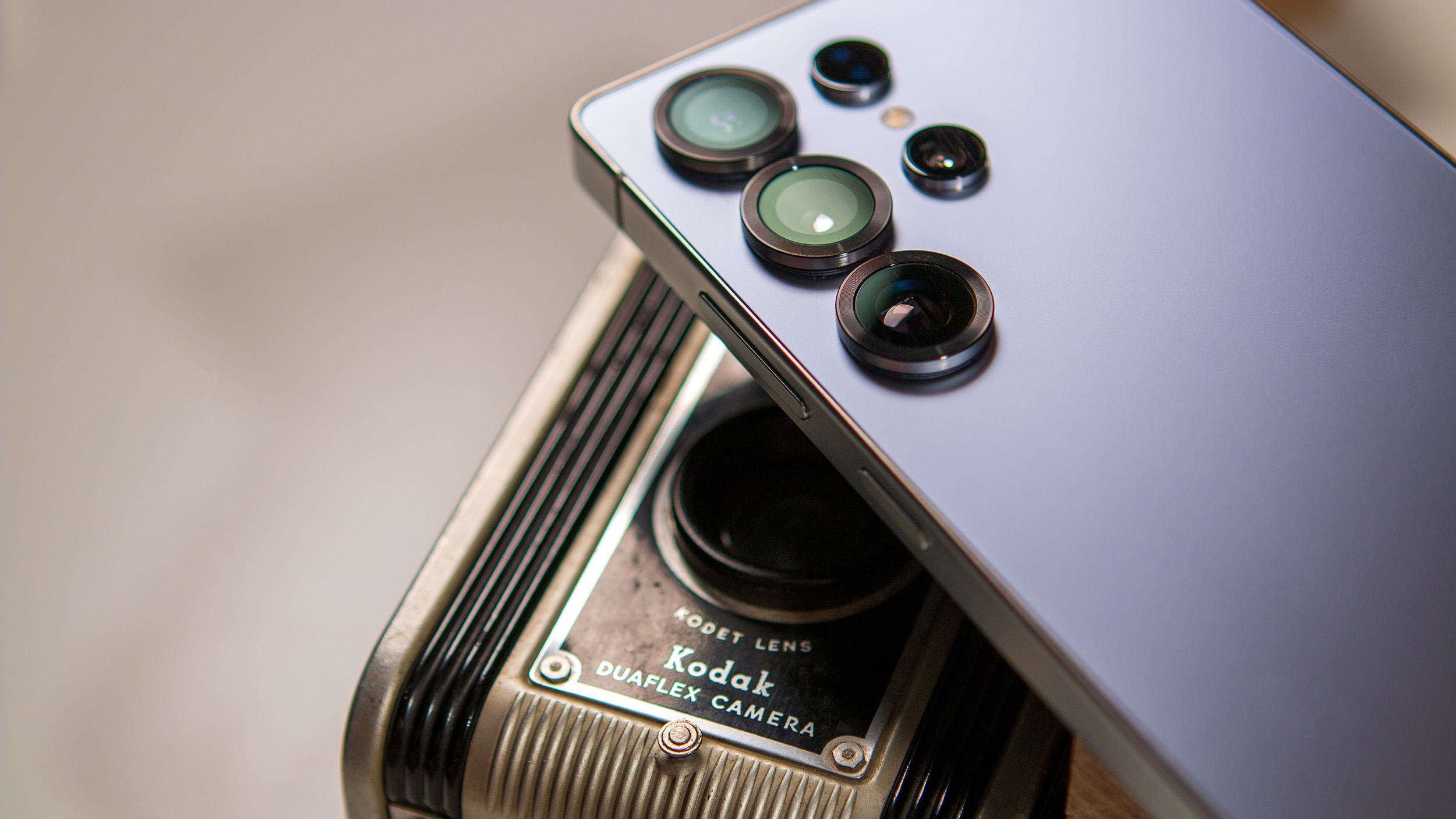
The Samsung Galaxy S25 Ultra remains the "Gold Standard" for high-end Android hardware. Consumer Reports consistently rates the Ultra series at the top of their charts for display quality and camera versatility, and the 2025 iteration is no exception. Powered by the Snapdragon 8 Elite processor, the S25 Ultra handles multitasking with a level of fluidity that rivals desktop environments.
What sets the S25 Ultra apart from its peers is the integration of the S Pen. While some might view a stylus as a relic of the past, for artists, architects, and business travelers, it is an indispensable tool for signing documents or sketching ideas on the move. The new 6.9-inch display features an advanced antireflective coating, significantly improving visibility in direct sunlight—a critical factor for outdoor photography.
Pros:
- Industry-leading 200MP quad-camera setup with superior optical zoom.
- Snapdragon 8 Elite offers the best-in-class thermal management and speed.
- The titanium frame and Gorilla Glass Armor provide exceptional durability.
Cons:
- The $1,299 price point remains a significant barrier for many.
- The large 6.9-inch form factor can be cumbersome for one-handed use.
The Best Value for Most Users: Google Pixel 10 Pro
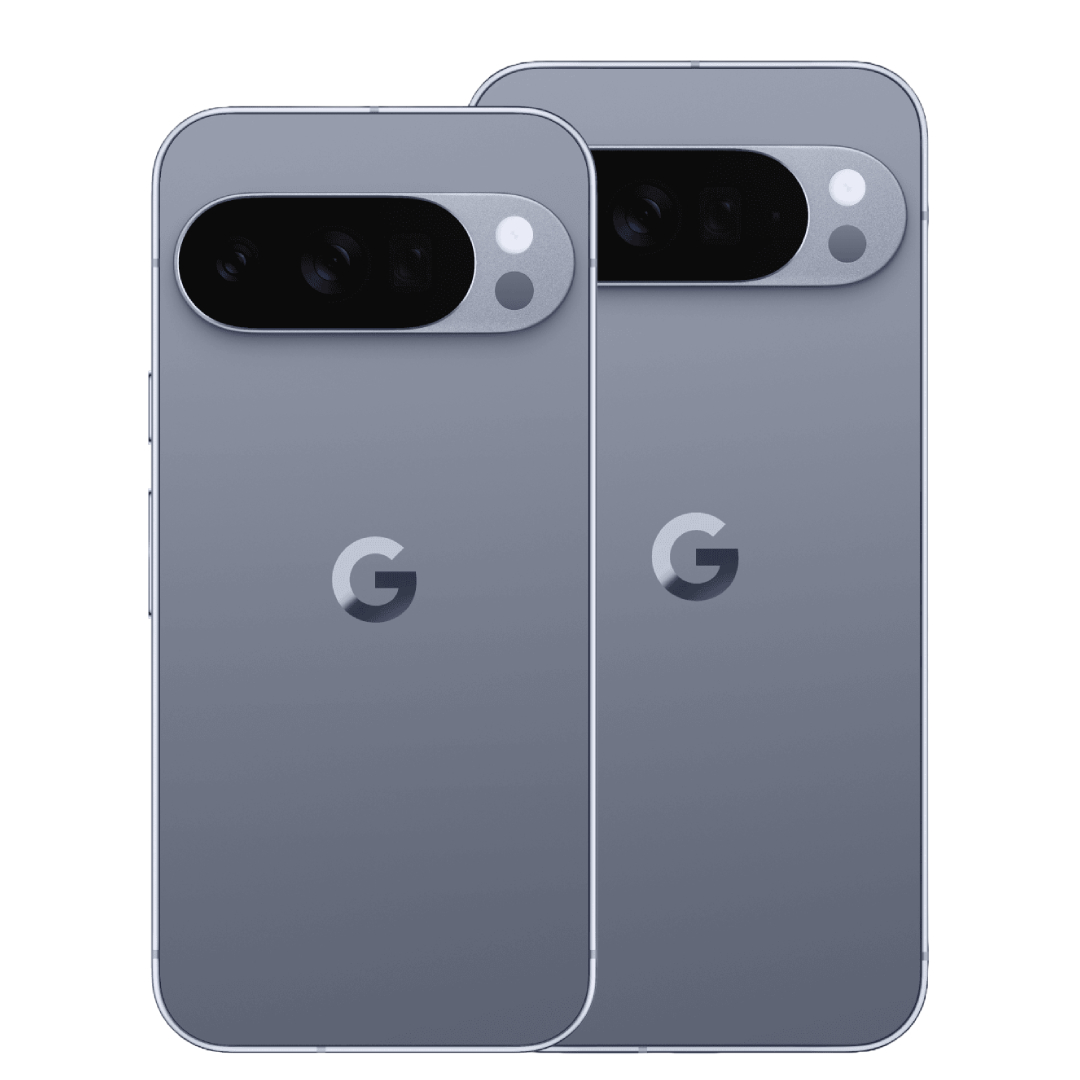
If the S25 Ultra is about raw power, the Google Pixel 10 Pro is about "Intelligent Power." Google has moved away from trying to win the benchmark wars against Apple and Samsung. Instead, the Pixel 10 Pro focuses on the Tensor G5 chip, which is optimized specifically for on-device AI tasks.
The standout features this year include "Magic Cue" and "Call Notes," which use 16GB of dedicated RAM to process Gemini AI queries without sending data to the cloud. For the traveler, the real-time translation and AI-assisted photo editing (like "Best Take" and "Magic Editor") make it the most intuitive camera for capturing memories. While the Tensor G5 might not top the charts in gaming benchmarks, its efficiency in daily tasks—such as voice-to-text and proactive battery management—leads to a more refined user experience.
Pros:
- Cleanest Android software experience with zero bloatware.
- The most natural-looking photography, particularly with skin tone accuracy.
- Superior AI features that genuinely save time on a daily basis.
Cons:
- Charging speeds still lag behind competitors like OnePlus.
- Tensor chips can occasionally run warmer during heavy 5G data usage.
The Budget Champion: Google Pixel 9a
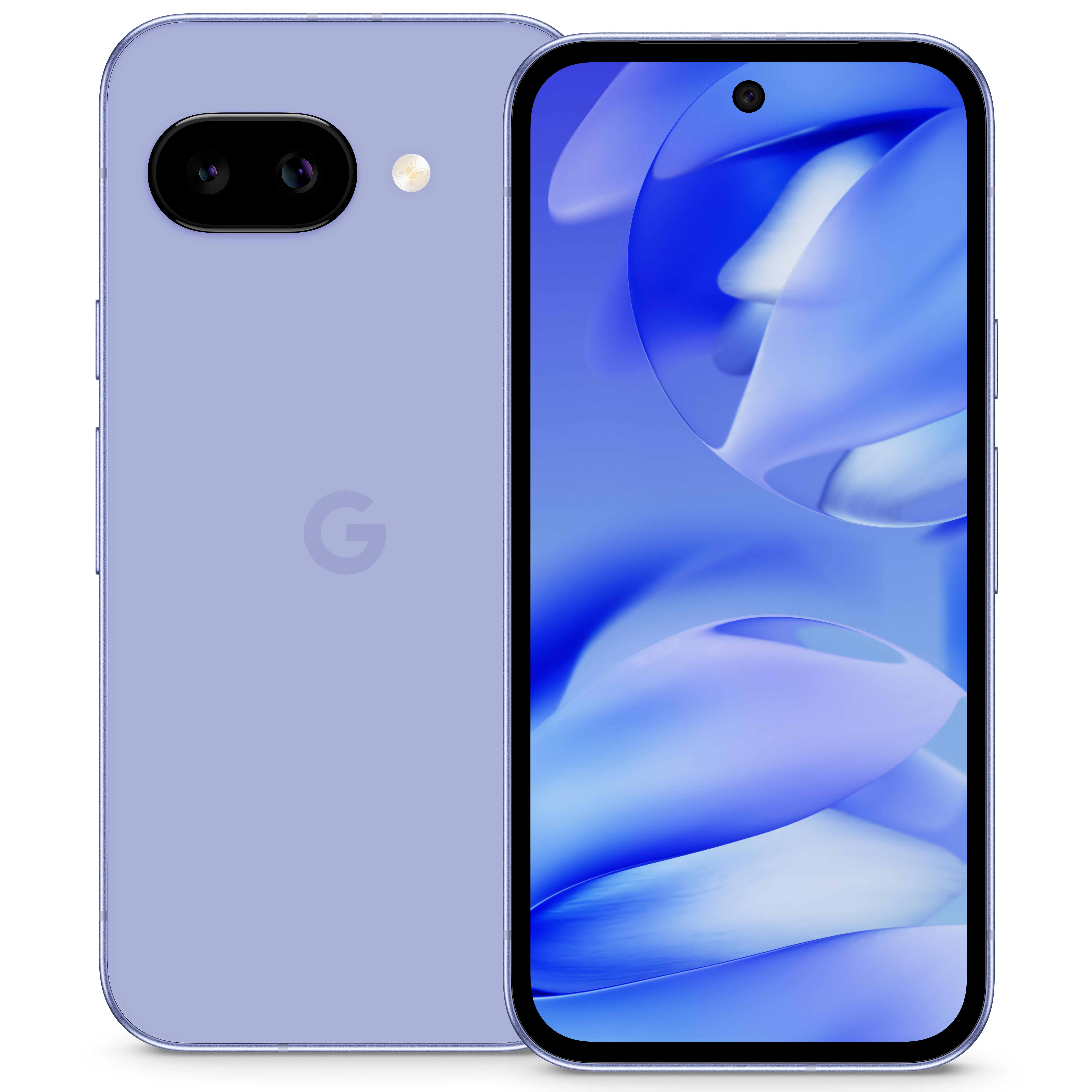
For 2025, the Google Pixel 9a has redefined what we expect from a "budget" phone. At a starting price of $499, it offers the same 7-year software update policy as the flagship models. This is an industry-disrupting move; traditionally, budget phones were discarded after two or three years due to lack of support. By extending the lifecycle to seven years, Google has made the 9a the most sustainable choice for the eco-conscious and the financially prudent alike.
The hardware is equally impressive for the price. It utilizes the Tensor G4 (the flagship chip from late 2024) and a 6.3-inch P-OLED display. While it lacks the telephoto lens of the Pro models, Google’s software processing ensures that the main sensor produces images that can compete with phones twice its price.
Pros:
- Unbeatable price-to-performance ratio at $499.
- Long-term security and OS updates until 2032.
- Compact, pocket-friendly design compared to the "Ultra" flagships.
Cons:
- Plastic back construction lacks the premium feel of glass or metal.
- Missing the high-speed wireless charging found in the Pro series.
The Battery & Performance King: OnePlus 15
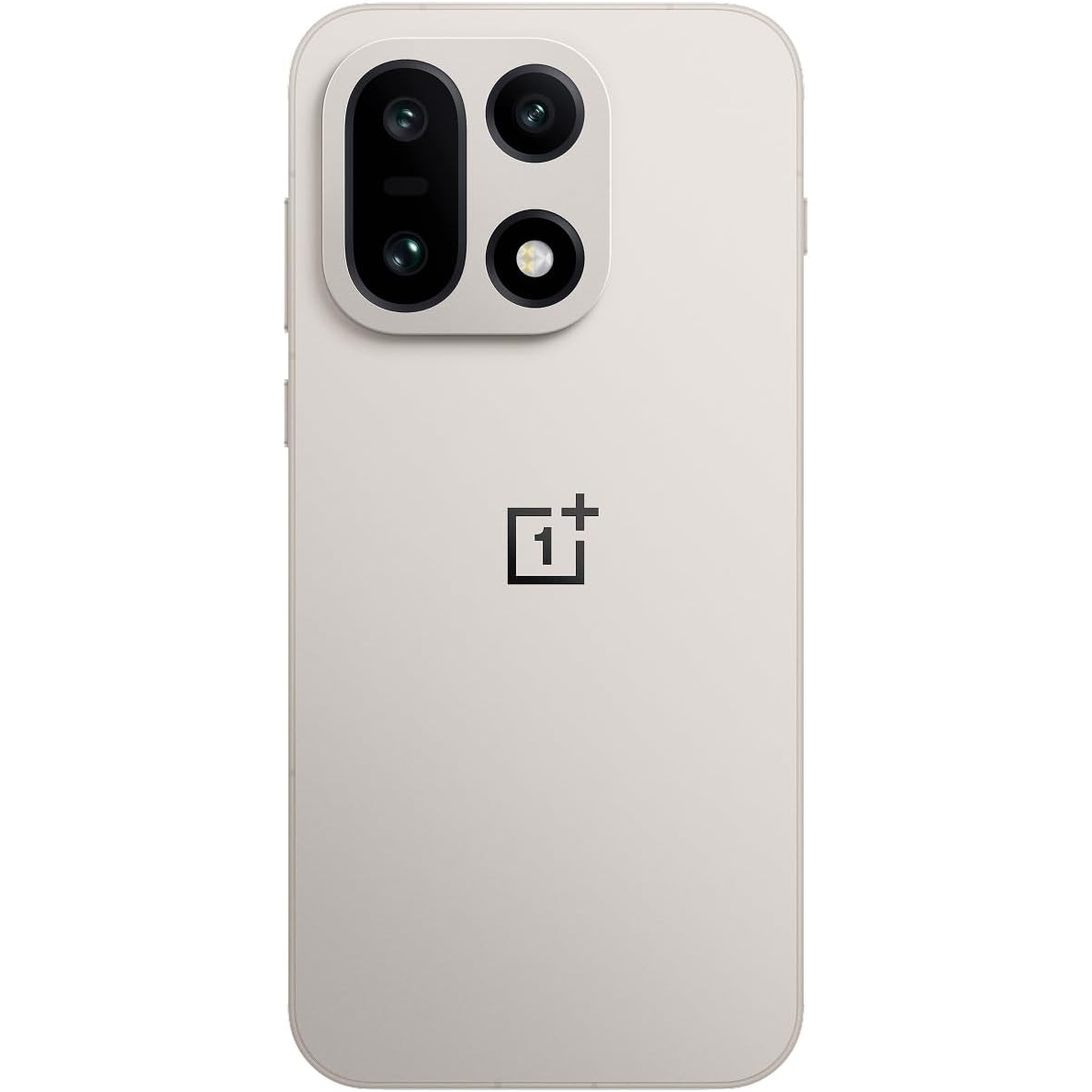
If your primary concern is never having to look for a power outlet during a long day of travel, the OnePlus 15 is your top choice. OnePlus has utilized new silicon-carbon battery technology to cram a massive 7,300mAh battery into a chassis that remains surprisingly slim.
Technical Insight: Battery Density The OnePlus 15 offers a 7,300mAh battery capacity, which is approximately 46% larger than the industry standard 5,000mAh battery found in the Samsung Galaxy S25 Ultra. When paired with 100W wired fast charging, this device can go from 0% to 100% in under 35 minutes.
For gamers and power users, the OnePlus 15 is a beast. It features a 165Hz refresh rate display and the Snapdragon 8 Elite chipset. It is the only phone on this list that can sustain peak performance during intense gaming sessions without significant throttling, thanks to its advanced "Dual-Cryo" cooling system.
Pros:
- Longest-lasting battery life in the 2025 Android market.
- Incredibly fast charging speeds that change how you use your phone.
- The unique "Sand Storm" aesthetic offers a refreshing alternative to standard glass.
Cons:
- OnePlus's software (OxygenOS) has drifted further from "Stock Android," which may polarize some users.
- Camera performance, while good, still lacks the consistency of the Pixel or the S25 Ultra.
Specialized Picks for 2025
Beyond the traditional slab-style smartphones, 2025 has seen foldables and compact phones reach a level of maturity that Consumer Reports now recognizes as viable primary devices.
Best Foldable: Samsung Galaxy Z Fold 7
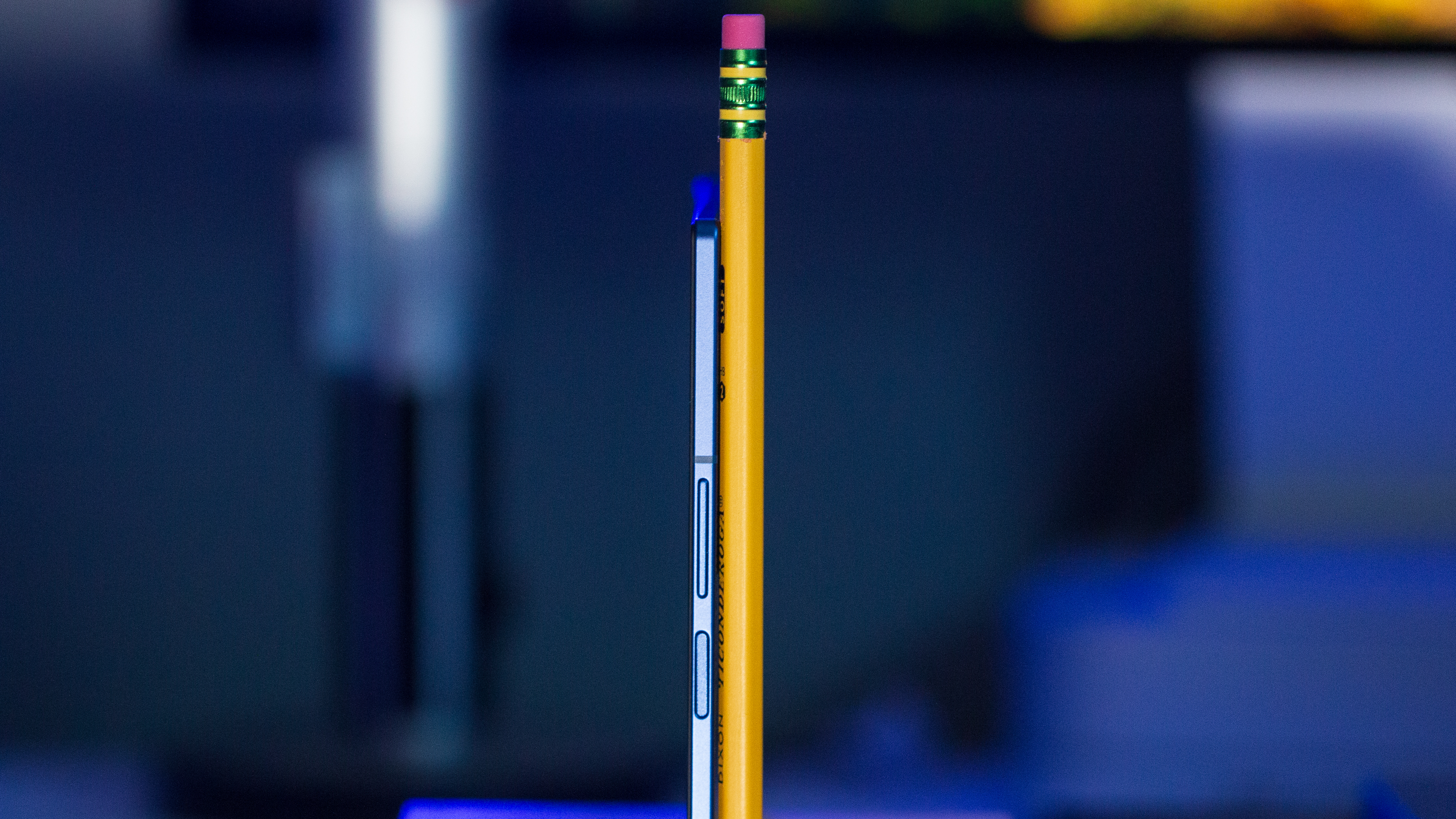
The Galaxy Z Fold 7 is the ultimate multitasking tool. With an 8-inch inner display and a 200MP main camera (matching the Ultra), it bridges the gap between a phone and a tablet. Its improved hinge design has virtually eliminated the "crease" that plagued earlier models, making it a favorite for travelers who want to leave their laptops at home.
Best Flip Phone: Motorola Razr Ultra
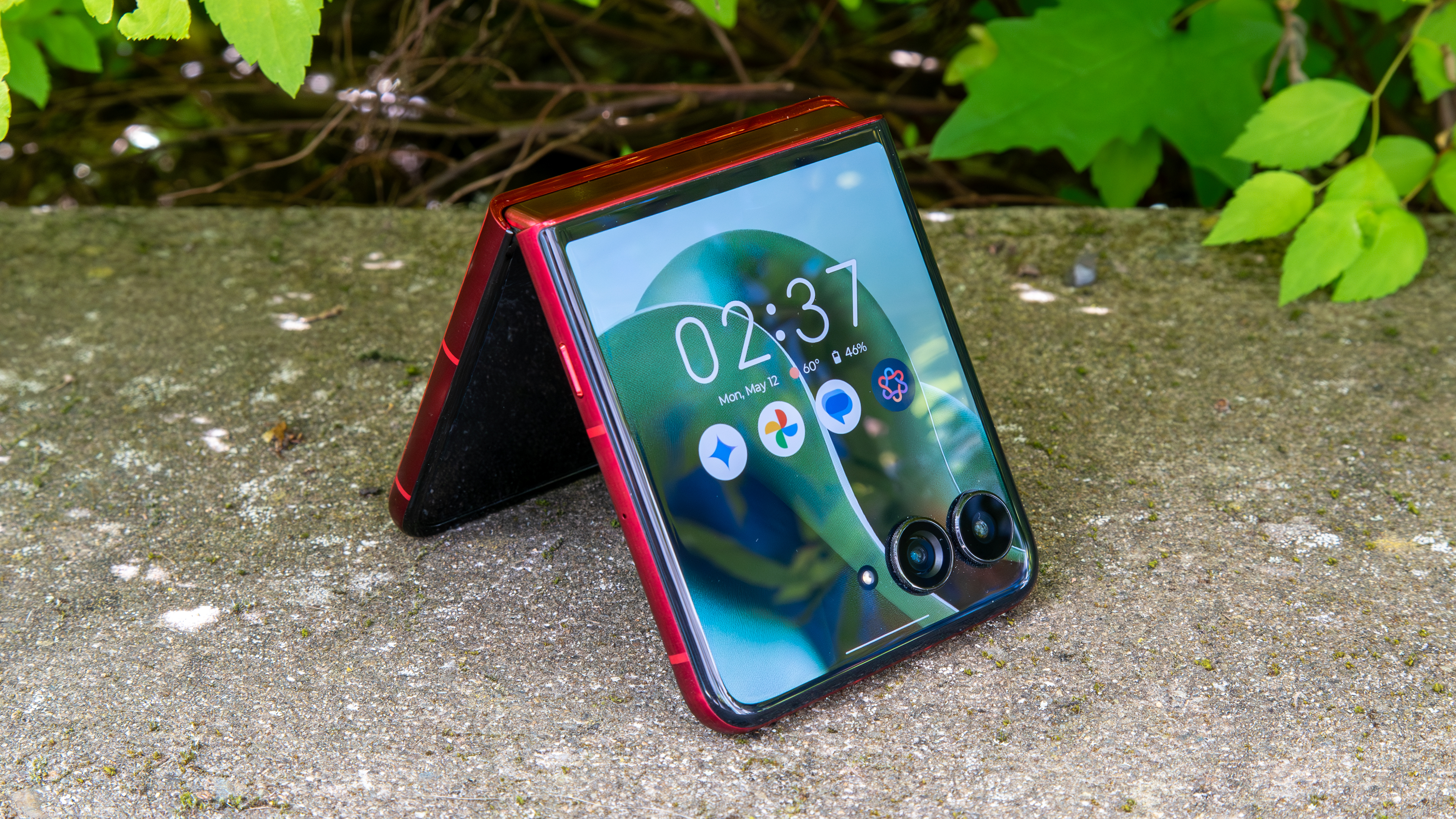
Motorola continues to lead the "lifestyle" segment with the Razr Ultra. Its massive cover screen allows you to respond to emails, navigate with GPS, and control music without ever opening the device. The fashion-forward design and "tent mode" for hands-free video calls make it the top choice for those who value both style and utility.
Best Small Phone: Samsung Galaxy S25
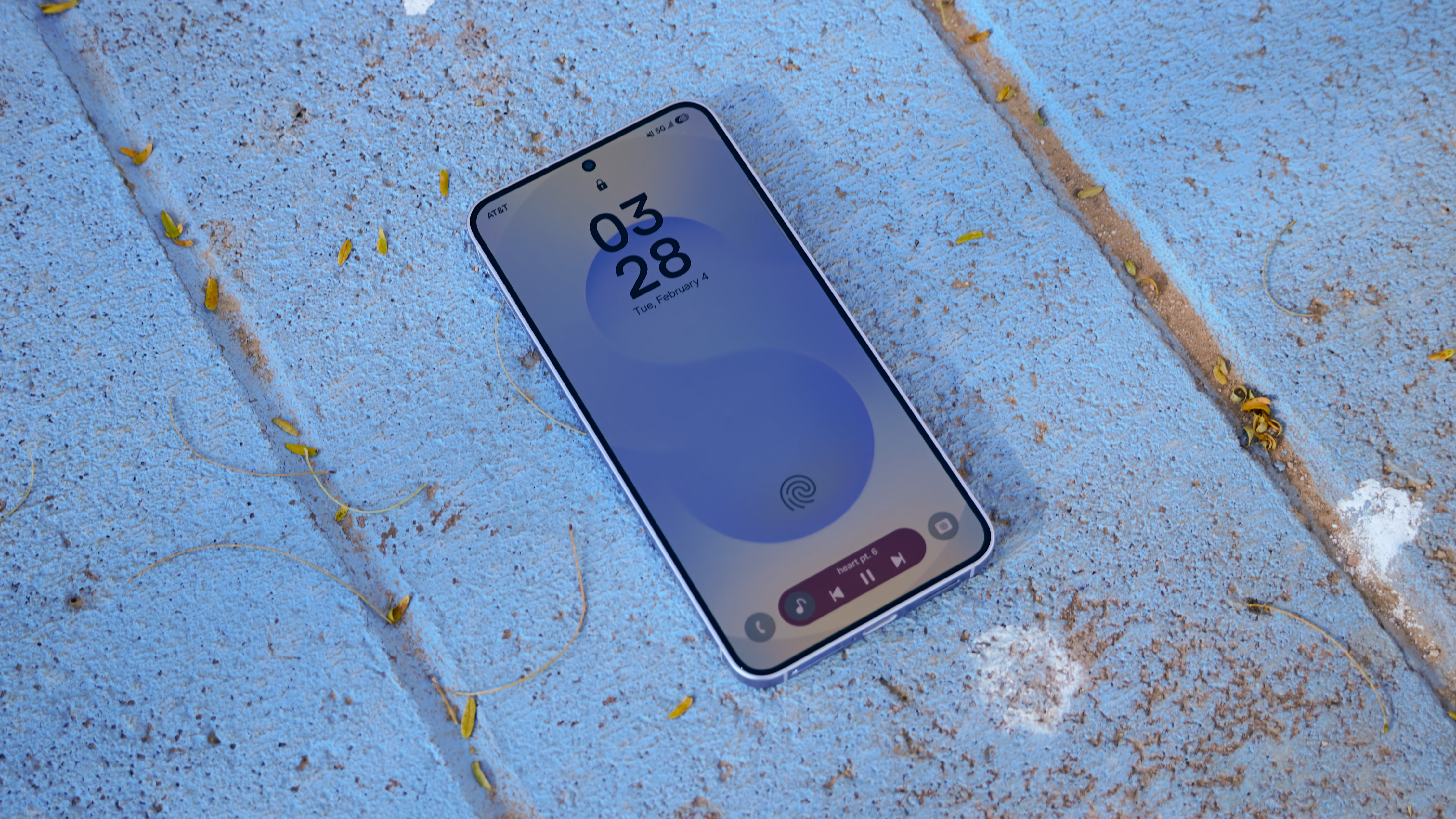
For those who suffer from "hand fatigue" with today's massive screens, the standard Galaxy S25 is a rare gem. It maintains a 6.2-inch form factor but doesn't compromise on internals. You get the same Snapdragon 8 Elite power as the Ultra, but in a body that fits easily in a pocket or a small travel pouch.
Buyer's Guide: What to Look for in 2025
When navigating the 2025 market, hardware specifications are only half the story. To ensure your purchase stands the test of time, keep the following three criteria in mind:
1. Software Longevity
As mentioned, the 40% increase in lifecycle through 7-year update policies is the most significant change this year. When buying, ensure the manufacturer specifically guarantees "OS Updates" and not just "Security Patches." Samsung and Google are currently the leaders here; brands like Motorola and OnePlus typically offer shorter support windows (3–4 years).
2. AI Features: Tool or Gimmick?
2025 is the year of "Circle to Search" and AI-driven photography. Evaluate these features based on your lifestyle. If you frequently travel, AI translation and "Magic Eraser" are invaluable. If you use your phone primarily for messaging and social media, don't pay a premium for high-end on-device AI processors that you won't utilize.
3. Battery Density and Charging
Look for phones utilizing silicon-carbon cells. This technology allows for much higher energy density without increasing the physical size of the phone. While the industry standard has been 5,000mAh for years, 2025 has seen phones like the OnePlus 15 reach 7,300mAh, effectively moving us into a true "two-day battery life" era.
FAQ
Q: Is the Samsung Galaxy S25 Ultra worth the extra $300 over the Pixel 10 Pro?
A: Only if you value the S Pen and the extreme zoom capabilities of the 200MP camera. If you are a typical user who takes "point-and-shoot" photos and doesn't need a stylus, the Pixel 10 Pro offers better value for $999.
Q: Does the 7-year update policy actually matter if I plan to upgrade in 3 years?
A: Yes. A phone with 4 years of remaining support has a much higher resale and trade-in value than one nearing its "end of life." It protects your investment even if you don't keep the phone for the full seven years.
Q: Are foldables finally durable enough for daily use?
A: Consumer Reports testing suggests that the 2025 generation of foldables (like the Z Fold 7) has reached a durability level comparable to traditional slabs. However, they still require more care regarding dust and sand exposure compared to IP68-rated standard phones.
Selecting a smartphone in 2025 is about balancing your immediate needs with long-term value. Whether you prioritize the absolute peak of mobile photography with the S25 Ultra or the remarkable endurance of the OnePlus 15, the current market offers more longevity and intelligence than ever before.
Explore the Samsung S25 Ultra → View Google Pixel 10 Pro Deals →