Your iPhone 4, likely sitting in a forgotten kitchen drawer or tucked away in a box of old cables, just lost its last lifeline. For many of us, these devices aren't just pieces of glass and silicon; they are digital artifacts representing the moments we first experienced the "Retina" display or the convenience of a Lightning connector. However, 2024 marks the final chapter for these two tech icons.
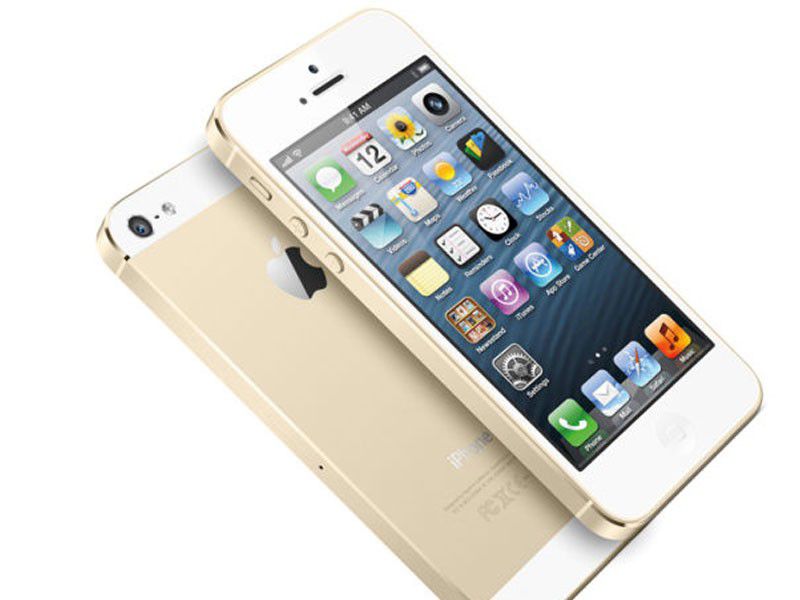
Apple has officially moved the iPhone 4 and iPhone 5 to "obsolete" status worldwide. While this might seem like a mere administrative update, it has significant implications for repairability, data security, and the growing global conversation about e-waste. If you are still holding onto these devices, or if you’re wondering which of your current gadgets are next on the chopping block, here is everything you need to know about Apple’s hardware lifecycle and what to do with your "vintage" tech.
Quick Facts: The 2024 Support Cutoff
- The News: As of 2024, the iPhone 4 and iPhone 5 are officially "obsolete" globally.
- The Impact: All hardware repairs and parts availability through official Apple and authorized channels have ended.
- The Exception: Due to local statutory warranty laws, French users retain a rare exception for up to seven years of service from the last distribution date.
- The Future: The iPhone XR is set to hit "vintage" status in September 2024, followed by the iPhone 11 series.
- The E-Waste Crisis: Approximately 5 billion mobile phones are currently lying unused in drawers worldwide, contributing to a massive loss of recoverable precious metals.
What 'Obsolete' Status Actually Means for You
In the Apple ecosystem, there is a distinct "conveyor belt" of support that every device eventually travels. Understanding where your device sits on this timeline is crucial for planning your next upgrade or repair. Apple categorizes older devices into two main groups: Vintage and Obsolete.
| Feature | Vintage Status | Obsolete Status |
|---|---|---|
| Timeframe | 5 to 7 years since last distributed | More than 7 years since last distributed |
| Repair Policy | Service and parts subject to availability | Hardware service discontinued globally |
| Software Support | Usually no longer receives iOS updates | Long abandoned by software teams |
| Authorized Channels | Limited support at Genius Bar | Zero support; parts inventory purged |
The transition of the iPhone 4 and iPhone 5 to obsolete status means that the "final nail in the coffin" has been driven in. If your iPhone 4’s Home button stops clicking or your iPhone 5’s battery expands, an Apple Store technician will no longer even be able to open the device for a diagnostic.
While third-party repair shops might still offer to fix these devices, they are forced to rely on salvaged parts from other broken phones or low-quality "aftermarket" components. These repairs come with high risks, including lack of water resistance (not that these models had it) and potential fire hazards from non-certified batteries.
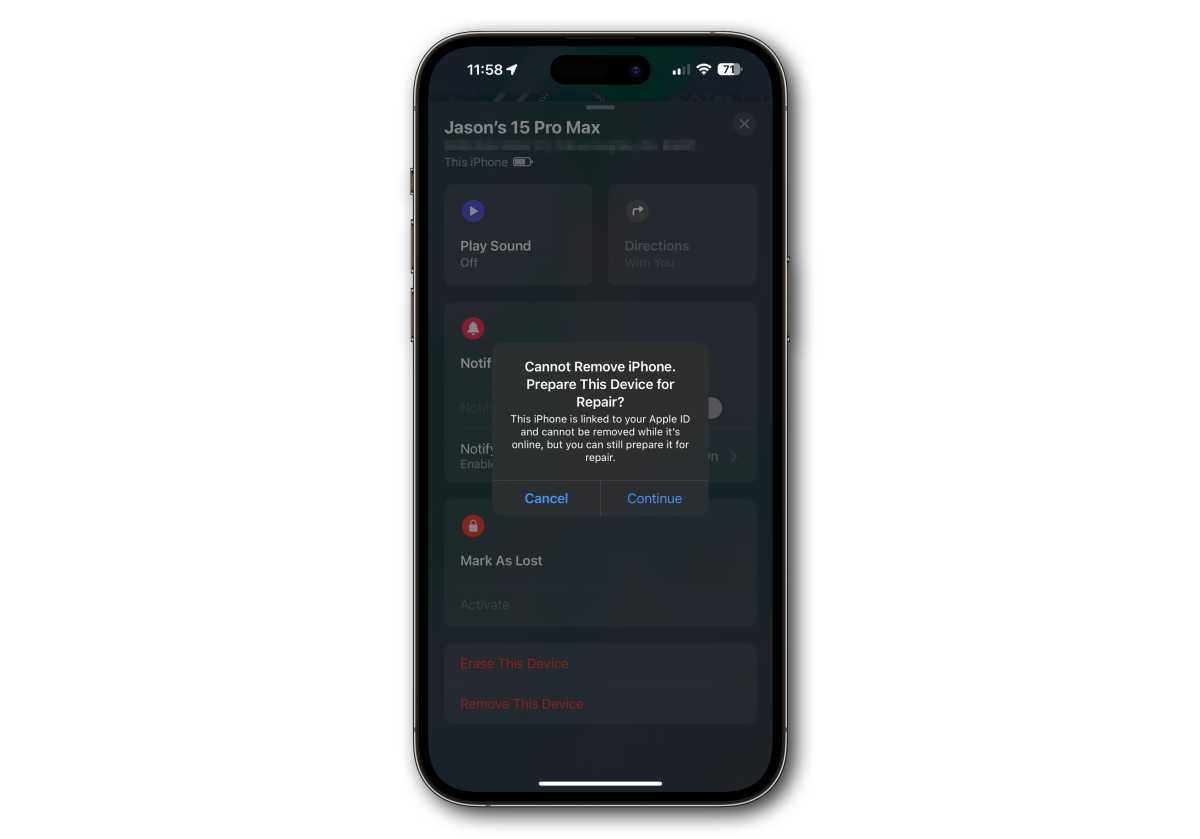
Sarah’s Insight: The only exception to this global rule is France. Under French law, manufacturers are required to provide spare parts for a longer duration. If you happen to be in Paris with a broken iPhone 5, you might still have a slim window of hope, but for the rest of the world, official support has reached a dead end.
Why the iPhone 4 and 5 Are Tech History
To understand why tech enthusiasts feel a pang of nostalgia at this news, we have to look back at what these phones represented. These weren't just incremental updates; they were revolutionary shifts in how we interacted with mobile technology.
The iPhone 4: The High-Definition Revolution
Launched in 2010, the iPhone 4 was arguably Steve Jobs' last great masterpiece. It introduced the "Retina Display," a term Apple coined to describe a pixel density so high that the human eye couldn't distinguish individual pixels at a normal viewing distance. This 3.5-inch screen changed the industry overnight, forcing competitors to move away from grainy, low-resolution panels.
The iPhone 5: The End of the 30-Pin Era
The iPhone 5, released in 2012, was another milestone. It was the first iPhone to feature a 4-inch display, moving away from the classic 3.5-inch size to accommodate a 16:9 aspect ratio. More importantly, it killed the bulky 30-pin dock connector in favor of the Lightning port. It was thinner, lighter, and the first to support LTE, bringing us into the era of high-speed mobile internet.
Apple stops support for these devices not out of spite, but out of technical necessity. The hardware inside these phones—the A4 and A6 chips—simply cannot handle the security protocols, encryption standards, or memory demands of modern apps and web browsing. Maintaining an inventory of parts for a device that less than 0.01% of the population uses is an enormous logistical burden.
The Looming 'Support Massacre' of 2026
If you think your current phone is safe, think again. Apple’s hardware lifecycle is a predictable machine. We are currently looking at a "support massacre" scheduled over the next two to three years.
According to Apple's internal roadmap, the iPhone XR is approaching "vintage" status as early as September 2024. Following closely behind is the iPhone 11 series. These devices, which many people still use as their primary phones today, are about to enter the phase where parts become scarce.
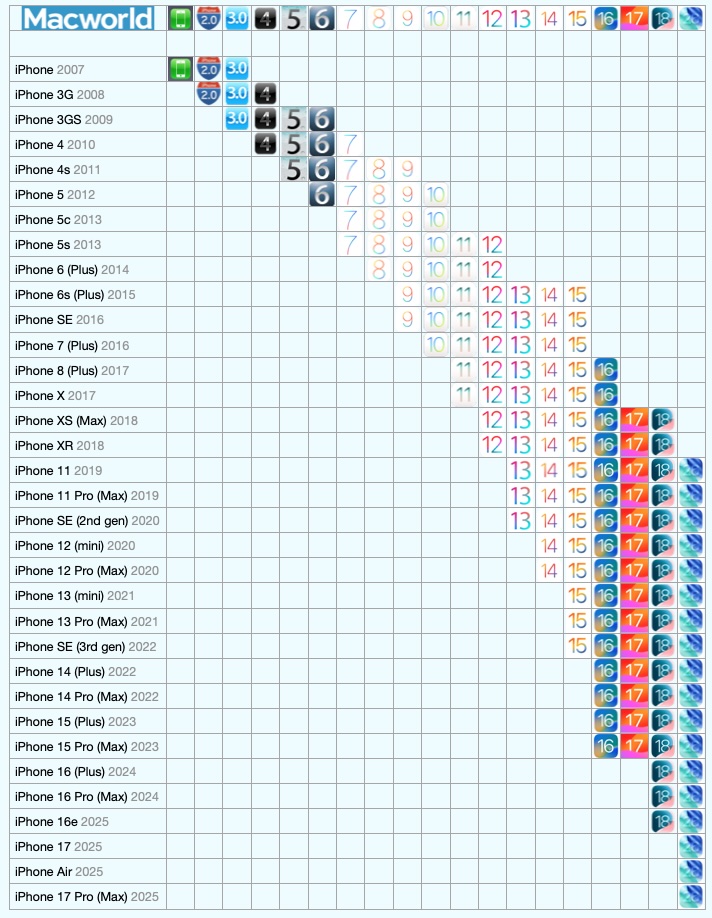
Research indicates that the average in-use lifespan for a smartphone is approximately 1.98 years. This is a staggering statistic when you consider that Apple provides a 7-year support window. It suggests that most of us are upgrading long before we actually need to, leaving millions of perfectly functional devices to gather dust.
The Global E-Waste Crisis: 5 Billion Dormant Devices
The obsolescence of the iPhone 4 and 5 isn't just a tech news story; it's an environmental one. The GSMA reports that there are approximately 5 billion 'dormant' mobile phones currently sitting unused in drawers globally.
When a phone is declared "obsolete," many owners simply toss it in the trash. This contributes to the growing e-waste crisis. Each iPhone contains precious metals like gold, silver, palladium, and rare earth elements. When these devices sit in "hibernation" in our homes, those materials are removed from the circular economy, requiring more destructive mining to build new phones.
Don't Trash It: How to Upcycle Your Obsolete iPhone
Just because Apple won't fix it doesn't mean your iPhone 4 or 5 is useless. Since these devices can no longer run modern apps safely, the best way to use them is as "single-purpose" tools:
- Dedicated Bedside Alarm: With its compact size and high-quality screen, an iPhone 4 makes a perfect permanent alarm clock. Use the built-in Clock app to avoid the distractions of a modern smartphone.
- Smart Home Controller: Mount the phone on a wall and use it exclusively to control your Philips Hue lights or Sonos speakers. It acts as a dedicated remote that everyone in the house can use.
- Security Camera: Using apps like Manything or Alfred, you can turn the old camera hardware into a makeshift Wi-Fi security camera for monitoring a pet or a doorway.
- Distraction-Free E-Reader: While the screen is small, the iPhone 4 and 5 are excellent for reading downloaded PDFs or classic books in a distraction-free environment without notifications.
- Digital Photo Frame: Plug the phone into a power source, set the "Photos" app to a slideshow, and place it on your desk as a tiny, high-resolution digital frame.
Responsible Disposal and the Circular Economy
If upcycling isn't for you, the next step is responsible disposal. Never throw a smartphone in the regular trash; the lithium-ion batteries are a major fire hazard in waste management facilities.
- Apple Trade-In: Even if your device has zero monetary value, Apple will take it back and recycle it for free. They use specialized robots like "Daisy" to disassemble iPhones and recover materials that traditional shredders miss.
- Certified Recyclers: Look for recyclers with e-Stewards or R2 (Responsible Recycling) certifications. Organizations like Earth911 can help you find a local drop-off point.
- Online Marketplaces: Collectors often look for well-preserved "obsolete" tech. You might find that a mint-condition iPhone 4 is worth more to a collector on eBay than it is to a recycler.
The end of support for the iPhone 4 and 5 is a reminder that our gadgets have a heartbeat that eventually stops. By choosing to upcycle or recycle rather than "hibernate" our old tech, we can ensure that these milestones of engineering don't just become part of the landfill.
FAQ
Q: Can I still use my iPhone 4 or 5 to make calls? A: Technically, yes, if your carrier still supports 3G or 4G bands that these devices use. However, many carriers are shutting down older networks (3G) to make room for 5G, which may render the iPhone 4 unable to make traditional calls in many regions.
Q: Will my data be safe on an obsolete iPhone? A: No. Because these devices no longer receive security patches, they are vulnerable to modern exploits. Avoid using them for banking, email, or any service requiring a password. Use them only for offline tasks or single-purpose utility.
Q: Is it worth replacing the battery in an iPhone 5 in 2024? A: Generally, no. The cost of a third-party battery and the labor exceeds the actual value of the phone. Unless you have sentimental data you need to recover, your money is better spent on a modern, supported device.