Quick Facts
- Location: San José Mineta International Airport (SJC), Terminal B, Gate 24 (near the Zoom Zone).
- Core Function: Real-time terminal wayfinding and multilingual passenger assistance.
- Technology: AI-powered social intelligence and natural language processing developed by IntBot.
- Language Support: Fluency in over 50 languages to assist international travelers.
- Pilot Timeline: A four-month pilot program starting in March 2026 to test physical AI systems in high-traffic environments.
- Strategic Goal: Enhancing guest services and reducing wait times ahead of the 2026 FIFA World Cup.
San José Mineta International Airport has officially entered the future of aviation automation with the launch of José, one of the most advanced humanoid robots in customer service today. Stationed in Terminal B, this multilingual AI assistant is designed to bridge communication gaps for international travelers. Humanoid robots in customer service, such as José at SJC, provide autonomous navigation and multilingual support to improve the passenger experience in high-traffic hubs. These robots leverage natural language processing and social intelligence to interact with the public in complex environments like airports and hotels.
Meet José: The Multilingual Face of SJC Aviation Automation
Navigating a major international airport can feel like a daunting task, especially when you are racing against a boarding clock in a country where you don't speak the primary language. To solve this, San José Mineta International Airport (SJC) has introduced a new team member that looks like something straight out of a sci-fi film. Meet José, an ai powered humanoid robots assistant designed to transform terminal wayfinding from a stressful search into a seamless conversation.
Developed by the Silicon Valley startup IntBot, José is not a stationary kiosk. He is a mobile, interactive entity capable of communicating with and providing real-time information to passengers in more than 50 languages. If you have ever wished for a real-life C-3PO to help you find the nearest lounge or clarify TSA liquid rules, this pilot program is the closest the industry has come to fulfilling that vision.
The true magic of José lies in his social intelligence. Unlike traditional chatbots that require specific, rigid commands, José uses advanced natural language processing and user intent recognition. This allows the robot to interpret nuances in speech, even in the noisy, echoing environment of a busy airport terminal. Whether a traveler is asking about ground transportation or looking for a specific gate, the robot processes the query and provides visual and verbal directions instantly.
Stationed specifically in SJC's Terminal B near Gate 24, the robot serves as a relief valve for human staff during peak travel periods. By handling routine inquiries, the human customer service agents are freed up to manage more complex passenger crises. For those wondering how to interact with airport ai robots, the process is as simple as walking up and speaking. José uses multimodal AI to sense when a passenger is approaching, initiating eye contact and a friendly greeting to lower the barrier of entry for tech-hesitant travelers.
Types of Humanoid Robots Reshaping Service Industries
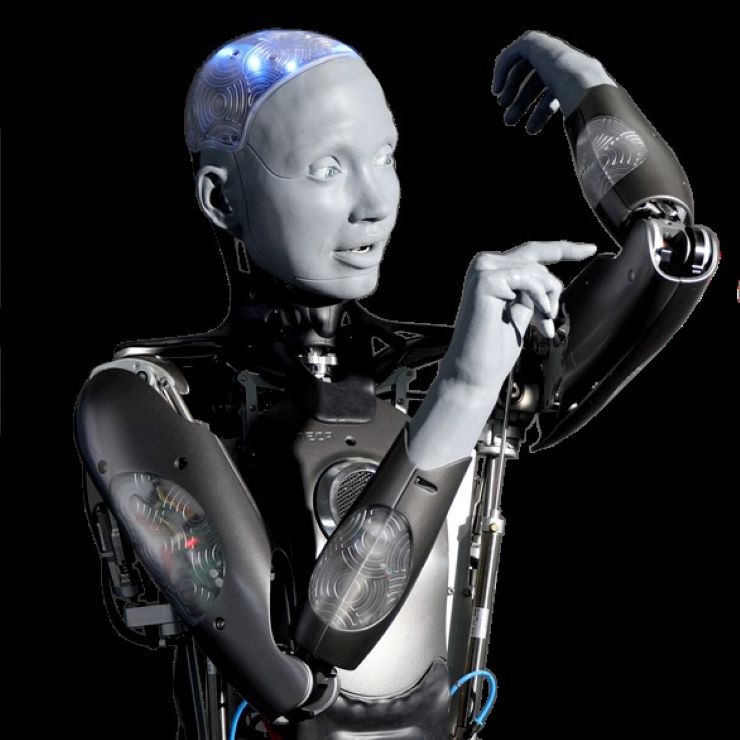
While José is making waves in Northern California, he is part of a much larger global trend. As we look at different humanoid robots examples across the globe, it becomes clear that these machines are being specialized for specific roles. In the broad landscape of robotics, we generally see three categories: social engagement robots, specialized service robots, and general-purpose bipeds.
One of the most recognizable types of humanoid robots is SoftBank’s Pepper. While Pepper has been a staple in retail and hospitality for years, primarily for guest engagement and basic information, the newer generation of robots like José represents a significant leap forward in autonomous movement and terminal wayfinding. Unlike Pepper, which often remains in a fixed location, newer airport robots are designed for humanoid robots for navigation and guidance, meaning they can lead a passenger through a crowd to their specific destination.
To better understand the current market, consider this comparison of leading models currently used in public-facing roles:
| Robot Name | Primary Use Case | Key Strength | Mobility |
|---|---|---|---|
| José (IntBot) | Airport Wayfinding | 50+ Language Translation | High (Autonomous Navigation) |
| Pepper (SoftBank) | Retail/Hospitality | Social Engagement | Moderate (Wheeled base) |
| CLOi (LG) | Logistics/Hotels | Heavy Item Carriage | High (Indoor Delivery) |
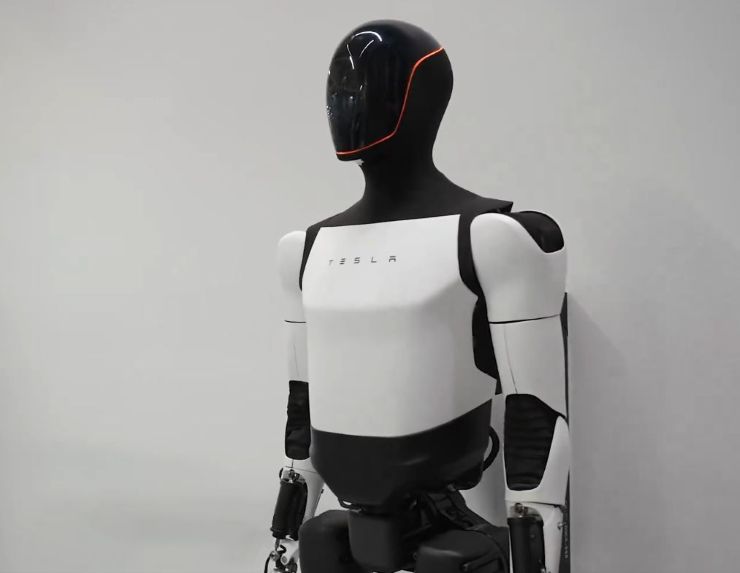
| Optimus (Tesla) | General Manufacturing | Versatility/Dexterity | High (Bipedal Walking) |
The diversity in this sector shows that the industry is moving away from "one-size-fits-all" machines. In hospitality, we see a rise in robots designed to deliver room service or guide guests to elevators. In retail, the focus is on stock management and customer greeting. However, the most demanding environment remains the airport, where physical AI systems must navigate moving obstacles, changing light conditions, and a constant influx of diverse user intent recognition challenges.
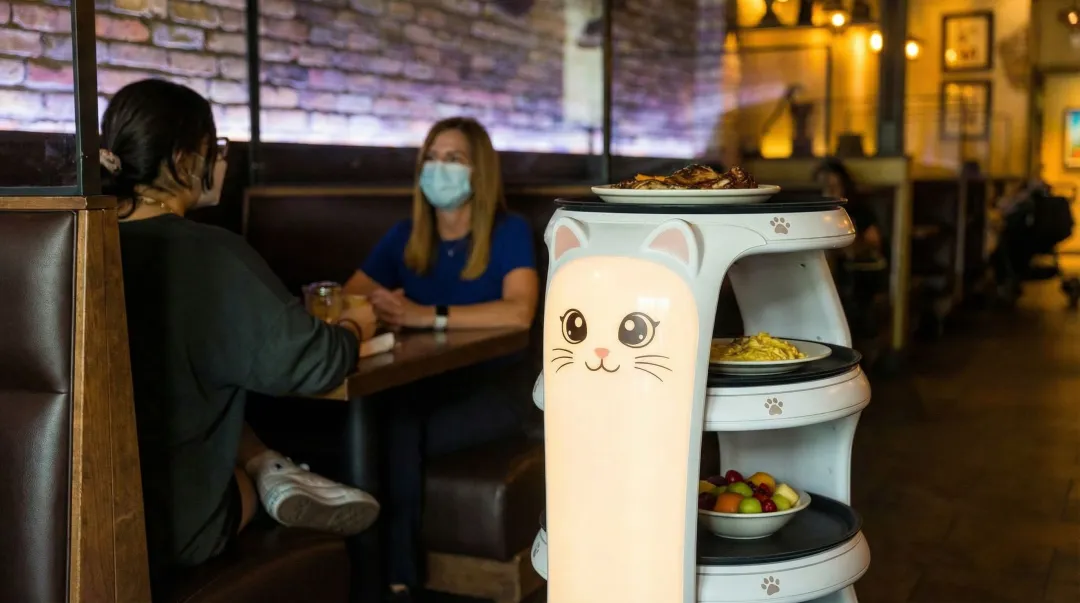
The contrast between these systems is stark. While a robot like BellaBot might be a staple in a restaurant for carrying heavy trays, it lacks the complex verbal processing required to explain a customs form in Mandarin. Conversely, José is built specifically to bridge the communication gap, focusing on the cognitive and linguistic aspects of humanoid robots in customer service rather than physical labor.
The Economic Shift: Why Businesses are Deploying Humanoid AI
The deployment of José at SJC isn't just a PR stunt; it is a calculated response to a changing economic landscape. The aviation industry is currently grappling with a dual challenge: a global labor shortage and a massive surge in travel demand. As the 2026 FIFA World Cup approaches, airports in the United States are bracing for record-breaking international crowds. Multilingual humanoid robots for business offer a scalable way to meet this demand without the overhead of hiring and training hundreds of seasonal, multilingual staff members.
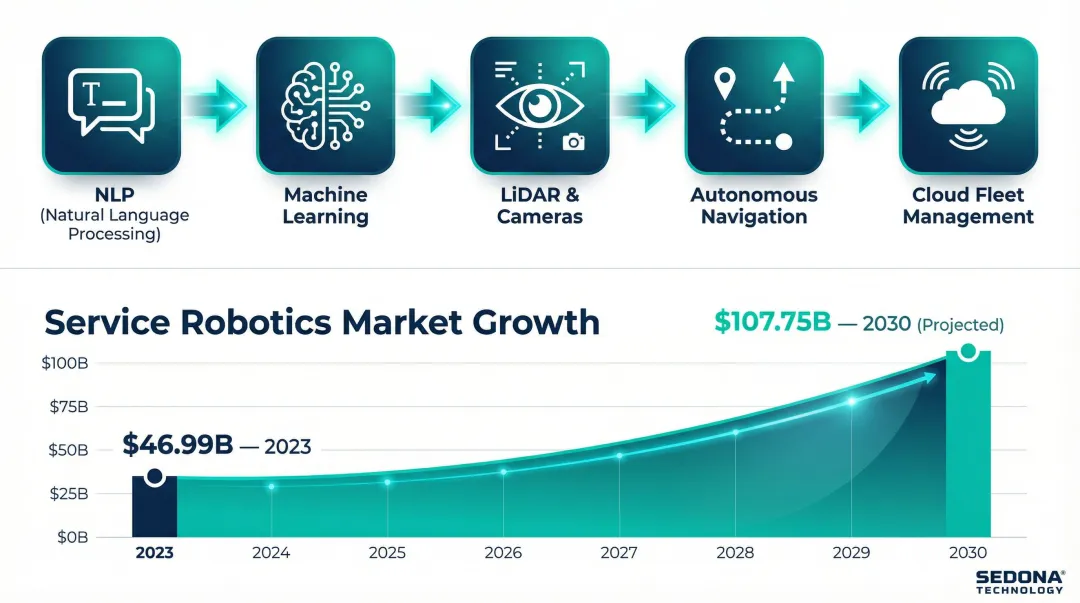
When analyzing the return on investment (ROI), the numbers are compelling. Many of these machines, when amortized over their lifespan, operate at an effective cost of approximately $1.64 per hour. Compared to the hourly wage and benefits required for human staff, especially those with specialized linguistic skills, the financial logic becomes undeniable. This is why many analysts predict the service robotics market is expected to surpass $100 billion by 2030, driven primarily by the need for efficiency in high-traffic environments.
Safety and standardization also play a crucial role in the business adoption of this technology. Modern robots are built to comply with ISO 25785-1 safety standards, ensuring they can operate among children, elderly travelers, and pets without incident. This adherence to safety protocols is what allows SJC to let José roam freely near Gate 24, interacting with thousands of people daily.
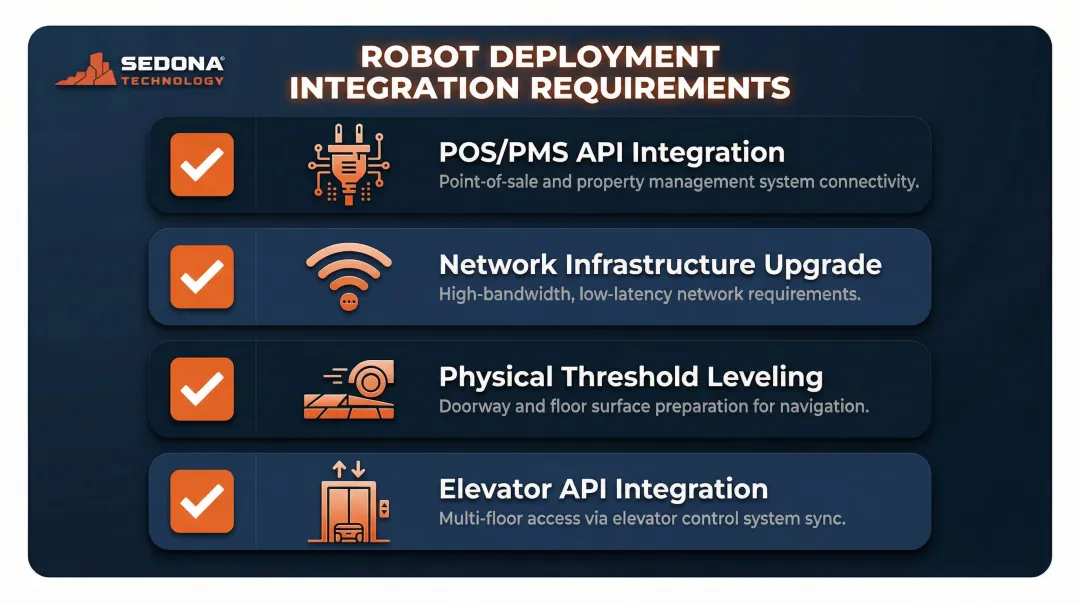
For business owners, the implementation of such technology requires more than just buying a robot. It involves a deep integration with the airport's physical infrastructure and digital API connectivity. This allows the robot to pull real-time flight data, gate changes, and security wait times, providing passengers with information that is more current than the static signs hanging from the ceiling.
As we look toward the future, the success of the SJC pilot will likely trigger a wave of similar deployments across the country. We are seeing a fundamental shift where physical AI systems are no longer viewed as novelties but as essential infrastructure for modern travel.
FAQ
What is currently the best humanoid robot?
The answer depends on the specific use case, but in terms of social interaction and lifelike expressions, Ameca by Engineered Arts is often cited as the leader. For general-purpose utility and potential mass production, Tesla's Optimus is a frontrunner. However, for specialized customer service in transit hubs, robots like José are currently the best humanoid robot models for real-world multilingual navigation.
What company is leading in humanoid robotics?
Several companies lead in different sub-sectors. Boston Dynamics is the pioneer in bipedal mobility and balance. Tesla is leading in the integration of AI and hardware for mass production. In the service and customer interaction space, companies like SoftBank, LG, and Silicon Valley's IntBot are defining how humans interact with machines in public spaces.
How much does a realistic human robot cost?
A high-end, realistic humanoid robot can cost anywhere from $50,000 to over $250,000, depending on its degree of freedom, sensors, and AI capabilities. However, many companies are now moving toward a "Robotics as a Service" (RaaS) model, where businesses pay a monthly subscription fee rather than a large upfront purchase price, making the technology more accessible for airports and retailers.
What can a $20 k home robot actually do?
Currently, a robot in the $20,000 price range is typically a sophisticated social companion or a basic service assistant. These robots can manage smart home devices, provide companionship through advanced conversation, monitor home security, and assist with simple scheduling. While they lack the heavy lifting or complex navigation of industrial models, they excel at natural language processing and providing a user-friendly interface for domestic tasks.
If you find yourself passing through Silicon Valley this year, make sure to stop by Terminal B at San José Mineta International Airport. Interacting with José offers a firsthand look at how aviation automation is making the world feel a little smaller, one language at a time. For more humanoid robots news and updates on the latest in physical AI, stay tuned to our expert guides.