Quick Facts
- Current Status: Goalsetter transitioned to a B2B model on February 13, 2026, focusing exclusively on schools.
- Total Funding: Successfully raised over $31 million from private venture capital and celebrity investors.
- Educational Impact: Students using the platform achieved an 85% mastery level in financial concepts.
- Key Backers: Investment from Robert F. Smith, Kevin Durant, Chris Paul, Edward Jones, and MassMutual.
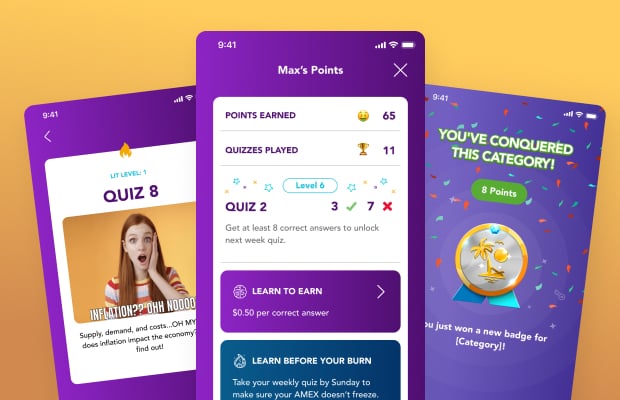
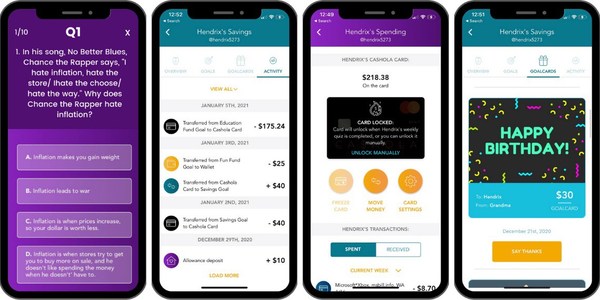
- Unique Mechanic: The quiz-to-unlock feature prevents spending until financial literacy goals are met.
- Market Position: Recognized as a premier financial literacy app that prioritizes education over simple banking.
Goalsetter succeeded by securing $31 million in private funding and pivoting to an institutional education model, proving that the right financial literacy app can thrive by maintaining mission-driven control over equity. By prioritizing long-term impact over the immediate capital offered on television, the company transformed into a vital tool for socioeconomic equity in the American education system.
The Shark Tank Miss: Why Tanya Van Court Said No
The story of Goalsetter is often defined by the deal that didn't happen. In 2019, founder Tanya Van Court appeared on Shark Tank seeking $200,000 for 4% of her company. Kevin O'Leary offered the money but demanded a staggering 25% equity stake. For many entrepreneurs, the lure of a Shark's mentorship is worth the dilution, but Van Court saw the offer as an undervaluation of the potential for financial literacy apps for young adults. She walked away, choosing to preserve her equity to attract a different class of venture capital later.
This decision was instrumental in the company's ability to later secure a $3.9 million in a 2021 seed round that brought in high-profile support from billionaire Robert F. Smith and NBA stars. Mark Cuban eventually admitted post-show that he regretted not doing the deal, which provided further validation for the brand. By keeping her equity intact during the early stages, Van Court was able to maintain the creative control necessary to build a comprehensive app for financial literacy that served more than just middle-class families.

The preservation of equity allowed Goalsetter to navigate multiple Series A funding rounds without losing sight of its mission to close the racial wealth gap. This strategy ensured that the company could pivot when market conditions changed, rather than being beholden to the short-term profit demands of early-stage investors who did not share the founder's vision for social impact.
The 2026 Pivot: From Consumer Banking to B2B Education
By February 13, 2026, Goalsetter made its most significant strategic shift to date. The company officially shut down its consumer-facing banking app to become one of the premier financial literacy education platforms for schools. This B2B transition allowed the company to bypass the high customer acquisition costs of the digital banking world. Instead of competing with traditional banks, Goalsetter partnered with them, along with hundreds of school districts, to deliver financial literacy app for students experiences directly into the classroom.
This transition integrated the platform with major Learning Management Systems (LMS) such as D2L-Brightspace. By focusing on financial literacy apps for students within an institutional framework, Goalsetter ensured compliance with COPPA and FERPA while providing a seamless login experience via Single Sign-On (SSO). This allowed teachers to track student progress in real-time as they navigated gamified learning modules that made complex economic concepts accessible.

The school-based model proved more sustainable than the individual subscription model. By selling to districts and states, Goalsetter achieved a scale that consumer-only apps struggled to reach. It moved from being a digital savings platform to a core part of the K-12 curriculum, ensuring that every student, regardless of their family's banking status, had access to wealth-building habits through the app.
Why Goalsetter Wins: Efficacy and Socioeconomic Impact
The success of Goalsetter isn't just about business strategy; it is about measurable results. A study by RYE Consulting highlighted a 47-percentage point increase in student aptitude after using the platform. This efficacy is rooted in the unique quiz-to-unlock feature. Unlike other best financial literacy apps that simply track spending, Goalsetter requires students to pass quizzes on financial wellness before they can access their funds. This creates a tangible link between education and financial agency.
The platform aligns its curriculum with standards from the Council for Economic Education (CEE) and Jumpstart, making it easy for educators to evaluate financial literacy apps for families. Furthermore, the company specifically addresses the racial wealth gap by providing content that resonates with diverse communities. This mission-driven approach attracted a $9.6 million Series A extension in March 2024 from institutions like Edward Jones and MassMutual.

Parents often struggle when searching for apps for teaching kids financial literacy through chores because most apps focus only on the transaction. Goalsetter changed the narrative by focusing on socioeconomic equity. By ensuring that kids understand the "why" behind the "how" of money, the platform builds a foundation for long-term financial stability.
Competitive Landscape: Goalsetter vs. The 2026 Market
In the crowded market of financial technology, Goalsetter occupies a unique niche. While competitors like Greenlight and BusyKid focus heavily on the debit card and transactional features, Goalsetter has prioritized the educational content. As of mid-2024, the company reached an estimated annual revenue of $4 million by leaning into its role as an educator rather than just a bank.
| Feature | Goalsetter (2026) | Standard Budgeting Apps |
|---|---|---|
| Primary Goal | Educational Mastery | Transaction Tracking |
| Student Mastery | 85% Score Average | Not Measured |
| Target Market | Schools and Districts | Individual Families |
| Revenue Model | Institutional B2B | Monthly Subscriptions |
| Core Mechanic | Quiz-to-Unlock | Account Aggregation |
When looking for the best financial literacy apps for teens 2026, Goalsetter stands out because it isn't just about budgeting. While apps like Monarch Money or YNAB (You Need A Budget) are excellent for adults, they lack the pedagogical structure necessary for young learners. Goalsetter’s integration with high-profile figures like Kevin Durant helped the brand maintain its "cool factor," ensuring that teenagers remained engaged with the content.
FAQ
What is the best financial literacy app?
The answer depends on the user's age and goals, but for 2026, Goalsetter is widely considered the top choice for students due to its institutional backing and quiz-based learning model. For adults, apps like Quicken Simplifi or Empower are strong contenders for tracking net worth and overall cash flow.
Which finance app is best for beginners?
Goalsetter is ideal for beginners because it gamifies the learning process. It breaks down complex financial terms into interactive quizzes and short videos, making it less intimidating than traditional banking apps that focus purely on spreadsheets and numbers.
What is the best free financial app?
Many banking apps now include free financial literacy features, but Goalsetter’s school-based version is often provided at no cost to students through district partnerships. For general budgeting, the free versions of Mint successors often provide basic tracking without a monthly fee.
What is the 50/30/20 rule of money?
This is a simple budgeting guideline where you allocate 50% of your income to needs, 30% to wants, and 20% to savings or debt repayment. Goalsetter teaches this principle as part of its core curriculum to help students understand how to balance their future income.
What is the 50 30 20 rule for financial literacy?
In the context of financial literacy, this rule serves as a foundational concept for wealth-building habits. It helps learners categorize their spending and ensures they are prioritizing their financial future before spending on discretionary items.
Conclusion: The Independent Path to Success
The success of Goalsetter in 2026 serves as a masterclass for fintech founders. By walking away from a restrictive deal on Shark Tank, Tanya Van Court was able to build a company that was valued at over $31 million by 2026. This independence allowed the company to pivot when the consumer banking market became saturated, finding a more sustainable and impactful home in the American school system.
The company's journey highlights that while capital is important, the source and terms of that capital matter just as much as the amount. Goalsetter’s focus on education over transactions has created an institutional moat that is difficult for competitors to replicate. As they continue to bridge the gap in financial knowledge across the country, their legacy will be measured not just in revenue, but in the generational wealth they helped create for millions of students.