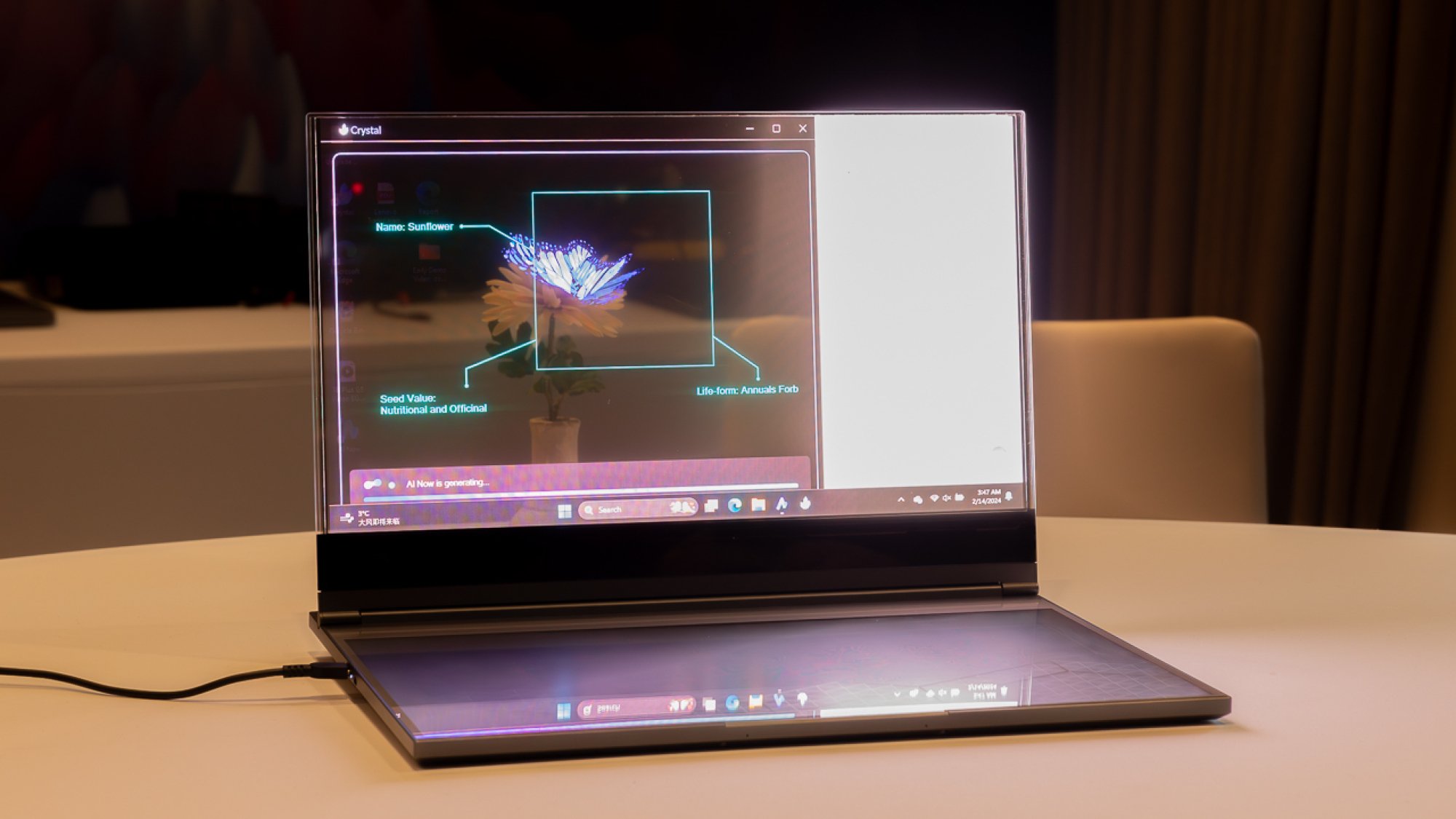
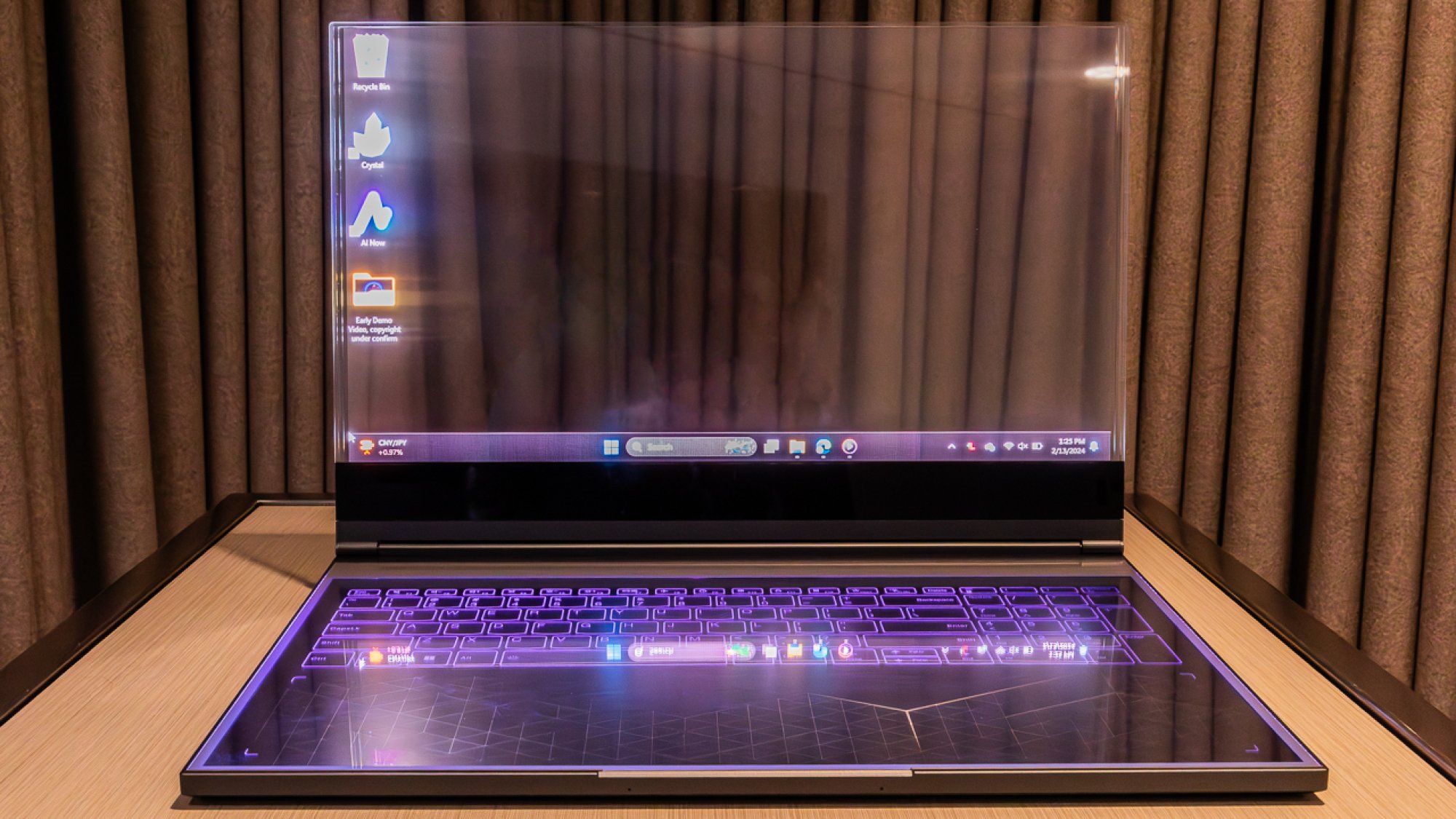
Walking the floor at Mobile World Congress (MWC) in Barcelona often feels like stepping onto a science fiction film set, but few exhibits this year commanded as much breathless attention as Lenovo’s "Project Crystal." Formally known as the Lenovo Transparent ThinkBook, this 17.3-inch Micro-LED proof-of-concept is more than just a visual party trick; it represents a fundamental rethink of the boundary between our digital workspaces and the physical world. By utilizing Artificial Intelligence Generated Content (AIGC), the device overlays digital data onto physical objects, effectively turning a laptop into an Augmented Reality (AR) hub without the need for cumbersome headsets.
The Hardware: Why Micro-LED is the Transparent Standard
To understand why this ThinkBook matters, one must look past the "cool factor" and into the physics of the display. While transparent OLEDs have existed for several years—notably in LG’s high-end signage—Lenovo has opted for Micro-LED technology for a very specific reason: visibility. Transparent displays inherently struggle with ambient light; if the screen isn't bright enough, the image washes out against the background.
Lenovo’s Micro-LED panel reaches a staggering peak brightness of 1,000 nits. This ensures that even in a sun-drenched glass office, the color saturation and contrast remain high enough for professional work. When the pixels are turned off, the screen reaches a level of transparency that rivals high-end glass. While current advanced panels developed by industry leaders like JDI have achieved transparency levels of up to 87%, Lenovo’s implementation focuses on the balance between "see-through" clarity and "read-through" legibility.
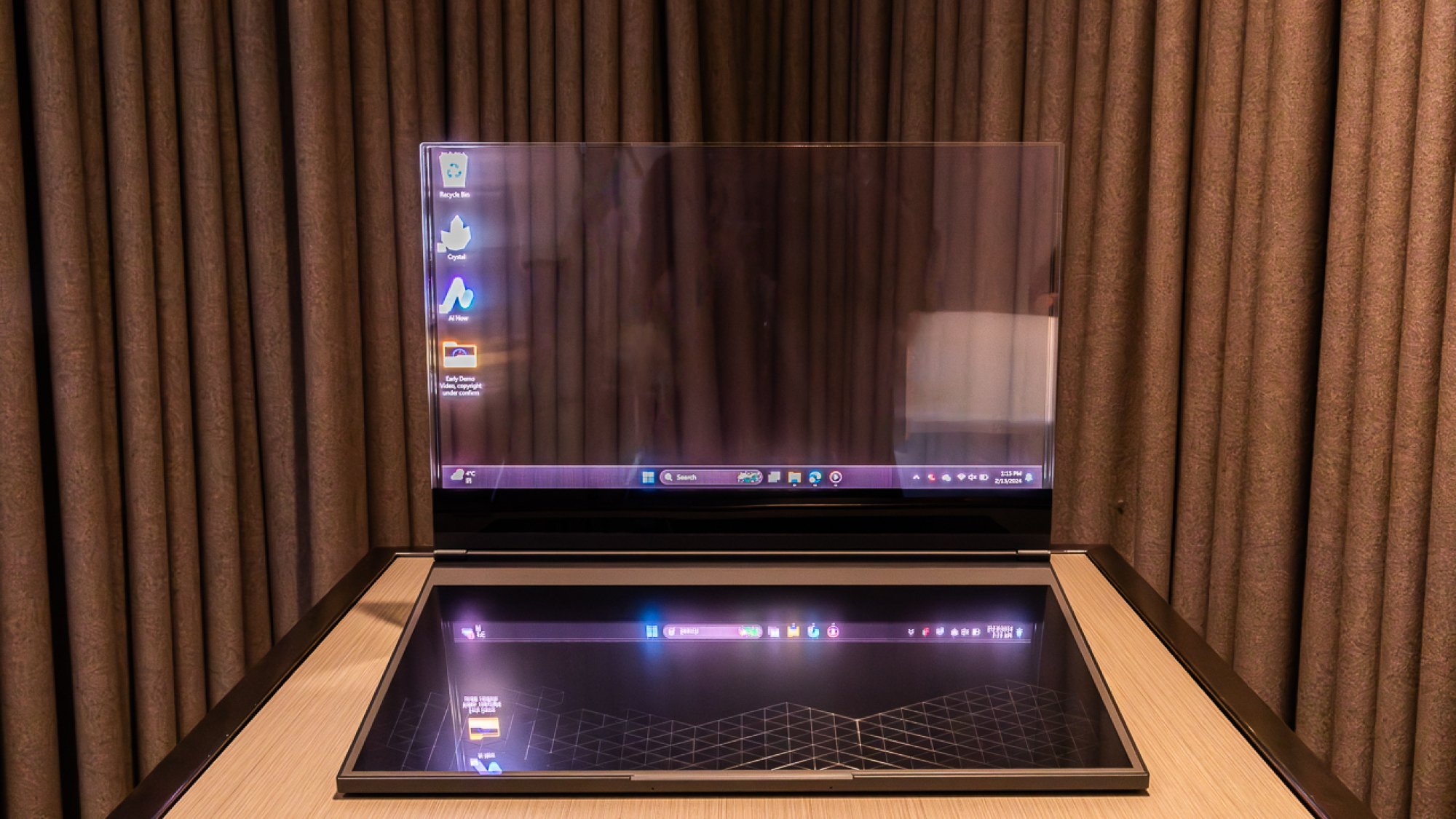
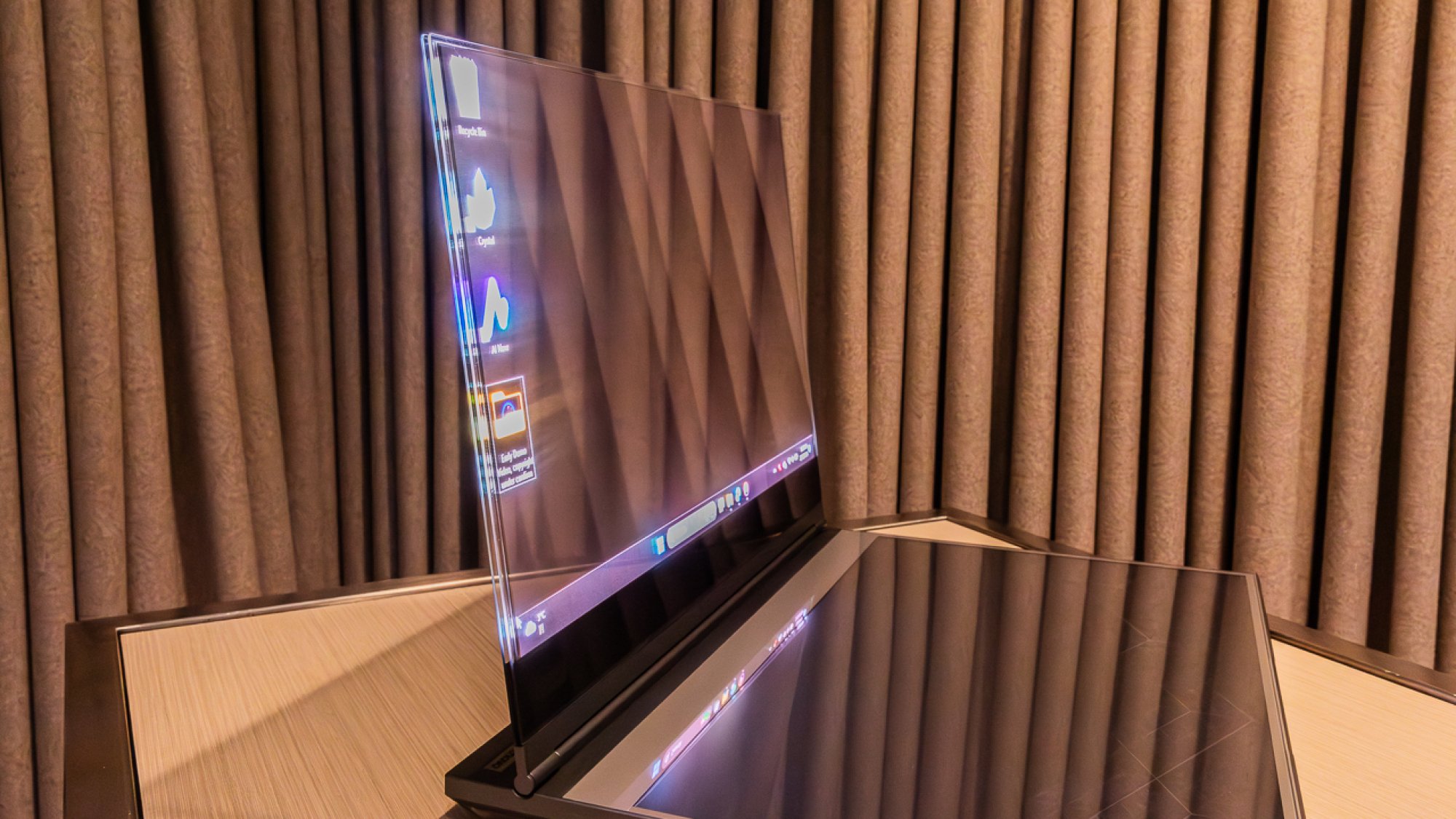
The design philosophy extends to the chassis as well. The "borderless" aesthetic is bolstered by a transparent touch surface that replaces the traditional mechanical keyboard, giving the entire unit the appearance of a floating glass sculpture.
Comparative Analysis: Micro-LED vs. Transparent OLED
For the analytical professional, the choice of Micro-LED over OLED is the most significant technical decision Lenovo made. Here is how the two technologies stack up in the realm of transparency:
| Feature | Micro-LED (Lenovo ThinkBook) | Transparent OLED (Consumer TVs) |
|---|---|---|
| Peak Brightness | ~1,000 Nits | ~400-600 Nits |
| Color Saturation | Exceptional (High Density) | Moderate |
| Durability | Inorganic (Longer Lifespan) | Organic (Susceptible to Burn-in) |
| Transparency Level | High (Up to 55-60% in current build) | High (Typically 40-45%) |
| Energy Efficiency | High | Moderate |
Purposeful Innovation: Beyond the Gimmick
Critics often dismiss transparent tech as a "solution looking for a problem." However, Lenovo is positioning the Transparent ThinkBook as a bridge for the AIGC era. The primary goal is to enable seamless AR workflows. Imagine an architect placing the laptop in front of a physical scale model; through the rear-mounted camera and AI integration, the laptop identifies the model and overlays digital schematics, plumbing layouts, or structural stress tests directly onto the user’s view of the physical object.
This is where the productivity aspect shines. The base of the laptop is a capacitive touch surface. It functions as a "projection" keyboard, but with the tap of a button—or the approach of a stylus—the keys vanish, leaving a vast, flat drawing board.
Expert Insight: The integration of AIGC means the laptop doesn't just "show" you the world; it understands it. By capturing real-world imagery through the glass, the AI can generate contextual data in real-time, making it an invaluable tool for designers, engineers, and medical professionals who need to maintain eye contact with their environment while referencing complex data.
The Broader Context: A $7.9 Billion Market
Lenovo isn't operating in a vacuum. The move toward transparency is part of a surging industry trend. We saw LG’s Signature OLED T (a transparent TV) steal the show at CES earlier this year, and the commercial applications are expanding rapidly. From storefronts that display interactive prices while allowing you to see the product, to surgical navigation systems that let doctors see patient vitals without looking away from the operating table, the utility is undeniable.
According to recent industry reports, the transparent display market is forecast to reach $7.9 billion by 2026, growing at a compound annual growth rate (CAGR) of 44.9%.
This growth suggests that while the Transparent ThinkBook is currently a "Proof of Concept," the supply chain and demand for such panels are maturing at an exponential rate. Lenovo is effectively staking its claim early, ensuring that when the market shifts from niche to mainstream, they are the ones holding the blueprints.
Lenovo’s 2026 Vision: Adaptive Design
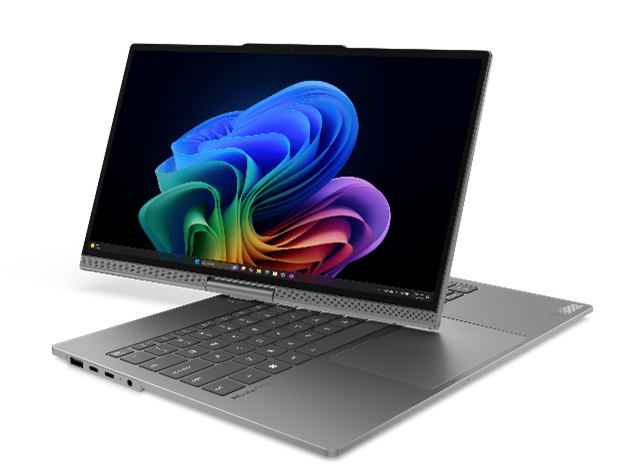
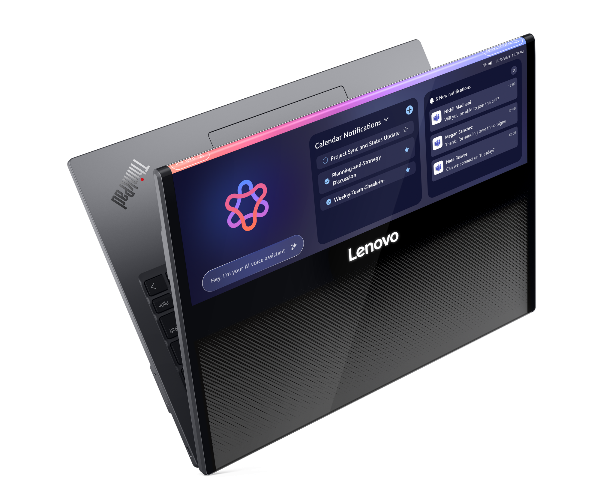
The Transparent ThinkBook is part of a wider "Adaptive Design" strategy. Lenovo has been consistently pushing the boundaries of the traditional clamshell form factor. This includes the ThinkBook Plus Gen 7 "Auto Twist," which features a motorized hinge that can track the user during a presentation or automatically close when you walk away.
These concepts are more than just engineering exercises; they are a response to the changing nature of work. As we move toward "Smarter AI for All," the hardware must become as flexible as the software. Whether it is a screen you can see through or a display that rolls up like a scroll, Lenovo is betting on a future where your device adapts to your environment, not the other way around.
The Hurdles: Privacy, Cost, and Durability
Despite the euphoria surrounding the reveal, several critical challenges remain before this reaches your local Best Buy or corporate IT procurement list.
- Privacy: The most glaring issue is that transparency works both ways. In its current form, anyone sitting across from you can see exactly what you are working on. Lenovo has mentioned that they are working on "adjustable transmittance"—essentially an electronic privacy shutter that could turn the glass opaque with the flick of a switch—but this technology is currently expensive and difficult to scale.
- Input Feedback: While the glass touch surface looks stunning, it lacks the tactile "thump" of a mechanical keyboard. For writers and coders who rely on haptic feedback, a glass surface can lead to increased fatigue and typing errors.
- Durability: Laptops are mobile devices. They get dropped, bumped, and shoved into crowded bags. Creating a 17.3-inch glass panel that is both paper-thin and structurally resilient is an immense material science challenge.
Conclusion: Is it the Future or a Fad?
As a critic who has seen countless "world-firsts" end up in the dustbin of tech history, I view the Lenovo Transparent ThinkBook with a mix of genuine excitement and calculated skepticism. It is not a device for the average office worker—not yet. However, for the creative professional, the specialized engineer, or the high-end retail environment, it offers a glimpse into a world where digital information is no longer confined to a black box.
Lenovo has succeeded in proving that transparent displays can be bright, vibrant, and functionally integrated with AI. While the "adjustable transmittance" for privacy and the high R&D costs remain significant barriers, the 44.9% CAGR of the transparent display market suggests that the industry is moving in this direction whether we are ready for it or not.
The ThinkBook Project Crystal may never be mass-produced in its current form, but the technologies it debuted—Micro-LED efficiency, AIGC-driven AR, and adaptive glass surfaces—will undoubtedly define the next decade of laptop design.
FAQ
Q: Can you actually see the screen in a bright room? A: Yes. Because it uses Micro-LED technology with 1,000 nits of peak brightness, the screen remains visible even in well-lit environments, though direct sunlight may still pose some challenges for the transparency aspect.
Q: Can people on the other side see what I’m doing? A: Currently, yes. The proof-of-concept lacks a privacy filter, meaning the display is visible from both sides. Lenovo is researching software-controlled opacity to solve this in future iterations.
Q: When will the Transparent ThinkBook be available for purchase? A: As of now, it is a "Proof of Concept," meaning there is no official release date or price. It serves as a showcase for Lenovo's R&D capabilities and the future of the ThinkBook line.
Stay Ahead of the Curve
Lenovo continues to lead the industry in "Smarter AI for All." To explore their current line of cutting-edge business laptops and AI-ready workstations, visit their official innovation hub.