Quick Look: The Samsung Galaxy Ring
| Pros | Cons |
|---|---|
| No monthly subscription fees for health data | Exclusive to Android (Optimized for Samsung) |
| Impressive 7-day battery life | High $399 upfront cost |
| Lightweight, durable Grade 5 Titanium | Lacks GPS and advanced haptic feedback |
| Innovative translucent charging case | Heart rate accuracy can lag in high-intensity HIIT |
For years, the smart wearable market has been a duopoly of sorts: the functional-but-bulky smartwatch and the discreet-but-expensive smart ring. As a travel critic who prioritizes efficiency and gear that doesn’t require a daily tether to a wall outlet, I have watched the evolution of the "finger-worn" category with a skeptical eye. Historically, the barrier wasn’t just the hardware; it was the "subscription tax" that turned a one-time purchase into a lifelong financial commitment.
Samsung’s entry into this space with the Galaxy Ring marks a significant shift in the landscape. Is the Samsung Galaxy Ring worth buying? For the committed Samsung user, the answer is a resounding yes. It represents a premium choice for those seeking a subscription-free health tracker with a 7-day battery life and seamless Galaxy ecosystem integration. By removing the recurring fee, Samsung hasn't just released a gadget; they have challenged the industry's economic status quo.
Design & Comfort: Titanium Durability Meets Concave Style
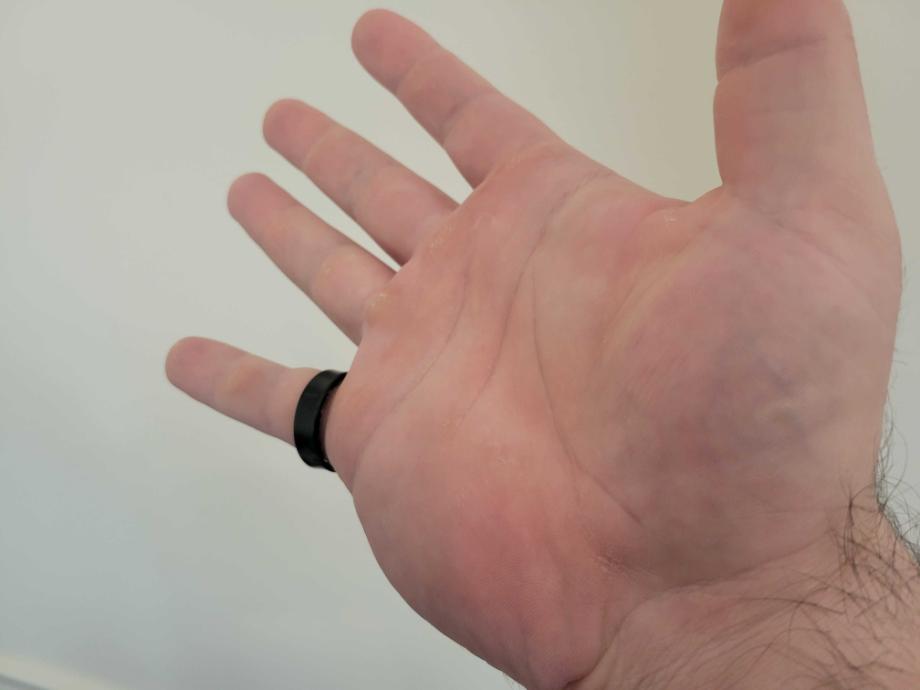
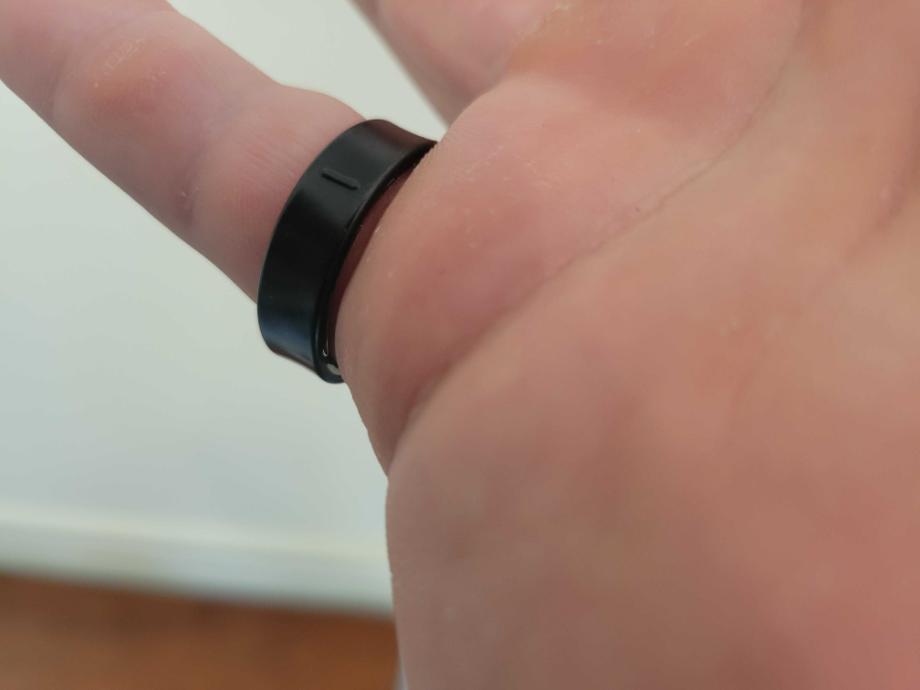
The first thing one notices about the Galaxy Ring is its weight—or lack thereof. Ranging from 0.08 to 0.11 ounces depending on the size, it is significantly lighter than the average wedding band and feels almost non-existent compared to a Galaxy Watch or an Apple Watch Ultra. Samsung opted for Grade 5 Titanium for the exterior, a material choice that balances high tensile strength with a weight-to-durability ratio that travelers and athletes alike will appreciate.
What sets the Galaxy Ring apart aesthetically is its concave design. While competitors like the Oura Ring Gen 3 feature a convex or flat outer surface, Samsung’s inward-curving profile serves a dual purpose. First, it creates a unique visual signature that catches the light differently. Second, and more importantly, the concave shape naturally protects the center of the ring from the micro-scratches that inevitably plague smart rings during activities like weightlifting or handling luggage.
Regarding durability, the ring is rated for 10ATM water resistance and holds an IP68 rating. In practical terms, this means it isn't just "splash-proof"—it is built for swimming, showering, and even shallow diving. Our testing confirms that the finish holds up remarkably well against the rigors of a nomadic lifestyle, though we recommend the Matte Black or Silver finishes over the Gold if you are particularly concerned about visible scuffing over time.
Health Features: Galaxy AI & The "Energy Score"
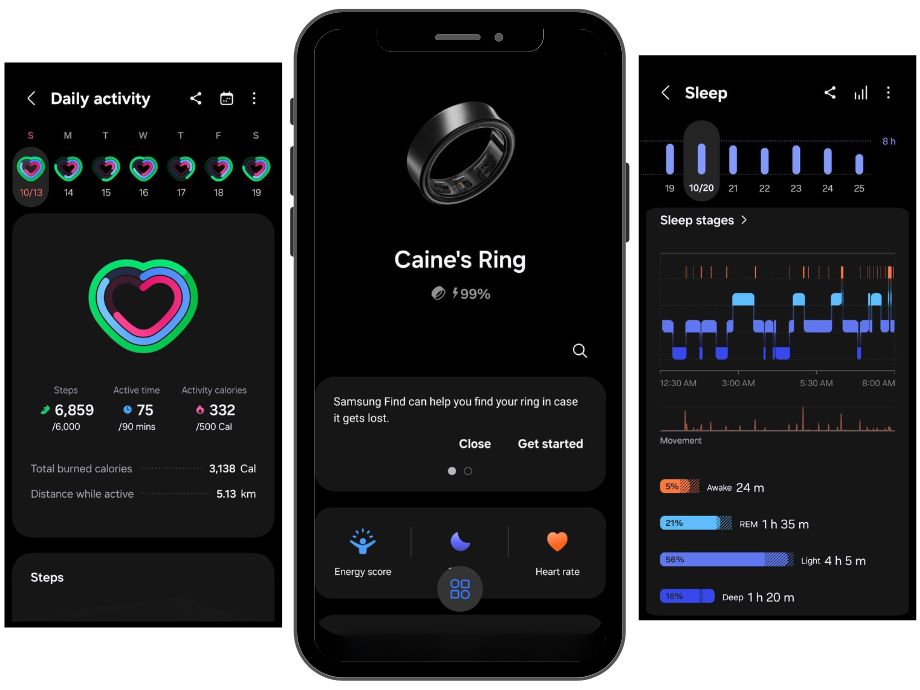
What makes the Samsung Galaxy Ring unique in a crowded market is its software-led approach to health. While the hardware is impressive, the "magic" happens within the Samsung Health app, powered by Galaxy AI. The centerpiece of this experience is the Energy Score, a metric that analyzes your sleep, physical activity, and heart rate variability (HRV) to provide a daily readiness assessment.
The ring utilizes a sophisticated array of sensors:
- PPG (Optical Bio-signal): Monitors heart rate and blood oxygen levels.
- Skin Temperature Sensor: Tracks fluctuations during sleep and assists in fertility tracking.
- Accelerometer: Measures movement and automatically detects walking or running.
Unlike traditional trackers that bombard you with raw data, the Galaxy AI takes a holistic view. If your sleep was restless but your activity levels were high the previous day, the app won't just tell you you're "tired"—it provides "Wellness Tips" tailored to your specific recovery needs. Furthermore, for users tracking reproductive health, the integration with Natural Cycles uses skin temperature data to provide highly accurate fertility insights without the need for manual morning thermometer readings.
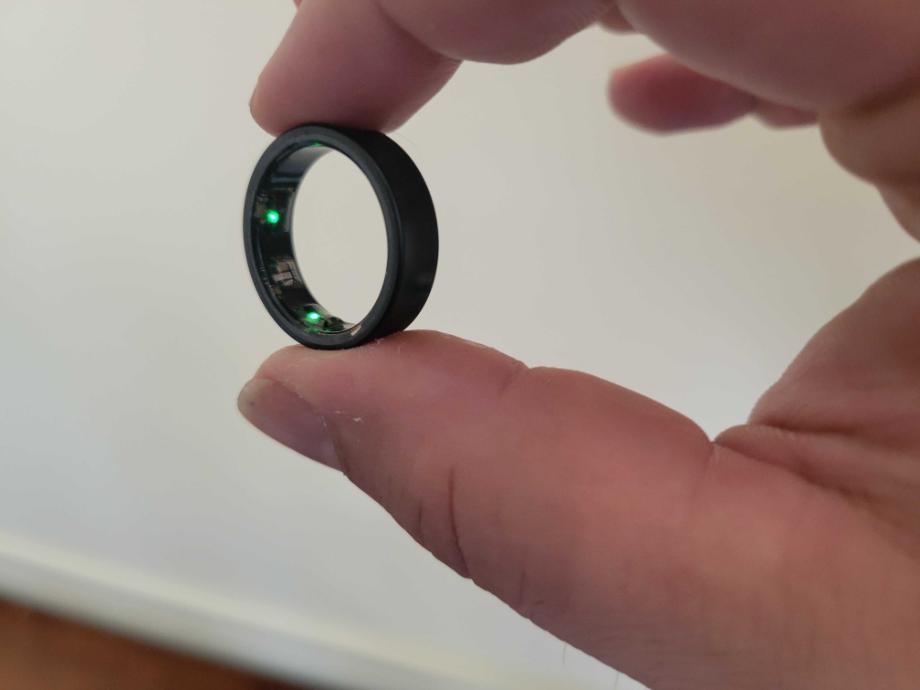
One of the most impressive aspects of the sleep tracking suite is the snoring detection and blood oxygen monitoring. By wearing the ring instead of a watch, users often find the data more accurate because a ring maintains more consistent skin contact throughout the night. It’s a "set it and forget it" device that provides deep physiological insights without the blue-light distraction of a wrist-mounted screen.
Battery Life: A Full Week on a Single Charge
In the world of wearables, battery anxiety is the primary reason devices end up in a desk drawer. Samsung has addressed this by delivering up to 7 days of battery life on a single charge for sizes 12 and 13 (smaller sizes typically see 5-6 days). This longevity is a game-changer for long-haul travelers who may not want to carry an array of proprietary cables.
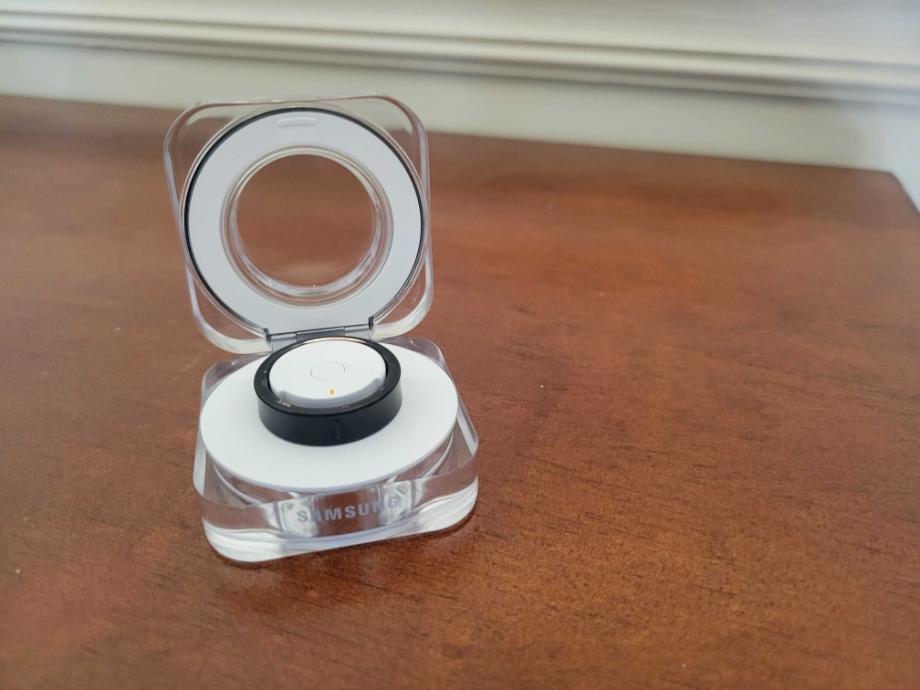
The charging solution itself deserves a mention. Samsung includes a unique, translucent charging case equipped with its own 361mAh battery. This case can recharge the ring approximately 1.5 times before the case itself needs a USB-C or wireless charge.
Expert Insight: The ability to wirelessly charge the ring's case using the "PowerShare" feature on a Galaxy smartphone is a brilliant touch of ecosystem synergy. It ensures that even in remote locations, your ring never truly runs out of juice.
A full 0-100% charging cycle takes roughly 80 minutes. While not the fastest on the market, the fact that you only need to do it once a week makes the duration negligible.
Compatibility: The 'Samsung Catch'
Before you reach for your wallet, there is a significant caveat to consider. Does the Samsung Galaxy Ring work with iPhone? No. The Samsung Galaxy Ring is only compatible with Android devices running Android 11.0 or higher.
Furthermore, even within the Android ecosystem, there is a "tiered" experience. To unlock the full potential of the device—including the advanced AI-driven Energy Score, gesture controls (like "pinching" your fingers to dismiss an alarm or take a photo), and "Find My Ring" functionality—you specifically require a Samsung Galaxy phone. While basic heart rate and step tracking will work on other Android phones via the Samsung Health app, the lack of AI insights on non-Samsung devices significantly diminishes the value proposition.
Financial Analysis: Upfront Cost vs. Long-term Savings
The $399 MSRP often causes immediate sticker shock, especially when compared to the entry-level Oura Ring or the budget-friendly Amazfit Helio. However, a data-driven comparison reveals a different story.
The Oura Ring Gen 3 starts at $299 but requires a $5.99 monthly subscription to access your own health data. Over three years, the Oura Ring actually costs approximately $514. In contrast, the Samsung Galaxy Ring saves users approximately $71.88 annually by requiring $0 in monthly subscription fees.
Samsung Galaxy Ring vs. Oura Ring Gen 3
| Feature | Samsung Galaxy Ring | Oura Ring Gen 3 |
|---|---|---|
| MSRP | $399 | $299 - $549 |
| Monthly Fee | $0 | $5.99 |
| 3-Year Total Cost | $399 | $514.64+ |
| Battery Life | Up to 7 Days | Up to 7 Days |
| Compatibility | Android Only (Best on Galaxy) | iOS and Android |
| Material | Grade 5 Titanium | Titanium |
For a long-term user, the "break-even" point where the Samsung Galaxy Ring becomes cheaper than the Oura Ring is roughly 18 months. For those of us who prefer to own our data rather than rent it, Samsung’s financial model is objectively superior.
Final Verdict: Who Is This For?
The Samsung Galaxy Ring is not a replacement for a dedicated sports watch if you are training for a marathon; the lack of GPS and some lag in high-intensity heart rate monitoring make it a secondary tool for elite athletes. However, for the professional traveler, the health-conscious executive, or the Samsung enthusiast, it is currently the best wearable on the market.
It excels in passive health monitoring—tracking your recovery, sleep quality, and daily stress levels without being another screen demanding your attention. It is a masterclass in discreet technology.
Buy it if:
- You already own a Samsung Galaxy smartphone.
- You want 24/7 health tracking without a monthly subscription.
- You find smartwatches too bulky for sleep or formal occasions.
Skip it if:
- You use an iPhone.
- You require real-time GPS tracking on your finger.
- You are on a tight budget and don't mind the "subscription model" of competitors.
Check Samsung Galaxy Ring Pricing →
FAQ
Q: Can I wear the Galaxy Ring while lifting weights?
A: Yes, the Grade 5 Titanium is highly durable. However, like any metal ring, it can be scratched by steel barbells. We recommend wearing it on your non-dominant hand or using gym gloves if you are concerned about the finish.
Q: How do I know my size?
A: Samsung offers a free Sizing Kit when you purchase the ring. It is crucial to wear the plastic sizing ring for 24 hours, as your fingers swell and shrink depending on the time of day and temperature.
Q: Is the Galaxy Ring better than the Galaxy Watch 7?
A: They serve different purposes. The Watch is a communication and fitness tool with a screen. The Ring is a passive health and sleep tracker. Interestingly, wearing both actually improves data accuracy and extends the battery life of the Ring by up to 30%, as the devices share the sensing load.