Quick Facts
- The Reliability Gap: Electric vehicles (EVs) exhibit 79% more reliability issues compared to internal combustion engine (ICE) vehicles.
- The Hybrid Advantage: Hybrid vehicles demonstrate 26% fewer problems than traditional gas cars, making them the current "gold standard" for reliability.
- Root Causes: Most EV issues stem from new manufacturing platforms, infotainment glitches, and battery cooling systems rather than the electric motors themselves.
- Long-term Savings: Despite initial repair hurdles, the 15-year total cost of ownership (TCO) for an EV is often significantly lower. For example, an electric SUV can save an owner approximately $14,925 in fuel and maintenance over its lifespan.
- Most Unreliable Models (2024-2026): Notorious mentions include the 2024 Tesla Cybertruck, the Ford F-150 Lightning, and the Rivian R1T.
For decades, the automotive industry has promised that the transition to electric power would usher in an era of mechanical simplicity. Without the thousands of moving parts found in an internal combustion engine, common sense suggested that maintenance would plummet and reliability would soar. However, the latest data from Consumer Reports tells a vastly different story. For many early adopters and travelers looking for a seamless driving experience, the reality of the 2024-2025 market is a paradox: the most technologically advanced vehicles on the road are currently the most prone to failure.
The Irony of Innovation: Understanding the 79% Gap
The headline figure is startling: electric vehicles face 79% more problems than their gasoline-powered counterparts. As a critic who has spent years tracking the evolution of travel tech, I find this statistic reflects a classic "growing pain" phase of innovation. The primary reason for this gap isn't that electric motors are inherently flawed. On the contrary, electric motors are remarkably durable. The problem lies in the "newness" of everything surrounding the motor.
Automakers are not just swapping engines; they are redesigning vehicle architectures from the ground up. These new platforms often feature experimental door handles, complex infotainment systems, and proprietary battery cooling loops that have not been road-tested over decades. While a gas-powered Toyota Camry benefits from 40 years of iterative refinement, a new EV is essentially a "Version 1.0" product.
Most reported issues center on:
- Charging Hardware: Faulty onboard chargers and communication errors with public stations.
- In-Car Electronics: Screen freezes, software glitches, and connectivity failures that govern everything from climate control to navigation.
- Manufacturing Quality: Gaps in body panels, interior trim rattles, and seal failures—problems often seen in companies scaling production too rapidly.
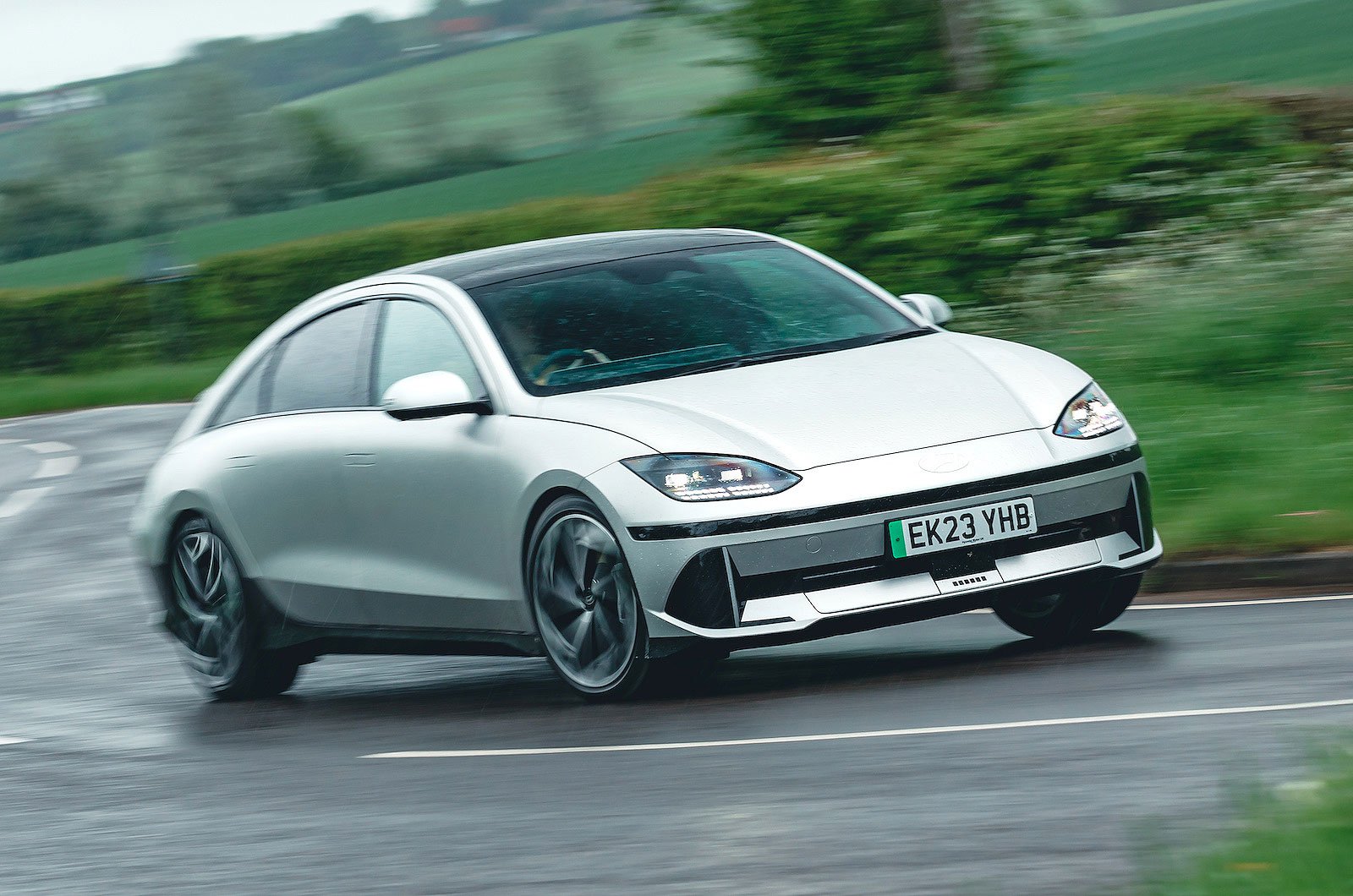
James’ Insight: When you buy a first-generation EV, you aren't just a customer; you are effectively a beta tester. For the risk-averse traveler, waiting for a mid-cycle refresh (usually 3 years after launch) is a prudent strategy to avoid these initial 79% higher failure rates.
The Hybrid Sweet Spot: 26% Fewer Problems
While the battle between gas and pure electric rages on, the hybrid vehicle (HEV) has quietly become the most reliable segment in the market. According to the same study, hybrids demonstrate 26% fewer problems than traditional gas cars. This is a remarkable feat considering hybrids are technically more complex, featuring both an engine and an electric motor.
The secret to this success is maturity. Modern hybrids utilize technology that has been refined since the late 1990s. Companies like Toyota and Honda have mastered the seamless handoff between electric and gas power. For the traveler who needs a vehicle for long-distance road trips without the anxiety of charging infrastructure or mechanical failure, the hybrid currently offers the best of both worlds.
However, a distinction must be made regarding Plug-in Hybrids (PHEVs). Unlike standard hybrids, PHEVs are currently ranking lower in reliability—sometimes even lower than pure EVs—due to the added complexity of two separate fueling systems (charging port and gas tank) co-existing in one chassis.
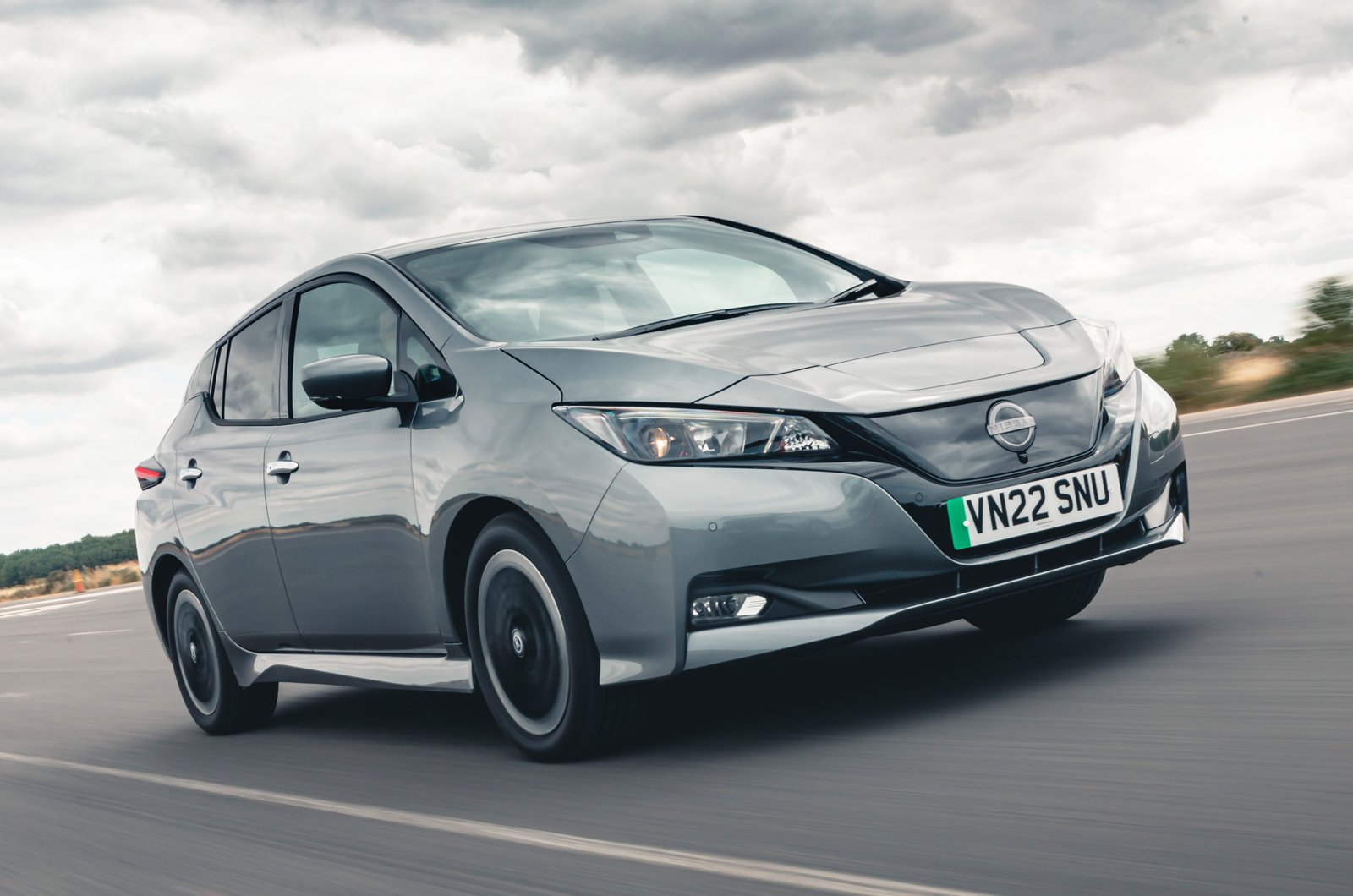
The 'Avoid' List: Most Unreliable Models for 2024-2026
When we dig into the data, certain models stand out for their frequent visits to the repair shop. If you are in the market for a new vehicle, these are the models currently flagged for significant reliability concerns:
- 2024 Tesla Cybertruck: Despite its futuristic appeal, the Cybertruck has been plagued by drive inverter issues and sudden propulsion loss. It has already seen over 10 recalls in its short lifespan, ranging from accelerator pedal defects to rearview camera glitches.
- 2025 Ford F-150 Lightning: The transition of the world's best-selling truck to electric hasn't been smooth. Owners report significant issues with charging capabilities and persistent in-car electronics glitches that can leave the truck's sophisticated software in a "brick" state.
- Pre-2022 Chevrolet Bolt: While newer models have improved, the older Bolts remain a cautionary tale in the used market due to high-profile battery fire risks and electrical component failures.
- 2023 Toyota Prius Prime: A rare miss for Toyota. This PHEV has faced recalls regarding its rearview mirrors and max weight rating systems, proving that even the kings of reliability struggle with new plug-in configurations.
- Rivian R1T: Ranked as one of the least reliable EVs by Consumer Reports, the R1T suffers from battery cooling issues and body hardware leaks. For a vehicle marketed for rugged outdoor travel, these vulnerabilities are particularly disappointing.
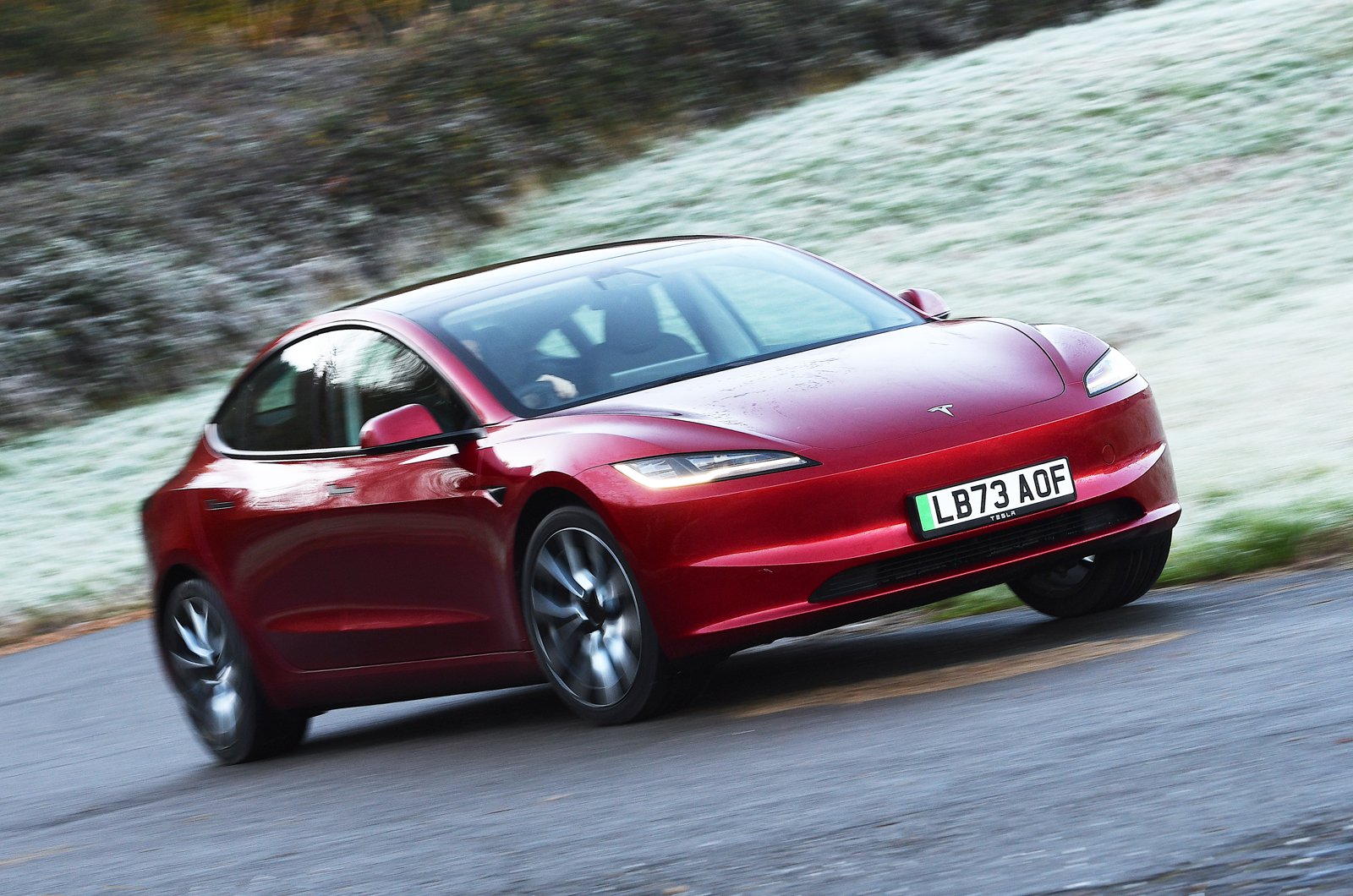
The Financial Flip Side: Total Cost of Ownership (TCO)
The reliability data paints a grim picture for the short-term, but the long-term financial analysis tells the opposite story. This is the "EV Paradox": you may visit the mechanic more often in the first three years, but you will likely spend much less over fifteen years.
Over a 15-year horizon, the maintenance and fueling savings of an EV begin to eclipse the costs of initial repairs. Let’s look at a comparison between a popular SUV model in both its electric and gasoline iterations.
15-Year Cost Comparison: Chevrolet Equinox
| Expense Category | Equinox (Gasoline) | Equinox EV |
|---|---|---|
| Initial Purchase Price | $30,500 | $34,995 |
| Fuel/Electricity (15 Years) | $31,500 | $12,425 |
| Maintenance & Repairs | $10,345 | $9,900 |
| Total Cost of Ownership | $72,345 | $57,420 |
| Net Savings (EV) | -- | $14,925 |
Note: Data assumes 12,000 miles per year and average US energy/fuel prices.
The primary driver of these savings is the dramatic difference in "fueling" costs. While gas prices fluctuate wildly based on geopolitical tensions, electricity prices remain relatively stable and significantly cheaper per mile. Furthermore, EVs do not require oil changes, spark plug replacements, or timing belt services, which offsets the higher cost of EV-specific tires and the occasional software-related repair.
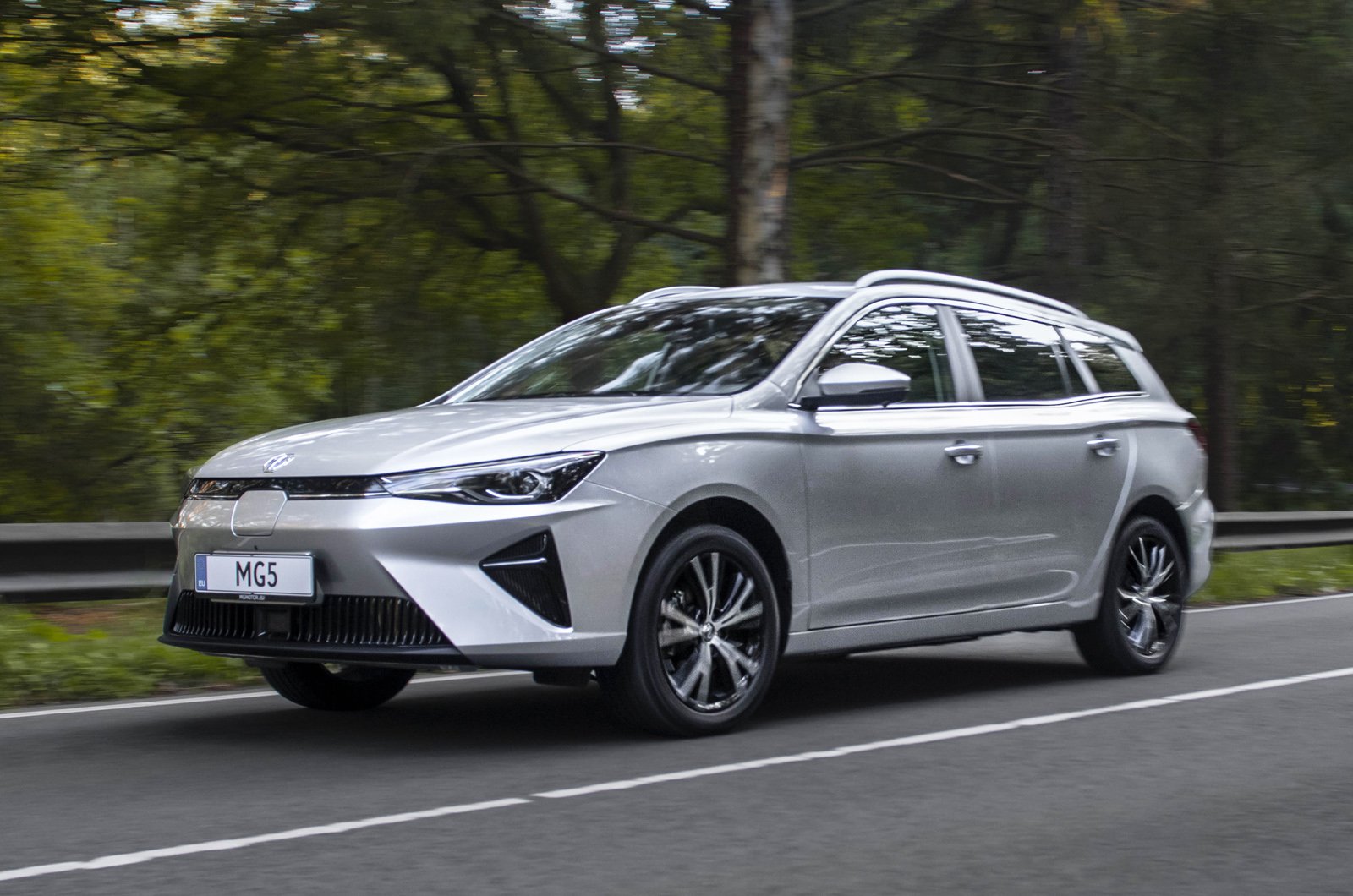
Future Trends: Will EV Reliability Improve?
As we look toward 2026 and beyond, there are several reasons to remain optimistic about the electric transition.
- Over-the-Air (OTA) Updates: Unlike gas cars that require a physical visit to the dealer for almost every fix, EVs can solve many reliability issues via software updates. Tesla and Rivian have already demonstrated the ability to fix braking distances and battery management bugs overnight.
- The 2026 'Lease Boom': By 2026, an estimated 243,000 EVs will be returning to the market from 3-year leases. This surge in used inventory will force manufacturers to improve their refurbishment processes and provide more data on long-term battery health.
- The NACS Standard: The industry-wide shift toward the North American Charging Standard (NACS)—pioneered by Tesla—will solve one of the biggest "reliability" complaints: the frustration of broken third-party chargers. As more brands gain access to the Supercharger network, the perceived reliability of EVs will likely jump.
Verdict: Should You Plug In or Gas Up?
The decision to buy an EV today depends entirely on your risk tolerance and your intended use case.
An EV makes the most sense if:
- You plan to keep the vehicle for 10+ years to recoup the Total Cost of Ownership savings.
- You have the ability to charge at home, avoiding the currently unreliable public charging infrastructure.
- You are comfortable with occasional software-driven "growing pains."
A Hybrid makes the most sense if:
- Reliability is your #1 priority.
- You frequently travel to remote areas with limited charging access.
- You want the fuel efficiency of an electric motor without the 79% higher risk of initial mechanical problems.
Ultimately, the 79% reliability gap is a snapshot of an industry in transition, not a permanent condemnation of the technology. As manufacturing processes mature, the inherent simplicity of the electric drivetrain will eventually win out. But for now, the data suggests that "new" does not always mean "better."
FAQ
Q: Why do electric cars have more reliability issues than gas cars?
A: According to Consumer Reports, the 79% higher problem rate is primarily due to the "growing pains" of new technologies. Manufacturers are using new vehicle platforms, complex infotainment systems, and experimental designs that haven't been perfected yet. The electric motors themselves are quite reliable; it is the secondary systems that often fail.
Q: Is it actually cheaper to own an EV in the long run?
A: Yes. Despite higher initial reliability concerns and potentially higher repair costs for specialized parts, the total cost of ownership (TCO) over 15 years favors EVs. Savings in fuel and reduced mechanical maintenance (no oil changes, fewer moving parts) can result in a net saving of nearly $15,000 compared to a gasoline equivalent.
Q: Which EV brands are currently the most reliable?
A: While many models have issues, brands with more experience in the EV space, such as Tesla (specifically the Model 3 and Model Y) and Nissan, generally fare better than legacy automakers who are releasing their first-ever electric models. However, the most reliable "electrified" options currently remain standard hybrids from Toyota and Honda.
Are you planning your next road trip or considering a vehicle upgrade? Stay informed on the latest travel news and destination reviews by subscribing to our newsletter.