Quick Facts: The Hidden Cost of Wearable Health
- The Micro-Stress Metric: New research identifies "micro-stress events"—brief, involuntary physiological responses to digital alerts—as a primary driver of premature biological aging.
- The 80-Check Threshold: Men who check their smartwatches or wearable interfaces 80 or more times per day show significantly higher markers of chronic systemic inflammation.
- The Cortisol Smoking Gun: UCLA researchers have successfully measured real-time cortisol spikes via sweat sensors integrated into wearable prototypes, proving a direct link between digital notifications and stress hormone production.
- Orthosomnia: A clinical term for the sleep-disrupting anxiety caused by the pursuit of "perfect" sleep data, which can reduce REM cycles by up to 15%.
- Digital Surveillance State: Constant physiological monitoring creates a feedback loop where the body remains in a low-level "fight or flight" mode, suppressing cellular repair.
For the modern traveler or executive, the smartwatch has become an indispensable tool—a personal physician, concierge, and fitness coach strapped to the wrist. We use them to track our VO2 max during a morning run in the Swiss Alps or to monitor our jet lag recovery in Tokyo. However, a growing body of longitudinal research suggests that the very devices we use to "optimize" our longevity may be doing the exact opposite. We are entering an era of the "Irony of Wellness," where the pursuit of health data triggers a biological decay known as chronic micro-stress.
The Wellness Trap: When Health Tech Backfires
The promise of wearable technology is simple: better data leads to better decisions, which leads to a longer life. Yet, as a critic who has tested every major iteration of health tech from the Oura Ring to the Apple Watch Ultra, I have observed a shifting sentiment among the medical community. The constant stream of data is not just informative; it is intrusive.
Direct Answer: How do smartwatches accelerate human aging?
Smartwatches accelerate biological aging by subjecting the wearer to a constant stream of notifications and health alerts. These trigger "micro-stress events," which cause repeated, elevated cortisol spikes. Over time, chronic cortisol exposure disrupts cellular regeneration, increases systemic inflammation, and compromises metabolic function—the three primary pillars of the aging process.
When your wrist vibrates to tell you that your heart rate is slightly elevated or that you haven't moved in 50 minutes, your nervous system doesn't differentiate between a helpful reminder and a perceived threat. It initiates a subtle but measurable stress response. When this happens dozens of times a day, the cumulative effect on your telomeres—the protective caps on our DNA—is comparable to traditional environmental stressors.
The '80 Times a Day' Rule: Tracking the Micro-Stress Response
A recent study focusing on behavioral patterns among high-performance professionals revealed a startling benchmark. There is a "tipping point" where the utility of a wearable device is overtaken by its psychological burden.
Research indicates that men checking a wearable device 80 or more times daily creates a state of constant digital surveillance, causing the body to remain in a low-level stress response. This isn't just about reading a text message; it's the "data glance"—the habit of checking steps, heart rate, or "readiness scores" every few minutes.
For these individuals, the device acts as a digital taskmaster. The body stays in a state of high sympathetic nervous system activity, never quite entering the parasympathetic "rest and digest" phase required for long-term health. The result is a paradox: the more we monitor our health, the more we deteriorate it through the act of monitoring itself.

Direct Answer: Is checking a smartwatch 80 times a day harmful?
Yes. Research confirms that checking a device 80+ times daily triggers a "digital surveillance state." This persistent self-monitoring prevents the nervous system from relaxing, leading to chronic stress markers that accelerate biological aging and contribute to executive burnout.
The UCLA Discovery: Cortisol Spikes in Real-Time
Until recently, the link between wearables and stress was largely anecdotal or based on self-reporting. That changed with breakthrough biosensing research from UCLA. Scientists developed a specialized thin-film sensor that can detect cortisol—the primary stress hormone—directly through human sweat with high precision.
The findings were transformative for the tech industry. The research demonstrated that common wearable interactions—such as a "Stand Up" reminder during a deep-work session or a notification about a missed fitness goal—caused immediate, measurable cortisol spikes.
These are not the massive spikes associated with a car accident; they are "micro-spikes." However, because these devices are "always-on," the frequency of these spikes creates a jagged hormone profile that never returns to a healthy baseline. The feedback loop is insidious: the device detects stress (often caused by the device itself) and then alerts the user they are stressed, which in turn causes more stress.
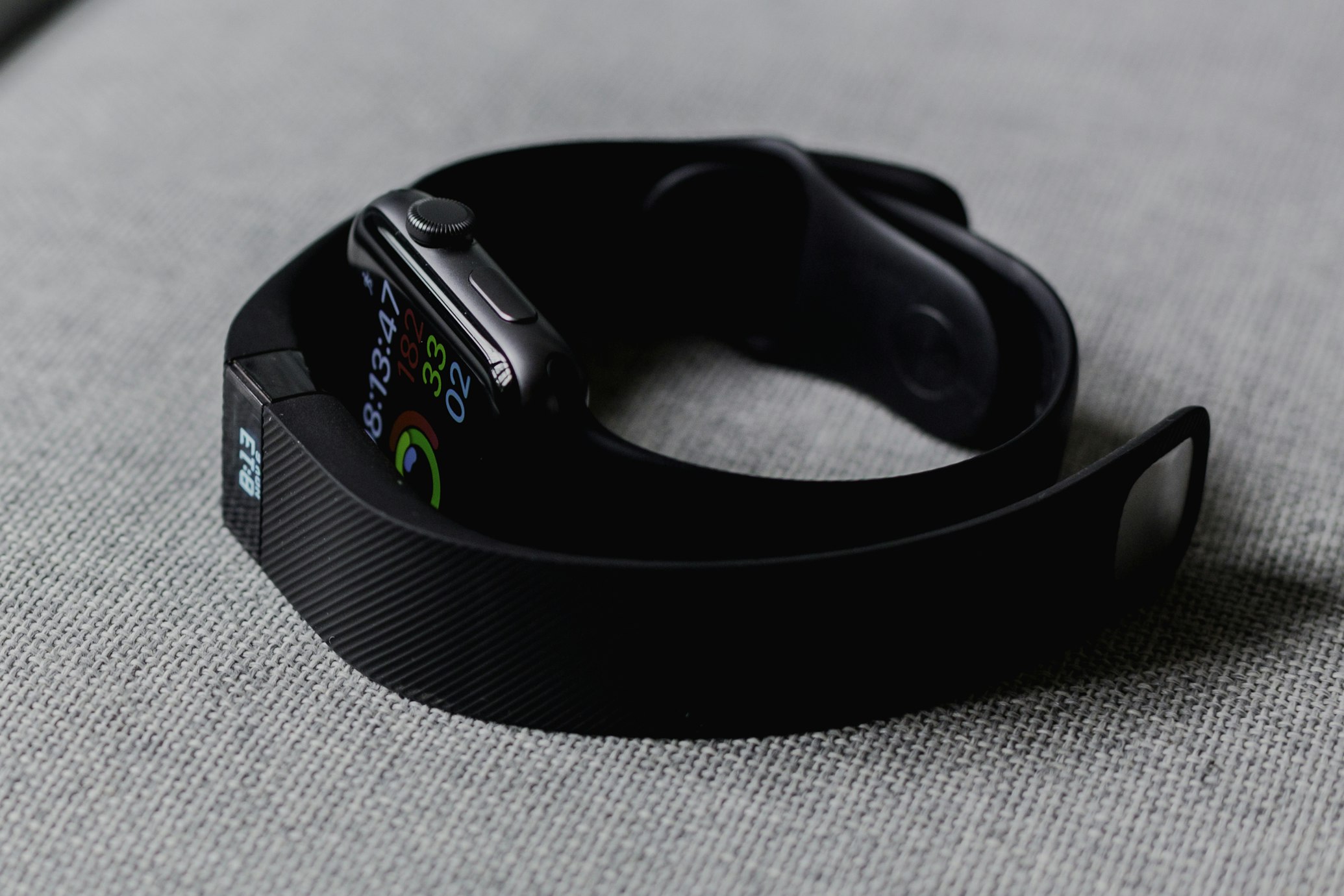
The Sleep Score Anxiety Spiral (Orthosomnia)
Perhaps the most damaging impact of the wearable revolution is occurring in our bedrooms. We have become obsessed with the "perfect" sleep score. As a travel critic who frequently crosses time zones, I have seen colleagues become paralyzed by a "poor" readiness score from their tracker, leading them to cancel meetings or skip workouts based on an algorithm rather than how they actually feel.
This phenomenon is now known as Orthosomnia.
Direct Answer: Can sleep tracking worsen sleep quality?
Yes. Orthosomnia, or sleep-tracking performance anxiety, occurs when users become so obsessed with achieving a high sleep score that the resulting anxiety prevents them from entering deep, restorative sleep. The "3 AM data glance" to check one's sleep progress is a leading cause of interrupted REM cycles.
When you wake up in the middle of the night and check your watch to see how long you've been awake, you are signaling your brain to become alert. You are effectively "gamifying" your rest, and the pressure to perform well on the sleep chart creates a state of nighttime hyper-arousal.
| Feature | Natural Self-Regulation | Algorithmic Dependence |
|---|---|---|
| Primary Metric | Internal "feeling" and energy levels | Numerical "Readiness" or "Sleep Score" |
| Response to Fatigue | Rest based on physical cues | Guilt based on unmet activity rings |
| Stress Source | External life events | Internal data alerts and "Stand" reminders |
| Long-term Impact | High interoceptive awareness | "Digital amnesia" of bodily cues |

The Biological Toll: Cellular Aging vs. Cigarettes
To understand why micro-stress is so dangerous, we have to look at cellular regeneration. Our bodies are designed to handle acute stress (a predator attack) followed by long periods of recovery. Smartwatches have inverted this. They provide a high frequency of low-intensity stress with almost zero recovery.
Chronic cortisol exposure acts as a corrosive to the body's internal systems:
- Telomere Attrition: Elevated stress hormones accelerate the shortening of telomeres, which is the gold standard for measuring biological age.
- Vascular Tension: Constant haptic alerts (vibrations) keep the vascular system in a state of mild constriction, affecting long-term blood pressure.
- Metabolic Disruption: Cortisol signals the body to release glucose for energy. Frequent micro-spikes can lead to insulin resistance over years of wear.
The erosion of "Internal Cues" is perhaps the most tragic biological cost. We are losing the ability to read our own bodies. We no longer know we are thirsty, tired, or stressed until a piece of glass and silicon tells us so. This disconnection is a form of cognitive aging that reduces our resilience to real-world stressors.
Taking Back Control: From Taskmaster to Tool
Does this mean we should throw our expensive wearables into the nearest river? Not necessarily. As with any powerful tool, the danger lies in the implementation, not the invention. To mitigate the aging effects of micro-stress, we must shift our relationship from one of "surveillance" to one of "periodic consultation."
Strategies for "Clean" Tracking:
- Kill the Haptics: Disable all non-emergency haptic alerts. Your wrist should not vibrate unless it is a call from a family member or a critical calendar event.
- The Weekly Review: Instead of checking your data 80 times a day, look at your trends once a week. Biological changes happen over months, not minutes.
- Tech-Free Windows: Establish "Bio-Sabbaths." Remove the watch at 6:00 PM and don't put it back on until after your morning routine.
- Trust the "Vibe" First: Before looking at your sleep score in the morning, ask yourself: "How do I feel?" Only check the data after you’ve made an internal assessment.
By removing the "always-on" nature of these devices, we allow our nervous systems to return to a baseline of calm. We stop the clock on micro-stress and return to a state where technology serves our longevity rather than poaching it.

Join the Newsletter for More Tech Critic Insights →
FAQ
Q: Are certain brands of smartwatches more stressful than others?
A: The stress is generally hardware-agnostic; it is a result of how the user configures notifications. However, devices that prioritize "closing rings" or "streaks" tend to trigger higher levels of performance anxiety compared to those that focus on passive long-term data collection.
Q: Can I still use my watch for fitness without the aging side effects?
A: Absolutely. Use the watch as a "dumb" stopwatch during workouts and sync the data later. The harm comes from the real-time interruptions and the psychological pressure of the data during your non-active hours.
Q: How long does it take for the body to recover from "wearable burnout"?
A: Research suggests that a 48-hour "digital detox" can significantly lower baseline cortisol levels and improve heart rate variability (HRV), indicating a rapid recovery of the nervous system once the digital surveillance is removed.
James Wright's Final Take:
The most advanced health sensor ever created is the human nervous system. Use your smartwatch as a backup to your intuition, not a replacement for it. If your quest for a "100" sleep score is keeping you up at night, the smartest thing you can do for your biological age is to take the watch off.