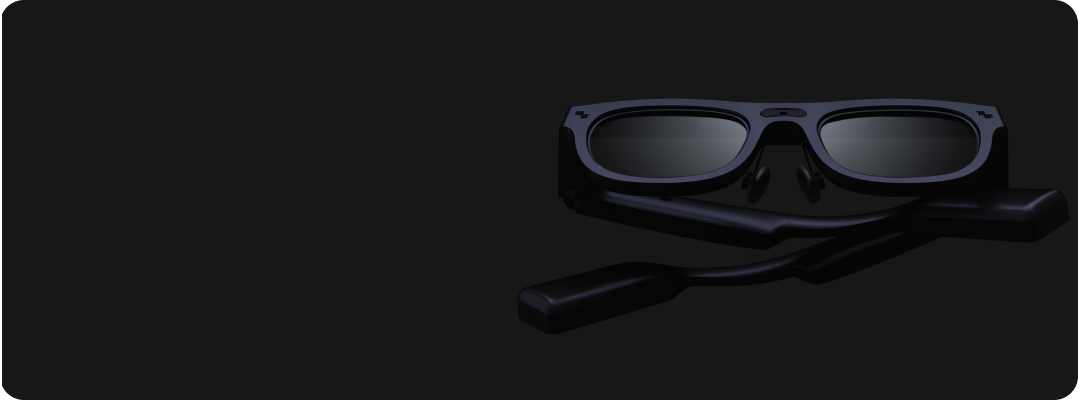
The augmented reality landscape has long been defined by a frustrating compromise: either you accept a bulky, tethered headset that tethers you to a smartphone or PC, or you settle for "smart glasses" that are little more than a camera and a Bluetooth speaker strapped to your face. The RayNeo X2 seeks to shatter this dichotomy. As the world’s first binocular full-color MicroLED AR glasses powered by the Qualcomm Snapdragon XR2 platform, the X2 represents a significant milestone in wearable computing. It is a completely standalone device, bringing the promise of a "heads-up" life into a form factor that—while bold—remains recognizable as eyewear.
For the traveler, the tech professional, or the early adopter, the RayNeo X2 isn't just another peripheral; it is a declaration of independence from the smartphone screen. By integrating high-end processing, advanced optics, and a multimodal AI assistant into a 119g frame, RayNeo is betting that the future of AR lies in the "standalone" experience.
Hardware Breakdown: The Power of Snapdragon XR2
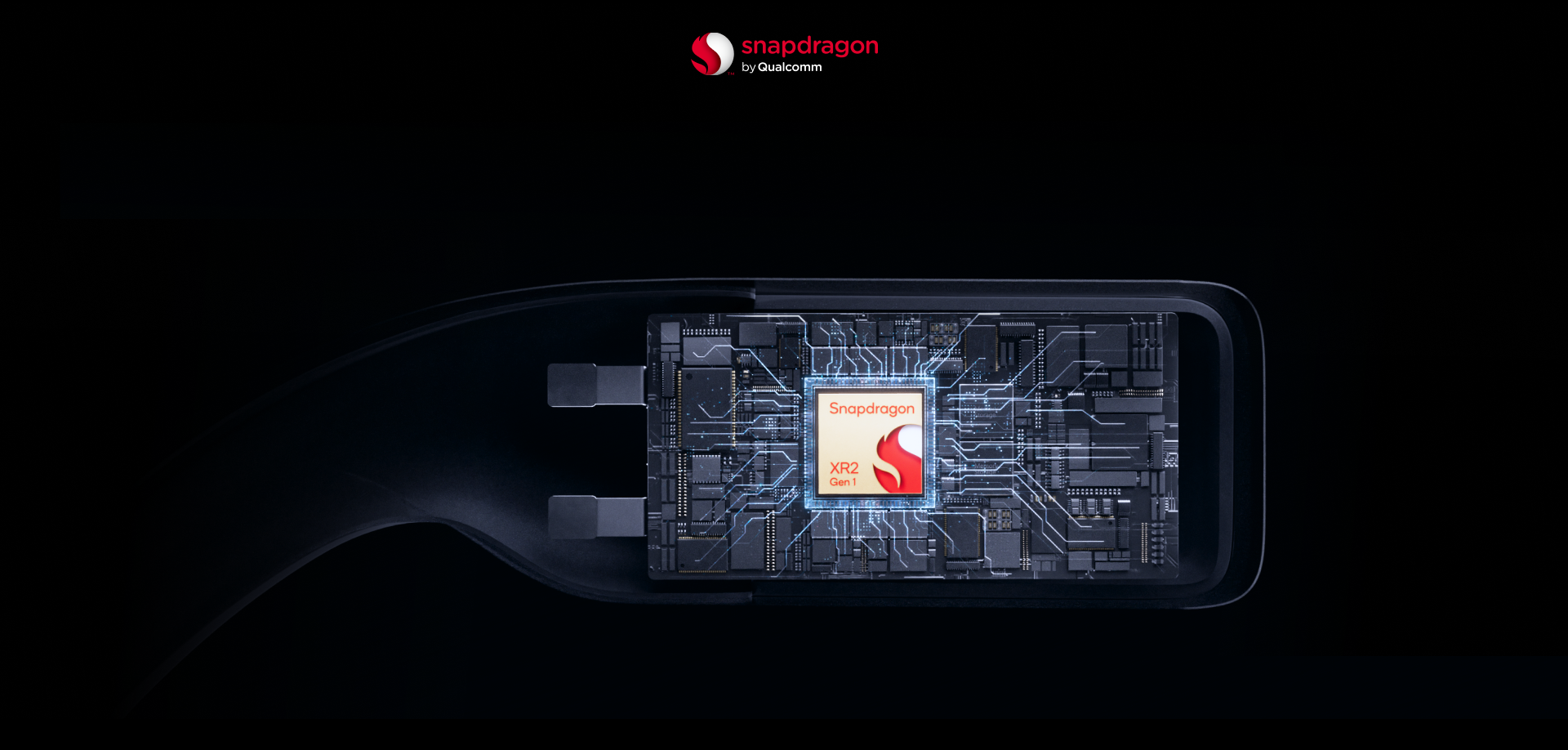
To understand why the RayNeo X2 is a departure from its predecessors, one must look at the silicon. Most AR glasses currently on the market, such as those from Xreal or Rokid, act as external displays for your phone. The RayNeo X2, however, carries its own "brain." The Snapdragon XR2 chipset is the same architecture found in much larger VR headsets, optimized here for a sleeker profile. This allows the device to handle complex tasks like SLAM (Simultaneous Localization and Mapping) and real-time AI processing without offloading the work to a pocketed device.
| Component | Specification |
|---|---|
| Processor | Qualcomm Snapdragon XR2 |
| Memory/Storage | 6GB RAM / 128GB Internal Storage |
| Camera | 16MP (1080p Video / 4320 x 3240 Stills) |
| Connectivity | Wi-Fi, Bluetooth 5.2, GPS |
| Battery | 590mAh (approx. 3 hours of mixed use) |
| Audio | Dual speakers + triple microphone array |

The inclusion of 6GB of RAM and 128GB of internal storage is not merely for show. It enables the RayNeo X2 to record 1080p video, store offline maps, and run an integrated multimodal LLM (Large Language Model) AI assistant entirely on-device. From a critic's perspective, this is the most compelling argument for the X2. In a travel context—navigating a foreign city or translating a menu in a basement bistro with no cellular service—the ability to function independently is the difference between a tool and a toy.
Display & Optics: MicroLED Meets Waveguides
The visual engine of the RayNeo X2 utilizes a proprietary binocular full-color MicroLED optical waveguide display. In layman's terms, this means the glasses use microscopic LEDs to beam light through a thin glass lens. The result is a display that achieves a staggering peak brightness of up to 1,500 nits.
In the world of optics, brightness is the ultimate currency. Most AR glasses struggle in outdoor environments, where sunlight washes out the digital overlay. The RayNeo X2 remains legible even in bright midday conditions, maintaining a 100,000:1 contrast ratio that ensures text and icons pop against the real world. While the resolution (640x480 per eye) and Field of View (25 degrees) are narrower than a dedicated VR headset, they are perfectly tuned for "information snacking"—the quick glances at notifications, directions, or translations that define the AR experience.
Practical Use Cases: More Than Just a Tech Demo
The RayNeo X2 distinguishes itself through three core "killer apps" that leverage its standalone capabilities.
1. Real-Time Multi-Language Translation
For the international traveler, the translation feature is transformative. The X2 supports real-time translation for up to 8 languages. Unlike phone-based apps, the X2 uses its 16MP camera and face-tracking algorithms to detect when someone is speaking and project the translated text directly into your line of sight, positioned next to the speaker’s face.
This creates a sense of "natural" subtitles for real-life conversations. During my testing, the latency was remarkably low, allowing for a fluid back-and-forth dialogue without the awkwardness of constantly looking down at a screen.
2. 3D Smart Navigation
Navigation in AR often feels like a gimmick, but the RayNeo X2 utilizes SLAM-based 3D navigation to make it functional. Instead of a 2D map, you see digital arrows and landmarks mapped onto the actual streets in front of you.
This is particularly useful for "last-mile" navigation—finding that specific hidden alleyway or subway entrance in a dense urban environment. Because the glasses have integrated GPS and the Snapdragon XR2's processing power, the tracking is stable and doesn't "drift" as you turn your head.
3. The AI Companion
RayNeo has integrated a multimodal LLM AI assistant that acts as a proactive digital butler. By tapping the temple of the glasses, you can ask the AI to identify objects in front of you, summarize text, or provide historical context about a landmark you are viewing.
Pro Tip: The AI companion is most effective when used for "visual queries." If you're at a museum or a botanical garden, asking "What am I looking at?" provides a hands-free educational layer that feels genuinely futuristic.
Design, Comfort, and Control
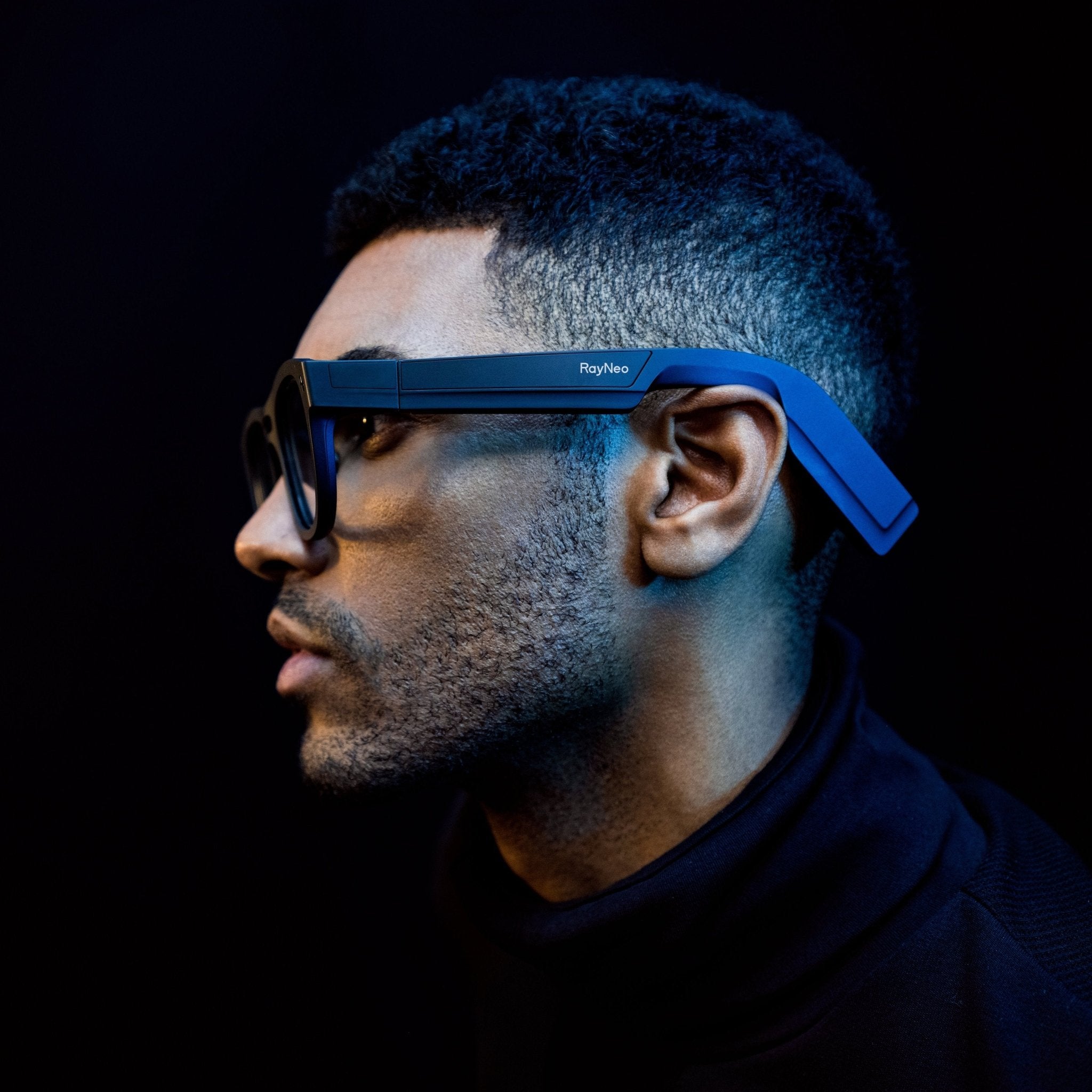
The RayNeo X2 is an exercise in "industrial maximalism." Because it houses a full computer and a battery, the frames are noticeably thicker than standard Ray-Bans. At 119g, they are significantly heavier than traditional eyewear (which usually averages 30-50g) but substantially lighter than a Mixed Reality headset like the Apple Vision Pro.
RayNeo has balanced this weight by thickening the temple tips to distribute pressure behind the ears rather than on the bridge of the nose. For control, the device offers three distinct methods:
- Temple Touchpad: Simple swipes and taps on the right stem for navigation.
- Voice Commands: Effective for hands-free operations like taking a photo or starting a translation session.
- RayNeo Ring: An optional Bluetooth accessory that allows you to scroll through menus with a small joystick, keeping your hands in your pockets.
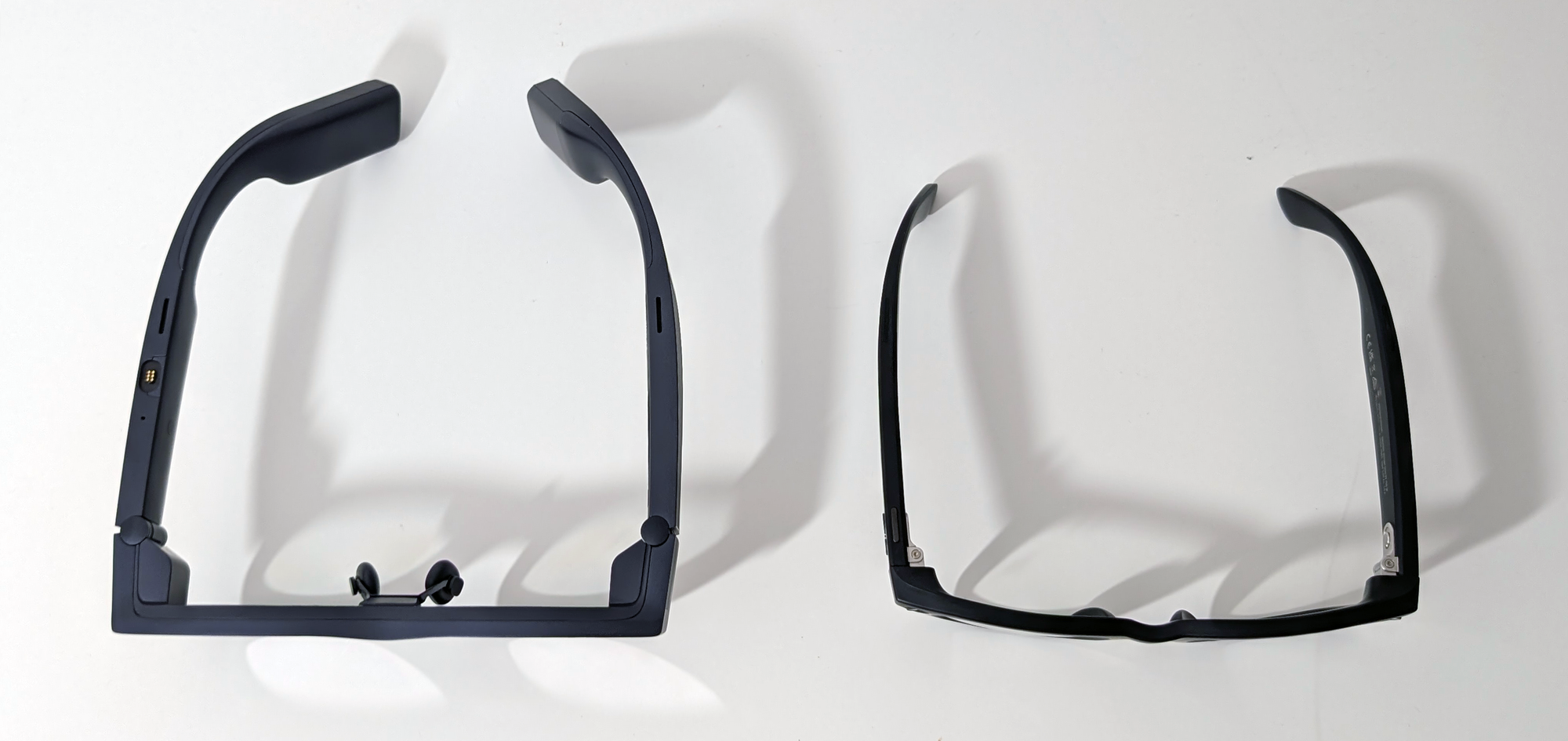
For those who require vision correction, the X2 is surprisingly accommodating. It includes a magnetic lens frame that can be fitted with your specific prescription, ensuring that the AR overlay and the real world are both in sharp focus.
Performance Reality Check: Battery and Standby
The trade-off for standalone power is, invariably, battery life. The 590mAh battery is tasked with powering a high-brightness display, a powerful processor, and multiple sensors. In intensive use—such as continuous 3D navigation or AI translation—the battery will last between 60 and 90 minutes.
However, as a "notification and quick task" device, it can last significantly longer. The standby drain remains a point of contention; like many first-generation standalone devices, the X2 consumes power even when not actively projecting visuals, meaning you will likely need to charge it daily, much like an Apple Watch or a smartphone.
Pricing and Market Position
The RayNeo X2 retails for approximately $849.99 to $899. This price point positions it as a premium enthusiast product.
To provide context:
- vs. Meta Ray-Ban ($299): The Meta glasses are lighter and more stylish but offer no AR display—only audio and camera.
- vs. Xreal Air 2 ($399 + Beam Pro): The Xreal offers a better "movie watching" experience but requires a cable and a separate compute unit.
- vs. Apple Vision Pro ($3,499): The Vision Pro is a high-fidelity spatial computer for the home; the RayNeo X2 is a functional AR tool for the streets.
RayNeo currently holds a 24% market share in the global AR sector, and the X2 is their flagship attempt to move from "screen mirroring" to "spatial computing."
Conclusion & Final Verdict
The RayNeo X2 is a bold, uncompromising look at where personal computing is headed. It is not yet a "mainstream" replacement for your smartphone, but it is the first device that makes a compelling case for a standalone AR future. Its ability to translate the world in real-time and provide heads-up navigation without a single cable is a feat of engineering that cannot be ignored.
Pros:
- True Independence: No smartphone tethering required.
- Exceptional Brightness: 1,500 nits make it genuinely usable outdoors.
- Killer Features: Real-time translation and SLAM navigation are highly polished.
- AI Integration: The multimodal LLM adds genuine utility to the hardware.
Cons:
- Form Factor: Still bulkier than traditional glasses; may cause "tech-fatigue" after long wear.
- Battery Life: 90 minutes of heavy use requires frequent top-offs.
- FOV: The 25-degree field of view is narrow for immersive media.
For the traveler who wants to live in the future today, or the professional who needs a hands-free information layer, the RayNeo X2 is the most capable AR hardware currently on the market.
FAQ
Q: Can I wear the RayNeo X2 if I have a strong prescription? A: Yes. The RayNeo X2 comes with a magnetic prescription lens insert. You can have your optician craft lenses for this insert, which then snaps easily onto the inside of the AR glasses.
Q: Does the RayNeo X2 work without a Wi-Fi connection? A: Many features, including the camera, local media playback, and certain basic translation features, work offline. However, the multimodal AI assistant and real-time mapping usually require a Wi-Fi or hotspot connection for full functionality.
Q: Is the camera quality good enough for vlogging? A: The 16MP camera captures 1080p video at 30fps. While it won't replace a high-end smartphone or action cam for professional cinematography, it is excellent for first-person "point-of-view" captures and social media sharing.