Quick Facts
- Mission Milestone: Successful six-engine static fire of Ship 38 completed on September 22, 2025.
- Hardware Status: Flight 11 features Booster 15-2 and Ship 38, the final iteration of the "Version 2" design.
- Next Evolution: Transition to Starship Version 3 is slated for 2026, targeting uncrewed Mars cargo missions.
- Artemis Goal: A critical orbital refueling demonstration is scheduled for 2026 to support the Artemis III lunar landing.
- Recovery Forecast: SpaceX internal data suggests a 70% probability of a successful mechanical "catch" for the upper stage by late 2026.
The horizon at Boca Chica has never looked more promising—or more crowded. For those of us who track the evolution of transit, from luxury rail to suborbital leaps, the activity at Starbase is a masterclass in iterative engineering. On September 22, 2025, the South Texas coastline reverberated with the thunder of six Raptor engines, signaling that the primary technical barrier for SpaceX’s Starship Flight 11 has been cleared. This successful static fire test doesn't just pave the way for a launch; it marks the closing chapter of an era before the program scales into a significantly larger architectural phase.
The Final Hurdle: Successful Static Fire at Starbase
The static fire test conducted on September 22 was a brief but definitive display of power. By igniting all six Raptor engines on the Ship 38 upper stage while it remained tethered to the pad, SpaceX engineers verified the structural integrity of the fuel manifolds, the health of the avionics suite, and the ignition sequence of the cryogenic propellant systems. Unlike previous tests that occasionally saw minor anomalies in the "hot staging" ring or heat shield tiling, the data from this firing suggests a "clean" vehicle.
SpaceX cleared the final technical hurdle for Starship Flight 11 by successfully igniting all six Raptor engines in a static fire test on September 22, 2025, at Starbase, Texas.
From an analytical perspective, this test was the most stable iteration of the Ship’s propulsion system to date. The ignition duration met the pre-calculated threshold for "full mission duration" equivalents, ensuring that the transition from Raptor sea-level engines to vacuum-optimized engines will occur smoothly during the actual ascent. For the observer on the ground, the lack of visible debris or tile loss during the vibration peak is a significant indicator of manufacturing maturity.
Flight 11 Mission Overview: The 'Version 2' Swan Song
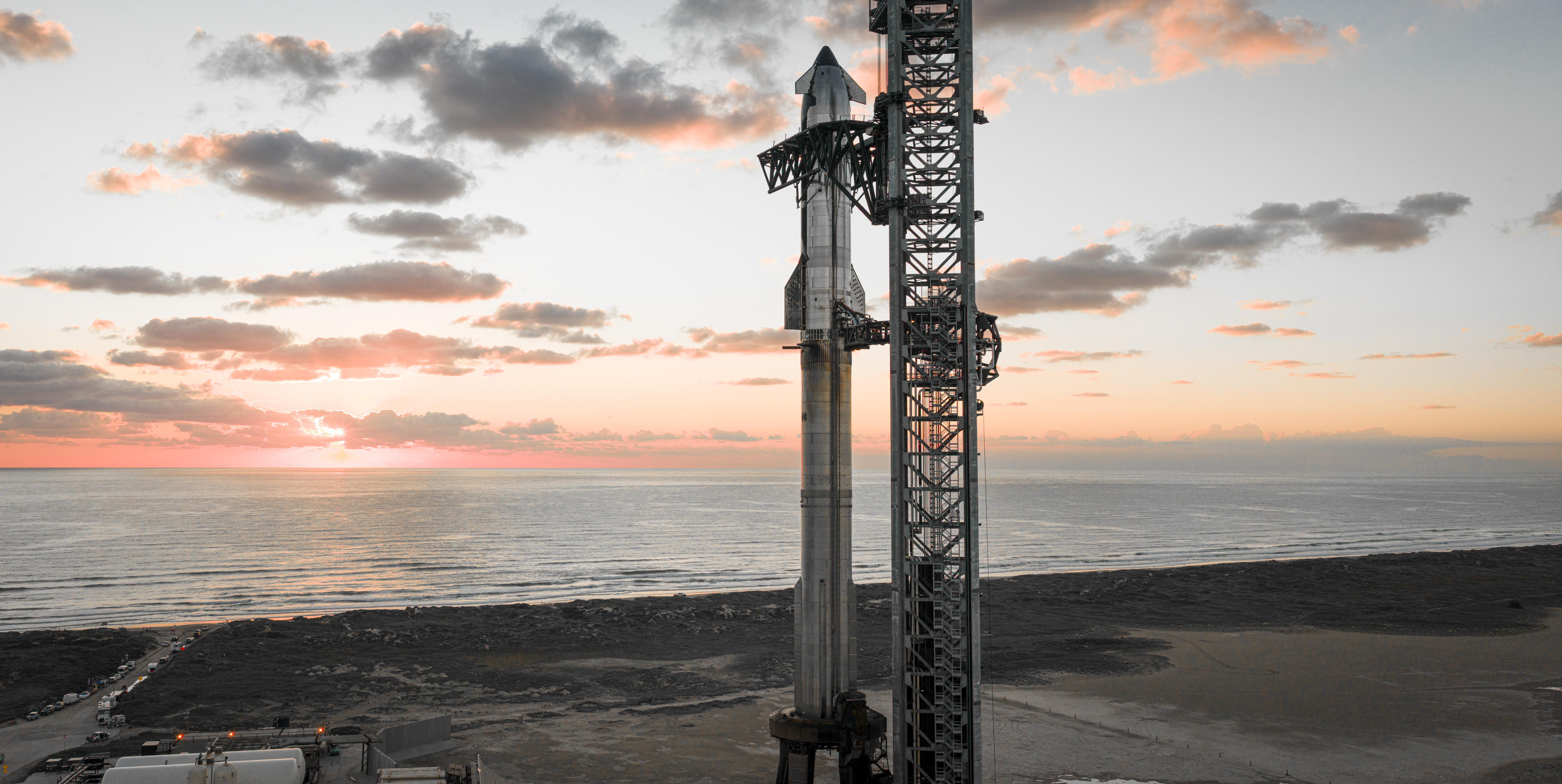
Flight 11 is more than just another notch on the Starbase launch tower. It represents the final performance of the "Version 2" hardware. While the world watches for the spectacular reentry of the upper stage, the real data value lies in the refinement of the Booster B15-2 and Ship 38 configuration. This mission is designed to push the thermal protection system (TPS) to its absolute limit on a trans-atmospheric trajectory, providing the final datasets needed to finalize the design for Version 3.
Key Technical Specifications for Flight 11:
- Booster B15-2: Features improved manifold shielding and a refined "hot staging" maneuver protocol to reduce stress on the center engines.
- Ship 38: Outfitted with the latest generation of hexagonal heat shield tiles, using a new adhesive compound intended to withstand the plasma shear of reentry over the Indian Ocean.
- Target Trajectory: A suborbital arc designed to test high-velocity atmospheric braking without the need for a full orbital circularization burn.
Starship Flight 11 represents the final mission for 'Version 2' hardware; SpaceX plans to transition to the larger Version 3 for uncrewed Mars cargo missions starting in 2026.
The decision to retire Version 2 after Flight 11 stems from the aggressive timelines set by the Artemis program and Elon Musk’s Mars roadmap. Version 2 has been the "workhorse" of the testing phase, proving that the stainless-steel architecture can survive the transition from vacuum to atmosphere. However, to meet the mass-to-orbit requirements for a lunar lander, a larger, more powerful vessel is required.
Evolutionary Leap: From Version 2 to Version 4
The Starship development cycle is moving at a pace that traditional aerospace firms find dizzying. As we transition away from the current hardware, the specifications for the future fleet are becoming clearer. Version 3 will be the vehicle that likely carries the first major cargo loads for the Artemis program, but Version 4 is the "true" interplanetary vessel.
Starship Configuration Comparison
| Feature | Version 2 (Current) | Version 3 (2026) | Version 4 (Future) |
|---|---|---|---|
| Height (Total Stack) | 397 ft (121m) | 402 ft (122.5m) | 466 ft (142m) |
| Booster Engine Count | 33 Raptor 2/3 | 35 Raptor 3 | 42 Raptor 3/4 |
| Payload to LEO | 100+ Tons | 150+ Tons | 250+ Tons (Expendable) |
| Primary Mission | Testing & Starlink | Artemis Refueling | Mars Cargo & Human Colonization |
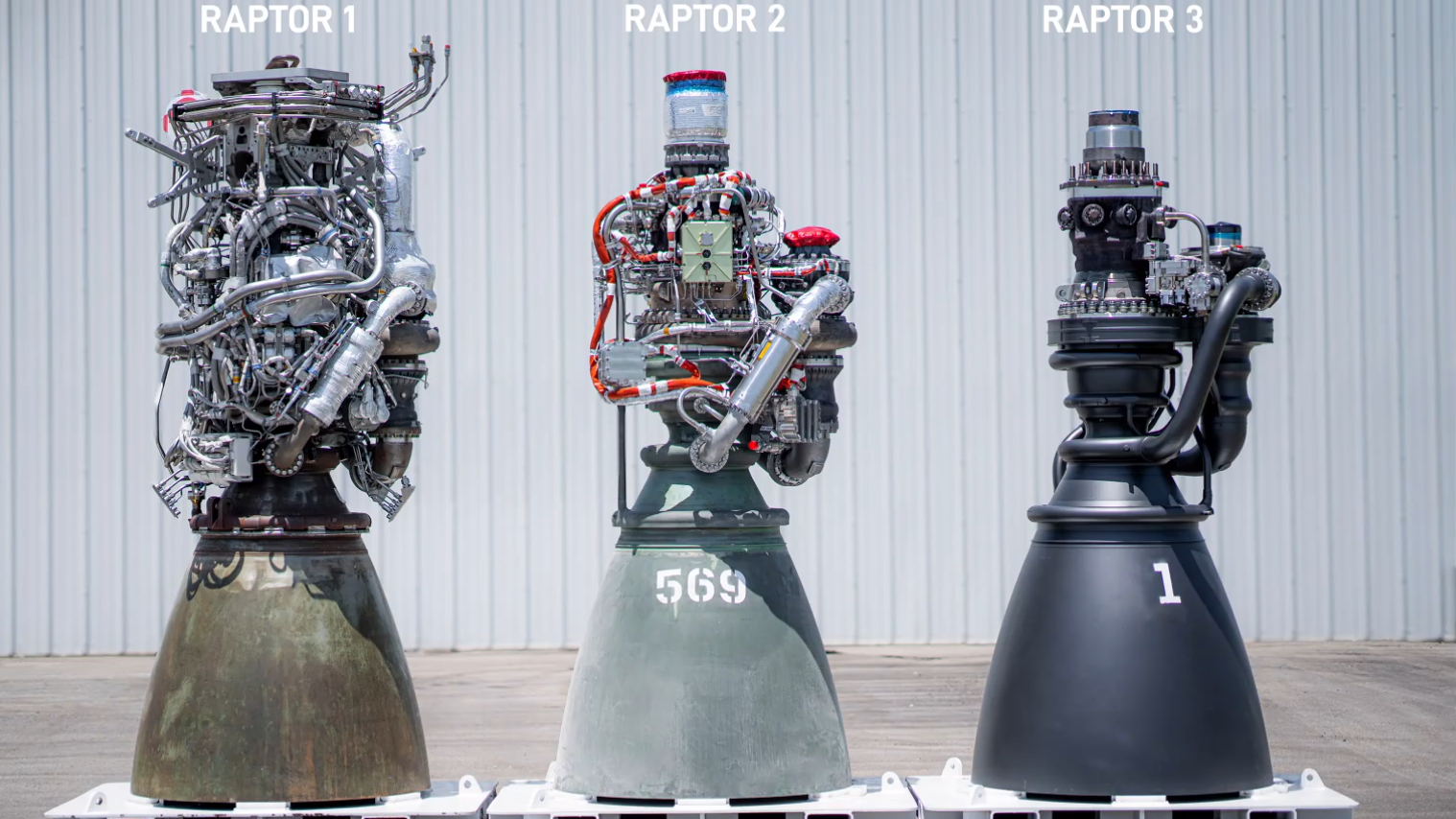
The transition to Version 3 includes a 1.5-meter height increase and a total shift to the Raptor 3 engine, which eliminates much of the complex external plumbing seen in earlier versions. However, the most anticipated milestone isn't a launch—it's a transfer.
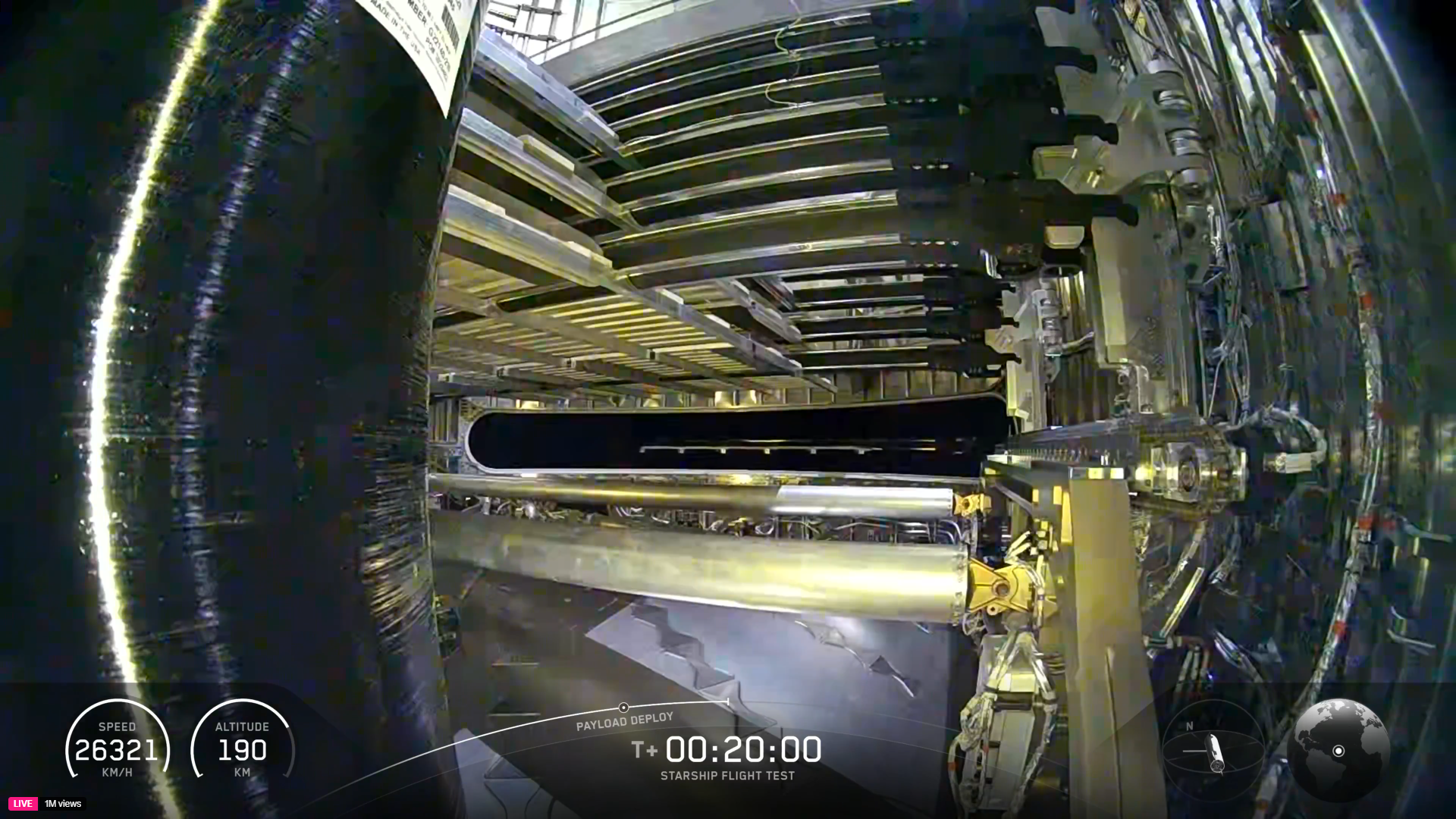
A pivotal milestone for NASA's Artemis program is the 2026 orbital refueling demonstration, which will attempt to transfer cryogenic propellants between two Starships in low-Earth orbit.
Without the ability to refuel in orbit, the Artemis III lunar lander cannot reach the moon with sufficient mass to support a human crew. This 2026 demonstration will involve two Starships docking and transferring liquid oxygen and methane, a feat never before accomplished at this scale.
Landing on the Moon and Mars: The Artemis Connection
The success of Flight 11 directly influences the Artemis III lunar lander timeline, currently slated for late 2027. NASA remains a cautious but committed partner, relying on SpaceX to prove the "catch" recovery method. If SpaceX can recover the upper stage reliably, the cost per launch drops exponentially, allowing for the massive number of "tanker" flights required to fuel a single lunar mission.
SpaceX’s internal modeling currently places a 70% probability of successfully 'catching' the Starship upper stage using the mechanical "Chopstick" arms at the Starbase launch pad by the end of 2026. This maneuver is considered the "Holy Grail" of reusability. Instead of landing on legs—which add weight and complexity—the ship will hover momentarily while the tower arms close around it.
Furthermore, the uncrewed Mars cargo missions are no longer a distant dream but a scheduled line item for 2026. These missions will utilize Version 3 hardware to test landing technologies on the Martian surface before human crews are even considered. The data gathered from the Flight 11 reentry will be the final piece of the puzzle for the Martian atmospheric entry model.
Visiting Starbase: Witnessing History in Boca Chica
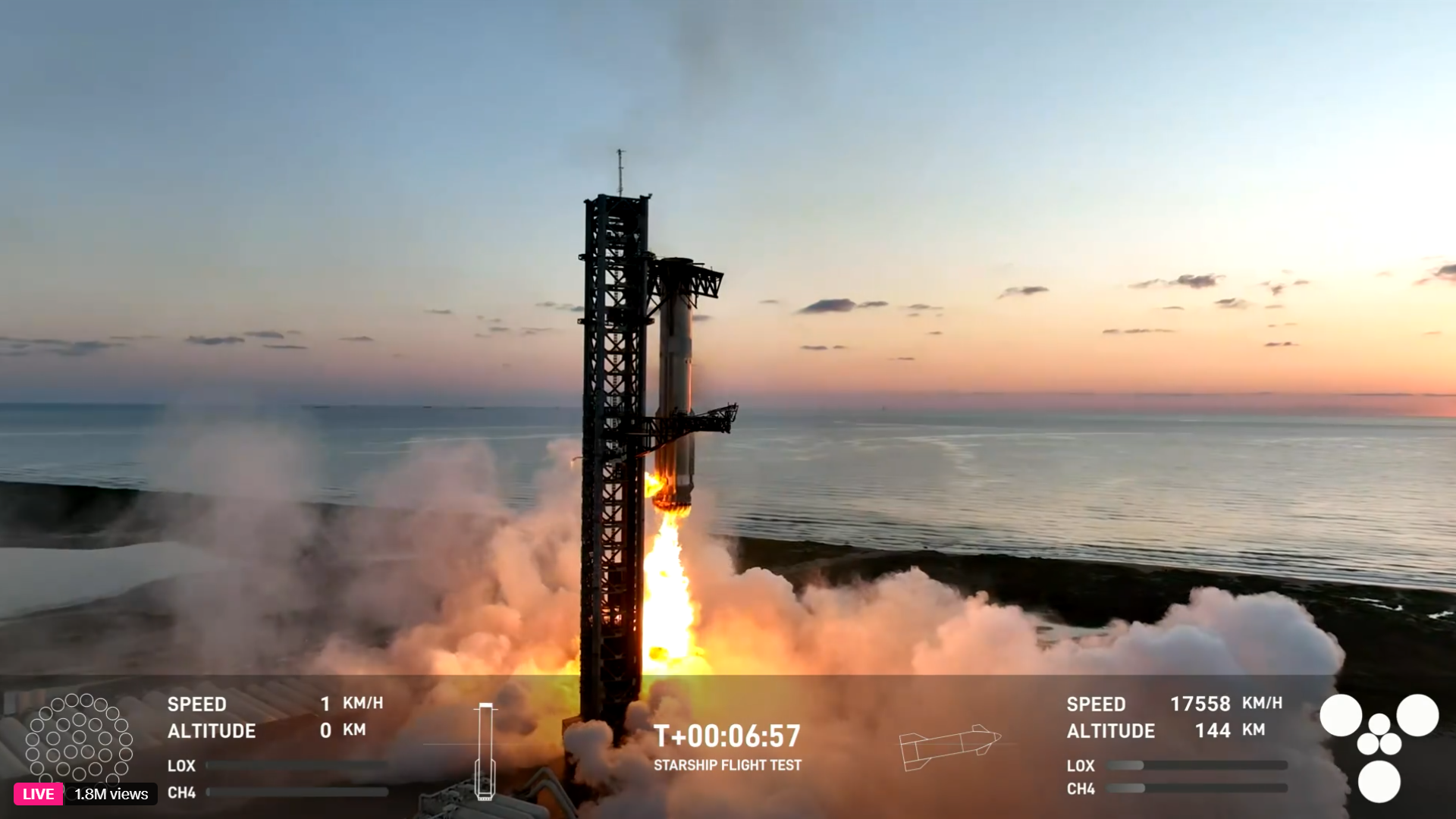
For the traveler and space enthusiast, Starbase, Texas, has become a pilgrimage site akin to Cape Canaveral in the 1960s. However, the experience here is far more visceral. There are no grandstands or ticketed gates; there is only Highway 4, a strip of asphalt that brings you within yards of the world’s most powerful rocket.
When visiting, I recommend starting at the 'Starbase' production facility. The sheer scale of the "High Bay" and "Mega Bay" structures is difficult to process until you see a worker standing next to a Raptor engine. After a morning of "rocket gardening"—walking the perimeter of the production site—head down to the launch site.
James Wright’s Tips for a Starbase Visit:
- Access: Highway 4 is a public road, but it closes frequently for testing. Always check the Cameron County website for "Road Closure" notices before driving from Brownsville.
- The Tiki Bar & Local Culture: While SpaceX has its own private facilities, the surrounding area has embraced the "Mars" vibe. Local spots offer a unique blend of South Texas hospitality and "New Space" optimism.
- The Best Vantage Point: For a launch or a static fire, the Isla Blanca Park on South Padre Island offers the best unobstructed view across the water. Bring a pair of high-quality binoculars; the heat shimmer off the flats can be intense.
- The Transition: Keep an eye on the construction of Pad 2. While Flight 11 will use the original orbital launch mount, the future Block 3 and Version 4 launches will migrate to the more advanced Pad 2, currently rising from the marsh.
FAQ
When is the Starship Flight 11 launch date? While SpaceX has not set a formal date, the successful static fire on September 22, 2025, suggests a launch window opening in the fourth quarter of 2025, pending FAA launch license modifications.
What is the difference between Starship Version 2 and Version 3? Version 3 is approximately 1.5 meters taller and features the Raptor 3 engine, which provides significantly more thrust while being lighter and more reliable than the Raptor 2 used in earlier Version 2 flights.
Can I visit Starbase during a launch? Yes, but expect heavy crowds and road closures. The area immediately surrounding the launch pad is evacuated for safety, so most spectators watch from South Padre Island, approximately 5 miles away across the Brazos Santiago Pass.
Are you ready to witness the next giant leap for mankind? Stay ahead of the curve on the latest SpaceX updates and travel guides to the world’s most exciting destinations.