For more than seven decades, the SS United States has stood as a towering testament to American engineering and mid-century ambition. Known as "America’s Flagship," she was the fastest ocean liner ever built, a vessel that captured the Blue Riband on her maiden voyage in 1952 and never let it go. But after thirty years of quiet decay at Pier 82 in South Philadelphia, the ship is embarking on a final, transformative journey. In late 2025, this 990-foot icon will be purposefully sunk in the Gulf of Mexico, transitioning from a rusting relic to the world’s largest artificial reef. For maritime enthusiasts and history buffs, the "reefing" of the SS United States will be a global media event, marking the end of an era and the beginning of a new subaquatic legacy.
The SS United States Fact Box
- Final Destination: Approximately 20 miles south of Destin-Fort Walton Beach, Florida, in the Gulf of Mexico.
- Event Date: Scheduled for late 2025 (exact date subject to weather and preparation).
- How to Watch: A high-definition live stream provided by Okaloosa County featuring 4K drone and underwater footage.
- Documentary Title: Superliner: The Enduring Legacy of the SS United States (Release: 2026).
The Final Voyage of America’s Flagship
The story of the SS United States is one of unrivaled speed and national pride. Designed by the visionary William Francis Gibbs, the ship was built with a secret dual purpose: a luxury liner for the elite and a high-speed troop transport capable of carrying 14,000 soldiers 10,000 miles without refueling. On her first voyage, she crossed the Atlantic in just three days, ten hours, and forty minutes—a record that remains unbroken for a vessel of her class.
However, the advent of the jet age rendered the great ocean liners obsolete. Since 1996, the ship has been a fixture of the Philadelphia skyline, her fading red, white, and blue funnels serving as a poignant reminder of a bygone maritime golden age. The transition from Philadelphia to her new home began with a multi-day tow to Mobile, Alabama. In Mobile, the ship is currently undergoing an extensive environmental remediation process. Every ounce of hazardous material is being removed to ensure that when she finally settles on the seafloor, she provides a clean, safe habitat for marine life.
This is not a burial; it is a rebirth. By becoming an artificial reef, the SS United States will continue to serve the public, shifting its role from a carrier of people to a sanctuary for the Gulf’s diverse ecosystem.
Where and When Will the SS United States Sink?
The logistical scale of this project is unprecedented. The SS United States is scheduled to be deployed approximately 20 miles south of Destin-Fort Walton Beach, Florida. This specific location in the Gulf of Mexico was chosen to maximize the ship’s accessibility for divers and fishers while ensuring it rests in a stable environment.
While the "reef date" is tentatively set for late 2025, the exact window remains fluid. Deploying a nearly 1,000-foot vessel requires a perfect alignment of sea states, wind conditions, and technical readiness. The ship must be towed from Alabama to the deployment site, where engineers will utilize a series of controlled scuttling valves and strategically drilled holes to ensure the hull lands upright on the seabed. This vertical orientation is crucial; it allows the ship to maintain its silhouette, creating a "vertical forest" of steel that attracts different species of fish at varying depths.
| Specification | Historical (1952) | Artificial Reef (2025) |
|---|---|---|
| Primary Role | Transatlantic Passenger Liner | World's Largest Artificial Reef |
| Top Speed | 38.33 knots (Record Holder) | Stationary (Gulf of Mexico) |
| Length | 990 Feet | 990 Feet |
| Capacity | 2,000+ Passengers | Thousands of Marine Species |
| Current Status | Philadelphia (1996–2024) | Destin-Fort Walton Beach |
| Access | Ticketed Travel | Divers & Live Stream Viewers |
How to Stream the Sinking Live
For those who cannot make the trip to the Florida Panhandle to witness the event from a chartered boat, Okaloosa County is launching a massive digital initiative to bring the event to the world. Recognizing the ship’s international following, the county has allocated approximately $68,000 for a comprehensive live-streaming production.
The broadcast is designed to be as immersive as a professional sports event. Viewers can expect:
- 4K Aerial Drone Footage: Providing a bird's-eye view of the scuttling process and the final moments of the hull above water.
- Onboard "Ship-Cams": Cameras mounted to the superstructure will offer a harrowing, first-person perspective as the vessel begins its descent.
- Underwater Remotely Operated Vehicles (ROVs): Once the ship slips beneath the waves, underwater cameras will track its journey to the sea floor, capturing the moment the hull makes contact with the sand.
The live stream will be hosted on Okaloosa County’s official project page and across major social media platforms. Links to the stream will be publicized weeks in advance once the final weather window is confirmed.
Visit the Official Project Page for Updates →
Creating the World’s Largest Artificial Reef
The SS United States Reef Project is more than just a spectacle; it is a $10 million environmental and economic investment. By sinking the ship off the coast of Destin, Florida is creating a world-class diving destination that rivals the USS Oriskany (the "Great Carrier Reef") located further west.
The sheer size of the SS United States ensures that it will become a complex biological engine. Within months of sinking, soft corals and algae will begin to colonize the steel. Within years, it will support a massive biomass of snapper, grouper, and amberjack, providing a significant boost to the local eco-tourism and fishing industries. The project represents a unique partnership between the SS United States Conservancy and Okaloosa County, ensuring that while the ship is out of sight, its impact remains tangible.
Preserving the Legacy: The Museum and 2026 Documentary
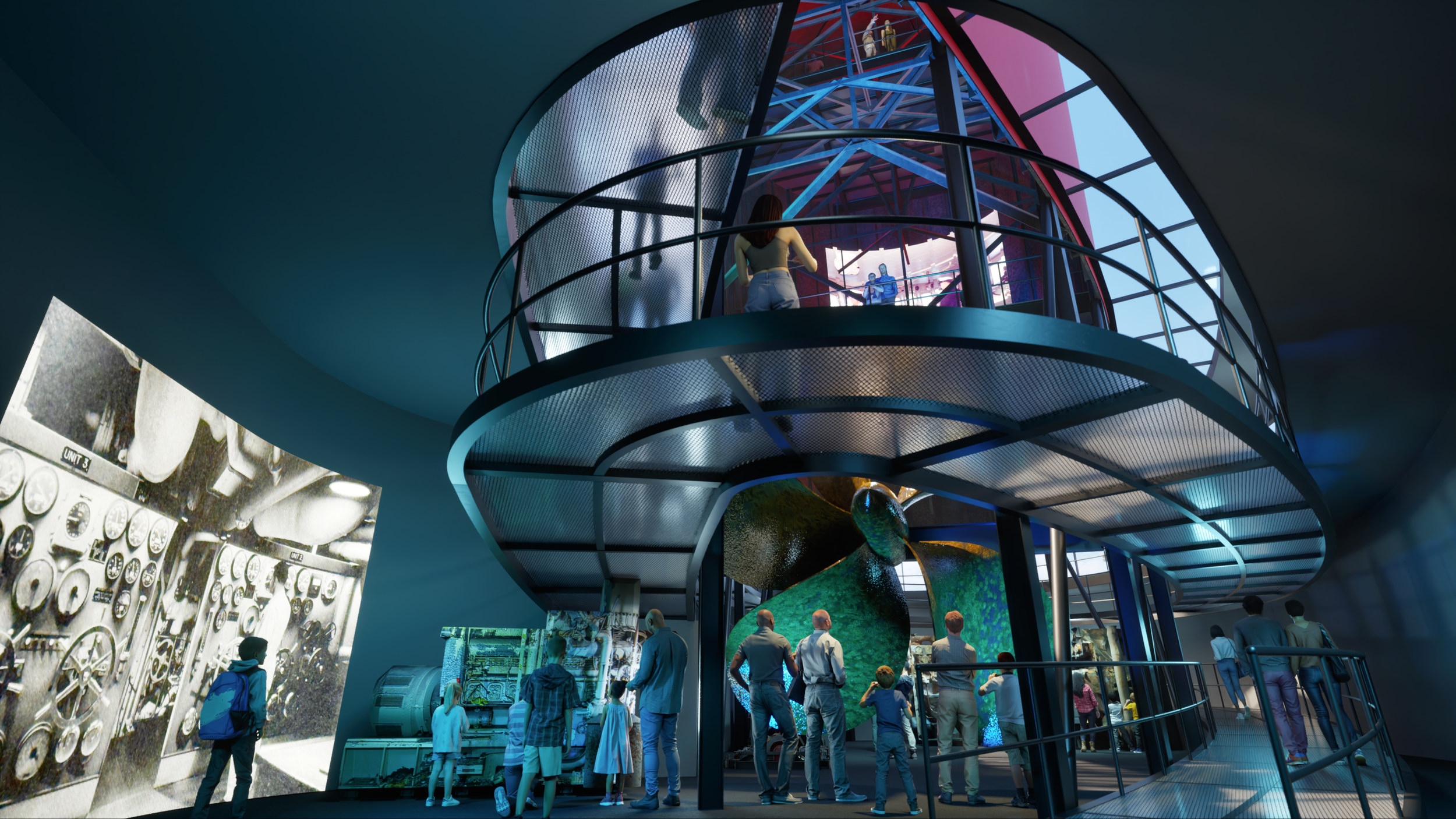
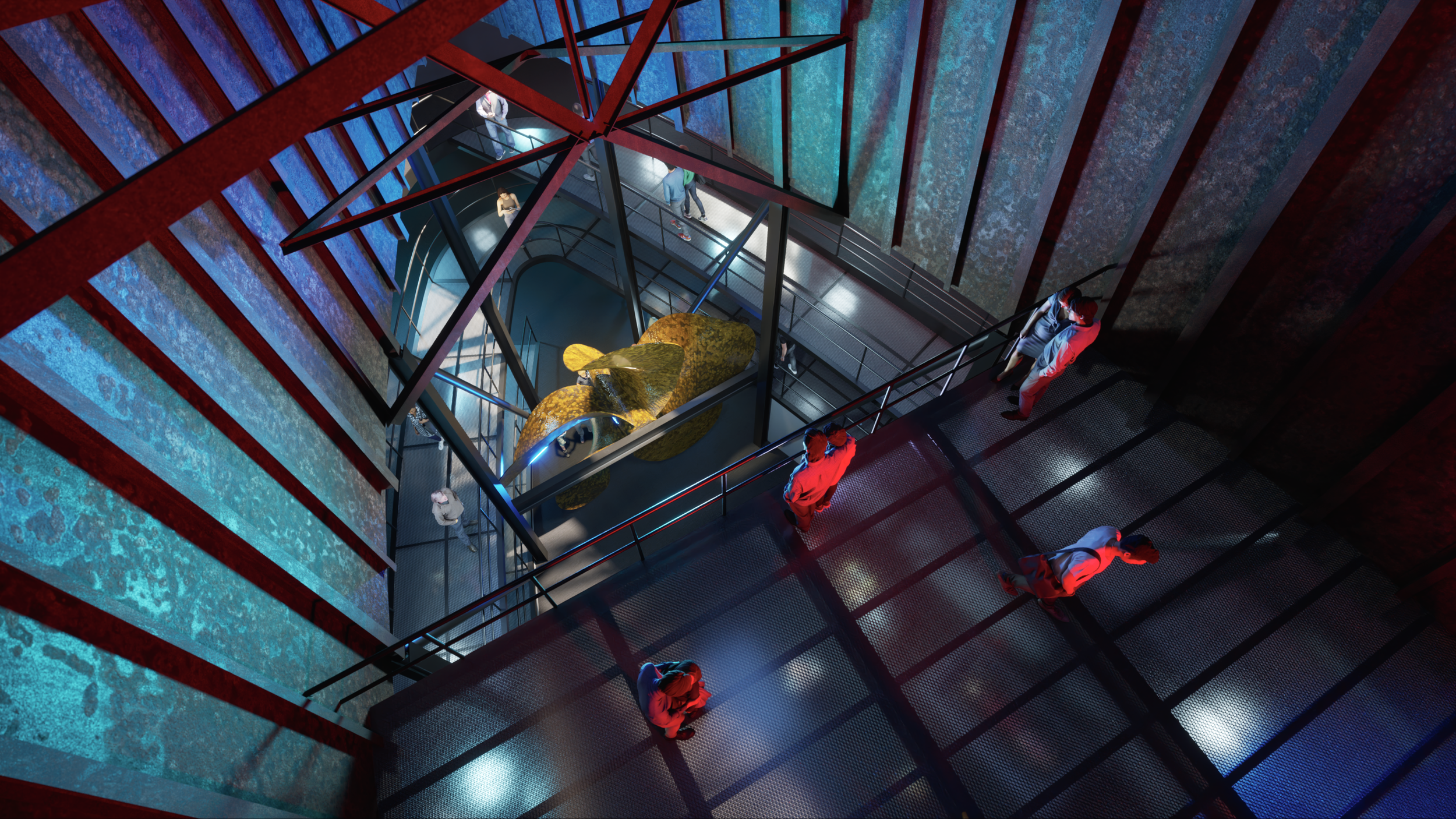
The reefing of the ship does not mean the erasure of its history. Before the vessel leaves for its final destination, several iconic components are being salvaged for land-based preservation. The ship’s famous 55-foot-tall red smokestacks and a collection of mid-century modern artifacts are being preserved for the future SS United States Museum.
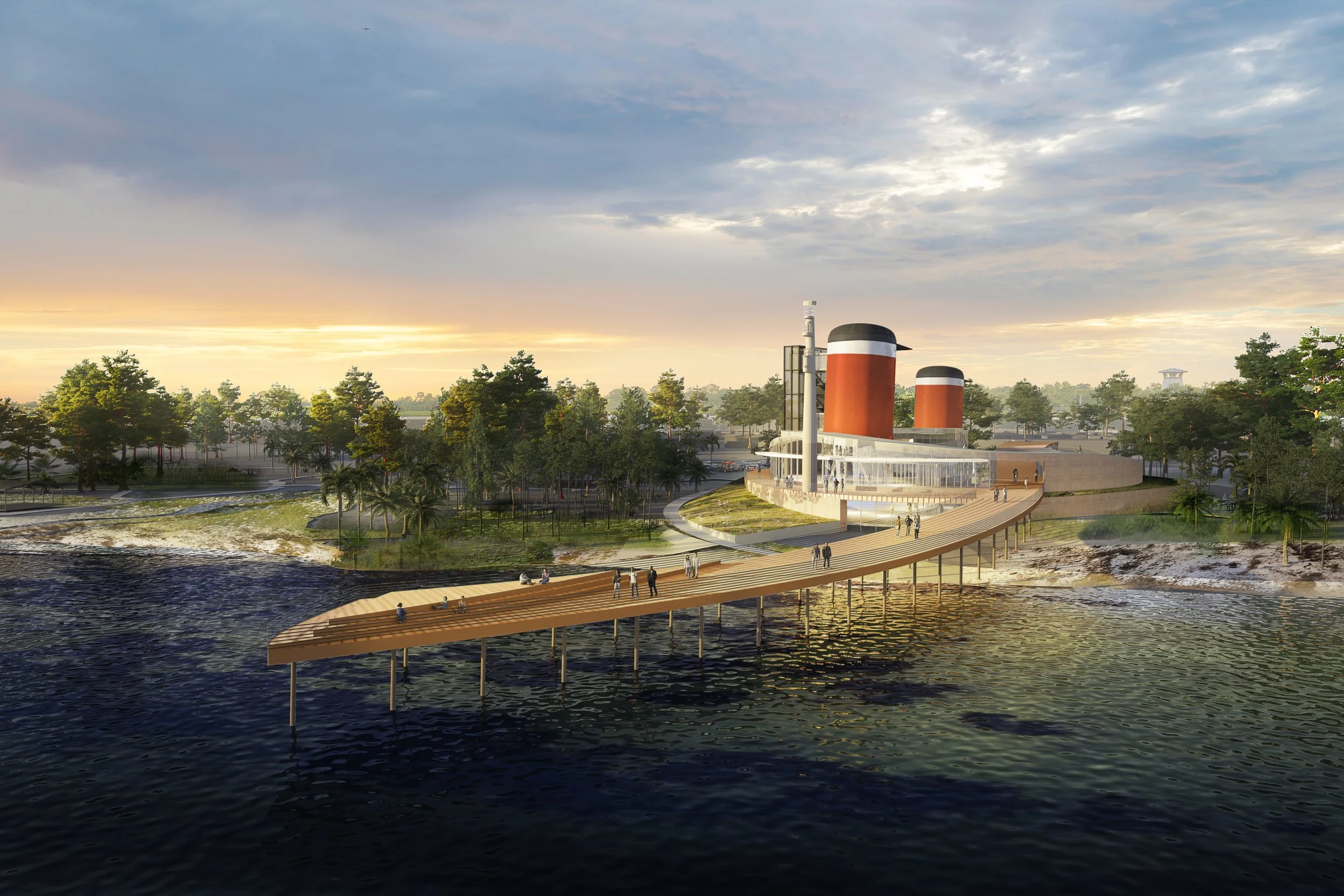
This land-based museum is designed to be the spiritual home for the ship’s legacy. It will tell the story of the thousands of immigrants who caught their first glimpse of the Statue of Liberty from her decks, the presidents who walked her corridors, and the engineering genius that made her the fastest in the world.
Furthermore, the entire transition—from the legal battles in Philadelphia to the cleaning in Mobile and the final sinking in Florida—is being captured for a landmark documentary. Titled Superliner: The Enduring Legacy of the SS United States, the film is slated for global distribution in 2026. It will feature never-before-seen archival footage and a cinematic retelling of the ship’s 1,800-mile journey to the Gulf.
FAQ
Why can't the ship be saved as a stationary museum in a harbor? Over the years, numerous attempts were made to repurpose the ship as a hotel or museum in cities like New York, Miami, and Philadelphia. However, the costs of remediation, pier rent, and maintenance proved insurmountable. Reefing was chosen as the most respectful and sustainable way to prevent the ship from being sold for scrap.
Is the sinking of the ship bad for the environment? No. The "reefing" process involves months of cleaning in Mobile, Alabama, where all PCBs, oils, and hazardous materials are removed under strict EPA supervision. Once cleaned, the steel hull provides a perfect substrate for coral and marine life to grow.
Can divers visit the ship immediately after it sinks? Usually, there is a short waiting period while the site is surveyed for safety and stability. Once cleared, the SS United States will be open to experienced divers, though its depth will likely require advanced certifications for those wishing to explore the lower decks.
Conclusion
The sinking of the SS United States is a bittersweet milestone. For those who remember her in her prime—slicing through the North Atlantic at speeds that modern cruise ships can only dream of—seeing her descend into the Gulf of Mexico will be an emotional moment. Yet, as Ethan Brooks, I find a poetic symmetry in this conclusion. A ship that once connected continents on the surface will now connect ecosystems on the seafloor.
By tuning into the 2025 live stream, you aren't just watching a ship sink; you are witnessing the birth of a new underwater frontier. Whether through the lens of a drone in 2025 or the halls of the museum in 2026, the SS United States will continue to command our attention, proving that even a vessel made of steel and aluminum can possess an immortal soul.