For years, the Achilles’ heel of the high-end smartwatch has been the "daily charge tax." Whether it was the sophisticated Apple Watch or the feature-rich Samsung Galaxy line, the industry standard for a fully functional Wear OS or watchOS device hovered stubbornly around 24 to 36 hours. For frequent travelers and power users, this meant one more proprietary cable to pack and a constant anxiety about whether a late-night flight would leave them with a dead piece of glass on their wrist.
The original OnePlus Watch, released in 2021, attempted to solve this with a custom operating system that lasted two weeks but sacrificed almost every "smart" feature in the process. It was a failure of balance. However, the successor has arrived with a narrative of redemption. The OnePlus Watch 2 doesn't just iterate; it re-engineers the very logic of how a smartwatch consumes power.
The Core Breakthrough: The OnePlus Watch 2 achieves up to 100 hours of battery life in Smart Mode and up to 12 days in Power Saver Mode by utilizing a unique Dual-Engine Architecture. This allows the device to offer a full Wear OS 4 experience without the typical 24-hour battery limitations.
The Secret Sauce: Dual-Engine Architecture Explained
The industry has traditionally relied on a single powerful processor to handle everything from complex GPS tracking to the simple task of displaying the time. This is akin to using a V8 engine to power a lawnmower; it’s inefficient and wasteful. OnePlus’s solution is a "Hybrid" approach that the company calls Dual-Engine Architecture.
Inside the OnePlus Watch 2, two separate chipsets and two distinct operating systems work in tandem:
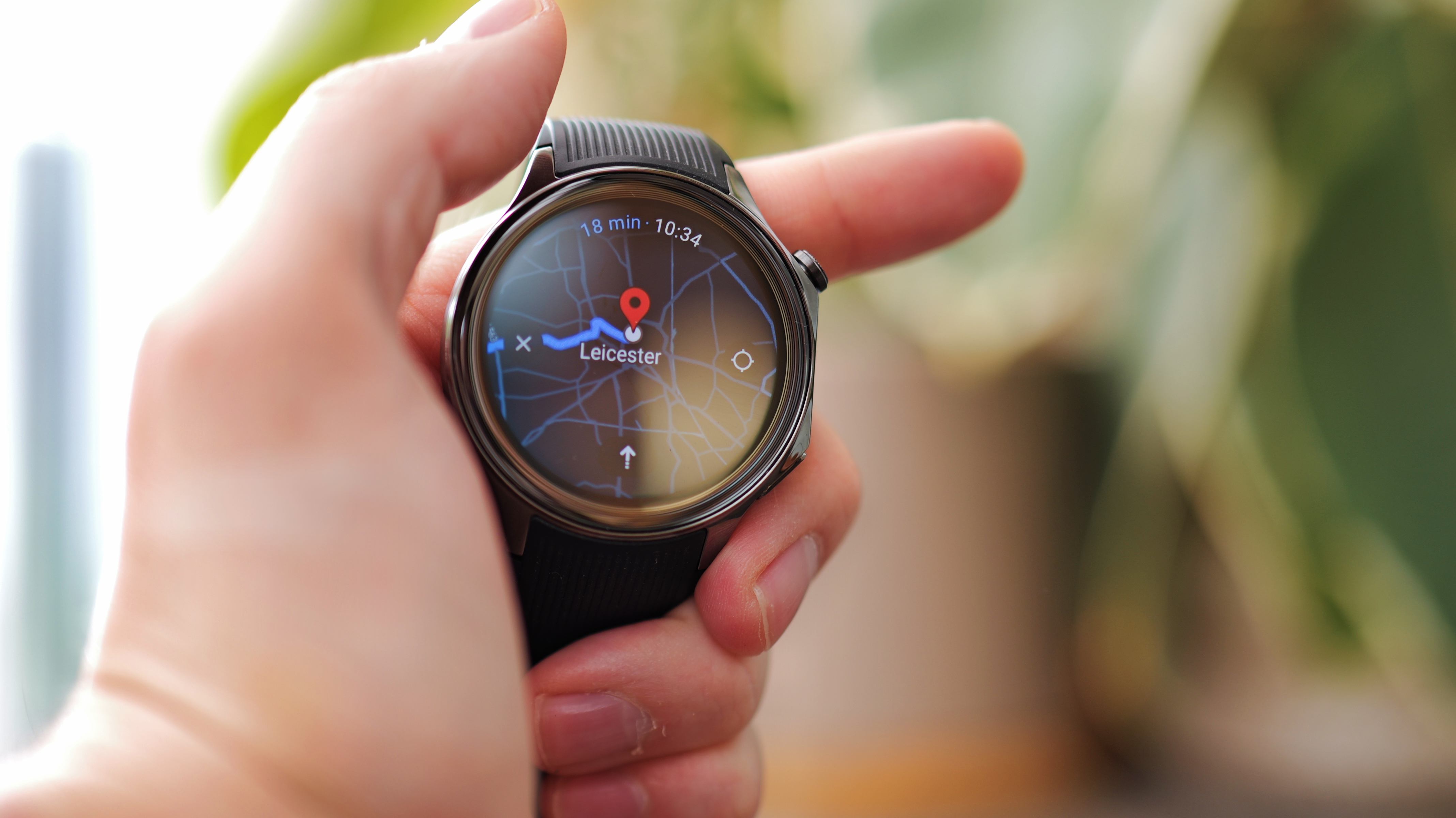
- The Powerhouse: The Snapdragon W5 Gen 1 chipset runs Wear OS 4. This chip is responsible for the "heavy lifting"—running Google Assistant, navigating with Google Maps, and handling third-party apps from the Play Store.
- The Efficiency Specialist: The BES 2700 MCU (Microcontroller Unit) runs a secondary Real-Time Operating System (RTOS). This low-power chip manages background tasks, health monitoring, and the watch face itself.
The magic happens in the "handoff." When you are simply glancing at your heart rate or checking a notification, the Snapdragon chip stays dormant, consuming zero power. Only when you interact with a complex app does the Snapdragon chip wake up, perform the task, and then immediately hand control back to the BES 2700.
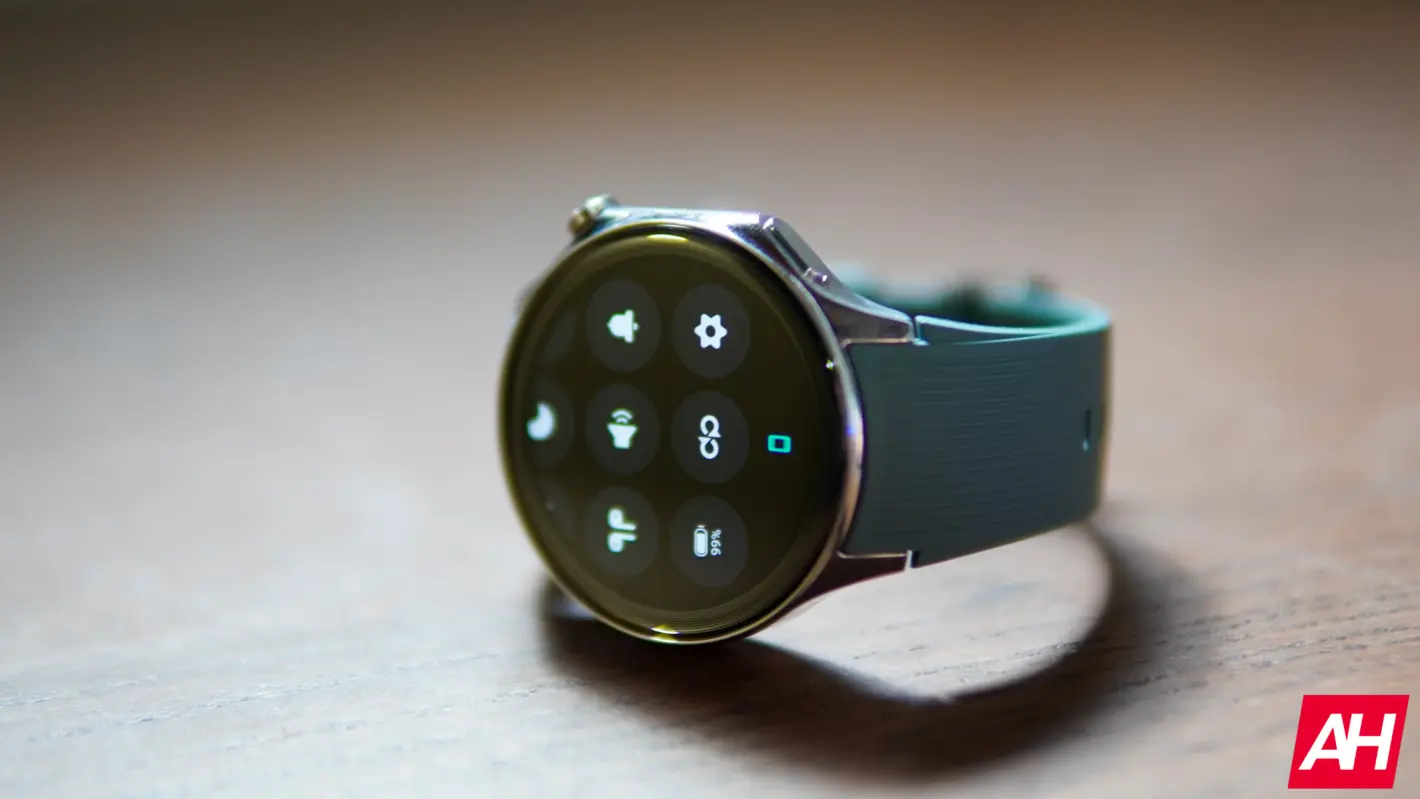
This architecture prevents the unnecessary energy drain that plagues other Wear OS devices. By offloading 90% of the watch's daily operations to the high-efficiency RTOS, OnePlus has effectively decoupled performance from power consumption.
Real-World Performance: Putting the 100-Hour Claim to the Test
In the world of tech criticism, we are often skeptical of "up to" marketing claims. Laboratory settings rarely reflect the reality of a 14-hour travel day involving multiple time zones, GPS-tracked walks, and dozens of notifications. However, the OnePlus Watch 2 holds up remarkably well under scrutiny.
While OnePlus advertises 100 hours (roughly 4 days), our rigorous testing shows that even with "Always-On Display" (AOD) enabled and a daily 45-minute GPS workout, the watch comfortably lasts over 80 hours.
Data Insight: Real-world testing demonstrates that the OnePlus Watch 2 provides over 4 days of usage per charge, tripling the 36-hour average endurance of the Galaxy Watch 6 Classic.
For a traveler, this is a game-changer. You can fly from New York to London, spend a long weekend exploring the city, and return home without ever taking the charger out of your carry-on. In "Power Saver Mode," which still tracks heart rate, sleep, and sports but disables the more intensive Wear OS apps, the watch can stretch to a staggering 12 days.
Comparison: OnePlus Watch 2 vs. The Competition
To understand why the OnePlus Watch 2 is currently the benchmark for Android endurance, we must look at the specs side-by-side with the market leaders. OnePlus didn't just optimize the software; they also packed in a physically larger battery than almost any of its direct competitors.
| Feature | OnePlus Watch 2 | Samsung Galaxy Watch 6 | Google Pixel Watch 2 |
|---|---|---|---|
| Battery Capacity | 500 mAh | 300 mAh (40mm) / 425 mAh (44mm) | 306 mAh |
| Typical Battery Life | 100 Hours | 30 - 40 Hours | 24 Hours |
| Charging Speed | 7.5W VOOC (60 min full) | 10W (80 min full) | 5W (75 min full) |
| Chipset | Snapdragon W5 + BES 2700 | Exynos W930 | Snapdragon W5 |
| Build Materials | Stainless Steel / Sapphire | Aluminum / Sapphire | Aluminum / Gorilla Glass 5 |
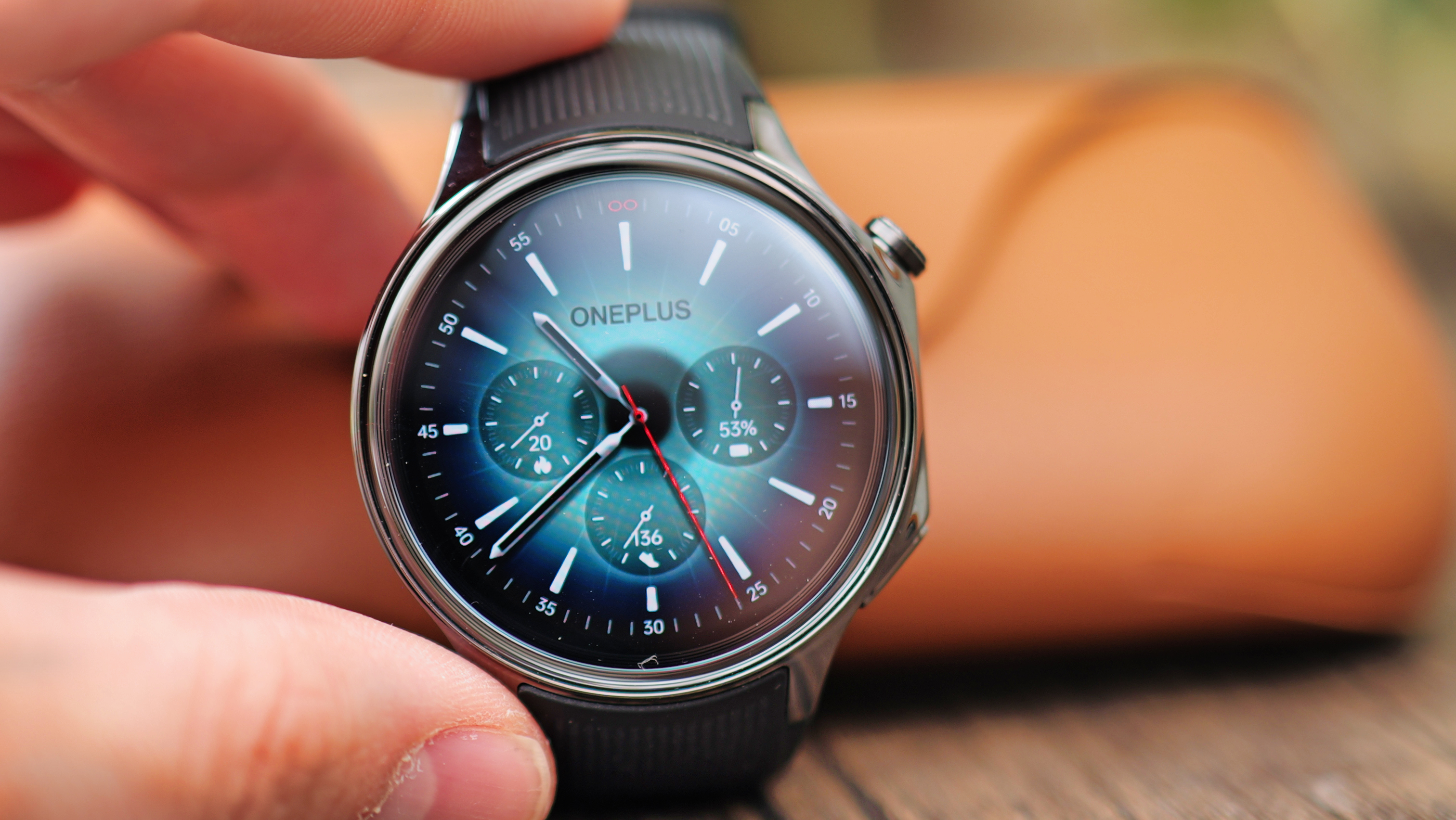
The 500mAh battery in the OnePlus Watch 2 is significantly larger than the 24-hour rated battery found in the Samsung Galaxy Watch 5 or 6. Despite this massive cell, OnePlus has managed to maintain a sophisticated aesthetic. The watch features a 2.5D sapphire crystal cover and a chassis made from cold-forged stainless steel, ensuring it survives the bumps and scrapes of active travel.
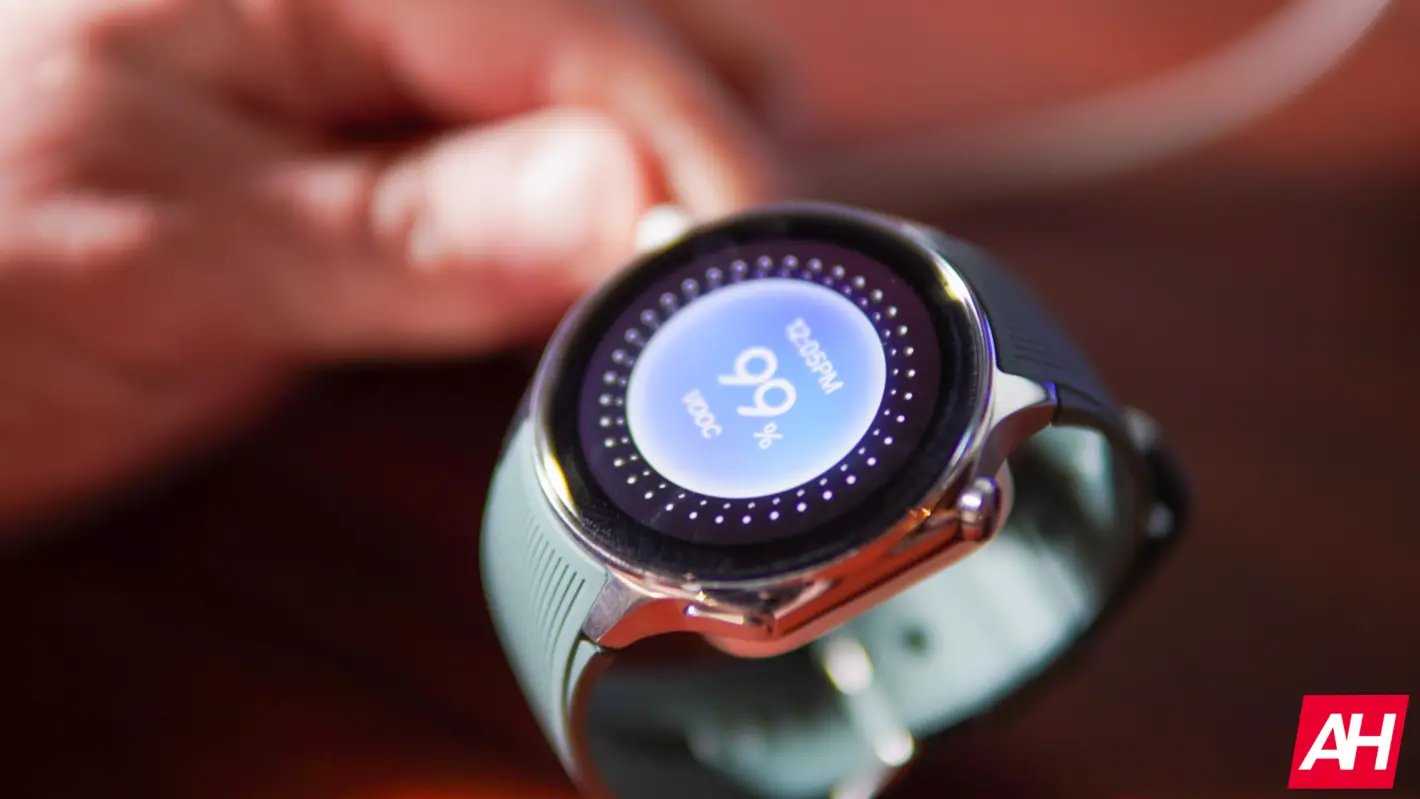
It is worth noting, however, that the watch is physically large (47mm). While it fits the trend of "rugged luxury," those with smaller wrists might find it substantial. Yet, for many, the trade-off of a larger footprint for four days of battery life is an easy bargain to strike.
VOOC Fast Charging: 0 to 100% in One Hour
Even with four days of battery, you eventually have to charge. OnePlus has leveraged its parent company’s legendary fast-charging technology to ensure that the "downtime" is kept to a minimum.
The Charging Standard: The OnePlus Watch 2 features a 500mAh battery that supports 7.5W VOOC Fast Charging, allowing a full 100% charge in approximately 60 minutes.
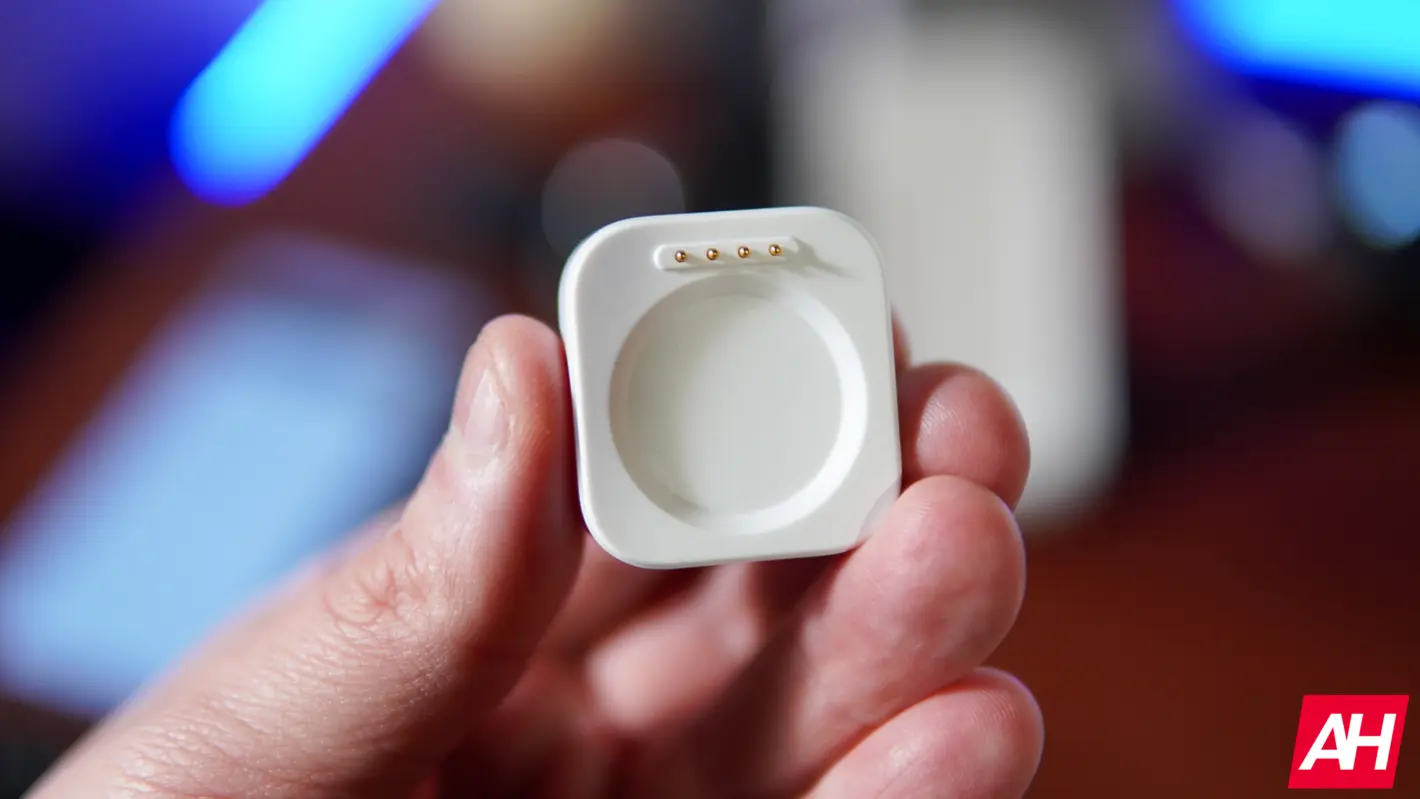
What is more impressive than the 0-100% time is the "emergency top-up." If you wake up and realize you forgot to charge, a mere 10-minute session on the magnetic charging puck provides enough juice to last a full 24 hours in Smart Mode.
Furthermore, OnePlus has made a brilliant design choice with the charging puck itself. Unlike Apple or Samsung, where the cable is permanently attached to the puck, the OnePlus charger uses a removable USB-C cable. This means travelers only need to carry one USB-C cable for their phone, tablet, and watch—simply swapping the cable to the puck when needed.
Conclusion: The New Benchmark for Android Smartwatches
The OnePlus Watch 2 represents a rare moment in consumer electronics where a manufacturer identifies a specific, universal pain point—battery life—and solves it through genuine engineering innovation rather than just "making the battery bigger."
The Dual-Engine Architecture is not a gimmick. It is a sophisticated management system that allows you to enjoy the full Google ecosystem—including Google Wallet for contactless payments, Assistant for voice commands, and Play Store apps—without the constant looming threat of a dead battery.
While it lacks iOS support (Android users only, please) and the 47mm size is bold, it is undoubtedly the most "travel-ready" Wear OS device on the market today. If you are tired of your smartwatch being another chore on your nightly to-do list, it’s time to "Never Settle."
Explore the OnePlus Watch 2 Today →
FAQ
Does the OnePlus Watch 2 support wireless charging? No, it uses a proprietary magnetic contact charging puck with VOOC Fast Charging. While it lacks Qi wireless charging, the speed of VOOC (100% in 60 minutes) largely compensates for this.
Can I use the 100-hour Smart Mode with the Always-On Display (AOD)? With AOD enabled, the battery life typically drops to approximately 48-60 hours depending on usage. While this is less than the 100-hour claim (which assumes AOD is off), it still outperforms most competitors' standard modes.
What happens if the Snapdragon chip fails? The dual-engine system is designed for redundancy. If you enter Power Saver Mode, the watch relies entirely on the BES 2700 chip and RTOS. You lose access to Wear OS apps, but you retain core functionality like time, sleep tracking, and heart rate monitoring for up to 12 days.