The global automotive landscape is currently undergoing its most significant transformation since the invention of the internal combustion engine. As we approach 2026, the industry is pivoting from "features-on-wheels" to a holistic foundational infrastructure known as the Software-Defined Vehicle (SDV). This transition is not merely about better infotainment or smoother lane-keeping; it represents a fundamental shift in how machines perceive physical reality and interact with human society. By 2026, two specific breakthroughs in Artificial Intelligence—real-time localization for human-like situational awareness and the adoption of "Physical AI"—are poised to move autonomous driving from experimental pilot programs to industrial-scale reality.
The core of this revolution lies in the convergence of digital software and physical robotics. While previous iterations of autonomous tech relied on isolated sensor data and reactive programming, the upcoming generation of vehicles will operate as "controlled coupled systems." These vehicles will no longer navigate as independent entities but will communicate with road infrastructure and each other to optimize traffic flow and safety. This shift toward a unified AI operating system is projected to reduce automotive development cycles by 40% by 2026, allowing manufacturers to deploy safety updates and new functionalities with the same speed as a smartphone update.
Breakthrough 1: Real-Time Localization and Human-Like Situational Awareness
The first major breakthrough centers on the evolution of environmental recognition. Current systems are excellent at identifying objects—a car, a pedestrian, a stop sign—but they often struggle with the "social intelligence" of driving. Dr. Laine Mears and other leading researchers in automotive engineering have highlighted that the next leap involves real-time localization that mirrors human intuition. This means the vehicle isn't just seeing a pedestrian on the curb; it is predicting the intent of that pedestrian based on social cues, posture, and environmental context.
This breakthrough is facilitated by moving away from independent navigation toward "controlled coupled systems." In this model, the vehicle’s AI integrates data from roadside infrastructure (V2I) to gain a bird's-eye view of the environment that its own onboard sensors might miss.
- Multimodal Social Intelligence: AI models are being trained to recognize subtle human behaviors, such as a cyclist’s hand signal or a driver’s slight drift, allowing the vehicle to react before a movement is fully executed.
- Infrastructure Synergy: By 2026, smart cities will deploy localized edge computing that feeds real-time traffic density and hazard data directly into the vehicle’s path-planning algorithm.
- Safety Compliance: This level of localization is being developed to meet rigorous ASIL-B (Automotive Safety Integrity Level) standards, ensuring that the AI’s decision-making is as reliable as traditional mechanical safety systems.
The result is a driving experience that feels less like a rigid robot and more like a professional chauffeur. For the traveler and the daily commuter alike, this translates to smoother braking, more natural lane changes, and a significant reduction in the "phantom braking" incidents that plague current Level 2 systems.
Breakthrough 2: Physical AI and the Industrial AI Operating System
The second breakthrough is the emergence of "Physical AI," a concept that bridges the gap between digital software and physical vehicle robotics. Traditionally, AI lived in the cloud or in high-level processing units, largely divorced from the mechanical "muscles" of the car. Physical AI changes this by embedding intelligence into the very manufacturing and operational fabric of the vehicle.
A pivotal example of this is the partnership between Siemens and NVIDIA, which is creating an "AI Brain" for automotive manufacturing. This system uses digital twins to simulate millions of driving hours and manufacturing permutations before a single physical component is built. This "Industrial AI" approach allows vehicles to be designed as agents capable of complex physical interaction rather than just moving computers.
- Software-Defined Architecture: By decoupling hardware from software, manufacturers can update the vehicle’s "driving personality" or safety protocols over-the-air (OTA).
- Efficiency Gains: The integration of Physical AI is projected to reduce automotive development cycles by 40%. This allows legacy OEMs (Original Equipment Manufacturers) to compete with the rapid iteration cycles of tech-focused startups.
- Social Agency: Physical AI enables the vehicle to act as a social agent, communicating its intentions to humans through external lighting signals or subtle "body language," such as a slight nudge forward to indicate it is taking its turn at a four-way stop.
This breakthrough ensures that the AI is not just an "add-on" but is the core operating system of the vehicle. From a critic's perspective, this is the moment the automobile truly becomes a robotic entity, capable of learning from every mile driven across the entire global fleet.
The Perception Evolution: Thermal and Terahertz Sensing
For years, the industry debated whether LiDAR or cameras were the superior path to autonomy. As we look toward 2026, the consensus is that neither is sufficient for Level 4 or Level 5 autonomy in all conditions. The "Perception Evolution" introduces new sensor modalities that provide "all-weather" reliability, specifically Long-Wave Infrared (LWIR) thermal cameras and Terahertz vision sensors.
The Teradar Summit™, the world’s first terahertz vision sensor, represents a quantum leap in perception. Unlike LiDAR, which can be blinded by heavy fog or snow, or traditional Radar, which lacks high-resolution detail, terahertz waves can "see" through extreme weather with surgical precision.
Sensor Comparison: Legacy vs. Next-Generation
| Sensor Type | Primary Strength | Critical Weakness | 2026 Breakthrough Status |
|---|---|---|---|
| Standard Radar | Long-range detection, works in rain | Low resolution, "ghost" objects | Replaced by 4D Imaging Radar |
| LiDAR | High-precision 3D mapping | Blighted by fog, rain, and dust | Used as a redundant secondary layer |
| LWIR (Thermal) | Detects biological heat signatures | Cannot see through glass | Essential for ASIL-B pedestrian safety |
| Terahertz (Teradar) | Penetrates fog, snow, and smoke | Historically high cost/size | Targeted 99.9% accuracy in zero-visibility |
The integration of these sensors increases perception accuracy in zero-visibility conditions to over 99.9%. This is the technical threshold required to remove the human safety driver entirely, as it ensures the vehicle can "see" a pedestrian in a blizzard or a stalled car in a smoke-filled tunnel.
The Shift to Connected Intelligence: Infrastructure and Public Transport
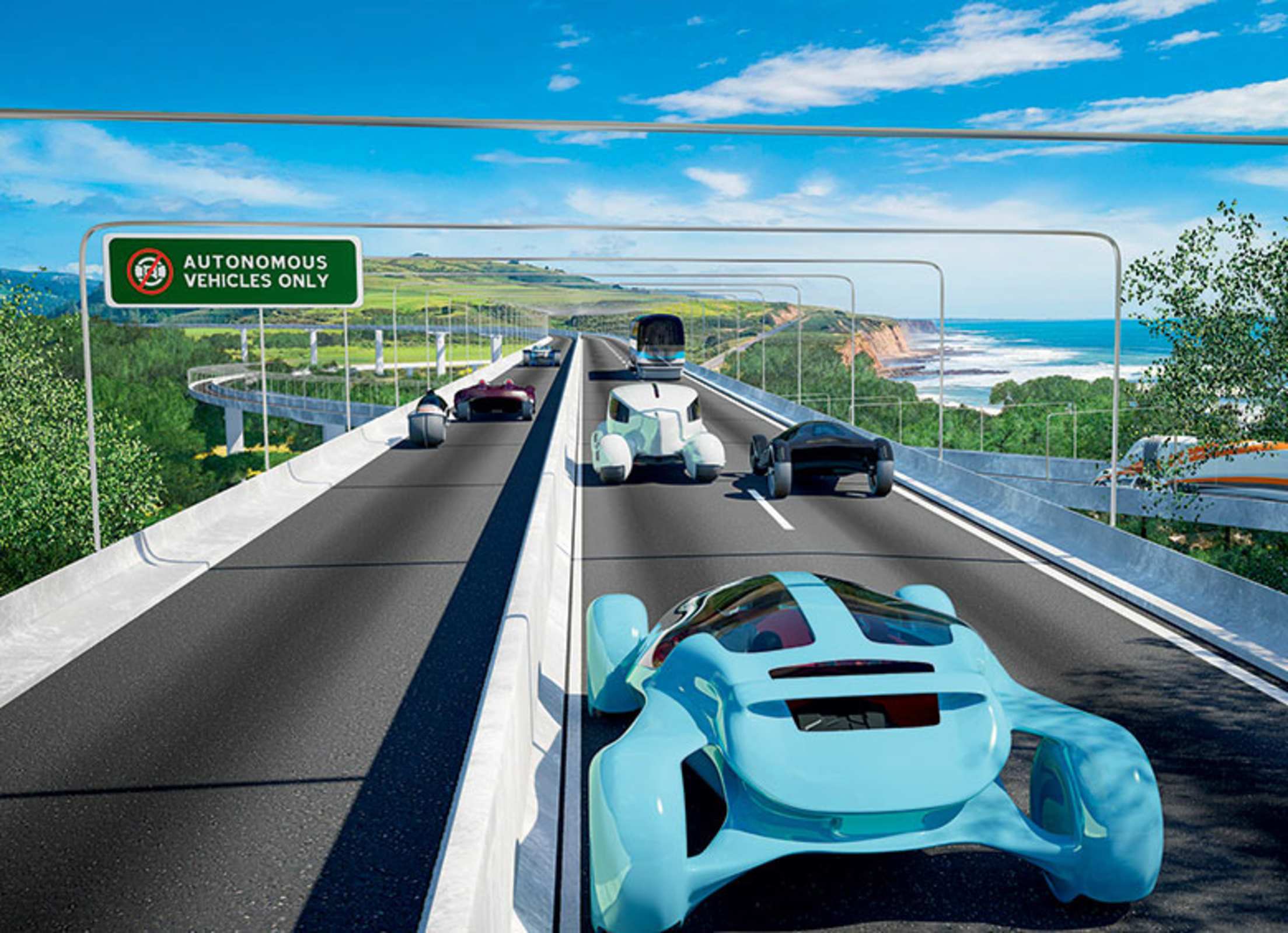
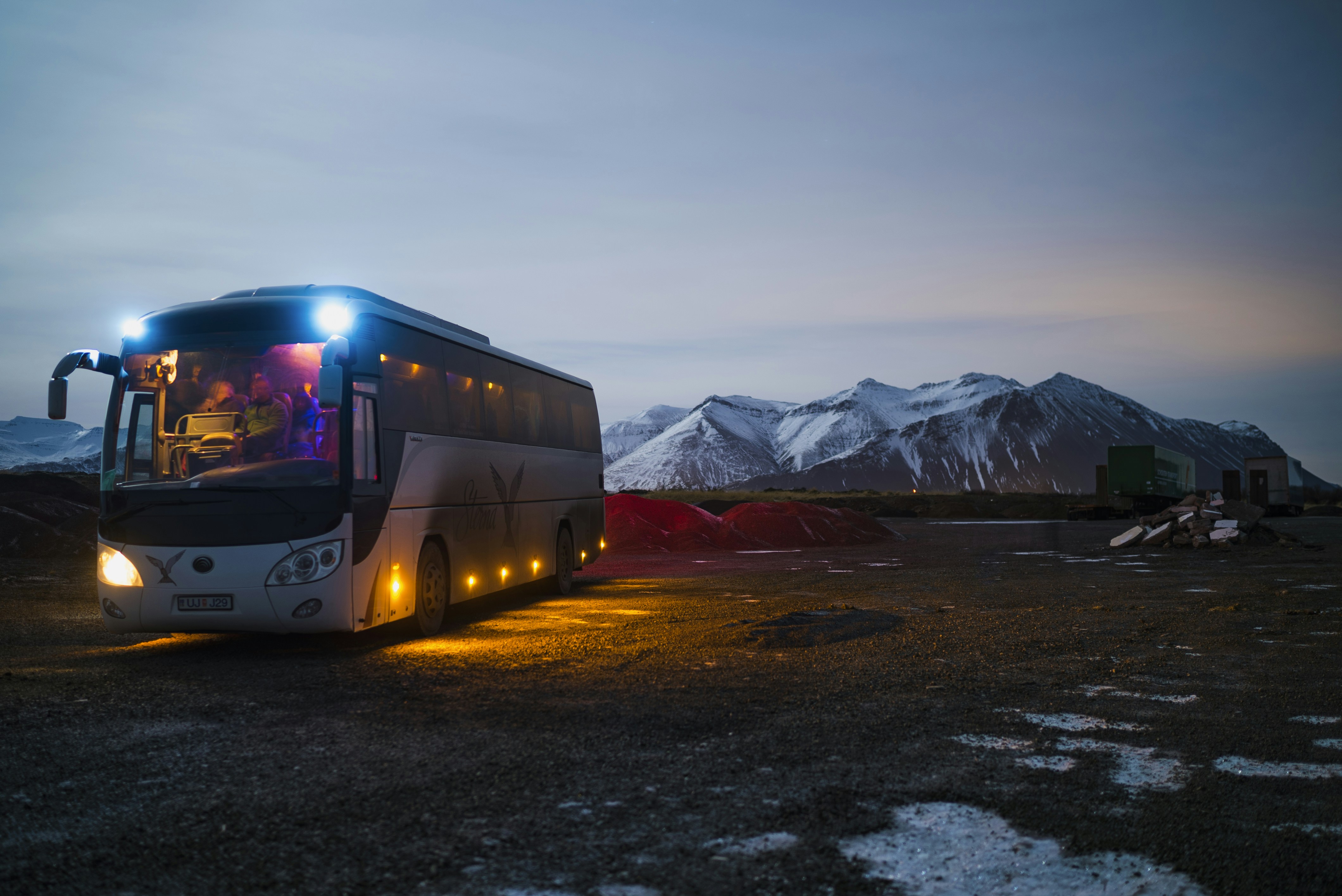
While much of the media attention focuses on private luxury vehicles, the most immediate impact of these AI breakthroughs will likely be felt in public transportation and urban infrastructure. Companies like Optibus are already utilizing AI to transform how cities move, using predictive modeling to reduce urban risk and optimize fleet deployment.
Connected intelligence means that the autonomous vehicle is part of a larger ecosystem. For instance, when an emergency vehicle is blocks away, the AI in your car—and every car in the vicinity—receives a V2X (Vehicle-to-Everything) signal, creating a clear path long before the siren is even audible to human ears.
- Soft Automation: The focus is shifting toward reducing urban risk without demanding constant driver attention. This is "soft automation," where the car handles the "dirty, dull, and dangerous" aspects of driving while the human remains in a supervisory role.
- V2X Connectivity: High-speed 5G and future 6G networks will allow for near-zero latency communication between vehicles and traffic lights, pedestrian crossings, and even the pavement itself.
Operational Reality: The Challenges of Scaling and Geopolitics
As we move from software demonstrations to mass manufacturing, the "industrial phase" of autonomy begins. This is where the hype meets the hard reality of scaling. One of the most significant challenges isn't just the driving itself, but the "Dirty Jobs" of AI: fleet management, automated charging logistics, and remote tele-assistance.
When an autonomous vehicle encounters an "edge case"—a situation it hasn't been programmed for, like a construction site with confusing hand signals—it needs a human-in-the-loop. Remote tele-assistance centers will allow human operators to "see" through the car’s sensors and provide guidance, ensuring the fleet never truly gets stuck.

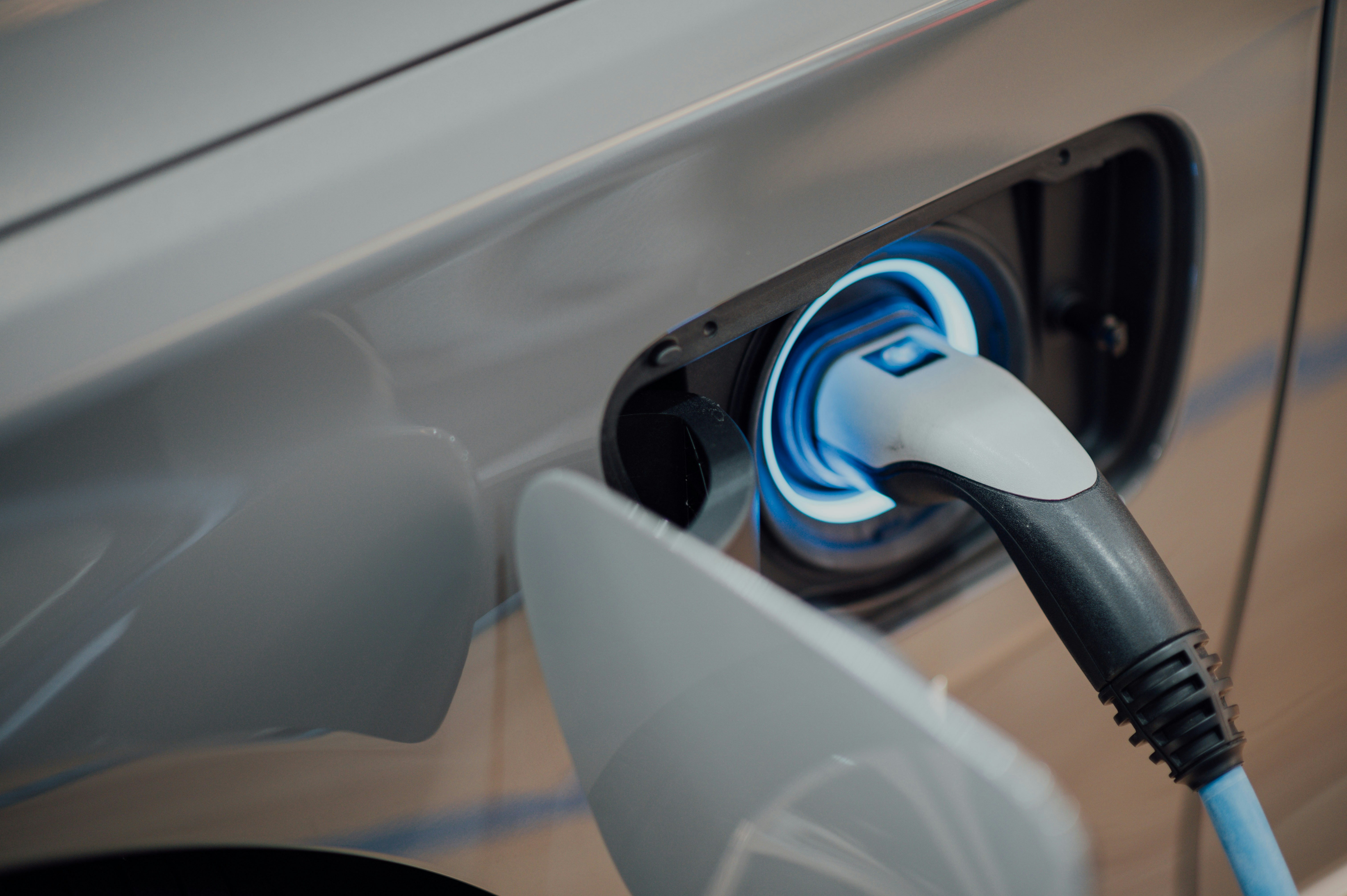
Furthermore, there is a geopolitical race to dominate the "autonomy stack." Nations that successfully integrate their road infrastructure with AI-driven vehicles will hold a significant advantage in global exports and logistics efficiency. However, this also links the future of AI vehicles inextricably to the expansion of high-voltage charging infrastructure. An autonomous fleet is useless if it cannot intelligently manage its own energy needs and grid impact.
Future Outlook: The Psychology of Human-Machine Interaction
As we approach 2026, the final hurdle may not be technical, but psychological. We are entering the era of "coopetition" between tech giants and legacy car manufacturers, all striving to bridge the "Perfection Gap." We currently hold AI to a standard of 100% safety, whereas human drivers are notoriously prone to error.
The rise of the Software-Defined Vehicle will force a shift in how we perceive travel. With the emergence of foldable steering wheels and cabin layouts designed for productivity or rest, the vehicle is being redefined as a "Third Space"—neither home nor office, but a mobile environment that understands its occupants' needs.
Expert Insight: "The goal of 2026 isn't to create a car that never makes a mistake; it's to create a system that is statistically 10x safer than a human, while providing a seamless, predictable experience for both the passenger and the surrounding community." — James Wright, Senior Travel Critic
FAQ
Q: Will these AI breakthroughs make current autonomous cars obsolete by 2026? A: Not necessarily obsolete, but they will highlight the limitations of "camera-only" or "LiDAR-only" systems. The transition to SDV (Software-Defined Vehicles) means that 2026 models will be fundamentally more capable of receiving meaningful hardware-level updates and interacting with smart city infrastructure.
Q: How will Physical AI affect the price of new vehicles? A: Initially, the advanced sensor suites (Thermal/Terahertz) will be featured in premium models and commercial fleets. However, the 40% reduction in development cycles for manufacturers should eventually lead to cost savings that can be passed down to the consumer as the technology scales.
Q: Is "all-weather" autonomy actually possible by 2026? A: With the integration of terahertz vision and 4D imaging radar, vehicles will achieve over 99.9% perception accuracy in conditions that would stop a human driver. While "perfect" driving in a Category 5 hurricane remains a challenge, the "all-weather" goal for standard winter and storm conditions is well within reach for 2026 deployment.
The road to 2026 is paved with data, sensors, and a new definition of what it means to "drive." For the traveler, this promises a future of reduced congestion and unparalleled safety. For the industry, it is a race to master the physical and digital realms simultaneously.