Quick Facts
- Energy Savings: Smart automation reduces lighting energy use by 30% to 60%.
- Top Security Hack: Use 'Vacation Mode' randomized lighting to simulate occupancy.
- Must-Have Protocol: Look for Matter and Thread for 2026 ecosystem stability.
- Hardware Tip: Use a smart light switch for main rooms and a smart bulb for lamps.
- Maintenance: The average smart bulb lifespan reaches 25,000 operational hours.
- Visual Alerts: Leverage IFTTT integration to flash lights for doorbells or timers.
- Cost Efficiency: Transitioning to energy-efficient LED lighting saves US homeowners an average of $225 annually.
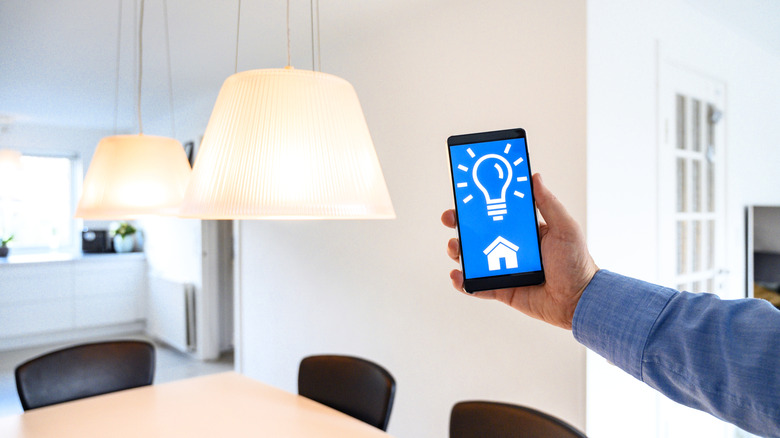
Smart light ideas go beyond aesthetic color changes; they encompass automated security, visual notification systems, and health-focused circadian lighting that evolves with your daily routine. By integrating these systems with sensors and routines, you move away from simple remote control toward a truly autonomous home environment.
From Remote Control to True Automation
If you are still opening an app to turn your kitchen lights on, you are living in 2015. The modern smart home has shifted toward sensor-driven, autonomous experiences. A 2025 technology trends survey found that smart lights and controllers have achieved a 31% penetration rate among smart home adopters, but the real growth is in how these devices talk to each other.
The introduction of the Matter protocol and Thread networking has changed the game. Previously, you might have been locked into a single ecosystem. Now, geofencing automation allows your house to respond as you pull into the driveway, regardless of whether you use Apple Home, Google Home, or Alexa. This shift creates a seamless smart home where your smart lighting works as a cohesive system rather than a collection of individual gadgets.
Hacks 1 & 2: Security and Presence Simulation
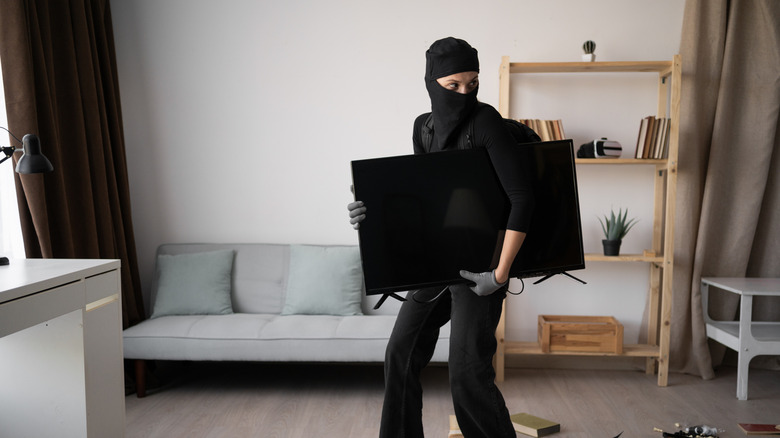
One of the most practical smart light ideas for security is presence simulation. Most people leave a porch light on when they go out, which is actually a signal to intruders that no one is home to turn it off. Instead, you should use automated schedules that simulate real occupancy.
The first hack is implementing a dedicated vacation mode. Instead of static timers, these routines use randomized lighting patterns to toggle different rooms at specific intervals. It mimics a person moving from the kitchen to the living room and finally to the bedroom. Burglary deterrence is significantly heightened when your home looks lived-in.
The second hack involves pairing your smart bulb with external motion sensors or geofencing. When a sensor detects motion at an entry point, your indoor hallway lights can instantly trigger at 100% brightness. For an intruder, this visual cue suggests someone has been alerted to their presence. Beyond security, this is a major convenience for energy conservation. Studies show that utilizing automated controls can reduce energy consumption for illumination by 30% to 60% compared to traditional setups.
Hacks 3 & 4: Visual Alerts and Productivity
Smart home light ideas often focus on the eyes, but they should also focus on the ears—or rather, the lack of them. Creative smart light uses for visual alerts allow your home to communicate without annoying chimes or push notifications that you might miss if your phone is in another room.
Through IFTTT integration, you can set your ceiling lights to flash a specific color when a task is complete. Imagine your living room lamps pulsing blue when the washing machine finishes its cycle, or the kitchen pendants flashing green when your Uber is outside. This is particularly useful for those who work from home wearing noise-canceling headphones.
For those looking to boost their output, smart light scene ideas can include a strict productivity mode. When it is time to focus, you can trigger a scene that shifts all lights to a cool, high-concentration blue-white temperature (around 5000K-6500K). This mimics the clarity of midday sun, suppressing melatonin and keeping you alert.
| Trigger | Smart Lighting Result | Benefit |
|---|---|---|
| Smart Doorbell Rings | Hallway lights pulse yellow | Visual notification while wearing headphones |
| Kitchen Timer reaches 0 | Under-cabinet LED strips flash red | Prevents burning food in a busy kitchen |
| Phone enters 'Work Mode' | Desk lamp shifts to cool white | Enhances focus and reduces eye strain |
| UV Index is High | Entryway light turns orange | Reminder to apply sunscreen before leaving |
Hacks 5 & 6: Health-Centric Routines
The concept of circadian lighting is perhaps the most impactful for your well-being. Our bodies are biologically tuned to the movement of the sun, yet we spend most of our time under static, artificial light. You can correct this with a smart light automation for morning routine that mimics a natural sunrise.
Starting 30 minutes before your alarm, your smart bulb can slowly transition from a deep amber to a bright, cool white. This gradual increase in lux levels helps your body transition out of deep sleep naturally, leaving you feeling less groggy.
Conversely, evening routines should focus on color temperature adjustment. As the sun sets, your smart lighting should automatically shift to warmer tones and lower brightness. By reducing blue light exposure in the hours before bed, you support healthy sleep cycles. Many modern systems, like Philips Hue or Nanoleaf, now have built-in schedules that handle this transition automatically throughout the day without any manual input required.
Hacks 7 & 8: Immersive Atmosphere & Indoor Gardening
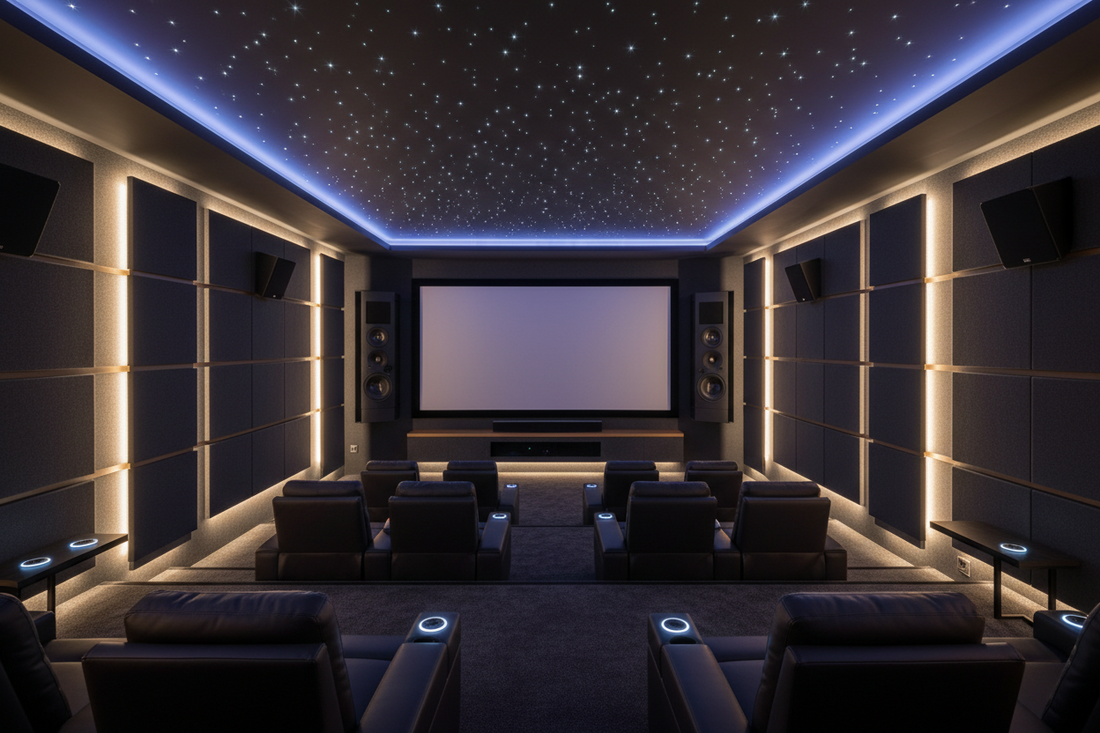
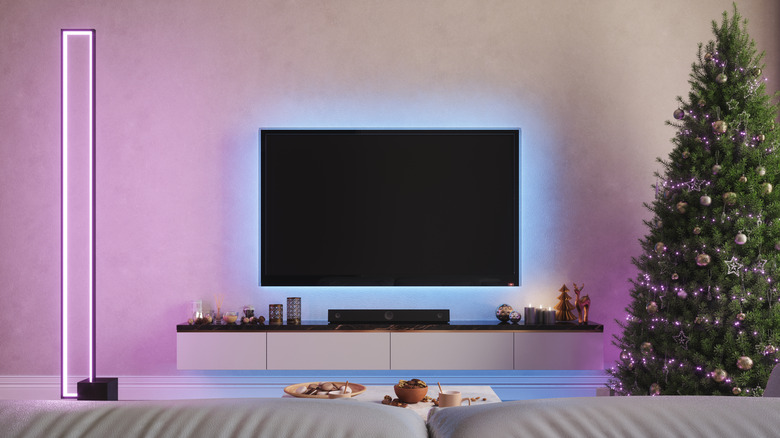
If you love movies or gaming, you need to explore smart light strip ideas for your media center. Reactive bias lighting involves placing LED strips behind your TV or monitor that sync with the colors on the screen. This doesn't just look cool; it actually expands your perceived field of vision and reduces eye strain by providing a consistent background glow that minimizes the contrast between a bright screen and a dark room. This creates a professional home theater experience that feels far more expensive than the cost of the strips.
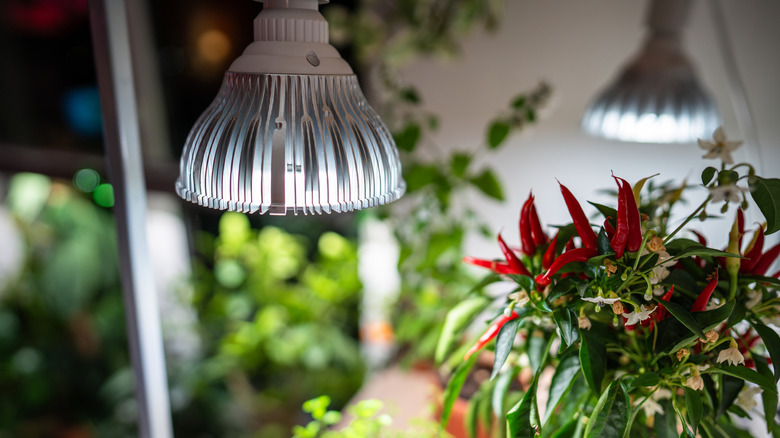
The eighth hack is a favorite for urban dwellers: photosynthesis support. Many people don't realize that a high-quality smart bulb can serve as a functional grow light for indoor plants. By using a bulb that offers a full color spectrum, you can program specific light recipes. For example, blue spectrum light encourages foliage growth, while red spectrum light supports flowering. Scheduled intervals ensure your plants get the necessary light even in a dark apartment, all while blending in with your standard home decor.
Technical Solved: Smart Switch vs. Smart Bulb
One of the most common friction points in a smart home is the guest problem—where a visitor flips a traditional wall switch and kills the power to your expensive smart lighting, rendering its automations useless. Solving this requires understanding when to use a smart light switch versus a smart bulb.
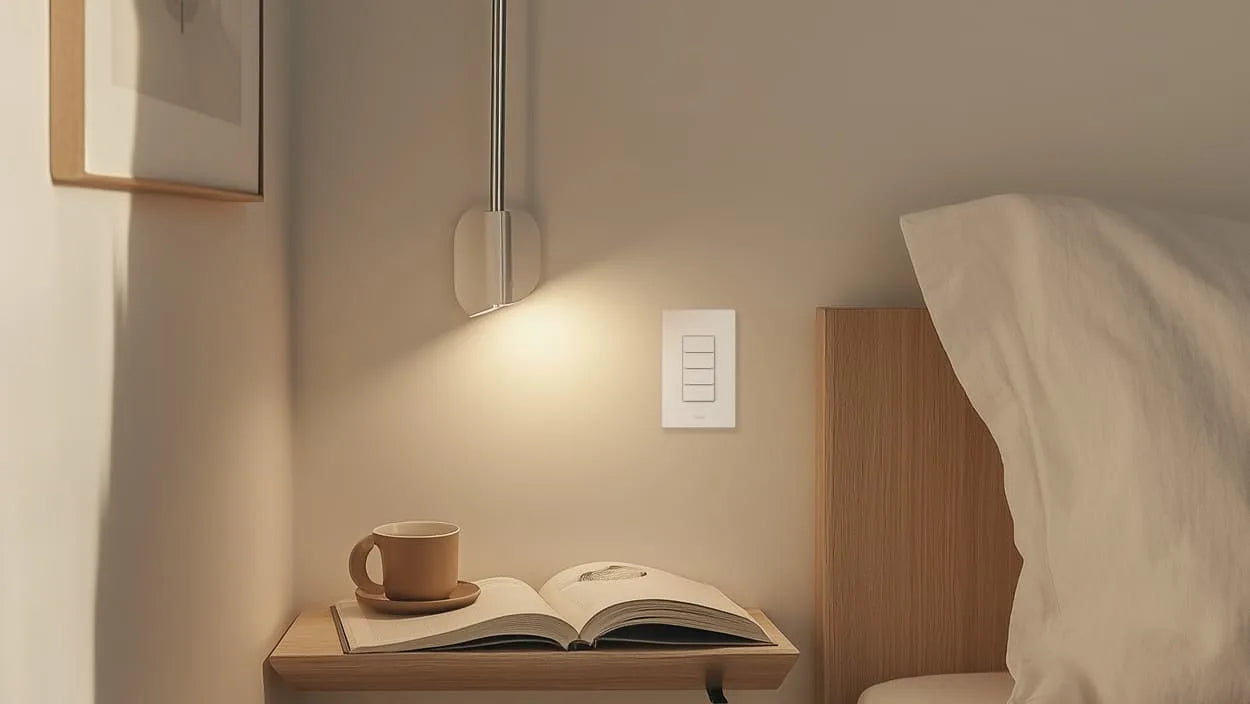
In spaces with multi-bulb fixtures, such as a dining room chandelier, a smart light switch is the superior choice. It provides a solid infrastructure that works like a normal switch for guests but remains connected to your hub. If you live in an older home, look for no neutral smart switches designed for pre-2000s wiring.
For lamps and accent lighting, a smart bulb is better as it allows for individual color control. If you want the best of both worlds, look for a switch that supports decoupled mode. This feature allows the physical button to send a digital command to your bulbs without physically cutting the electrical current.
| Feature | Smart Bulb | Smart Light Switch |
|---|---|---|
| Color Control | Full RGB and Color Temperature | Limited to your physical bulbs |
| Guest Friendly | Low (Turning off switch kills the bulb) | High (Operates like a normal switch) |
| Installation | Easy (Screw into socket) | Moderate (Requires wiring) |
| Best For | Lamps, Accent lighting, Mood scenes | Main ceiling lights, Large fixtures |
FAQ
How can I use smart lights creatively in my home?
You can use smart lights as visual notifications for everyday events. For instance, you can program your kitchen lights to flash when a timer ends or set your entryway lights to turn red if the weather forecast predicts rain. Another creative use is photosynthesis support for indoor plants, setting schedules that provide specific light spectrums to help them thrive in low-light corners.
What are some cool things to do with smart LED strips?
Beyond under-cabinet lighting, use smart light strip ideas to create reactive bias lighting behind your television or gaming monitor. This syncs the light color to the content on your screen, which creates an immersive home theater experience and reduces eye strain. You can also install them along baseboards or under bed frames to serve as motion-activated night lights that guide your way to the bathroom without waking you up with bright overhead glare.
Can smart lights help improve home security?
Yes, smart lighting is a highly effective tool for burglary deterrence. By using a vacation mode, your lights can simulate occupancy by turning on and off in different rooms at randomized times, making it appear as though someone is moving through the house. Additionally, pairing smart lights with outdoor motion sensors ensures that potential intruders are immediately met with bright light, signaling that they have been detected.
Do smart lights work with traditional wall switches?
Standard smart bulbs will lose their connectivity if the power is cut by a traditional wall switch. To solve this, you can install a smart light switch, which maintains a constant connection even when the lights are turned off manually. If you want to keep your smart bulbs, look for switches that offer a decoupled mode, where the physical button acts as a remote without actually cutting the power to the bulb.