Quick Facts
- Top Software Solution: Noop (Open-source)
- Annual Saving: $199 - $359
- Data Storage: Local SQLite (No Cloud)
- Best Screenless Alternative: Amazfit Helio Strap ($100)
- Key Metrics: HRV, Strain, Recovery
- Project Status: Updated June 2026 to support WHOOP 4.0, 5.0, and MG
You can use a Whoop band without a subscription by utilizing open-source apps like Noop or Gadgetbridge, which reverse-engineer the Bluetooth data packets to provide local health analysis on macOS, iOS, or Android without recurring fees. By leveraging these community-driven tools, your device becomes the best fitness tracker without subscription for those who already own the hardware but want to escape the mandatory monthly membership.
The Open-Source Solution: Noop and Gadgetbridge
For years, the Whoop ecosystem has been a walled garden. You buy the hardware, but you never truly own the experience unless you keep paying the monthly toll. As a mobile devices editor, I’ve seen subscription fatigue reach a breaking point in 2026. Users are tired of renting their own biometric data. That is where Noop enters the frame.
Noop is an unofficial, open-source application designed to communicate directly with Whoop 4.0 and 5.0 hardware. Instead of sending your heart rate and sleep cycles to a distant server, Noop intercepts the data locally. This creates a paradigm shift in data sovereignty. When you use Noop, your biometric monitoring statistics are stored in a local SQLite database on your own device. There is no cloud involved, which provides a level of offline anonymity that the official app cannot match.
Installing Noop usually requires visiting its GitHub repository. While it isn't as simple as a one-tap install from the App Store, the process is straightforward for anyone who has ever sideloaded an app. Once connected via Bluetooth, the app begins translating the raw signals from the strap into readable metrics. One of the coolest features is the Mac lock functionality; by double-tapping your strap, you can trigger specific actions on your computer, a utility the official app never explored.
Open source fitness tracker app for wearables like this one are changing the game. By bypassing the official servers, you essentially convert a piece of subscription-only hardware into a permanent tool. It is the ultimate how to use whoop without subscription hack for the privacy-conscious athlete.
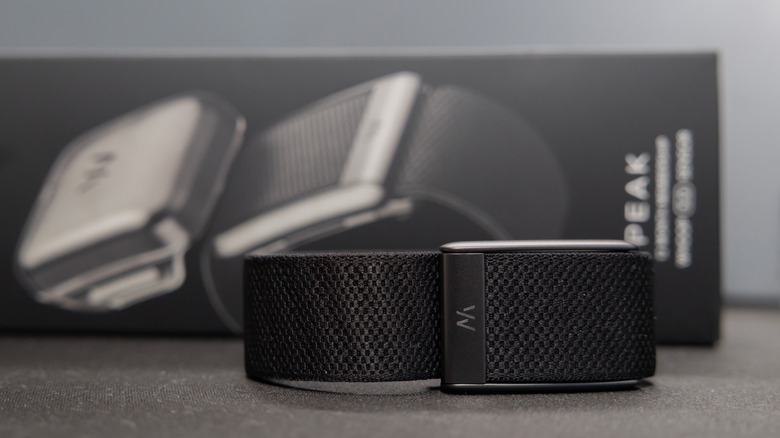
Understanding the Tech: Reverse Engineering Your Bio-data
You might wonder how an unofficial app can read data that Whoop spends millions of dollars to protect. The answer lies in reverse engineering. Developers use clean-room techniques to observe the raw data packets moving between the band and the phone. By identifying which packet corresponds to a heartbeat or a movement, they can reconstruct the entire health profile.
In June 2026, a new open-source project was released that allows users to intercept raw health data packets from WHOOP 4.0, 5.0, and MG bands. This allows for precise calculations of heart rate variability and recovery state without needing the proprietary algorithms of the official app.
The core metrics that users care about—strain analysis and sleep stages—are calculated locally on your phone or computer. While Whoop’s official AI provides a polished "coach" experience, Noop provides the raw numbers and allows you to be your own coach. This approach prioritizes transparency over gamification. You see exactly what the sensors see, ensuring that your health data stays in your hands.
Whoop vs. The Alternatives: A 24-Month Cost Analysis
When we look at the financial burden of wearable tech, the numbers are eye-opening. As of early 2026, WHOOP annual memberships are structured into three tiers, ranging from $199 for the One plan to $359 for the Life plan. Over a two-year period, a user on the Life plan will have spent over $700 just for the right to see their data.
If you already own the band, switching to an open-source alternative like Noop brings your recurring cost down to zero. However, if you are looking for a new device and want to avoid the subscription model entirely, there are several no subscription whoop alternative 2026 options that provide similar screenless designs.
| Feature | Whoop 5.0 (Official) | Whoop + Noop App | Amazfit Helio Strap | Fitbit Air |
|---|---|---|---|---|
| Upfront Cost | $0 (included in sub) | Hardware cost only | $100 | $89 |
| Annual Fee | $199 - $359 | $0 | $0 | $0 |
| 2-Year TCO | $398 - $718 | Hardware only | $100 | $89 |
| Data Privacy | Cloud-based | Local (SQLite) | Cloud/Local | Google Cloud |
| Screen | None | None | None | None |
This table illustrates why finding the best fitness tracker without subscription 2026 is so critical for long-term health budgeting. The fitness tracker no subscription movement isn't just about saving money; it’s about the longevity of the device. When a company decides to shut down its servers or increase its monthly rates, an open-source-compatible device continues to function.
The Best Screenless Fitness Trackers Without Subscriptions (2026 Edition)
If you haven't bought into the Whoop ecosystem yet, or if you find the technical setup of Noop too daunting, there are "native" alternatives. Many users prefer the best fitness tracker without screen because it prevents "notification anxiety" and lets them focus on their movement rather than a glowing wrist.
The Amazfit Helio Strap has emerged as a frontrunner this year. At roughly $100, it offers a minimalist design that focuses heavily on recovery and readiness. Unlike Whoop, the Zepp app provides comprehensive AI-powered insights without a mandatory monthly fee. It provides a seamless best fitness and sleep tracker without subscription experience for those who want a "buy it once, own it forever" model.
Another strong contender is the Fitbit Air. Eschewing the traditional watch face, the Air is a small pebble that can be worn in a strap or clipped to clothing. It excels at activity tracking and is incredibly lightweight. For comparison, the older Fitbit Inspire 3 weighed only 0.32 oz, and the Air continues that featherweight tradition. It is a fantastic fitness tracker no screen no subscription option for those who want the reliability of a major brand without the "Premium" upsell.
For those who want something truly unique, the Souyie DS10 weighs in at just 18.4g. It is designed for passive biometric monitoring, staying out of the way while it tracks your heart rate and sleep. As a best screenless fitness tracker 2026 recommendation, it fits the bill for anyone who wants high-tech internals without the high-maintenance subscription.
While the Whoop band is excellent hardware, its business model is not for everyone. By using the open-source Noop app or choosing a dedicated screenless rival, you can enjoy premium health insights while keeping your hard-earned money in your pocket.
FAQ
Is there a tracking device that doesn't require a subscription?
Yes, there are several. Devices like the Amazfit Helio Strap, the Fitbit Air, and various Garmin models allow you to access all your health data without a monthly fee. Additionally, using open-source software like Noop allows you to use Whoop hardware without its official subscription.
Are subscription free trackers worth buying?
Absolutely. Modern subscription-free trackers offer nearly the same sensor accuracy as their subscription-based counterparts. The primary difference is often the "coaching" software. If you are comfortable looking at your own data or using free third-party apps, a subscription-free tracker offers much better long-term value.
What tracker works without service?
Most fitness trackers require an initial sync with a smartphone, but "offline" trackers or those compatible with open-source tools like Gadgetbridge can work without a continuous internet connection. These tools store data locally on your phone's database rather than a manufacturer's cloud.
What fitness tracker do cardiologists recommend?
Cardiologists generally recommend trackers that provide accurate heart rate variability and resting heart rate data. While they often suggest well-known brands like Apple or Garmin due to their cleared ECG features, many also appreciate the consistent, passive monitoring provided by screenless straps that users are more likely to wear 24/7.