The transition from the unregulated "Wild West" of the skies to a sophisticated, monitored National Airspace System (NAS) reached its definitive conclusion in early 2026. For years, drone operators—ranging from casual weekend photographers to high-stakes commercial surveyors—navigated a series of grace periods and shifting deadlines. However, the Federal Aviation Administration (FAA) has now fully implemented the Remote ID mandate, effectively turning every aircraft into a traceable digital entity.
As a travel critic who has monitored the intersection of technology and transit for decades, I view these changes not merely as bureaucratic hurdles, but as a necessary maturation of the industry. According to FAA data, there were over 1.2 million drones registered nationwide in the United States as of 2024. Managing this volume of traffic requires more than just goodwill; it requires a "digital license plate." This is precisely what Remote ID provides: a real-time broadcast of a drone’s identification, location, and altitude.
What is Remote ID and Why Does it Matter?
Remote ID is often described as a digital license plate for drones. It allows the FAA, law enforcement, and other federal agencies to identify a drone and its control station when it appears to be flying in an unsafe manner or where it is not allowed to fly. The system broadcasts information via radio frequency (usually Wi-Fi or Bluetooth) that can be picked up by compatible receivers on the ground.
The data elements broadcast include the drone’s unique serial number or session ID, its latitude and longitude, geometric altitude, and velocity. Crucially, it also broadcasts the location of the "control station" or take-off point, ensuring that the pilot is as identifiable as the aircraft.
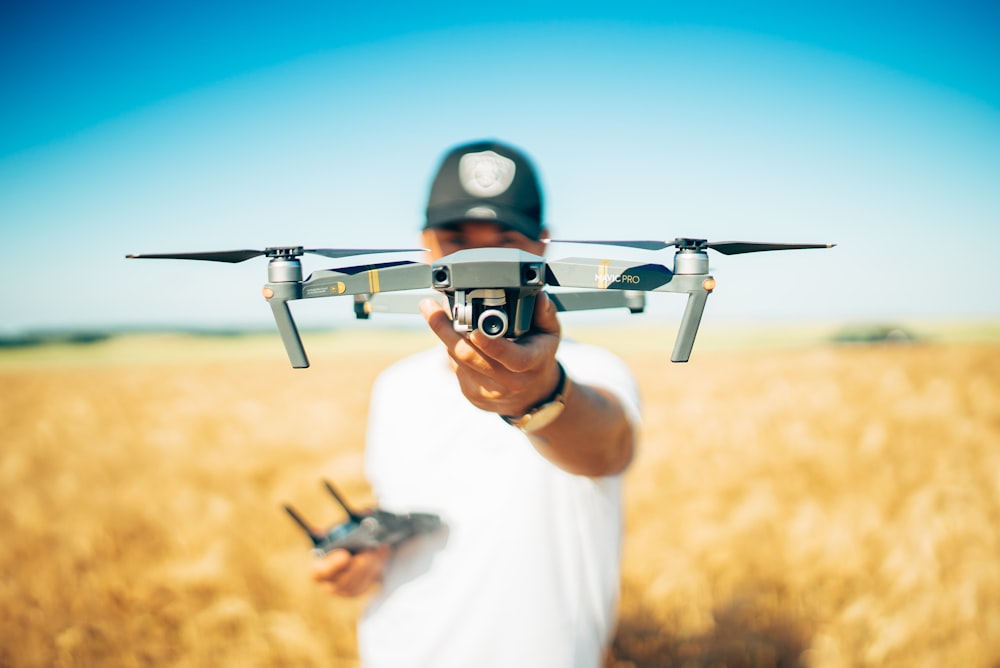
To help operators understand the hardware requirements, it is essential to distinguish between the two primary methods of compliance:
| Feature | Standard Remote ID (Built-in) | Remote ID Broadcast Module (Retrofit) |
|---|---|---|
| Hardware | Integrated into the drone by the manufacturer. | Separate device attached to the drone. |
| Broadcast Data | Drone ID, location, altitude, velocity, and controller location. | Drone ID, location, altitude, and take-off point. |
| Usage | Standard for most drones manufactured after late 2022. | Required for older drones without built-in RID. |
| Operating Range | Full range of the drone's capability. | Generally limited to Visual Line of Sight (VLOS). |
| Complexity | Minimal; usually active upon firmware update. | Moderate; requires separate charging and registration. |
The 2026 Mandate: Who Needs to Comply?
The regulatory landscape in 2026 leaves very little room for ambiguity. The 2026 regulatory framework ended all prior grace periods, mandating 100% Remote ID broadcasting for every drone exceeding the 250g weight threshold.
Direct Answer: As of early 2026, all drones weighing over 250 grams must broadcast Remote ID location and identification to legally operate in the National Airspace System.
For the recreational flyer, the 250-gram (0.55 lbs) rule is the primary dividing line. If your drone, including battery and accessories, weighs less than 250g and you are flying strictly for fun, you are exempt from Remote ID—unless you are flying in certain restricted airspaces. However, the moment a flight becomes commercial (governed by Part 107 rules), the weight exemption disappears. Every commercial drone, regardless of its size, must comply with Remote ID.
How to Fly a Drone Without Remote ID
While the mandate is comprehensive, the FAA has provided a specific "safety valve" for those operating legacy aircraft or home-built models that cannot be retrofitted.
Direct Answer: You can fly a drone without a Remote ID system only within FAA-Recognized Identification Areas (FRIAs) and while maintaining a clear, direct line of sight at all times.
Understanding FRIAs
FRIAs are designated geographic areas where drones can be operated without Remote ID equipment. These locations are typically established by community-based organizations (CBOs), such as the Academy of Model Aeronautics (AMA), or educational institutions.

To find these locations, operators should consult the FAA’s ArcGIS map, which provides a real-time database of approved FRIAs. However, flying in a FRIA does not grant total freedom; it comes with its own set of strictures.
The Visual Line of Sight (VLOS) Requirement
Even within the sanctuary of a FRIA, the pilot must maintain Visual Line of Sight (VLOS). This means the operator must be able to see the aircraft with their own eyes (not through a monitor or FPV goggles alone) at all times during the flight to avoid other aircraft and obstacles.
Beyond Visual Line of Sight (BVLOS) and the Part 108 Shift
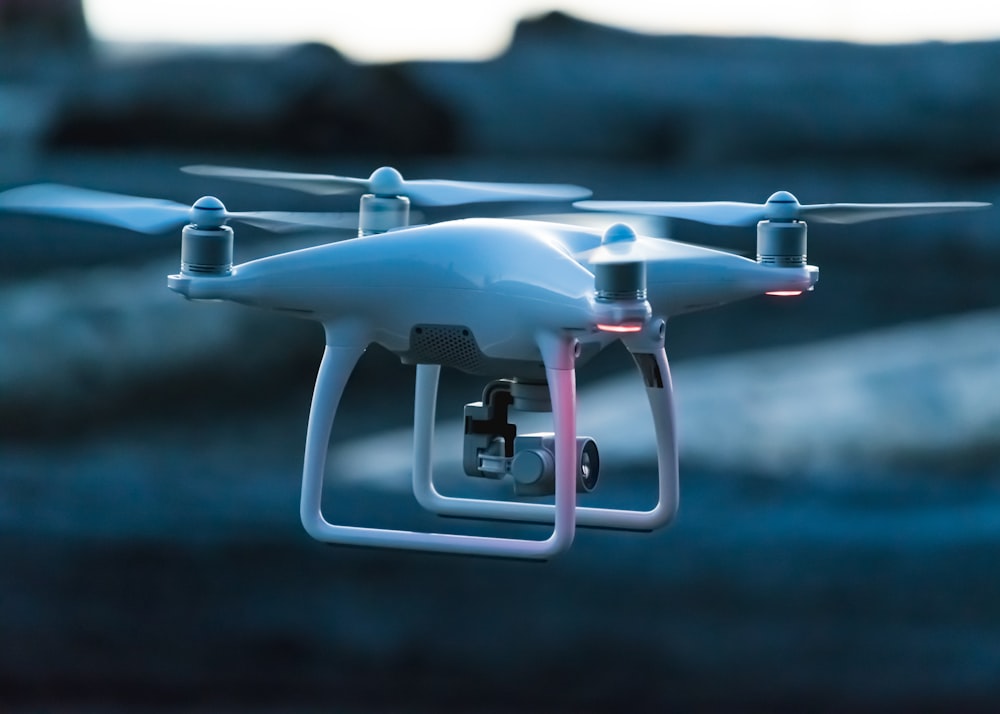
The most significant evolution in 2026 isn't just about tracking hobbyists; it's about enabling the future of drone commerce. The proposed Part 108 rules are designed to supersede the waivers previously required for Beyond Visual Line of Sight (BVLOS) missions.
Direct Answer: BVLOS missions under proposed Part 108 rules now require operations supervisors, flight coordinators, and mandatory background checks for all personnel.
Under Part 108, the FAA has acknowledged that for drones to deliver packages, inspect thousands of miles of pipeline, or assist in large-scale search and rescue, the "pilot-in-command" model needs to evolve into an "operations" model.
- Operations Supervisors: Responsible for the overall safety of the fleet.
- Flight Coordinators: Managing the digital traffic and weather interfaces.
- Background Checks: Because BVLOS drones can carry heavier payloads (up to 110 pounds under the new rules), the personnel involved must undergo rigorous security vetting, similar to traditional aviation crew members.
Compliance Guide for Arizona and Nevada Operators
The Southwest United States, particularly Arizona and Nevada, has become a microcosm of the challenges and opportunities presented by these new rules. The region's vast open deserts are ideal for testing, but they are also home to some of the most complex airspaces in the world.
Drone compliance in Arizona and Nevada requires a nuanced understanding of local "hotspots." In Phoenix, operators must navigate the Class B airspace surrounding Sky Harbor International Airport, which extends for miles and has varying floor altitudes. In Nevada, the proximity of Nellis Air Force Base to the Las Vegas Strip creates a "no-fly" corridor that is strictly enforced.
The rise of Part 107 certifications in the Southwest—an 18% increase over the last two years—suggests that operators are taking these rules seriously. To fly legally in Scottsdale or Henderson, professionals increasingly rely on Low Altitude Authorization and Notification Capability (LAANC).
Regional Compliance Checklist:
- Check Airspace Class: Use B4UFLY or similar apps to identify if you are near Sky Harbor or Nellis.
- Apply for LAANC: Get near-instant authorization for controlled airspace up to certain altitudes.
- Verify FRIA Status: Several RC clubs near Mesa and Boulder City are registered FRIAs, allowing for older model flights.
Step-by-Step: Registration and Retrofitting
If you find yourself on the wrong side of the 250g limit with an older drone, compliance is a two-step process of registration and hardware upgrades.
- FAA DroneZone Registration: Visit the FAA DroneZone website. The registration fee remains a modest $5 for three years for recreational flyers. You must provide the serial number of your Remote ID broadcast module during this process.
- Choosing a Module: If your drone isn't "Standard Remote ID" compliant, you must purchase a third-party broadcast module. These small, battery-powered devices must be securely attached to the aircraft.
- External Labeling: Your FAA registration number must be visible on the exterior of the drone. The old habit of hiding the number in the battery tray is no longer compliant. Use a permanent marker or a high-quality label maker.
Penalties: The Cost of Non-Compliance
The FAA’s stance in 2026 has shifted from education to enforcement. With 2,300 drone-related incidents reported in 2024 alone, the agency is keen to reduce unauthorized flights near airports and critical infrastructure.
The financial stakes are high. FAA fines for non-compliance can reach up to $27,500 per violation. Beyond federal fines, flying a non-compliant drone almost certainly voids any commercial insurance policy. In the event of a crash or property damage, the operator would be personally liable for all costs.
For the modern traveler and tech enthusiast, the message is clear: the era of "I didn't know the rules" is over. Whether you are filming the red rocks of Sedona or the neon lights of the Vegas Strip, compliance is the only way to ensure your gear—and your license—remains intact.
FAQ
Q: Can I turn off Remote ID if I am flying on my own private property? A: No. Remote ID is required whenever you are in the National Airspace System (NAS), which includes the air above your private property. The only exception is if your property is within a designated FRIA.
Q: Does Remote ID use my phone’s cellular data? A: Most "Standard" Remote ID systems broadcast directly from the drone via radio frequencies (Wi-Fi or Bluetooth) and do not require a cellular data plan. However, some advanced BVLOS systems under Part 108 may utilize LTE for extended range and monitoring.
Q: I have a drone under 250g. Do I ever need Remote ID? A: Yes, if you use it for any commercial purpose (Part 107). Additionally, if you add any accessories (like a prop guard or a larger battery) that push the take-off weight above 249 grams, the Remote ID requirements immediately apply.
Stay Compliant, Stay Airborne
The 2026 regulations represent a turning point for the drone community. While the initial setup for Remote ID and the transition to Part 108 for advanced operations may seem daunting, they provide the necessary structure for drones to become a ubiquitous part of our transport and logistics network.