Quick Facts
- What it is: Imagry Safe Driver Overwatch is a hardware-agnostic AI software designed to act as a virtual "guardian angel" by enforcing traffic laws and proactively managing vehicle speed.
- The Problem: Current Level 2 systems, like Tesla’s Full Self-Driving (FSD), require "hard handoffs," where drivers must take control in seconds—a task research shows is particularly difficult for elderly and novice drivers.
- The Solution: Unlike reactive systems, Imagry’s software is proactive. It prevents illegal maneuvers before they happen and automatically caps speeds in high-risk zones like school crossings or road construction.
- Safety Record: Imagry has logged hundreds of thousands of kilometers across the U.S., Germany, Israel, and Japan with zero reported accidents.
The promise of the autonomous vehicle was once simple: a stress-free commute where the car does the work and the human relaxes. However, as a travel critic who has spent decades analyzing the intersection of policy and technology, I’ve observed a growing "autonomy anxiety." For the seasoned traveler or the concerned parent, the current state of semi-autonomous driving feels less like a chauffeur and more like supervising a talented but unpredictable student driver. Tesla’s Full Self-Driving (FSD) has certainly pushed the envelope of what is possible with vision-only AI, recently garnering "Best Tech" accolades for its fluid urban navigation. Yet, for the most vulnerable demographics—our teenagers and our seniors—the "takeover requirement" remains a significant, and potentially deadly, hurdle.
The Paradox of Modern Autonomy: The 'Takeover Trap'
The primary issue with modern Level 2 systems is what safety researchers call the "Takeover Trap." While Tesla FSD v14 has shown remarkable improvements in handling complex intersections, it still operates on a reactive basis. It performs a maneuver, and if it miscalculates, the human driver is expected to intervene instantly. For a 17-year-old with limited muscle memory or an 80-year-old with slowing reflexes, these "hard handoffs" are the highest-stakes moments in modern driving.
Research Insight: Studies involving drivers aged 60-81 indicate a significant struggle with high-stakes failures in autonomous systems. When a vehicle suddenly disengages in a complex scenario, the time required for an elderly driver to regain situational awareness and physical control often exceeds the safety window available.
National Highway Traffic Safety Administration (NHTSA) findings continue to highlight that young drivers are over-represented in crash involvement. Adding a system that requires constant, high-vigilance supervision—essentially "waiting for the car to make a mistake"—does not necessarily make them safer. It shifts the burden of driving from physical execution to constant psychological monitoring, a state that is difficult even for professionals to maintain.
What is Imagry Safe Driver Overwatch?
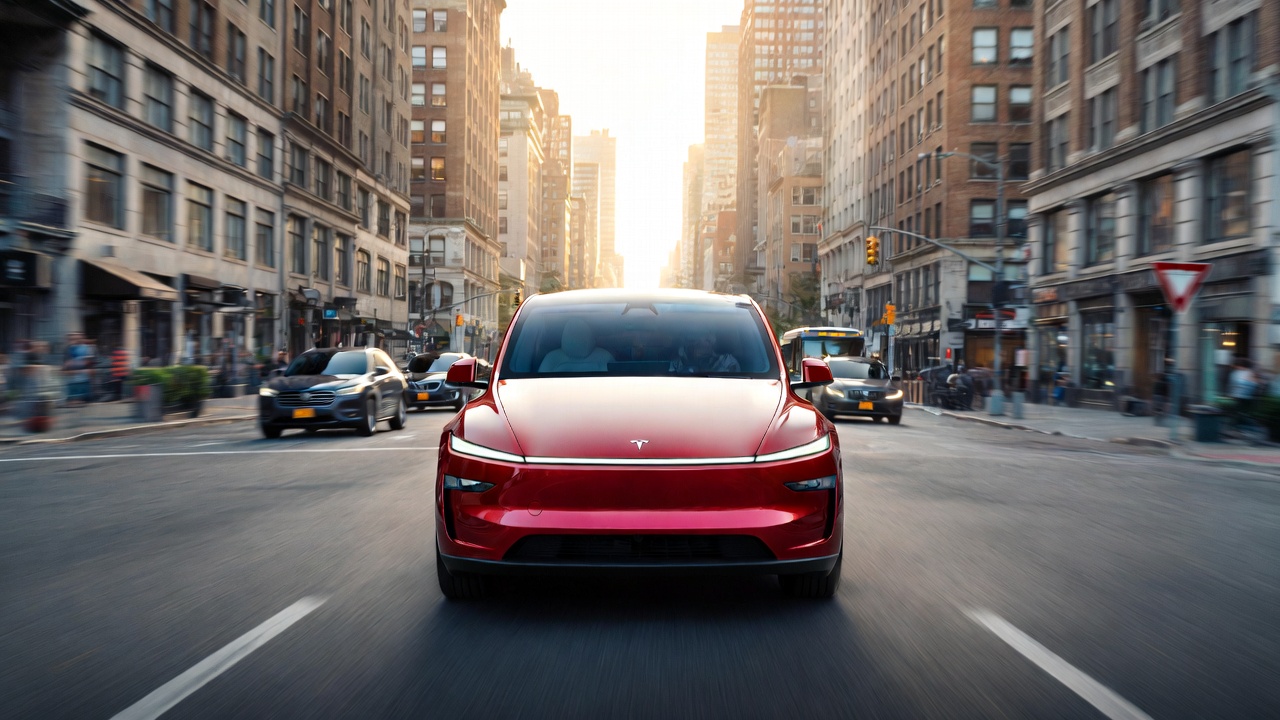
In contrast to the "Beta" culture of constant iteration and human-led corrections, Imagry has introduced a system called Safe Driver Overwatch. It is not just another self-driving mode; it is a hardware-agnostic AI co-pilot designed specifically to eliminate the "Takeover Trap."
By definition, Safe Driver Overwatch is a software layer that can be integrated into any vehicle’s existing computer system, whether it is an internal combustion engine (ICE) or an electric vehicle (EV). It acts as a digital supervisor that monitors both the external environment and the vehicle's intended path. If the car (or the driver) attempts an illegal or unsafe maneuver—such as blowing a stop sign or speeding through a dense pedestrian zone—the Overwatch system intervenes proactively to enforce traffic laws and safety parameters.
For the elderly driver, this means the software isn't just "helping" steer; it's ensuring the vehicle stays within a "safety envelope." For the parent of a teen, it offers the peace of mind that the car simply cannot be driven recklessly, even if the driver is distracted or inexperienced.
Proactive vs. Reactive: How Imagry Differs from Tesla FSD
To understand why Imagry is the superior co-pilot for vulnerable drivers, we must look at the architectural philosophy. Tesla’s FSD is "Vision-only" and leans heavily on neural networks to mimic human driving. While impressive, it is inherently reactive. If the neural net hasn't "seen" a specific, rare edge case enough times, it may hesitate or misinterpret the scene, necessitating a human takeover.
Imagry’s Safe Driver Overwatch operates on a "Safety-First" logic. It combines real-time situational awareness with a strict adherence to a pre-defined set of legal and safety rules. It doesn't just see the road; it understands the context of the road.
| Feature | Tesla FSD (Supervised) | Imagry Safe Driver Overwatch |
|---|---|---|
| Operational Logic | Reactive (Human must correct errors) | Proactive (System prevents errors) |
| Speed Control | Driver/System set; adjusts for flow | Contextual capping (Weather, Zones) |
| Hardware | Proprietary Tesla Hardware | Hardware-Agnostic (Fits any car) |
| Rule Enforcement | Soft (Will attempt maneuvers) | Hard (Enforces stop signs/signals) |
| Target User | Tech Enthusiasts | Families, Teens, Seniors |
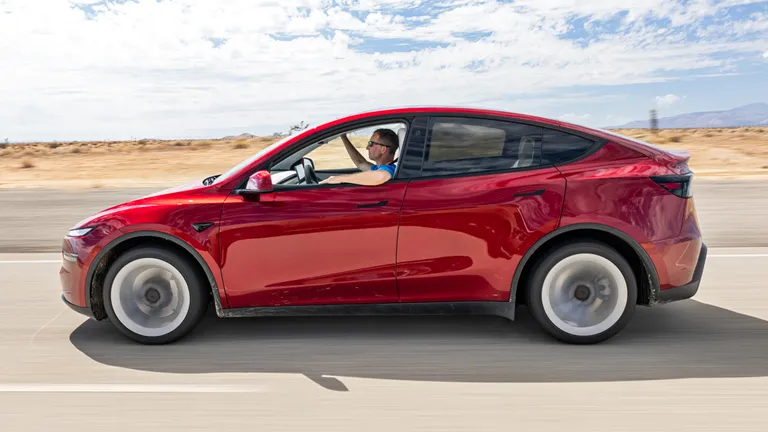
One of the most significant advantages for the general consumer is the hardware-agnostic nature of Imagry. While you must buy a Tesla to use FSD, Imagry’s "universal brain" approach means this safety layer could potentially be retrofitted or integrated by various manufacturers into the family SUV you already own. It democratizes safety rather than gating it behind a single brand's ecosystem.
Core Safety Features That Protect Your Family
Safety is rarely about the spectacular; it is about the mundane details that prevent a tragedy. Imagry’s system focuses on three core pillars that address the most common causes of accidents for novice and senior drivers.
- Pedestrian Anticipation: Traditional systems often react only when a pedestrian enters the roadway. Imagry’s AI analyzes body posture and trajectory. If a child on a sidewalk is running toward the curb, the system doesn't wait for them to step into the street; it preemptively slows the vehicle, anticipating the "jaywalk" before it happens.
- Contextual Speed Capping: Speeding is the leading factor in teen driver fatalities. Overwatch doesn't just monitor the speed limit; it adjusts for context. If the wipers are on high (indicating heavy rain) or if the GPS indicates a school zone during active hours, the system can automatically cap the vehicle's maximum speed to a safe threshold, regardless of driver input.
- Strict Rule Enforcement: In many "supervised" systems, the car might creep through a stop sign if it perceives the road is clear. Imagry enforces a "zero-tolerance" policy for traffic laws. It ensures full stops at stop signs and prevents illegal turns, effectively acting as a digital driving instructor that never gets tired or distracted.

The Data: Why Parents and Seniors are Hesitant
Despite the hype surrounding autonomous vehicles, the public—particularly those with the most to lose—remains skeptical. A recent survey revealed that over 60% of teen drivers expressed significant safety concerns regarding self-driving cars. They don't necessarily trust the "black box" of AI to keep them safe in a crisis.
Seniors share this skepticism, often citing the complexity of the interfaces as a barrier. Imagry addresses this through its empirical track record. While other companies are mired in "beta" testing with mixed results, Imagry has quietly amassed a "Record of Zero." Across hundreds of thousands of kilometers of testing in diverse environments—from the high-speed Autobahns of Germany to the congested, chaotic streets of Tel Aviv and Tokyo—the Safe Driver Overwatch technology has maintained a record of zero reported accidents.
This data-driven approach is what the insurance industry and regulatory bodies are looking for. It moves the conversation from "How cool is this tech?" to "How many lives does this save?"
The Regulatory Future: Can AI Replace the Steering Wheel?
We are currently at a regulatory crossroads. The NHTSA is increasingly scrutinizing Level 2 systems that allow for driver complacency. As we look toward the future of travel and transportation, the focus is shifting away from "full autonomy" (where the car does everything) and toward "active safety" (where the AI ensures the human does nothing wrong).
Proactive systems like Imagry are better positioned for future safety certifications because they align with the "Vision Zero" goals of many governments. Instead of asking for an exemption to remove the steering wheel, Imagry is offering a way to make the person behind that wheel infallible.
In the coming years, I expect to see insurance providers offering significant premium discounts for vehicles equipped with proactive "Overwatch" style software. For a parent of a teen, the reduction in insurance costs alone could justify the technology, but the real value is the knowledge that the "Takeover Trap" has been dismantled.

FAQ
Q: Does Imagry Safe Driver Overwatch work in all weather conditions? A: Yes. One of its core strengths is contextual awareness. The system is designed to recognize hazardous conditions—like heavy rain or snow—and proactively adjust the vehicle's speed and braking distance to maintain a higher safety margin than a human driver might typically observe.
Q: Can I install Imagry on my current car? A: Imagry is a hardware-agnostic software solution. While it is currently being integrated via partnerships with automotive manufacturers (OEMs) and fleet operators, its architecture allows it to run on various existing automotive computing platforms, unlike Tesla’s software which is locked to their proprietary hardware.
Q: How does the pedestrian anticipation actually work? A: The AI doesn't just track objects; it classifies behavior. By analyzing the "skeleton" and movement patterns of people near the roadway, it can predict if someone is likely to step into traffic before they actually do, allowing the car to decelerate smoothly rather than slamming on the brakes at the last second.
The Verdict
Tesla has undeniably changed the world’s perception of what a car can be. However, as we look at the specific needs of vulnerable drivers, the "supervised" model of FSD feels incomplete. Imagry’s Safe Driver Overwatch represents the next logical step in automotive safety: a move from a co-pilot that needs you to a co-pilot that protects you.
For those of us who value data over hype and safety over novelty, the choice is clear. The future of driving isn't about giving up control; it’s about having a guardian that ensures that control is never misused.