If your garage looks anything like mine after a busy weekend of family "fix-it" projects, it’s probably a bit of a mess. Between helping my husband tune up the lawnmower and teaching the kids how to tighten the bolts on their bikes, our hand tools often end up coated in a stubborn layer of grease, oil, and mystery grime. For a long time, I thought I needed harsh, industrial-strength chemicals to get them clean, but as a mom, I’m always looking for safer, budget-friendly alternatives that actually work.
It turns out the secret to a professional-grade clean is sitting right at your kitchen sink. Cleaning hand tools with Dawn dish soap is the ultimate degreasing hack that saves money and protects your investment. Proper tool maintenance isn't just about aesthetics; it’s a critical safety issue. Studies show that proactive maintenance, including regular degreasing and lubrication, can reduce the risk of tool-related injuries—like those caused by slippery, greasy handles or dull, gunked-up blades—by up to 35%.
When you consider that Dawn Platinum has earned a staggering 4.8-star average rating from over 53,000 users for its grease-cutting power, it’s clear why this household staple is the preferred choice for DIYers and mechanics alike. Here is everything you need to know to revive your workshop gear safely and effectively.
The Materials Needed Checklist
Before you start, gather these simple items from around the house. You don't need a trip to the hardware store for this:
- Dawn Dish Soap (Dawn Platinum is highly recommended for heavy grease)
- A Gallon of Hot Water (Warm to the touch, but not boiling)
- A Large Bucket or Basin
- Stiff-bristled Toothbrush (Great for nooks and crannies)
- Non-Abrasive Sponge or Microfiber Cloth
- Lint-Free Towels (For immediate drying)
- Protective Lubricant (Like WD-40 or 3-in-1 oil)
The Simple Dawn Tool Cleaning Hack: Step-by-Step
The core of this method lies in the "Golden Ratio." To clean hand tools effectively, mix one teaspoon of Dawn dish soap with one gallon of hot water. This concentration is powerful enough to break down hydrocarbons and organic oils without leaving a filmy residue.
- The Scrub: Dip your sponge or toothbrush into the soapy solution. Work the suds into the greasy areas of the tool. Use the toothbrush for serrated edges, hinges, or the "teeth" of a wrench where grease loves to hide.
- The Rinse: Hold the tool under warm running water to wash away the emulsified grease.
- The Immediate Dry: This is the most critical step. Never let your tools air dry. Use a clean towel to buff away every drop of moisture immediately. Water is the enemy of carbon steel, and leaving it to sit will invite rust to take hold within minutes.
[SAFETY WARNING: NO SOAKING] While it’s tempting to toss a pile of dirty wrenches into a bucket of soapy water and walk away, do not soak hand tools. Prolonged immersion in dish soap solutions can lead to material etching and microscopic damage to the metal surface. Always use a damp cloth or scrubber for targeted cleaning and rinse immediately.
Cleaning Different Types of Workshop Gear
Not all tools are created equal, and as any parent knows, the "all-purpose" approach usually needs a little fine-tuning depending on what you’re cleaning.
Handheld Tools (Wrenches, Pliers, Hammers)
Whether you’ve been changing the oil in the family minivan or fixing a leaky pipe under the sink, your manual tools take the brunt of the grease. Pliers are particularly notorious for getting "stiff" when old oil and dust mix in the pivot point.
When cleaning these, I like to focus the toothbrush on the joints. If the grease is particularly thick, you can apply a drop of concentrated Dawn directly to the spot, let it sit for 60 seconds, and then scrub. This direct application mimics the way Dawn is used to clean wildlife after oil spills—it’s gentle on the material but relentless on the grease.

Power Tools (Drills, Saws, Staple Guns)
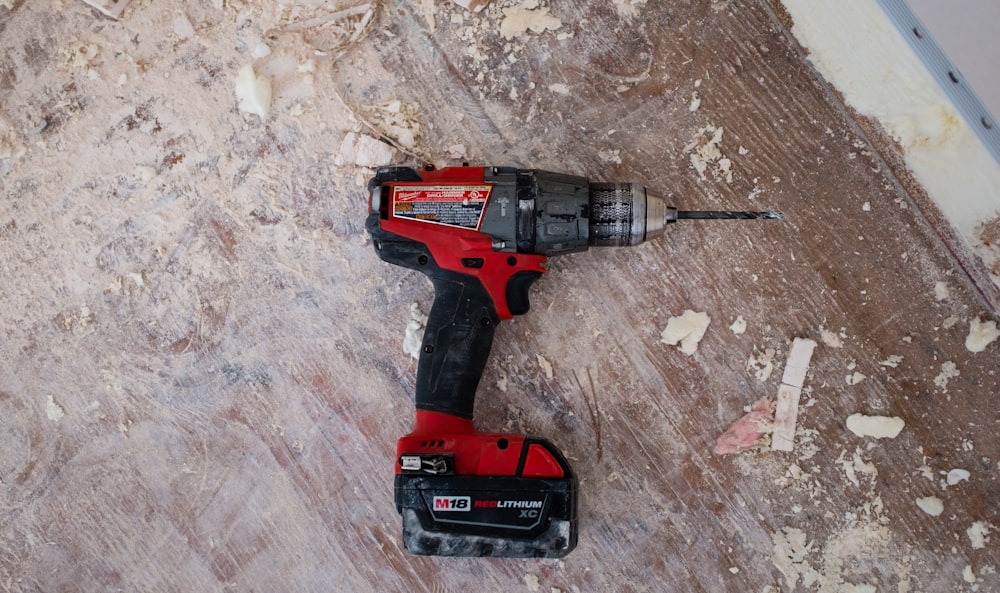
Cleaning power tools requires a much more cautious hand. You should never, under any circumstances, submerge a power tool or get water near the motor casing.
- Unplug or Remove the Battery: Before you even look at a cleaning cloth, ensure there is no power source.
- The "Damp, Not Wet" Method: Dip a microfiber cloth into your Dawn solution and wring it out until it is barely damp. Wipe down the plastic casing and the handles where sweat and oil from your hands accumulate.
- Detailing: Use a dry toothbrush to flick out sawdust from vents first. Then, use a slightly damp toothbrush to clean the chuck of a drill or the base plate of a saw.
[SAFETY WARNING: ELECTRICAL HAZARDS] Avoid getting any liquid near the motor vents or electrical wiring. If moisture does get inside, allow the tool to dry in a warm, ventilated area for at least 24 hours before attempting to power it on.
Gardening and Outdoor Tools
Gardening tools often deal with a mix of sap and soil rather than motor oil. Dawn is surprisingly effective at breaking down sticky plant resins on pruning shears. If you’ve been working with rose bushes or evergreens, the sap can act like glue, dulling the blades. A quick scrub with Dawn will dissolve the stickiness.
As a pro-tip for fellow gardeners: if your gardening gloves are caked in grime, you can pre-treat them with a little Dawn before tossing them in the wash. It breaks down the ground-in dirt that regular laundry detergent often misses.
Preventing the Enemy: Rust and Corrosion
Cleaning is only half the battle. Once the grease is gone, the bare metal is exposed to oxygen. In the workshop world, we call this "Flash Rust." It’s a phenomenon where a thin layer of orange oxidation forms almost immediately after a tool is cleaned and dried.
To prevent this, you must relubricate your tools. After they are bone-dry, apply a light coating of a corrosion inhibitor. I recommend using a silicone-impregnated cloth for a quick wipe-down, or for more heavy-duty protection, a product like WD-40 Specialist Corrosion Inhibitor or Boeshield T-9.
Shop Corrosion Inhibitors on Amazon →
Advanced Restoration: When Soap Isn't Enough
Sometimes we inherit tools that haven't seen a cleaning cloth in a decade, or we find a pair of pliers left out in the rain by a forgetful "assistant" (we've all been there!). In these cases, Dawn is your first step to remove surface dirt, but you’ll need something stronger for the rust.
Cleaning vs. Restoration: A Comparison
| Feature | Dawn Dish Soap (Cleaning) | Citric Acid / White Vinegar (Restoration) |
|---|---|---|
| Primary Goal | Removes grease, oil, and grime. | Removes heavy rust and oxidation. |
| Time Required | 5–10 minutes. | 2–12 hours. |
| Safety Level | Very safe; skin-friendly. | Acidic; requires gloves and ventilation. |
| Material Impact | Non-corrosive (if not soaked). | Can darken some metals; removes platings. |
| Best For | Weekly maintenance and degreasing. | Rescuing "lost cause" rusty tools. |
If you are dealing with heavy rust, after the Dawn wash, you can soak the metal parts in a bath of white vinegar or a citric acid solution. Following the "Anne of All Trades" method, you can then use 0000 steel wool or a brass brush to scrub away the loosened rust.
Frequently Asked Questions
Q: Can I use Dawn on wooden handles? A: Yes, but be very sparing with the water. Wood can swell and crack if it gets too wet. Use a damp cloth with a little Dawn to wipe away grease, then dry immediately. Following up with a bit of linseed oil will keep the wood from drying out.
Q: Is it safe to clean my tools in the kitchen sink? A: While Dawn is safe for your sink, the grease and metal shavings from your tools might not be great for your plumbing. It’s better to use a dedicated plastic bucket and dispose of the greywater according to local regulations, especially if it contains heavy motor oils.
Q: Why is Dawn better than other dish soaps for this? A: Dawn’s specific formula of surfactants is designed to be particularly effective at capturing and lifting grease molecules. Its high rating in mechanical and industrial circles isn't just marketing—it really does outperform most "value" brands on heavy petroleum-based oils.
Conclusion: Your Weekend Maintenance Checklist
Maintaining your tools doesn't have to be a chore, and it certainly shouldn't break the bank. By incorporating a quick Dawn scrub into your routine, you’re ensuring that your gear stays safe, functional, and ready for the next family project.
Quick Maintenance Checklist:
- Degrease: Use the Dawn Golden Ratio (1 tsp/1 gal water) to scrub handles and blades.
- Inspect: Check for cracks in handles or dullness in blades while cleaning.
- Dry: Buff with a lint-free towel until 100% dry.
- Protect: Apply a light coat of lubricant to prevent rust.
- Store: Keep tools in a dry, cool place—ideally a lined toolbox.
Ready to get started? Grab that bottle of Dawn from under the sink and give your toolbox the TLC it deserves. Your hands (and your wallet) will thank you!