In the rapidly evolving airspace of 2026, the era of "set it and forget it" drone operation has officially ended. As a travel critic who has monitored the intersection of technology and transit for over a decade, I’ve watched the Federal Aviation Administration (FAA) transition from a reactive stance to a highly sophisticated, data-driven regulatory framework. Today, compliance is not merely about avoiding a fine; it is about maintaining the operational integrity of an increasingly crowded sky.
To comply with current FAA regulations, all recreational drones weighing over 0.55 lbs (250 grams) and all commercial drones, regardless of weight, must be registered via the FAA DroneZone. This registration number must be clearly displayed on the exterior of the aircraft. Furthermore, the standard maximum altitude for legal drone operation in the U.S. remains strictly capped at 400 feet above ground level (AGL), provided the pilot maintains a visual line of sight and the airspace is not otherwise restricted. For those flying for any "furtherance of a business," the requirements intensify: commercial drone pilots must obtain FAA Part 107 certification, which mandates the pilot be at least 16 years old, pass a federal background check, and achieve a passing grade on the Unmanned Aircraft General exam.
Section 1: Aircraft Readiness & Legal Marking
The distinction between a "toy" and a "regulated aircraft" in 2026 is thinner than ever. The FAA’s 0.55 lb threshold remains the gold standard for registration. While many manufacturers have engineered "ultralight" drones to sit just under this limit, pilots must be wary: adding a high-capacity battery, a prop guard, or an external strobe light can easily push an exempt drone into the mandatory registration category.
Registration is a three-year commitment, and in 2026, the FAA has streamlined the renewal process to integrate with Remote ID (RID) profiles. Every aircraft must now broadcast its identity and location via Standard Remote ID or a broadcast module as per Part 89. This technological leash is the backbone of modern enforcement.
The numbers reflect this shift toward professionalization. As of 2025, there are approximately 865,000 registered drones in the U.S., following a staggering 18% year-over-year jump in commercial drone adoption. This surge is driven by industries ranging from luxury real estate cinematography to critical infrastructure inspection, all of which demand a higher tier of accountability.
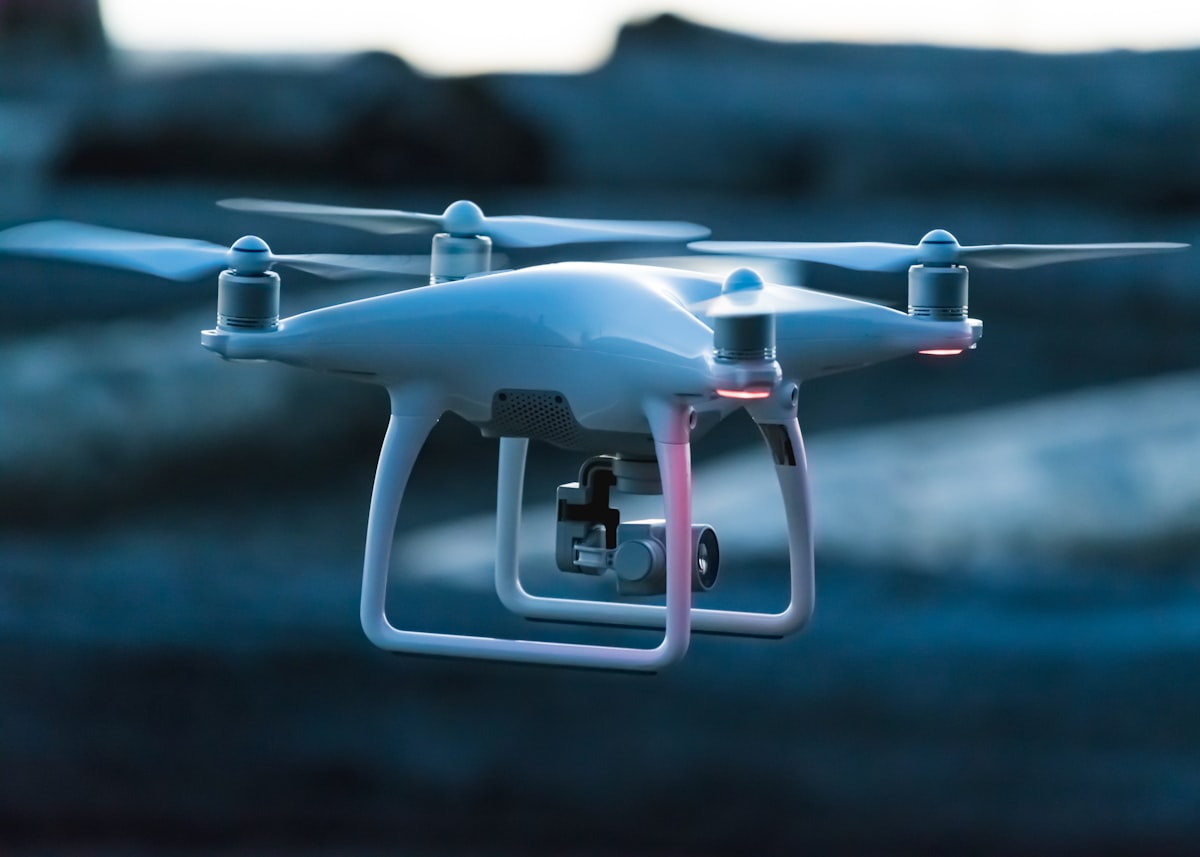
Note: Marking your drone with a Sharpie is no longer the professional standard. In 2026, the FAA prefers engraved or high-durability adhesive labels that are visible without tools, ensuring that in the event of a flyaway, your registration is immediately identifiable by law enforcement.
Section 2: Pilot Certification & Operational Authority
The regulatory landscape has branched significantly between standard operations and the "New Frontier" of long-distance logistics. For the vast majority of travelers and creators, Part 107 remains the essential credential. However, we are seeing the rise of Part 108, which governs Beyond Visual Line of Sight (BVLOS) operations—a permit previously reserved for high-level waivers but now becoming a standardized certification for industrial delivery pilots.
| Feature | Part 107 (Standard) | Part 108 (BVLOS) |
|---|---|---|
| Primary Use | Photography, Inspection, Mapping | Delivery, Long-range Survey |
| Visual Requirement | Must maintain Visual Line of Sight (VLOS) | No VLOS required; tech-monitored |
| Altitude Limit | 400 ft AGL (unless waived) | Variable based on designated corridors |
| Training | Recurrent online training every 24 months | Specialized simulation and practical exam |
Maintaining currency is no longer a "one and done" affair. Pilots must ensure their information is updated in the FAA’s database. Failure to produce a digital or physical copy of your Remote Pilot Certificate during a field inspection can result in immediate grounding and civil penalties that have, in some 2026 cases, reached the $75,000 threshold for egregious or repeated violations.
Section 3: The Pre-Flight Technical Inspection
Professionalism begins on the ground. A drone is a collection of high-frequency vibrations and sensitive sensors; neglecting a physical check is an invitation to mechanical failure. Your checklist must include a firmware audit. Manufacturers now push safety patches that include updated "No-Fly Zone" (NFZ) databases and Remote ID encryption keys. Flying on outdated software is not just a technical risk—it’s a compliance failure.
Physical airworthiness is the next pillar. Check for "battery swelling"—a common byproduct of the high-discharge lithium batteries used in travel drones. If the battery casing shows even a slight curvature, it must be decommissioned immediately. Propellers should be inspected for "leading edge" nicks; even a microscopic crack can lead to a catastrophic mid-air shatter.
Beyond the hardware, your software safety routines are your last line of defense. Calibrating the Return-to-Home (RTH) altitude is the most overlooked step in drone prep. If you are flying in an area with 200-foot trees but your RTH is set to 150 feet, your safety feature becomes a crash trigger. Internal industry data shows that 80% of near-miss drone incidents in 2026 were successfully avoided through the use of pre-programmed RTH safety routines and obstacle avoidance sensors.

Expert Tip: In 2026, the FAA has placed increased emphasis on anti-collision lighting. If you are flying during civil twilight or at night, your strobes must be visible for at least three statute miles and have a flash rate sufficient to avoid a collision.
Section 4: Airspace & Environmental Awareness
Understanding where you cannot fly is as important as knowing how to fly. The 400ft ceiling is a hard limit designed to provide a 100-foot buffer for manned aircraft, which typically do not fly below 500 feet. However, airspace is dynamic. Using Low Altitude Authorization and Notification Capability (LAANC) service providers is now mandatory for those seeking to fly in controlled airspace (Classes B, C, D, and E).
In 2026, we are also seeing a tightening of local ordinances. While the FAA controls the "air," states like Arizona and Nevada have implemented strict "take-off and landing" bans in specific municipal parks or near sensitive wildlife habitats. Always consult a secondary "ground-rule" map before deploying your landing gear.
- Check TFRs: Temporary Flight Restrictions are often issued for sporting events, VIP movements, or wildfires.
- Weather Minimums: You must have at least 3 miles of visibility and stay at least 500 feet below and 2,000 feet horizontally away from clouds.
- Privacy Check: Ensure your flight path does not violate "Reasonable Expectation of Privacy" laws, which have seen a surge in civil litigation over the past year.
Section 5: The Post-Flight Compliance Tail
Compliance does not end when the props stop spinning. Detailed recordkeeping is what separates a hobbyist from a professional critic or commercial operator. You should maintain a digital maintenance log that tracks every battery cycle and repair. This isn't just for your own safety; it is your primary defense in a post-incident FAA audit.
The FAA requires incident reporting for any operation that results in "serious injury" or property damage exceeding $500. This report must be filed within 10 calendar days. In the 2026 regulatory environment, the FAA has shown more leniency toward those who self-report than those who attempt to conceal a mishap.
- Logbook Retention: Keep all flight logs for a minimum of 12–24 months.
- Battery Disposal: Document the proper recycling of damaged cells to comply with environmental regulations.
- Software Logs: Keep a record of which firmware version was used during each flight.
FAQ
Q: Do I need to register my drone if I only fly it in my own backyard? A: Yes, if the drone weighs more than 0.55 lbs. The FAA’s jurisdiction over the National Airspace System (NAS) begins at the blades of grass. If the drone is capable of flight, it falls under federal oversight.
Q: Can I fly over 400 feet if I am filming a skyscraper? A: Under Part 107, you may fly within a 400-foot radius of a structure and up to 400 feet above that structure’s uppermost limit, provided you remain in uncontrolled airspace.
Q: What is the penalty for flying without Remote ID in 2026? A: The FAA has transitioned from education to enforcement. Non-compliant pilots face fines starting at $5,000 and the potential seizure of equipment.
Maintaining compliance in the modern era is a commitment to the craft. By following this checklist, you aren't just protecting your license; you are ensuring that the skies remain open for the next generation of aerial explorers.