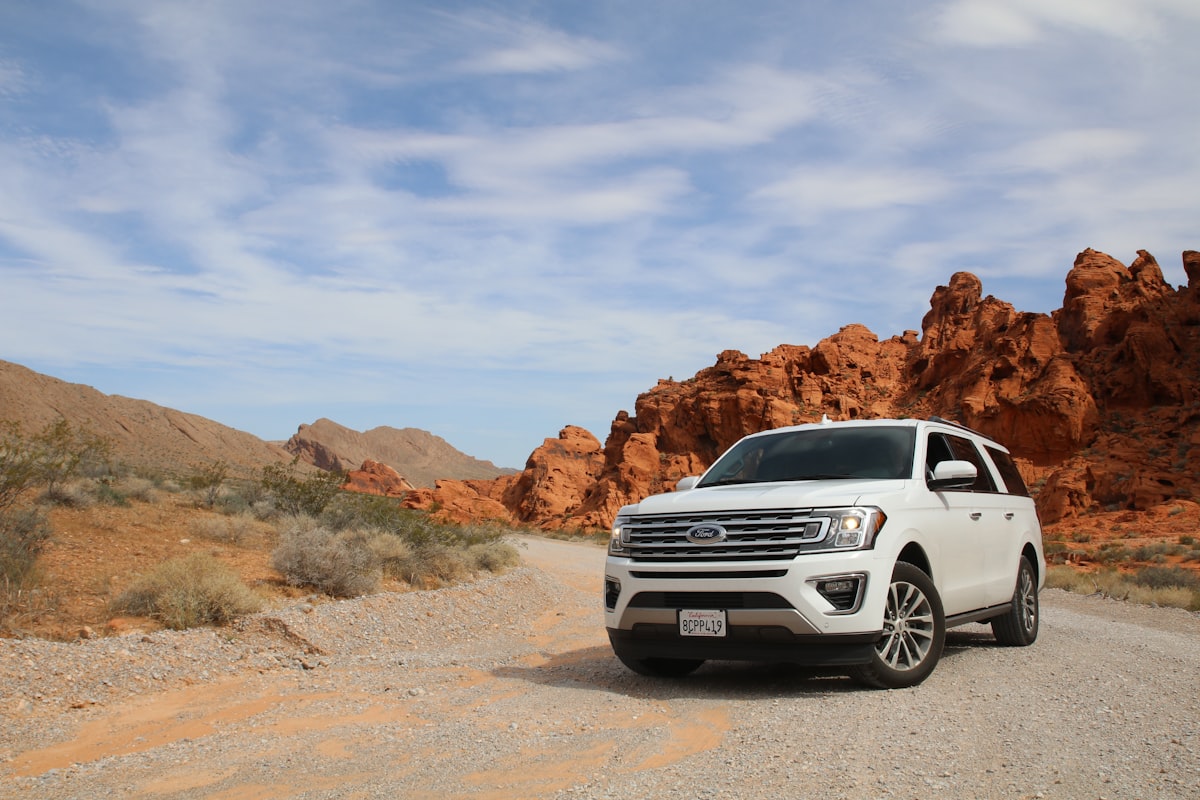
I’ve spent the better part of two decades pulling 4x4s out of places they had no business being—from the red dust of the Australian Outback to the deep, frame-swallowing mud of the Pacific Northwest. In that time, I’ve seen a lot of things go wrong, but nothing chills my blood faster than seeing someone reach for a snatch strap and loop it over a standard tow ball.
It usually starts the same way. A vehicle is bogged to the axles, the sun is dropping, and everyone is getting impatient. Someone says, "She’ll be right, just loop it over the ball." It looks solid. It’s made of steel. It’s rated for 3.5 tons, right?
Wrong. That single decision is the most dangerous mistake you can make in the bush. Using a tow ball for an off-road recovery is never safe. These components are engineered for smooth, static towing loads, not the violent, explosive tension of a snatch recovery. When they fail—and they do—they don’t just break; they transform into a lethal steel projectile that can, and has, killed people.
The Physics of Failure: Static vs. Dynamic Loads
To understand why a tow ball snaps, you have to understand the difference between pulling a trailer and performing a "snatch" recovery. When you’re towing a 3-ton boat on the highway, the load is applied gradually. The force is linear and constant.
An off-road recovery, particularly one using a kinetic or snatch strap, is the polar opposite. You are dealing with dynamic, instantaneous shock loads. When the recovery vehicle takes off and the slack in the strap disappears, the energy is released in a millisecond.
Lethal Statistic: A standard snatch recovery can exert instantaneous forces of up to 8.2 tons. This is nearly triple the static load capacity of a standard heavy-duty trailer ball.
Tow balls are designed with high tensile strength for vertical and horizontal pulling, but they have very little resistance to the "shear" force created when a snatch strap jerks upward or sideways during a recovery. Because the strap is looped over the ball, the leverage is applied at the narrowest point—the neck.
The "Zero Percent" Rule
Major automotive manufacturers, including Toyota and Jeep, are crystal clear in their safety manuals: trailer balls are rated for 0% shock load. They are strictly for towing. They were never intended to be an anchor point for a vehicle stuck in suction-heavy mud or wedged against a rock.
| Component | Rated Capacity (Static) | Recovery Suitability | Risk Level |
|---|---|---|---|
| Standard Tow Ball | 2,000 - 7,000 lbs | NEVER | Extreme (Projectile Risk) |
| Hitch Receiver Pin | 10,000+ lbs | NO | High (Bending/Shear) |
| Rated Bow Shackle | 10,000 - 15,000 lbs | YES | Low (When used correctly) |
| Soft Shackle | 25,000 - 45,000 lbs | BEST | Minimal (Non-lethal mass) |
From Tow Point to Lethal Projectile
When a tow ball fails, it doesn't just drop to the ground. Because the snatch strap is stretched like a giant rubber band, it stores a massive amount of potential energy. When the neck of the ball shears off, that energy is instantly converted into kinetic energy.
The tow ball becomes a two-pound steel missile launched at speeds exceeding 200 miles per hour. I’ve seen these projectiles punch through rear tailgates, shatter tempered glass, and pass completely through the interior of a vehicle. If a person is in the way, the result is almost always fatal.
The Danger Zone
In the off-road community, we talk about the "Danger Zone." This is the area surrounding the recovery line. If the strap is 30 feet long, the danger zone is at least 60 feet (2x the length of the strap) in every direction.

Why the 2x rule matters:
- Recoil: If the connection point fails, the strap will snap back toward either vehicle.
- Arc of Flight: A snapped ball doesn't always travel in a straight line; it can ricochet off the ground or frame components.
- Secondary Debris: Shards of the hitch or the strap itself can cause significant injury even if the main projectile misses.
Why Your Receiver Pin Isn't a Safe Alternative Either
I often hear guys say, "Okay, I won't use the ball, I'll just pull the hitch out and loop the strap around the receiver pin inside the hitch box."
Stop right there. While a hitch pin is incredibly strong in terms of its "double-shear" strength when the hitch is inside, using it as a standalone recovery point is a recipe for disaster. The pin is not designed for "three-point bending loads." When you loop a strap around the center of the pin, the force is concentrated in the middle, often causing the pin to bend or the hitch mouth to deform. Once that pin bends, it can be impossible to remove, or worse, it can snap under the same shock-load principles that kill tow balls.
How to Perform a Recovery the Right Way
If the tow ball is off-limits, what should you use? The answer lies in Rated Recovery Points. Most modern 4x4s come with "shipping tie-down points" which look like recovery loops but are only designed to hold the car steady on a ship or truck. You need points that are specifically rated for recovery and bolted directly to the chassis.
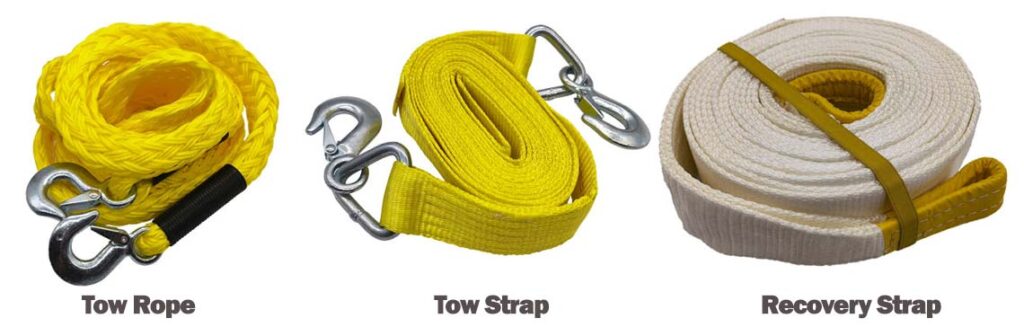
The Essential Recovery Kit
To do this safely, you need to ditch the hardware store chains and invest in real gear:
- Soft Shackles: Made from high-molecular-weight polyethylene (HMPE), these are stronger than steel but have virtually no mass. If they break, they simply fall to the ground rather than flying through the air.
- Kinetic Ropes: Unlike traditional static straps, these are designed to stretch up to 30%, using that elasticity to pull the vehicle out smoothly rather than with a violent jerk.
- Hitch Receiver Recovery Block: If you must use your rear hitch, buy a dedicated recovery block. This is a solid piece of aluminum or steel that slides into your hitch and features a hole for a shackle.
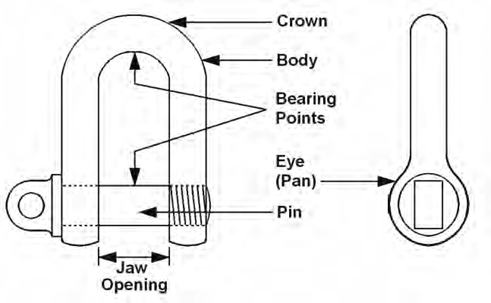
The Recovery Damper: Your Best Friend
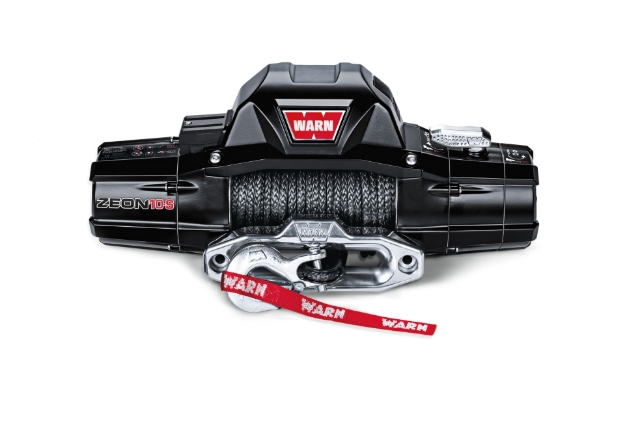
Whenever you are using a winch or a snatch strap, you must use a recovery damper. This can be a professional damper bag, a heavy moving blanket, or even a heavy damp coat draped over the middle of the line. If the line breaks, the damper's weight absorbs the energy and pulls the line toward the ground.
Professional Recovery Checklist
Before you even put the vehicle in gear to pull someone out, run through this checklist. My rule is simple: if the setup doesn't look 100% right, we don't pull.
- Inspect the Gear: Check for frays in your straps or nicks in your soft shackles. If it’s damaged, it’s a bin-job.
- Clear the Area: Ensure everyone—spectators, kids, and dogs—is at least two strap-lengths away.
- Establish Communication: Use 2-way radios or agreed-upon hand signals. The person in the stuck vehicle should be the one to give the "Go" signal.
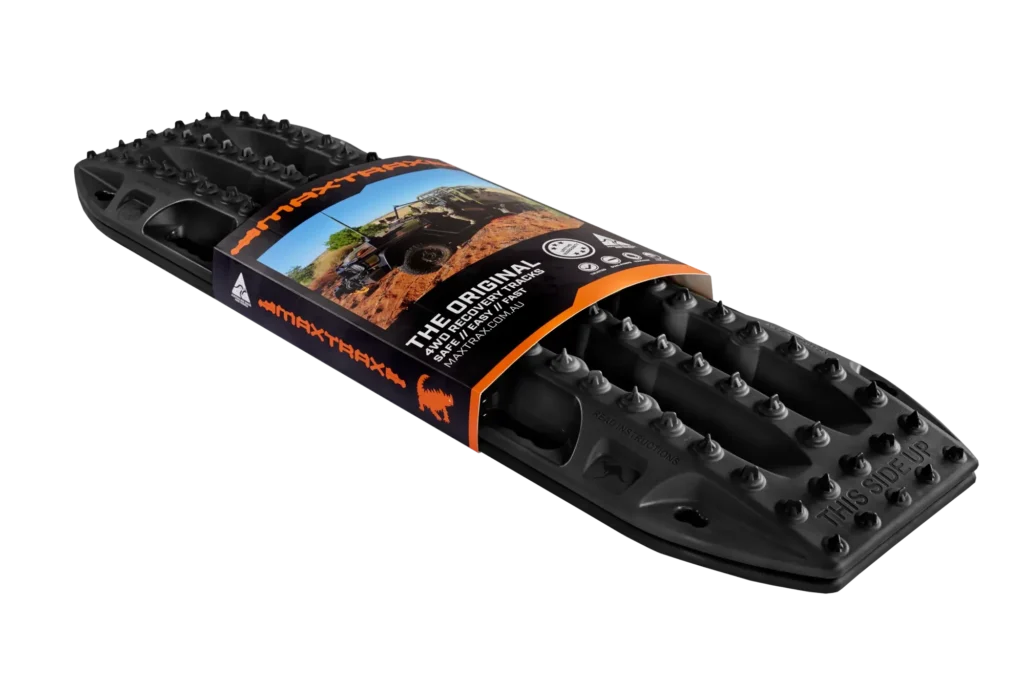
- The Three-Attempt Rule: If you’ve tried three times and the vehicle hasn't moved, stop. You’re either dug in too deep or high-centered. It’s time to start digging or use traction boards.
- Consider Non-Snatch Alternatives: Sometimes, the safest recovery is one that doesn't involve a second vehicle at all.
FAQ
Q: Can I use a tow ball for a slow, steady pull on flat ground?
A: Technically, a slow pull might not snap the ball, but it’s still bad practice. You can never guarantee that the tires won't hit a rock or a hole, creating a sudden "jerk" that introduces shock load. It’s better to develop the habit of never using the ball.
Q: What if the vehicle doesn't have rated recovery points?
A: If a vehicle lacks rated points, you shouldn't be performing a snatch recovery. Use a winch (which applies force more gradually) or use traction boards and a shovel to get it moving under its own power.
Q: Are stainless steel tow balls stronger than chrome ones?
A: Not necessarily. In fact, some stainless alloys are more brittle and prone to shearing under shock loads than high-carbon steel. The material doesn't change the fact that the design (the narrow neck) is the weak point.
Gear Up Before Your Next Trip
Don't wait until you're stuck in the mud to realize your recovery gear is insufficient. Safety is the one area where you can't afford to take shortcuts. I've seen the "she'll be right" attitude end in tragedy too many times. Invest in a proper recovery hitch, a set of soft shackles, and a quality kinetic rope today.